Got a new furball at home and wondering how to turn that wiggly ball of energy into a confident, wellbehaved companion? Youre in the right place. Below youll find a readytouse puppy socialization checklist that you can download, print, and start ticking off today.
From the first wobbly steps to the moment theyre ready for the park, this guide breaks everything down by age, setting, and sense. Grab the printable PDF, follow the milestones, and watch your pup thrive.
Why It Matters
Socialization isnt just a nicetohave extra; its a cornerstone of a happy, balanced dog. When puppies experience a variety of people, animals, sounds, and environments during the critical 16week window, they learn to stay calm under pressure. Miss those windows, and you risk fearbased aggression, separation anxiety, and a lifelong struggle with new experiences.
Think of it like a childs first day at school. The more supportive and varied the introductions, the easier it is to make friends later on. The same principle applies to our canine companions.
Core Principles
Timing Is Everything
The American Kennel Club (AKC) emphasizes that the most influential socialization period runs from 3weeks to about 14weeks of age. During this time, a puppys brain is a sponge, ready to absorb positive impressions. After this window, learning new things becomes harder and more stressful.
Positive Over Pressure
Veteran trainer Sophia Yin taught that positive experiences are the building blocks of confidence. Use treats, praise, and gentle handling to turn every encounter into a good memory. Avoid forcing a shy puppy into a chaotic situation; instead, gradually increase exposure at a pace theyre comfortable with.
Gradual Exposure No OverStimulation
Its tempting to throw a puppy into a bustling park right away, but that can backfire. Start with quiet, controlled environments and slowly add new stimulisounds, smells, peopleover several short sessions. Watch for signs of stress (cowering, tail tucked, lip licking) and back off if needed.
Complete Checklist
Below is the master puppy socialization checklist you can copy, print, or download as a PDF. Feel free to adjust the order to suit your schedule, but try to hit each milestone before the next age range.
| Week | Experience | How to Execute | Done |
|---|---|---|---|
| 34 | Human touch & handling | Gentle grooming, handling paws, ears, and mouth for a few seconds each | |
| 45 | Different surfaces | Let them walk on grass, tile, carpet, and a rubber mat for short bursts | |
| 56 | Meeting a calm adult | Invite a friend to sit calmly, give treats, and let the pup approach at its own pace | |
| 67 | Car rides (short) | Take a 5minute drive, reward calm behavior, keep windows rolled up | |
| 78 | Other wellbehaved dogs | Arrange a neutralground playdate, keep both leashes loose, watch body language | |
| 89 | Sounds | Play recordings of traffic, vacuum, and fireworks at low volume; gradually increase | |
| 910 | Petfriendly stores | Visit a quiet pet store, allow sniffing, reward calm demeanor | |
| 1012 | Children (controlled) | Introduce to a calm child who knows how to be gentle; supervise closely | |
| 1214 | Veterinary visit | Schedule a wellbeing exam, give treats for every step (exam table, stethoscope) | |
| 1416 | Servicedog basics (if applicable) | Expose to crowded places, public transport, and varied surfaces while on a leash |
Social Settings & Environments
Beyond the weekly milestones, sprinkle in a variety of locations: a quiet park, a bustling farmers market, a friends backyard, or even a petfriendly coffee shop. Each new setting helps the puppy generalize calm behavior across contexts.
People & Animals Interaction
Introduce your pup to:
- Adults of different ages and builds
- Kids (always under close supervision)
- Senior citizensgentle, slower movements are great practice
- Other dogs of various sizes, breeds, and temperaments
- Cats, if you have them, and other small animals
Use highvalue treats to create positive associations. Keep sessions shortunder five minutes at firstand gradually lengthen as confidence builds.
Sensory Experiences
A wellrounded pup also needs exposure to sounds and smells:
- Sounds: traffic, sirens, household appliances, fireworks, and crowds.
- Smells: fresh grass, sand, cleaning products, different foods (never let them eat anything harmful).
- Textures: sand, mud, carpet, hardwood, and even a wet towel.
Remember, its not about overwhelming them; its about gentle, repeatable exposure paired with praise.
Using the Checklist Effectively
Tracking Progress
Mark each activity with a simple or a colorcoded system (green for confident, yellow for shaky, red for uncomfortable). This visual cue helps you see patternsmaybe your pup loves car rides but still freezes at the vet.
Adjusting Intensity
If your pup shows signs of stresscowering, tail tucked, or excessive lickingdial back the intensity. You can revisit the same experience later at a slower pace. Consistency and patience outweigh speed.
When to Seek Professional Help
Some red flags warrant a trainer or behaviorists input:
- Persistent fear that doesnt improve after multiple gentle exposures
- Aggression toward people or other animals
- Severe anxiety during routine activities like grooming
Early intervention can prevent entrenched fear responses.
Resources & Extras
To make the process even smoother, weve gathered a handful of free, printable tools and related guides you might find handy.
Free PDF Download
Download the puppy socialization checklist PDF (includes the table above, plus space for notes) and print it out on a sturdy sheet you can tape to the fridge.
Interactive Apps
Several petcare apps now let you log each activity, set reminders, and even earn virtual badges. While were not endorsing any specific brand, a quick search for puppy socialization tracker in your app store will turn up options.
Printable Charts & Posters
Hang a puppy socialization chart in your training area. Seeing the milestones visually can keep you motivated on those busy days.
Related Guides
While youre prepping your pup, you might also want to explore other essential puppy training topics:
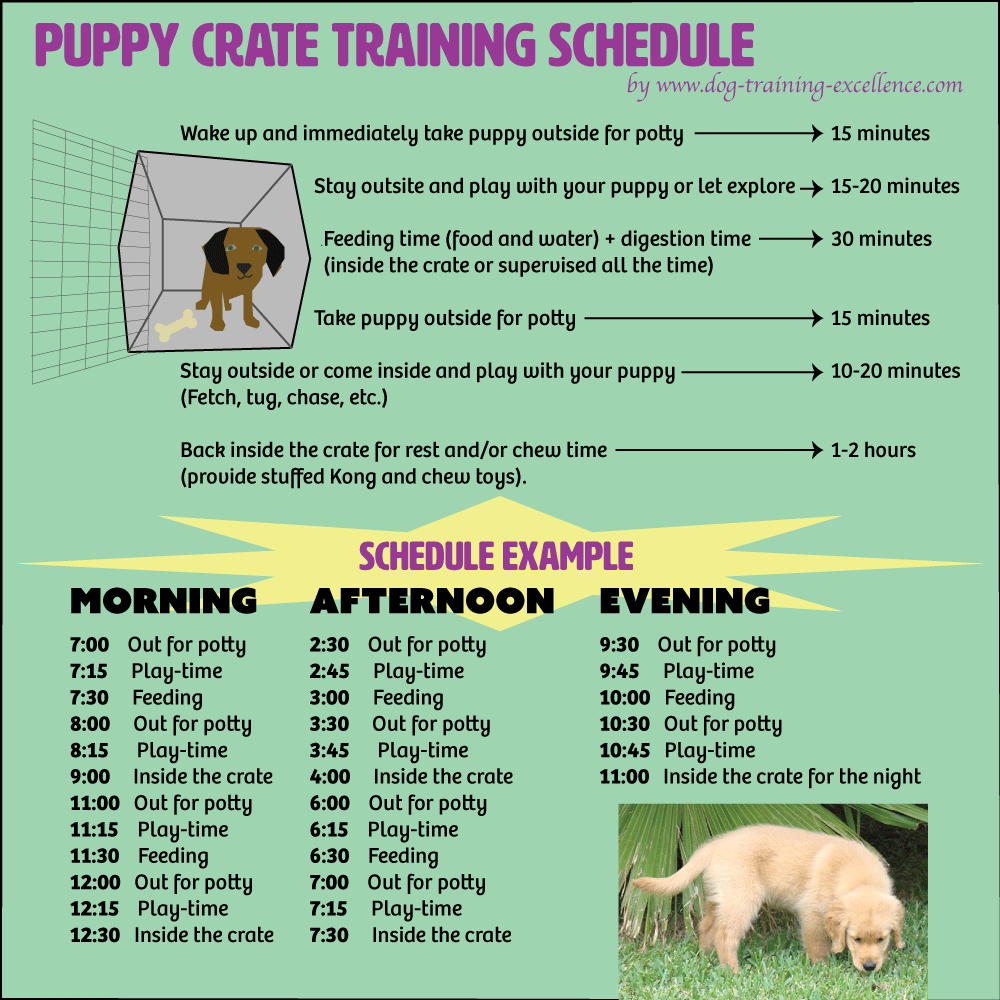
- How to crate train a puppy creates a safe den and aids housetraining.
- How to litter train a kitten for multipet households.
- How to stop aggressive behavior in cats useful if you have a curious cat watching the puppys progress.
- How to stop cat scratching furniture another handy tip for cohabitating pets.
Balancing Benefits & Risks
Every socialization step offers a benefitconfidence, reduced fear, better obediencebut theres a flip side if done incorrectly. Overstimulating a puppy can cause trauma, while underexposing them leaves gaps that may manifest later as anxiety.
Approach each activity with the mindset of curiosity, not pressure. If youre ever unsure, pause, reflect, and consider consulting a certified trainer.
Conclusion
A thoughtful, agebyage puppy socialization checklist is your roadmap to raising a welladjusted, happy dog. Download the printable PDF, start ticking off weekly milestones, and remember to celebrate every small victorywhether its a calm visit to the vet or a confident trot through the park.
Wed love to hear how your puppys journey unfolds. Share your successes, challenges, or favorite socialization spots in the comments below. And if you have any questions, dont hesitate to asktogether well help each pup grow into the best companion they can be.
FAQs
When should I start socializing my puppy?
The critical period runs from about 3 weeks to 14 weeks of age. Begin gentle exposures early, but keep experiences positive and low‑stress.
How many new experiences can a puppy handle in one day?
Short, 5‑minute sessions are ideal. Introduce one new stimulus at a time and watch for signs of stress before adding more.
What if my puppy is scared of car rides?
Start with very short trips (one‑minute) and reward calm behavior. Gradually increase duration, always ending on a positive note.
Can I use the same checklist for multiple puppies?
Yes, the milestones apply to any breed, but adjust the pace based on each puppy’s confidence and temperament.
When should I seek a professional trainer?
If fear or aggression persists after several gentle exposures, or if you notice severe anxiety during routine care, consult a certified trainer or behaviorist.