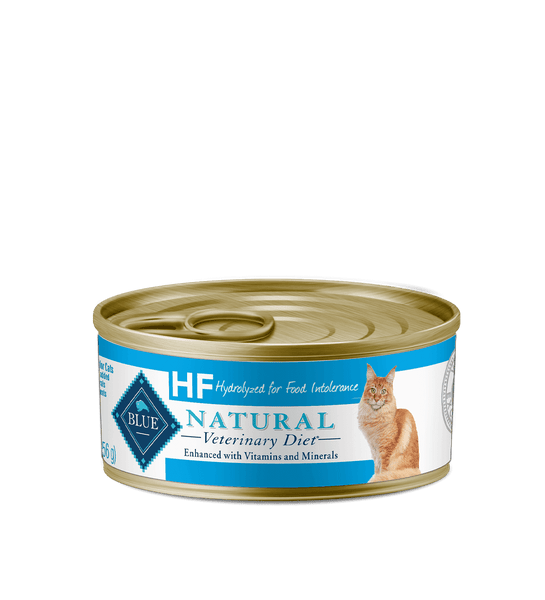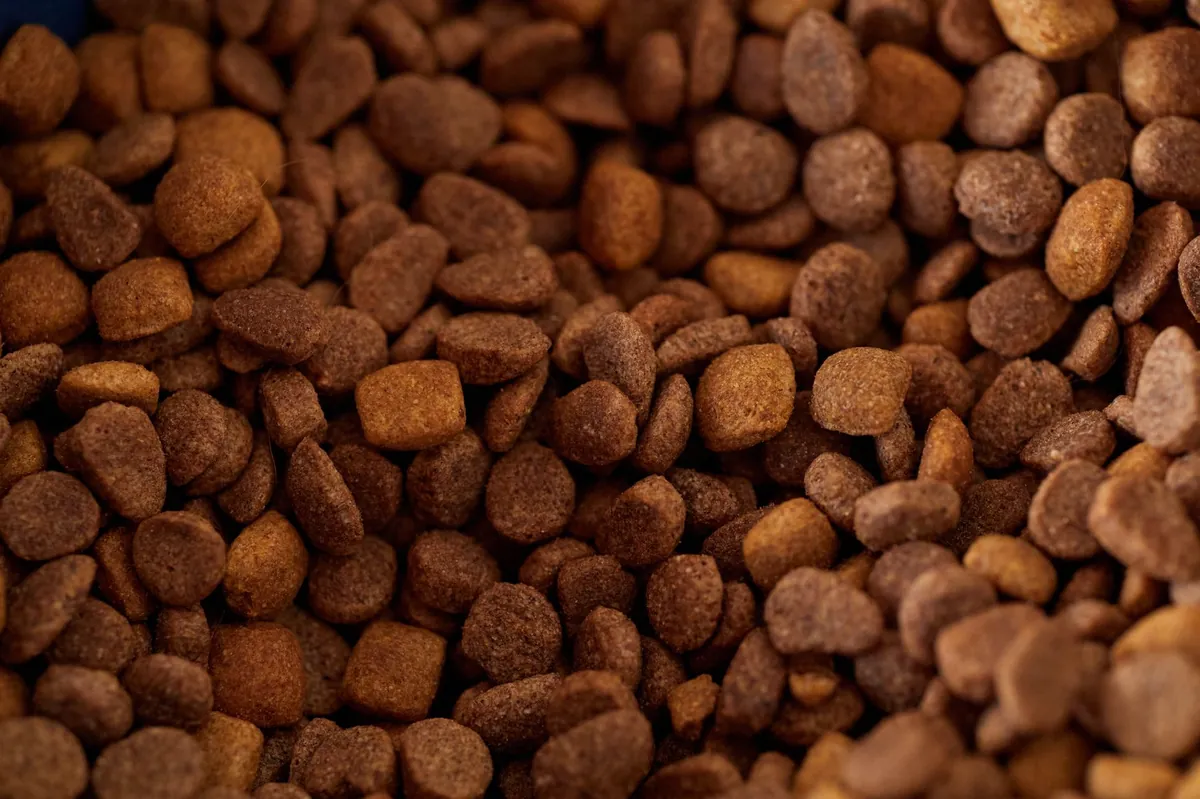
Choosing the best food for your feline friend can feel overwhelming. Dry Purina cat food offers a trusted option with many varieties designed to meet your cats nutritional needs. Understanding its ingredients, safety, and quality can help you decide if its the right choice for your pets daily diet.
Overview of Dry Purina Cat Food
Purina is a well-established brand known for its scientific approach to pet nutrition. Their dry cat foods are formulated to support various life stages and health needs, from playful kittens to senior cats. Purina combines high-quality protein sources with essential vitamins and minerals to promote a healthy coat, strong immune system, and overall vitality.
The dry kibble format suits many cat owners by offering convenient storage and portion control. Additionally, Purina includes specialized formulas such as weight management, sensitive digestion, and urinary health supportimportant concerns for many cat parents.

What to Look For
When selecting dry Purina cat food, it helps to understand the key ingredients and what to avoid. Reading the label carefully ensures your pet is getting optimal nutrition without harmful additives or fillers.
| Suitable For (cat/age) | Key Ingredients | Price Range | Feeding Amount | Ingredients to Avoid |
|---|---|---|---|---|
| Adult cats (1-7 years) | Chicken, turkey, rice, corn, vitamins, minerals | $20$40 (for 7-10 lb bags) | 1/4 to 1/3 cup twice daily | Artificial colors, fillers like wheat gluten, excessive salt |
| Kittens (up to 1 year) | High-protein chicken/fish meal, DHA, calcium | $25$45 | Small meals 3-4 times a day, 1/4 cup total daily | By-products, poultry by-product meal, xylitol |
| Senior cats (7+ years) | Lean proteins, fiber, antioxidants | $25$50 | 1/3 cup once or twice daily, adjusted for activity | Excess fillers, preservatives, artificial flavors |
How to Read Dry Cat Food Labels
When checking a Purina dry cat food bag, the first step is identifying the named protein ideally a real meat source like chicken, turkey, or fish. Ingredients are listed by weight, so the first few items matter most.
Beware of vague terms like meat by-products or animal digest. These may be lower-quality protein sources. Look for whole grains such as brown rice or oatmeal. Some cats do better with grain-free formulas, especially if they have sensitivities, but grains like rice and barley can be good energy sources.
Check for fat content and omega fatty acids, which support a shiny, healthy coat. Vitamins like taurine, crucial for heart and eye health, should be included. Avoid ingredients like onion or garlic powder, artificial colors, inexpensive fillers, and sweeteners such as xylitolknown to be toxic to cats.
Marketing buzzwords like premium or natural dont guarantee quality. Always rely on the actual ingredient list and nutrient analysis rather than vague claims.
Health & Safety Considerations
Dry Purina cat food formulas vary, but all must meet AAFCO standards for balanced nutrition. When switching your cats food, introduce Purina gradually over 710 days to prevent digestive upset. Monitor your cats weight, energy, and stool consistency regularly.
For cats with specific health issues such as urinary crystals, Purina offers tailored options that help control pH levels and mineral balance. If your cat needs a restricted diet for allergies or sensitivities, you might explore hypoallergenic cat food dry options that reduce common triggers.

Remember, no single food fits every cat. If your cat shows signs of allergies, hair loss, or digestion troubles, consult your veterinarian to adjust the diet accordingly. Never feed your cat dog food or human food that contains toxic ingredients such as chocolate or onions.
Feeding Guidelines and Storage Tips
To nourish your cat with dry Purina cat food effectively, feed approximately 2030 grams per kilogram of body weight daily. For an average 4 kg adult cat, this translates to about 80120 grams spread across two meals.
Keep dry food sealed tightly in an airtight container to preserve freshness and prevent contamination. Store it in a cool, dry place away from direct sunlight. Opened dry food can stay fresh for up to 6 weeks when stored properly.
For kittens, offer smaller portions 34 times daily to support growth and development. Senior cats may require fewer calories and more digestible protein, so consult your vet for precise adjustments. Avoid overfeeding to prevent obesity, especially with indoor cats.
Safe Portion Recommendations for Dry Purina Cat Food
| Cat Type | Daily Amount | Feeding Frequency |
|---|---|---|
| Kittens (up to 6 months) | 4060 grams | 34 meals |
| Adult cats (healthy weight) | 80120 grams | 2 meals |
| Senior cats (7+ years) | 6090 grams | 12 meals |
Pro Tips for Choosing Purina Dry Food
Many cat owners make the mistake of opting for the cheapest Purina formula, assuming all brands are similar. However, budget dry foods often use more fillers and lower-quality proteins, which can lead to digestive issues or excessive weight gain.
Vet-backed advice suggests selecting formulas that name specific meats and include omega fatty acids for skin and coat health. Dont overlook products designed for your cats life stage or health condition. For example, Purinas weight management blends help prevent obesity by regulating calorie intake.
Keep an eye on your cats feeding response and stool quality over time. If you notice digestive upset, itchy skin, or decreased appetite, consider switching to a specialized formula such as hypoallergenic cat food dry options.

Is dry Purina cat food safe for my dog or cat?
Dry Purina cat food is formulated exclusively for cats and should not be fed to dogs. Cats have specific dietary requirements such as taurine and arachidonic acid, which dog food lacks. Similarly, dogs may digest some ingredients differently. For your cat, Purina dry formulas are generally safe when fed according to guidelines and with gradual introduction.
Can dry Purina cat food help with urinary health?
Certain Purina dry food varieties are designed to support urinary tract health by managing mineral levels and pH balance. The inclusion of magnesium and phosphorus control helps reduce the risk of crystals. For cats prone to urinary issues, feeding such specialized formulas is beneficial; however, always consult your vet before making changes.
Does dry Purina cat food contain allergens?
Purina includes common protein sources like chicken and fish, which some cats may be allergic to. Grain ingredients such as corn or wheat can also trigger sensitivities. If your cat has allergies, look for formulas specifically marked as hypoallergenic or limited ingredient diets to reduce exposure to potential allergens.
How should I transition my cat to Purina dry food?
Start by mixing 25% Purina kibble with 75% of your cats current food for 23 days. Gradually increase the Purina portion by 25% every 23 days until fully transitioned. This helps avoid digestive upset and allows your cats system to adjust smoothly.
Is Purina dry cat food good for indoor cats?
Yes, Purina offers formulas tailored to indoor cats that may have lower activity levels. These blends have controlled calories and added fiber to support digestion and weight management. Adjust feeding amounts accordingly and monitor your cats weight.
Are there any harmful ingredients I should watch out for?
Avoid dry cat foods containing onion, garlic, chocolate, or xylitol as these are toxic to cats. Also, skip products with excessive salt or artificial colors. Purina generally avoids these, but always verify each products label carefully to ensure safety.
How long can opened dry Purina cat food stay fresh?
Properly stored in an airtight container away from sunlight, open dry cat food maintains its quality for about 6 weeks. Beyond that, the fats may oxidize, causing rancidity and nutrient loss. Use the food promptly once opened for the best results.

More You Might Like
Want to learn about the best ingredients for your feline friend? Check out our detailed cat food guide for comprehensive tips on nutrition and meal planning.
If your cat struggles with bladder issues, see our recommendations for best non prescription cat food for urinary crystals to support their urinary tract health naturally.
Conclusion
Dry Purina cat food offers a reliable choice with formulas designed for different life stages and health needs. By understanding the ingredients, avoiding harmful additives, and feeding the right amounts, you can support your cats wellbeing every day. Next time you shop, take a moment to read the label closely and see how Purina can fit your cats lifestyle and preferences. Your feline companion will thank you with a healthy, happy purr.
FAQs
Is Dry purina cat food safe for my dog or cat?
Dry Purina cat food is formulated specifically for cats and should not be fed to dogs due to their differing nutritional needs. For cats, it is safe when fed according to guidelines with a gradual transition to avoid digestive issues.
How much Dry Purina cat food should I feed my adult cat daily?
An average adult cat weighing around 4 kg typically needs 80–120 grams of Dry Purina cat food per day, divided into two meals. Adjust amounts based on your cat's activity and weight.
What are signs my cat may have a problem with Dry Purina cat food?
Watch for symptoms like digestive upset, diarrhea, hair loss, itchy skin, or decreased appetite. These may indicate allergies or intolerances, requiring a switch to a different formula or veterinary advice.
How does Dry Purina cat food differ from other dry cat foods?
Dry Purina cat food focuses on scientifically formulated recipes tailored for different life stages and specific health needs, often including omega fatty acids and balanced minerals for coat health and urinary support.
When should I consult a vet regarding my cat’s diet with Purina food?
Consult your veterinarian if your cat shows persistent digestive issues, allergies, weight changes, or any health concerns to ensure the diet meets their specific needs and to explore specialized formulas.