Many assume that simply loving animals means youd be a great vet. But would i make a good veterinarian? The truth is, this career blends science, stamina, and strong people skills. It takes more than cuddles and care; it demands specialized knowledge, emotional resilience, and a steady hand.
Here, youll learn the crucial personality traits, technical skills, and realistic challenges involved. By the end, youll have a clearer sense if the vet path fits your strengthsno fluff, just honest facts you need to know.
Core Personality Traits
What personality traits are essential for a vet?
Being compassionate is non-negotiable. Empathy toward animals and their worried owners builds trust and smooths tough moments. Patience is key, especially when calming an anxious pet or explaining a complex diagnosis to clients.
Long hours and emergency cases demand perseverance. Its common to work through nights or handle heartbreaking situations. Without grit, burnout creeps in fast. A calm, composed demeanor helps keep everyone steady during stressful moments.
These traits arent just nice-to-havesthey shape your daily work and relationships.
Real-world anecdote
Jessica, a recent vet graduate, recalls a frantic night saving a dog stuck in a fence. The dog was scared and bleeding, but staying patient and reassuring the owner helped me focus, she says. That calm saved the surgery.
5 qualities of a great vet
- Communication: Explaining care plans clearly to diverse clients.
- Attention to detail: Spotting subtle symptoms or lab results.
- Adaptability: Shifting gears quickly when emergencies strike.
- Ethical integrity: Always putting the animals welfare first.
- Business sense: Managing clinic operations smoothly.
Great Vet vs. Average Vet
| Trait | Great Vet | Average Vet |
|---|---|---|
| Communication | Clear, empathetic, patient | Rushed or vague explanations |
| Attention to Detail | Thorough diagnostics and record-keeping | Misses subtle signs |
| Adaptability | Quick response to emergencies | Struggles with surprises |
| Ethical Integrity | Prioritizes animal welfare above all | May face conflicts of interest |
| Business Sense | Balances care with clinic management | Lacks organizational skills |
Technical Skills Needed
3 abilities required for veterinarians
The backbone of your day-to-day is solid diagnostic reasoning. Youll sift through symptoms to identify illnesses accurately. Surgical proficiency is vital toomany pets need precise operations to heal or survive. Lastly, deep pharmacology knowledge ensures you prescribe the right medicines at safe doses.
Example of a diagnostic workflow
Below is a simplified flowchart of how vets approach symptoms:
| Step | Action |
|---|---|
| 1 | Collect history & observe symptoms |
| 2 | Perform physical exam |
| 3 | Order lab tests or imaging |
| 4 | Analyze results and rule out conditions |
| 5 | Make diagnosis & recommend treatment |
Technical skills vets must master
Hands-on skills include interpreting radiographs and other imaging tools to see inside your pet‘s body clearly. Processing lab tests like blood work is routine, confirming infections or organ health. Monitoring anesthesia safely during surgeries requires constant attention and knowledge of drug effects.
As seasoned vets often share, technology challenges keep them learning daily. The complexity is high, but mastering these skills means saving lives.
Expert insight
Dr. Kevin, a board-certified vet says, Errors in reading labs or anesthetic doses happen too often without strong tech training. Its a constant focus in vet school and beyond.

Education Path & Self-Assessment
Typical education timeline
The journey starts with an undergraduate degree, often in biological sciences, which takes about 4 years. Maintaining a GPA above 3.5 is typical for competitive vet schools.
Vet school itself lasts 4 years, blending classroom lectures, labs, and clinical rotations. Afterwards, passing a licensing exam is mandatory to practice. Often internships or residencies follow for specialization.
Take this Should I be a Veterinarian quiz to get a quick sense of how well your skills and interests align with vet careers.
Self-assessment checklist
- Do you enjoy science and problem-solving?
- Can you handle stressful, emotional situations?
- Are you willing to commit 8+ years to education and training?
- Do you communicate well with people from all walks of life?
- Are you comfortable working with animals in messy or unpredictable environments?
Interpreting your results
If you answered mostly yes, you might thrive in veterinary medicine. Fewer yes answers suggest exploring other animal-related careers that are less demanding but equally rewarding.
Realistic Pros & Cons
Top benefits
Making a meaningful impact on animal and client lives tops the list. Vets see grateful pet owners and healthy animals every day. The U.S. veterinarian salary average is about $100,000 annually, varying by region and specialty, offering a solid middle-class income compared to other caring professions.
Continuous education and specialty options keep vets mentally engaged and professionally challenged.
Salary snapshot
| Career Stage | Average Salary (USD) |
|---|---|
| Entry-level | $75,000 |
| Mid-career | $100,000 |
| Specialist | $140,000+ |
Common challenges
Emotional burnout and compassion fatigue hit many vets hard. Regularly facing suffering and loss wears down mental health. Student loan debt is another barrier, with average debts exceeding $180,000 nationwide.
Irregular shifts and on-call duties disrupt personal life balance. Its a demanding lifestyle, requiring a committed mindset and support system.
Case study: Burnout experience
Sarah, a decade in practice, says, There were days I cried after work. Learning to set boundaries, ask for help, and practice self-care saved me.

Balancing the Decision
Decision-making framework
Try listing pros and cons, then rate each based on what matters most to you. For example, if emotional connection outweighs salary concerns, veterinary care may be a good fit. Alternatively, weigh work-life balance to prevent unexpected disappointments.
Downloadable worksheet
Use our printable matrix guiding you through each factor thoughtfully to confirm your choice or explore alternatives.
Alternative career paths
- Veterinary Technologist: Support vets while performing lab tests and patient care. Requires less schooling.
- Animal Behaviorist: Study and modify pet behavior; less clinical stress.
- Wildlife Rehabilitator: Care for injured wild animals with hands-on healing.
These options offer interaction with animals but may suit those avoiding vet schools intensity.
How to Build Skills Today
Volunteer at shelters or clinics
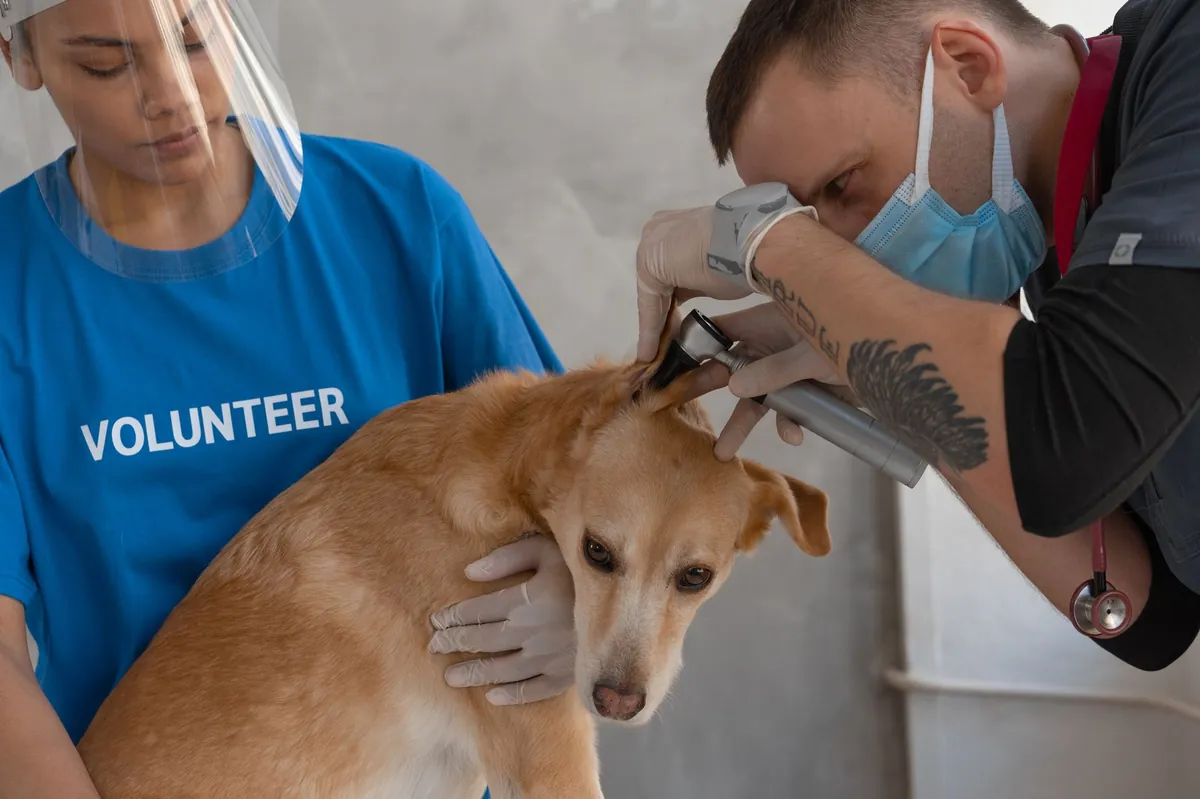
Hands-on experience exposes you to animal care basics and veterinary routines. Volunteer 510 hours weekly to get a real-world feel for the pace and environment.
Enroll in online courses
Free or low-cost classes in animal anatomy, pharmacology, or first aid build foundational knowledge. Aim for at least 3 courses before applying to vet school.
Develop soft skills
Practice active listening with pet owners and manage stress healthily through mindfulness or exercise. These habits improve your work quality and mental health.
Suggested resources
- Books: VetTech Essentials, The Art of Veterinary Medicine
- Podcasts: Vet Chat, Paws & Claws Insights
- Associations: AVMA, AAVMC membership benefits for networking and learning

What personality traits are essential for a vet?
Recall the key qualities: empathy, patience, perseverance. Without these personality traits, the technical training alone wont prepare you for the emotional and interpersonal demands.
How long does it take to see results with veterinary training?
Veterinary education typically spans 8 years (undergrad + vet school) plus licensing. Skill mastery grows through internships and practice, with visible progress after each clinical rotation or hands-on experience.
Is veterinary work emotionally challenging?
Yes, dealing with sick pets and stressed owners can be draining. Compassion fatigue is common but manageable with support and healthy coping strategies.
Can I become a vet without loving animals?
Passion for animals is crucial. Without a genuine care for creatures, the emotional work and long hours can feel unbearable.
Are there physical demands to being a vet?
Absolutely. Youll lift animals, stand for long shifts, and handle sometimes aggressive or frightened patients. Good physical fitness helps.
What specialties exist within veterinary medicine?
Options include surgery, internal medicine, exotic animal care, dermatology, and more. Specialties require extra training but offer focused career paths.
How does veterinary medicine compare to human medicine?
Both require scientific rigor and empathy. Veterinary work is broader: vets treat many species, not just humans. This adds complexity but diversity to every day.
What are common career mistakes aspiring vets make?
Many underestimate the emotional toll and student debt. Others jump into specialty tracks too soon, missing critical general practice experience first.
How can I prepare for vet school admission interviews?
Practice clear, honest answers about why you want to be a vet. Highlight volunteer work and your understanding of challenges involved.
Are there ways to gain clinical experience before vet school?
Yes, volunteering or working as a vet assistant/technician builds valuable skills and strengthens your application.
What are typical vet clinic work hours?
Expect 4060+ hour weeks, with evenings and weekends common during emergencies. Work-life balance requires planning.
How to avoid burnout as a vet?
Maintain hobbies outside work, establish strong support networks, and recognize early signs of stress. Seeking mental health support is a strength, not a weakness.
Is pet nutrition part of veterinary training?
Yes, vets learn animal nutrition basics to advise on balanced diets safely. Check out related topics like cat flea treatment and Wsava vaccination guidelines 2025 for preventive care insights.

Pro tips for aspiring veterinarians
- Consistency is key: Regularly engage with animals even outside formal studies to build empathy and confidence.
- Focus on communication: Developing strong client interaction skills prevents misunderstandings and builds trust.
- Manage stress early: Incorporate daily relaxation techniques before vet schools pressures pile up.
- Dont rush specialty choice: Get comprehensive general practice experience first to make informed decisions.
Most overlooked mistake
A common error is neglecting to shadow or volunteer in clinics before applying to school. Direct exposure clarifies expectations and builds relevant skills.
Why cheap shortcuts dont work
Some try to fast-track veterinary education or skip essential experiences. This risks poor preparation and burnout. Veterinary work demands thorough training.
Vet-backed career tip
Network with practicing veterinarians early. Mentors provide invaluable perspective and advice beyond textbooks.
More You Might Like
- What makes a good veterinarian? Discover more about top vet qualities in daily practice.
- Cat flea treatment is crucial for pet healthlearn how vets tackle this common issue safely.
- Wsava vaccination guidelines 2025 keep pets protected; understanding vet recommendations helps owners stay informed.
Wondering would i make a good veterinarian? Consider your personality, technical skills, education commitment, and the realistic pros and cons. If the challenge excites you, try volunteering or a self-assessment quiz and connect with experienced vets. Your thoughtful decision mattersfor you and the animals depending on you.
FAQs
How long does it take to see results with Would i make a good veterinarian?
Veterinary training typically spans about 8 years, including undergraduate studies and vet school, plus licensing exams. Skill development continues through internships and clinical rotations, with noticeable improvement after hands-on experience.
What personality traits are essential for a vet?
Key traits include compassion, patience, perseverance, strong communication, and ethical integrity. These qualities help vets handle emotional challenges and build trust with pet owners and colleagues.
Is veterinary work emotionally challenging?
Yes, vets often encounter suffering, loss, and stressed owners, leading to compassion fatigue. Managing emotional demands requires resilience, self-care, and a supportive network to maintain mental health.
What are common career mistakes aspiring vets make?
Common mistakes include underestimating the emotional toll, accumulating high student debt, skipping essential general practice experience, and neglecting volunteer or clinical exposure before applying to vet school.
Are there ways to gain clinical experience before vet school?
Yes, volunteering at animal shelters or working as a vet assistant or technician offers valuable hands-on experience, helping you build skills and strengthen your vet school application.