Got a couch that looks like it survived a tiny tigers playtime? Youre not alone. In just a couple of sentences, Ill give you the fastest way to protect your furniture and keep your cat happy. Ready? Lets dive in.
Why Cats Scratch
Natural instincts at work
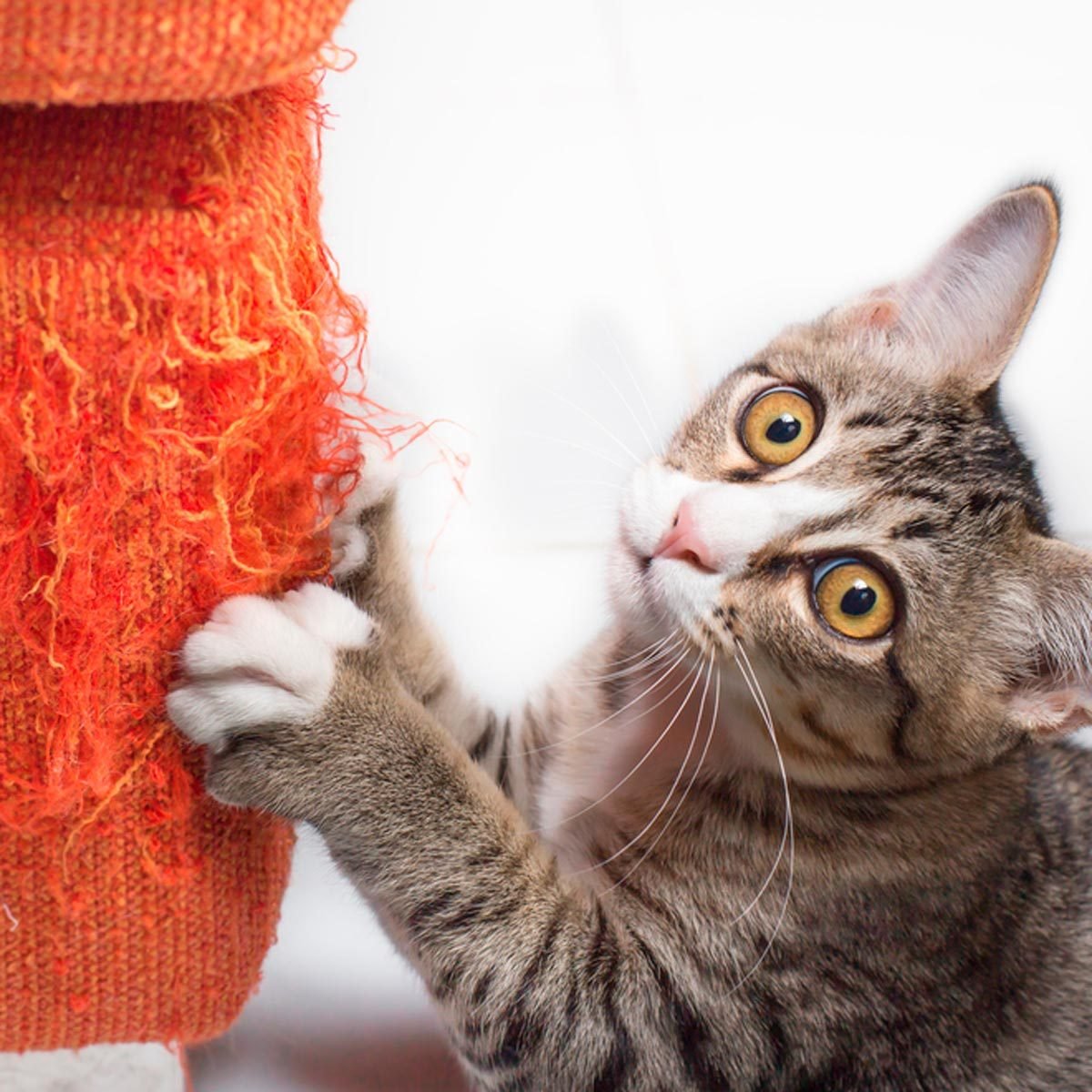
Scratching isnt just a naughty habit its a builtin survival skill. Cats stretch their spines, sharpen claws, and mark territory with scent glands in their paws. Think of it as their version of a morning coffee.
What triggers the frenzy?
Boredom, stress, or a lack of proper scratching posts can push a feline to turn your favorite armchair into a personal canvas. Even subtle changes in the household, like a new pet or a moved rug, can cause a spike in scratching.
Why do cats scratch furniture and carpets?
Carpets and fabric give a satisfying texture for claw release. If a cat cant find a suitable substitute, the nearest soft surface becomes the target.
Home Audit Checklist
Spot the hot spots
Take a quick tour of your living space. Which pieces have ragged edges or shredded corners? Jot them down. Those are the battlegrounds.
Whats already in place?
Do you have doublesided tape, a slipcover, or a commercial deterrent spray? Note whats working and whats not.
Do you have a scratching alternative?
Assess the number, type, and placement of scratching posts. A sturdy post near the offending furniture is a gamechanger.
| Option | Material | Cost | Durability | Best For |
|---|---|---|---|---|
| Sisal rope post | Sisal | Low | Medium | Indoor cats who love vertical surfaces |
| Corrugated cardboard pad | Cardboard | Very low | Low (replace often) | Kittens or budgetfriendly homes |
| Carpeted mat | Lowpile carpet | Medium | High | Cats that prefer horizontal scratching |
Deterrent Sprays
Storebought that actually work
Many pet parents swear by pheromonebased sprays like Feliway Classic. These mimic calming facial pheromones, reducing stressdriven scratches. Citrusbased options also do the trick because most cats dislike the sharp scent.
Homemade spray to stop cats from scratching furniture
If you love a DIY approach, try these two recipes. Theyre safe for most fabricsjust test a hidden spot first.
Recipe A CitrusVinegar Mix
- 1 cup white vinegar
- 1 cup distilled water
- 2 teaspoons orange essential oil (or freshly squeezed orange zest)
Mix in a spray bottle, shake well, and spritz the back of the furniture once a day. The acidic scent is a natural deterrent, and the orange aroma is a bonus for you.
Recipe B RosemaryEucalyptus Blend
- cup water
- cup rubbing alcohol
- 5 drops rosemary essential oil
- 5 drops eucalyptus essential oil
This combo dries quickly, leaving a faint herbal scent that most cats find offputting. Use it sparingly on leather or delicate fabrics.
How to apply safely
Always spray from a distance of about 12 inches, let it dry before letting your cat back near the spot, and reapply every 34 days for maximum effect.
Physical Barriers
Protective covers and slipcovers
Slipcovers made of denim or canvas are inexpensive and can be removed for washing. Throw blankets with a smooth underside also create a temporary barrierjust tuck the edges under the cushions.
Sticky tape tricks
Doublesided tape is a classic catdeterrent. The sticky sensation on their paws tells them stop. Place strips on the arms of a sofa or the corners of a coffee table. Its a quick fix while youre training them to use a post.
Cat scratch furniture protector
Plastic protectors or adhesive furniture guards are another option. Theyre especially handy for wooden legs that get shredded. Just make sure the protector is securely glued to avoid choking hazards.
Behavior Training
Positive reinforcement works wonders
Whenever your cat uses a scratching post, reward them with a treat or a quick petting session. The brain loves the connection between the action and the reward.
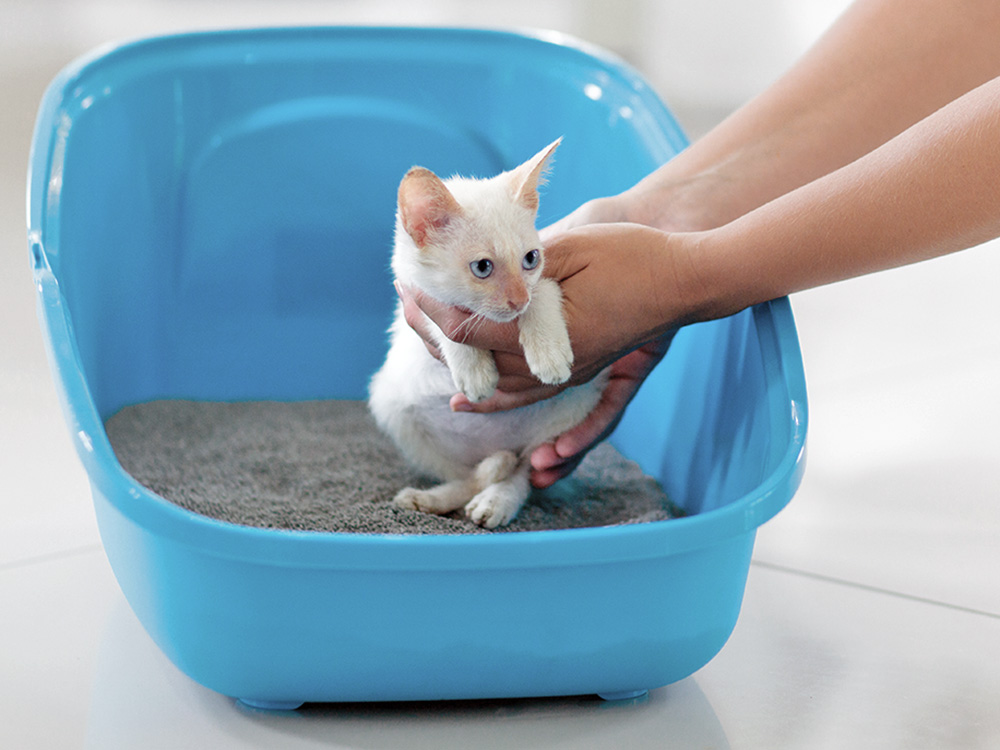
If you have a kitten, you might also be looking up how to litter train a kitten. The same principles of positive reinforcement apply—use treats and praise to cement good habits early.
Clickertraining basics
If you have a clicker, press it the instant your cat paws at the post, then give a treat. Over time, the click becomes a cue that post = good.
Redirecting the urge
When you catch them midscratch on the couch, gently lift them and place them on the post. Speak calmly, Lets try this instead, and reward immediately if they start using the post.
7Day Training Schedule
- Day 12: Position a tall, sturdy post right next to the most damaged furniture.
- Day 34: Sprinkle catnip on the post and reward every touch.
- Day 56: Add a second post in a different room; rotate the cats attention.
- Day 7: Phase out one stickytape strip; observe if the cat prefers the post.
When DIY Isnt Enough
Health issues can masquerade as scratching
If the behavior spikes suddenly, consider a checkup. Pain from arthritis, skin irritations, or even dental problems can make a cat more aggressive in its clawing.
Professional help
Veterinarians can rule out medical causes and may prescribe synthetic pheromone diffusers or medicated wipes. Animal behaviorists can also design a customized enrichment plan.
Quick Answers (Your Burning Questions)
Can I use a scented spray on a leather sofa?
Yes, but choose an alcoholbased formula (like the rosemaryeucalyptus blend) and test a hidden area first. Leather can be sensitive to excess moisture.
How long does a homemade deterrent spray stay effective?
Typically 34 days before the scent fades. Reapply after vacuuming or cleaning the furniture.
Do cats need more than one scratching post?
Absolutely. Many cats like a vertical post for stretching and a horizontal pad for a quick claw wash. Offering variety reduces the temptation to return to the couch.
Will doublesided tape actually stop scratching?
It works for many cats because the sticky feel is unpleasant. However, some cats get used to it, so combine tape with a proper post for lasting success.
Conclusion
Stopping cat scratching isnt about punishment; its about giving your furry friend a better outlet while protecting what you love. Identify the trigger, block the furniture with a gentle deterrent (spray or tape), and make a scratching post irresistible with treats and catnip. Keep an eye on progress, adjust the tools, and dont hesitate to call a vet if the behavior seems out of the ordinary. With a little patience and the right mix of DIY tricks, your home can stay stylish and your cat can stay satisfied.
What tricks have saved your furniture? Share your story in the comments or download our printable CatScratching Prevention Checklist to keep track of your progress. Happy scratchingjust not on the couch!
FAQs
Why does my cat keep scratching my sofa?
Cats scratch to stretch their muscles, sharpen claws, and mark territory with scent glands in their paws. Soft furniture provides a tempting texture when they lack appropriate alternatives.
What are the most effective DIY deterrent sprays?
A citrus‑vinegar mix (white vinegar, water, orange essential oil) or a rosemary‑eucalyptus blend (water, rubbing alcohol, a few drops of each oil) work well. Test on a hidden spot first and reapply every 30‑35 days.
How can I make a scratching post more appealing?
Place the post near the problem area, sprinkle catnip, and reward your cat with treats or praise each time they use it. Adding different textures (sisal, carpet, cardboard) keeps their interest.
Is double‑sided tape safe for my cat and furniture?
Yes, the tape is non‑toxic, but it should be applied only to areas your cat can reach briefly. Replace strips as they lose stickiness and combine tape with a proper scratching post for lasting results.
When should I consult a vet about my cat's scratching behavior?
If scratching spikes suddenly, is accompanied by limping, hair loss, or skin irritation, or if your cat seems unusually aggressive, a veterinary check‑up can rule out pain, allergies, or other health issues.