


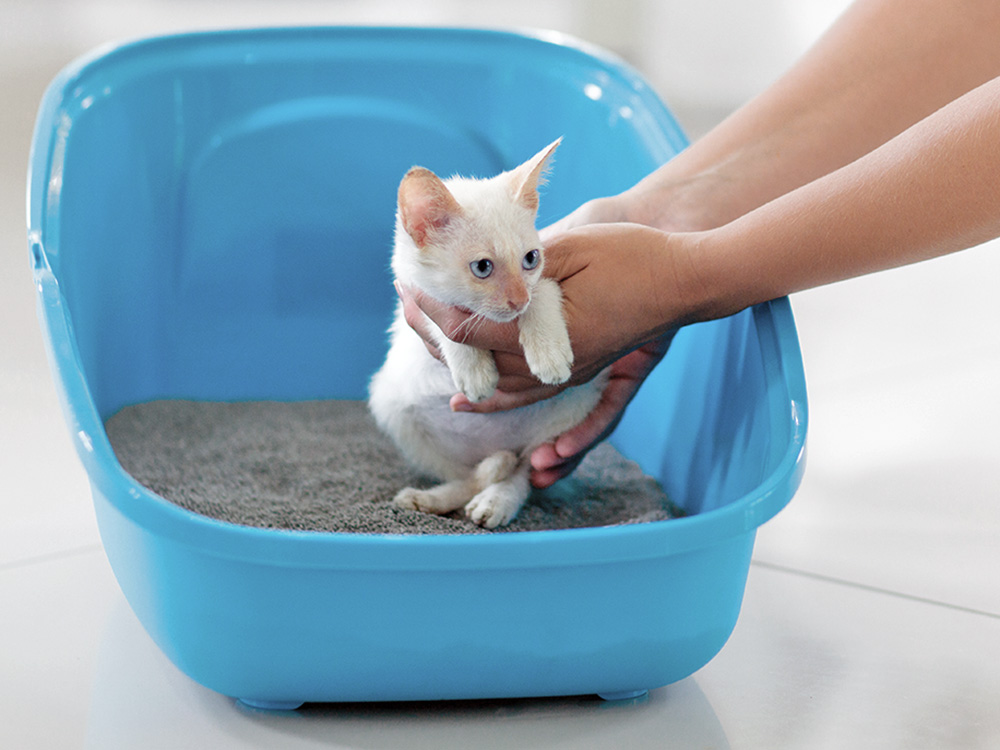
Got a fluffy bundle that keeps leaving tiny little surprises outside the box? No worrieslitter training a kitten is less about magic tricks and more about timing, patience, and a sprinkle of catcrazed intuition. If you place your kitten in the box right after meals, naps, or a burst of play, gently guide its paws into the litter, and repeat the routine, most kittens will catch on in just a few days. The result? A clean home, a confident kitty, and fewer frantic oh no moments for you.
Why does this matter? Because a welltrained kitten means a stressfree household, a stronger bond with your new friend, and fewer trips to the vet for urinary issues that can arise from dirty litter habits. Lets dive in together, step by step, and turn that little mess maker into a tidy, litterloving companion.
Understanding the Basics
What age can you start litter training?
Kittens are ready to learn the moment they can stand on their own feetusually around 4 weeks old. By the time theyre eight weeks, most have a solid instinct to dig and cover. If youre wondering how to litter train a 4 week old kitten, the secret is to keep the box super shallow and place it right where the kitten sleeps or eats. The younger they are, the more theyll look to you for guidance, so gentle digandcover demos work wonders.
Why kittens instinctively use litter
Wild feline fathers and mothers instinctively dig a shallow pit to eliminate and then cover it upthis hides scent from predators. Domestic kittens keep that same digandcover drive, which is why a fine, unscented litter that mimics soil feels just right. When you let them practice this natural behavior, theyll quickly associate the box with a safe, private space.
Common myths that hold you back
Ever heard someone say, You cant train a kitten without its mother? Thats a myth. While a mother cat gives a gentle demonstration, you can easily become that teacher. Another rumor is that its never too late. In reality, when is it too late to litter train a cat? The answer: almost never, though older cats may need a bit more confinement and patience.
Choosing Litter Setup
Picking the perfect box
Think of the litter box as a tiny, private bathroom. For kittens, a lowside, shallow plastic box works bestno tall doors that make them think, How will I get out of this?. Opentop boxes are easier for tiny paws to hop in and out of, and you can line the bottom with a thin paper towel for extra grip while theyre still learning.
Best litter type for tiny paws
We recommend a finegrain, unscented, clumping litter. The fine texture feels like soft sand, which encourages digging. Avoid scented or heavily perfumed litters; they can be overwhelming for a kittens sensitive nose. If youre looking for a fast solutionhow to litter train a kitten fastthe right litter can shave a day or two off the learning curve.
Where to place the box
Location is key. Choose a quiet corner, away from food and water bowls, but close enough that the kitten can see you and feel safe. If you have a multicat household, the rule of thumb is one box per cat plus one extra. This prevents territorial disputes and ensures the kitten isnt intimidated.
Musthave accessories
- Small scoop (to keep the box tidy after each use)
- Soft cleaning brush (for deep cleaning once a week)
- Nonslip mat (to keep the box from sliding when the kitten jumps in)
Training Routine Steps
Introducing the kitten to the box
First, gently pick up your kitten after it wakes from a nap or finishes a meal. Place its front paws into the litter and let it feel the texture. Use a calm voice: This is your bathroom. Most kittens will start digging instinctively. If they dont, repeat the motion a few timesthink of it as a minidance lesson.
Timing is everything
All cats share three calltoaction moments: after eating, after playing, and after sleeping. These are the perfect windows to whisk your kitten into the box. By consistently pairing the box with those moments, youre building a reliable routine. In fact, a quick aftermeal box check can cut down accidents dramatically.
Handling accidents the right way
Mess happensdont punish. Clean the spot with an enzymatic cleaner (no harsh chemicals) to erase the scent, which could otherwise lure the kitten back to the same spot. Then, gently guide the kitten back to the box and praise the effort. Positive reinforcement works better than a stern no! that only confuses a tiny brain.
When to let the kitten roam free
Once the kitten consistently uses the box for two consecutive days, you can start allowing more freedom. Keep the box accessible at all times, especially during the first few weeks of increased roam. This prevents regression when the kitten gets curious about other corners of the house.
Special Situations FAQ
| Situation | Key Tips | Related Keyword |
|---|---|---|
| Kitten without mother | Use a warm heating pad, increase handling, mimic mothers digging motion with your fingers. | how to litter train a kitten without mother |
| Older cat/late starter | Confine to a small room with a single box, use a doublebox method (one inside another) to guide. | when is it too late to litter train a cat |
| Kitten that has been outside | Introduce a litter that mimics the outdoor soil theyre used to, keep the box near the exit they favor. | how to litter train a kitten that has been outside |
| 8week old kitten wont use the box | Check for health issues, adjust litter depth, ensure the box is quiet and private. | 8 week old kitten won't use litter box |
| Looking for community advice | Browse Reddit threads for realworld tips; many owners share what finally worked for them. | how to litter train a kitten reddit |
Tracking Progress & Cleanliness
Spotting success signs
When your kitten starts digging on its own, covering after each use, and returns to the box without prompting, youve hit the sweet spot. Keep a mental note of the times it uses the box unpromptedthe more often, the better.
Daily cleaning routine
Scoop after every attack (yes, even after a tiny tinkle). A full litter change once a week keeps odors low and prevents the kitten from developing an aversion. If you notice clumps forming too quickly, consider a less clumping litter until the kittens habits settle.
Dealing with setbacks
Sometimes a kitten will suddenly stop using the box. First, rule out medical concernsUTIs can cause avoidance. Next, evaluate if something changed: a new piece of furniture, a louder vacuum, or a different brand of litter. Adjust the environment and be patient. Consistency beats frustration every time.
When to call the vet
If you see blood, frequent straining, or the kitten consistently refuses the box for more than 48 hours, contact your vet. Urinary problems can become serious quickly, especially in male kittens.
RealWorld Success Stories
Rescue shelter case study
At the Longmont Humane Society, three newly rescued kittens were trained in just two days using the digandcover demo and a shallow, unscented litter. The shelter staff reported a 95% success rateproof that with the right approach, even timid kittens can learn fast.
Owner testimonial
I thought Id waste weeks, but after following the routine, my 5weekold kitten started using the box after the third night. The key was scooping right after meals and giving a gentle pawdig. It felt like a tiny victory dance! Sarah, firsttime cat parent.
Reddit roundup
Among the topvoted Reddit posts in r/CatAdvice, users consistently mention the importance of box proximity and immediate postmeal placement. The community also swears by using a small amount of used litter from a mother cat (if available) to give the kitten a familiar scent.
Conclusion
Training a kitten to love its litter box boils down to four simple pillars: choose the right box and litter, establish a consistent timing routine, gently guide the kitten with friendly digandcover demos, and keep the box clean. Whether youre dealing with a 4weekold without a mother, an older cat youre introducing to a new home, or a curious kitten thats been roaming outdoors, patience and consistency are your best tools. Share your own tips in the comments, download the printable checklist below, and feel free to ask any lingering questions. Happy training, and enjoy every purrfilled moment with your new friend!
FAQs
When should I start litter training my kitten?
Kittens can begin as soon as they can stand on their own feet, usually around 4 weeks old. By 8 weeks most have a natural digging instinct.
What type of litter is best for a kitten?
Use a fine‑grain, unscented, clumping litter. It mimics soft soil, is gentle on tiny paws, and encourages the natural dig‑and‑cover behavior.
How often should I clean the litter box?
Scoop after every use and do a full litter change once a week. A clean box prevents odors and reduces the chance of accidents.
My kitten had an accident outside the box – what now?
Don’t punish. Clean the spot with an enzymatic cleaner to remove scent, then gently place the kitten in the box and praise any attempt.
Is it ever too late to litter train an older cat?
Almost never. Older cats can be trained with patience, a confined space, and a single, easily accessible box. The process may take a bit longer.


