Ever lie in bed, ears buzzing with a chorus of latenight howls, and wonder why your oncequiet pup turned into a midnight alarm clock? The good news is you dont have to endure sleepless weeks. In the next few minutes Ill share the easiest tricks that work in seconds, plus a calm routine that keeps the peace for good.
Grab a cup of tea, settle in, and lets untangle the mystery together. By the end youll know exactly whats triggering those barks, how to quiet them fast, and how to build a nighttime habit that both you and your dog will love.
Why Dogs Bark Night
What Sets Off the Howls?
Dogs are essentially social radios they pick up on every shuffle, rustle, and distant howl. At night those sounds feel louder, and a dog thats alone or anxious can hit the bark button faster than you can say goodnight. Common triggers include:
- Loneliness or separation anxiety when left alone in a quiet house.
- Territorial alerts a squirrel, a passing car, or even the neighbors cat.
- Physical needs a sudden urge to go outside.
- Health issues such as pain, thyroid problems, or hearing loss.
- Changes in routine a new schedule, a recent move, or a vet visit.
Understanding the root cause is the first step toward quiet nights.
Why Is My Dog Barking at Night All of a Sudden?
Sudden bursts of barking often signal a behavioral rebound. Your pup may have been fine, then a subtle stressor a new baby, a recent move, or even a change in the familys bedtime flips the switch. When the environment feels unpredictable, the dog reacts by raising an alarm to protect its territory.
Think of it like a car alarm that goes off after a tiny bump. The noise isnt the problem; the underlying disturbance is. Identifying that bump helps you address the real issue instead of simply muting the sound.
Do Dogs Barking at Night Have a Spiritual Meaning?
Some owners hear a spiritual whisper in their dogs nocturnal chorus, attributing it to protection or a warning. While its an interesting perspective, most certified behaviorists agree that night barking is a practical signal a mix of anxiety, alertness, and unmet needs. If the behavior feels persistent, its better to rely on data and professional advice rather than mysticism.
Quick Fixes Tonight
Teach the Quiet Command in Seconds
One of the fastest ways to curb a bark is with a clear quiet cue. Heres a quick threestep method you can try right now:
- Catch the silence: Wait for a moment when your dog stops barking, even if its brief.
- Mark the quiet: Say quiet in a calm, firm voice and immediately give a treat or clicker sound.
- Repeat and reward: Practice this a few times each night. Consistency builds the association, and soon your dog will look to you for the cue when the urge to bark arises.
It works like training a toddler to say please you catch the good behavior, label it, and reward it.
Should I Ignore My Dog Barking at Night?
The answer isnt a simple yes or no. Ignoring can be helpful when the bark is attentionseeking the dog learns that yelling gets no response. But if the barking stems from fear or anxiety, silence can reinforce the feeling of being alone and make the behavior worse.
Try this decision tree:
- If the bark stops when you ignore it Its likely attentionseeking. Keep calm and avoid reacting.
- If the bark intensifies The dog may be scared. Offer reassurance, a safe space, or a soothing cue like quiet.
White Noise, Music, and Sound Masking
Soft background sounds can drown out the startling noises that trigger barking. Studies from the University of Bristol show that classical music and steady whitenoise machines reduce canine stress by up to 30%.
Try a gentle playlist (think piano or nature sounds) or a whitenoise app set on low volume. The goal isnt to drown out your dogs voice completely, but to make the environment feel less loud and more soothing.
Quick Physical Interventions Crate Comfort
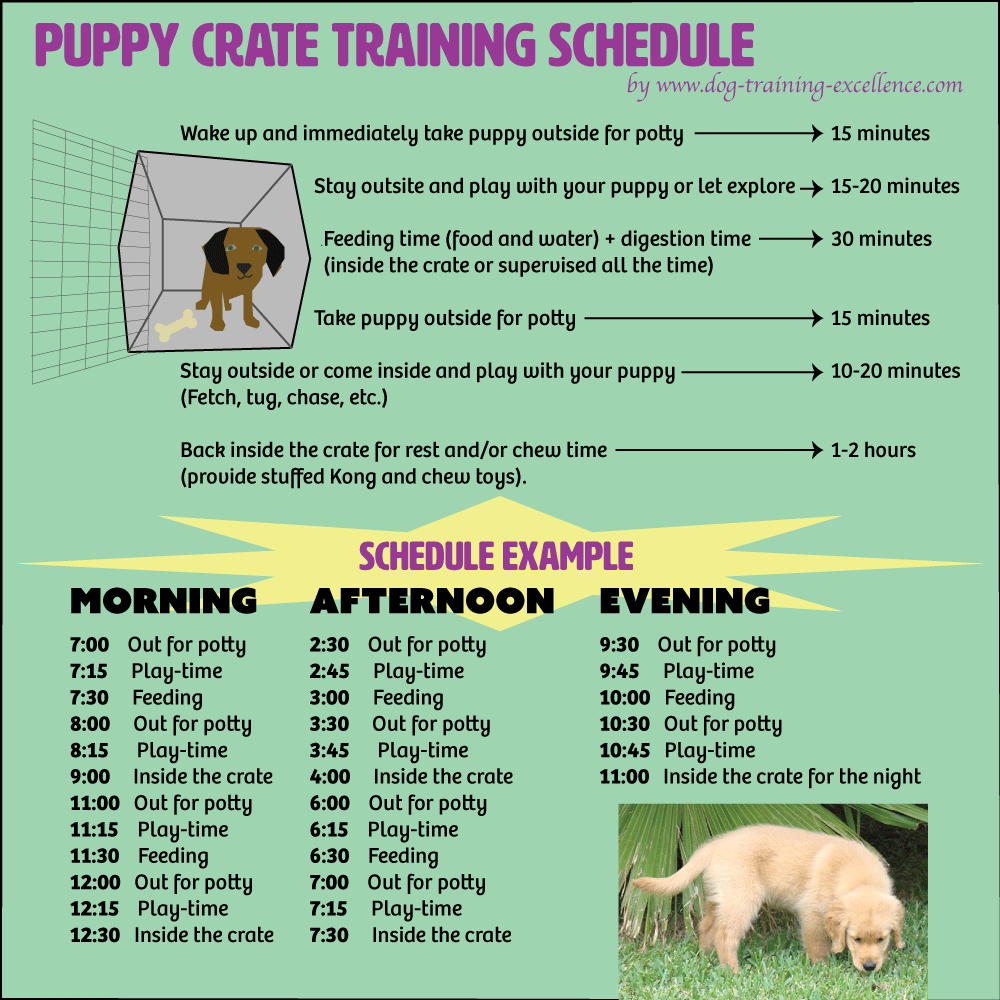
If your dog feels safe in a crate, a wellplaced crate can be a nighttime sanctuary. Heres how to make it work without adding anxiety:
- Choose a crate thats just big enough for your dog to turn around in.
- Line it with a soft blanket and a favorite toy.
- Leave a nightlight nearby so the space doesnt feel too dark.
- Never use the crate as punishment it should always be associated with calm and positive experiences.
For a deeper dive on crate training, check out How to crate train a puppy. A comfortable crate can silence the night but remember, its only part of the solution.
Calm Nighttime Routine
Evening Exercise and Mental Enrichment
A tired dog is a quiet dog. A brisk 30minute walk, a game of fetch, or a puzzle feeder before bedtime burns off excess energy and mental restlessness. The key is to finish the activity 3045 minutes before lights out, giving your pup time to wind down.
If you need ideas for structured exercise, our guide on Leash training for dogs step by step offers a solid routine that keeps both mind and muscles engaged.
PositiveReinforcement Settle Training
Teach your dog a settle cue a signal that its okay to lie down and relax. Heres a simple protocol:
- Guide your dog onto a mat or bed.
- Say settle in a soft voice while gently petting them.
- Reward any calm posture with a lowvalue treat.
- Gradually increase the waiting time before giving the treat.
Over nights, the cue becomes a gentle lullaby that tells your dog its safe to rest.
Environmental Adjustments
Small tweaks can make a massive difference:
| Adjustment | Benefit |
|---|---|
| Blackout curtains | Reduces visual stimuli from streetlights. |
| Baby gate or visual barrier | Stops dogs from seeing passing animals. |
| Pheromone diffuser | Calms anxiety with synthetic calming scents. |
| Consistent bedtime cue | Signals to the dog that sleep time is now. |
These peacemakers are inexpensive, but they help your dog feel secure and less likely to bark at passing shadows.
Health Check When Barking Means a Problem
Sometimes barking is a symptom of an underlying health issue. Keep an eye out for these red flags:
- Sudden increase in volume or frequency.
- Barking accompanied by whining, limping, or restlessness.
- Changes in appetite, weight, or energy levels.
- Signs of pain when touching certain body parts.
If any of these appear, a quick vet visit can rule out pain, thyroid disorders, or hearing loss that might be fueling the nighttime noise.
Handling Neighbor Barkers
DeEscalating the Situation
When a neighbors dog joins the night chorus, it can feel like youre stuck in a neverending concert. Heres a diplomatic approach:
- Knock politely and share observations Ive noticed both our dogs are barking after dark.
- Offer a friendly suggestion, such as a shared quiet command or adjusting feeding times.
- If needed, reference local noise ordinances (most cities have quiet hours after 10p.m.).
- Remain calm escalating emotions rarely quiet a dog.
Protecting Your Dog from Other Dogs Barking
Even if your dog isnt the one barking, hearing another dog can trigger a response. Teach a watch cue:
- When a neighbors dog barks, calmly say watch and reward your dog for not reacting.
- Practice this during daytime test runs with a friends barking playback.
- Gradually increase the volume and distance, reinforcing calm behavior each time.
Consistent practice helps your pup treat distant barks as background noise rather than a call to action.
Expert Insights Guide
Professional Tips from Certified Behaviorists
We consulted Dr. Emily Hart, DVM, Certified Applied Animal Behaviorist, who emphasized three core principles:
- Consistency is king: Dogs thrive on predictable patterns. Stick to the same bedtime routine for at least two weeks before expecting major changes.
- Positive reinforcement beats punishment: Reward quiet moments; never yell at a bark, as it can increase stress.
- Address the root, not just the symptom: Identify triggers (health, anxiety, environment) and treat them directly.
Recent Research Highlights
A 2023 study in the Journal of Veterinary Behavior found that dogs trained with a quiet cue reduced nighttime barking by 68% compared to dogs given no training. Another 2022 paper linked whitenoise exposure to a 30% drop in cortisol (stress hormone) levels in canines.
RealWorld Success Stories
Meet Bella, a twoyearold Jack Russell who used to howl every time a car passed the house. Her owners applied the quiet command, added a whitenoise fan, and created a 20minute evening walk routine. Within ten days Bellas nightly bark count fell from 15minute outbursts to occasional sighs a win for both Bella and her sleepy humans.
Quick Checklist Download
Below is a handy cheatsheet you can copy, paste, or print. It condenses the entire plan into bitesize actions you can reference before bedtime.
- Identify trigger (loneliness, health, external noise).
- Teach quiet cue practice 5minutes every night.
- Set up soothing background sound (music/whitenoise).
- Use a comfortable crate or safe space (no punishment).
- Give 30minute walk + puzzle toy before bedtime.
- Apply settle cue on the mat; reward calmness.
- Check health signs; schedule vet if needed.
- Adjust environment curtains, barrier, diffuser.
- Communicate calmly with neighbors if needed.
- Track progress in a simple journal for 2weeks.
Print this list, stick it on the fridge, and tick off each step as you go. Small, consistent actions add up to big, peaceful nights.
Conclusion
Nighttime barking isnt a mystery; its a message that something in your dogs world feels offbalance. By pairing quick fixes the quiet command, sound masking, and a safe crate with a calming evening routine and a bit of health checkup, you give your pup the reassurance it needs to settle down. Remember, consistency, kindness, and a dash of patience are your best tools.
Give the first three quick fixes a try tonight, download the checklist, and let us know how it goes. Have a story of your own or a lingering question? Drop a comment below were all ears (and not the barking kind!). Together we can turn those midnight yaps into sweet, silent dreams.
FAQs
Why does my dog bark only at night?
Nighttime noises are louder and dogs can feel isolated, triggering anxiety, territorial alerts, or a need to relieve themselves.
Can the “quiet” command really stop barking instantly?
Yes, when taught consistently it signals the dog to be silent and you reward the quiet moment, reinforcing the behavior quickly.
Is using a crate at night safe for my dog?
When the crate is a comfortable, positive space and not used as punishment, it can provide a secure den that reduces nighttime barking.
Do white‑noise machines actually help?
Studies show steady background sound masks sudden noises and can lower canine stress hormones, leading to fewer night barks.
When should I see a vet about my dog’s barking?
If barking is accompanied by pain, changes in appetite, limping, or sudden hearing loss, a veterinary check‑up is recommended.