


Yes you can teach any dog, puppy or adult, to walk on a loose leash in just a few weeks if you follow a simple, positive routine. Below youll get the exact stepbystep plan, the tools you need, and how to fix the most common pulling problems all written like a chat with a friend whos been there.
Ready to turn those tugofwar walks into relaxed strolls? Lets dive in, keep it real, and have a little fun along the way.
Why Leash Training
Leash training isnt just about obeying the law; its a chance to strengthen the bond with your fourlegged companion. A dog that walks beside you feels safe, confident, and less likely to get into trouble. On the flip side, a dog that constantly pulls can injure its neck, yours, or even cause accidents in traffic. Balancing the benefits with the risks helps you set realistic expectations and stay patient when progress stalls.
Preparing Your Dog
Before you grab the leash, make sure your pup is physically ready. A quick vet checkup to confirm vaccinations are up to date and joints are healthy is a good idea, especially for older dogs. If youre working with a puppy, remember that short attention spans mean youll need very brief, frequent sessions. For adult dogs who might already have bad habits, a little reset is often needed think of it as a fresh start.
Personal note: My own Labrador, Max, spent months pulling like a tiny freight train. The moment I switched to a frontclip harness and kept sessions under ten minutes, everything changed. Thats the kind of experience that turns theory into realworld success.
StepbyStep Plan
Step 1 Choose the Right Gear
Gear matters. A sturdy 4foot training leash gives you control without excess length to tangle. When it comes to collars, a frontclip harness or a martingale works best for dogs that pull. Below is a quick comparison:
| Gear | Price | Pros | Cons |
|---|---|---|---|
| Standard Collar | $5$10 | Simple, cheap | Can cause choking if dog pulls hard |
| FrontClip Harness | $20$35 | Redirects pulling, comfy | May need adjustment for growth |
| Martingale | $15$25 | Prevents escape, gentle | Less effective on strong pullers |
Step 2 Introduce the Collar/Harness Inside
Let your dog sniff the new equipment while youre sitting on the floor. Offer a highvalue treat (think small bits of chicken or cheese) every time they touch the harness with their nose. This treatfirst approach builds a positive association before you ever step outside.
Step 3 Teach the Heel Cue
Pick a short word heel, close, or even beside. Say the cue, tap your thigh, and immediately give a treat when your dogs chest is next to your leg. Consistency is key; use the same tone and hand signal each time so the cue becomes crystal clear.
Step 4 Practice Indoors Without Pulling
Turn your hallway into a training runway. Walk a few steps, then stop the moment the leash tightens. Say wait, wait for slack, then reward. This stopandgo method teaches the dog that pulling gets the walk to end, while a loose leash keeps it going.
Step 5 Add the Leash & Walk the House
Attach the leash and repeat the indoor drills, this time moving from room to room. Keep sessions brief five to ten minutes and end on a positive note with a favorite game or toy. The goal is loose leash walking, not a marathon.
Step 6 First Outdoor Walk
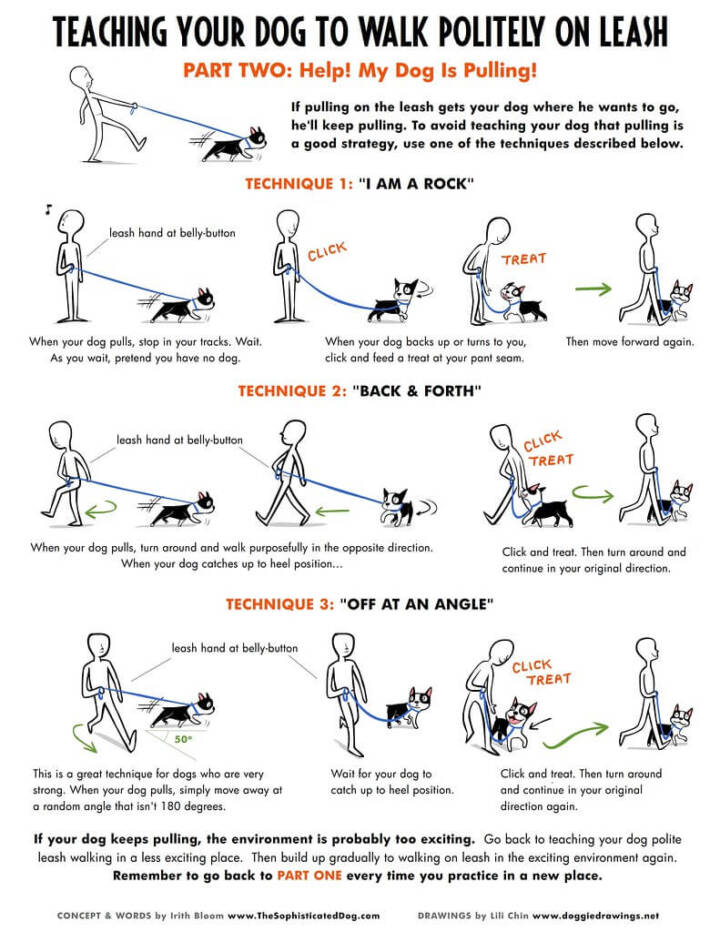
Start in a quiet backyard or a lowtraffic culdesac. Keep the leash short enough to guide but long enough to feel relaxed. If your dog pulls, gently turn in the opposite direction; this changedirection technique teaches them that pulling doesnt get them where they want to go.
Step 7 Build Up Distractions
Gradually introduce more stimulating environments: a park with other dogs, a bustling sidewalk, or a trail with scents. Use the heel cue and highvalue treats to keep focus. Remember, training is a marathon, not a sprint increase distance and difficulty a little each week.
Step 8 Reinforce Loose Leash for Life
Even after your dog masters the basics, occasional refresher walks keep the habit strong. Mix up your route, change the pace, and always celebrate when the leash stays slack. Consistency over time cements the behavior for the long haul.
Common Problems
Dog Pulls When You Turn
When you change direction, many dogs instinctively lunge forward. The fix? Immediately turn the opposite way and reward the dog for following you. This reversefollow trick teaches that staying near you, not pulling ahead, gets the reward.
Dog Veers to One Side
If your pup prefers the left side, use a treat on the right side whenever they walk beside you. The moment they step into the correct position, give a treat and praise. Consistent, sidespecific rewards balance out the bias.
Persistent Pulling Despite a Training Leash
Sometimes a frontclip harness isnt enough. A headcollar can give you more control, but it should be introduced gradually to avoid stress. If pulling continues, consider a professional trainer especially if the dog shows signs of anxiety or aggression.
Tools & Resources
Recommended Leashes & Harnesses (2025)
Ruffwear FrontClip Harness sturdy, breathable, excellent for strong pullers.
Flexi Short Training Leash 4ft length, easy to clip, perfect for beginners.
PetSafe Gentle Leader a humane headcollar option for stubborn pullers.
Treats & Rewards
Choose highvalue treats that your dog loves, like soft chicken bites or freezedried liver. Keep them small (about the size of a pea) so your dog can take many rewards without filling up. Store treats in an airtight container to keep them fresh.
Training Apps & Timers
There are several free apps that let you set daily training reminders and track progress. A simple timer on your phone can help you keep sessions to the ideal 510 minute window.
Printable LeashTraining Tracker
If you like paperwork, download a printable tracker (just search leash training tracker PDF). Fill in the date, duration, location, and any notes on progress its a great way to see how far youve come.
Professional Help
Sometimes a dogs pulling is a symptom of deeper issues like fear, excitement, or even a medical condition. Signs you might need a pro include constant aggression on the leash, refusal to walk even a few steps, or persistent pulling that leads to injury. Look for a trainer certified by the American Kennel Club (AKC) or holding a CPDT (Certified Professional Dog Trainer) credential. A single session can give you tailored cues and a personalized plan that cuts weeks off your training timeline.
Final Takeaways
Leash training for dogs step by step is all about consistency, patience, and a sprinkle of positive reinforcement. Start with the right gear, keep sessions short and fun, and celebrate every tiny victory. Remember, the goal isnt to dominate your dog but to create a partnership where both of you enjoy the walk.
Give the first indoor drill a try today maybe just a hallway walk with a treat in each hand. Then step outside, keep the leash slack, and watch how quickly your dog learns that staying close means more fun for both of you.
Wed love to hear how it goes! Share your stories, ask questions, or let us know which gear helped you the most. Happy walking!
FAQs
How long does it typically take to leash train a dog?
Most dogs can learn to walk on a loose leash in a few weeks if you keep training sessions short, consistent, and positive.
What type of harness works best for dogs that pull?
A front‑clip harness is ideal because it redirects pulling effort toward you, making it easier to guide the dog without choking.
My dog pulls every time I turn—how can I stop that?
Use the “reverse‑follow” trick: when they pull, turn in the opposite direction and reward them for following you. This teaches that pulling doesn’t get them where they want to go.
How long should each training session be?
Keep sessions to 5‑10 minutes and repeat them several times a day. Short, frequent practice beats one long, tiring walk.
When should I consider hiring a professional trainer?
Seek help if your dog shows aggression on the leash, refuses to walk at all, or continues to pull despite using proper gear and consistent training.


