Most dogs pull on the leash because theyre hardwired to chase scents, sights, and soundsnot because theyre being bad. In just a few focused minutes each day you can replace that tugofwar with a calm, sidebyside stroll.
This guide shows you a stepbystep, nofluff method to stop leash pulling in under five minutes, explains how long training usually takes, and offers tweaks for puppies, senior dogs, and even the most stubborn pullers. Lets dive in and make every walk a pleasure for both of you.
Why Dogs Pull
Instinctual drive behind leash pulling
When a dog spots a squirrel, a new smell, or an interesting passerby, its brain flips into explore mode. The leash becomes a barrier, and the dogs natural reaction is to yank forward to get closer. This forwardfocus bias is rooted in packleadership instinctsstill useful in the wild, but a nuisance on the sidewalk.
Benefits of a loose leash
A slack leash reduces tension on your dogs neck and spine, lowers the chance of an accident in traffic, and actually makes training faster because the dog learns that staying relaxed earns rewards.
| Aspect | Loose Leash | Tight Leash |
|---|---|---|
| Joint Stress | Low | High |
| Safety in Traffic | Better Control | Riskier |
| Training Time | Shorter | Longer |
Foundations for Training
Choosing the right gear
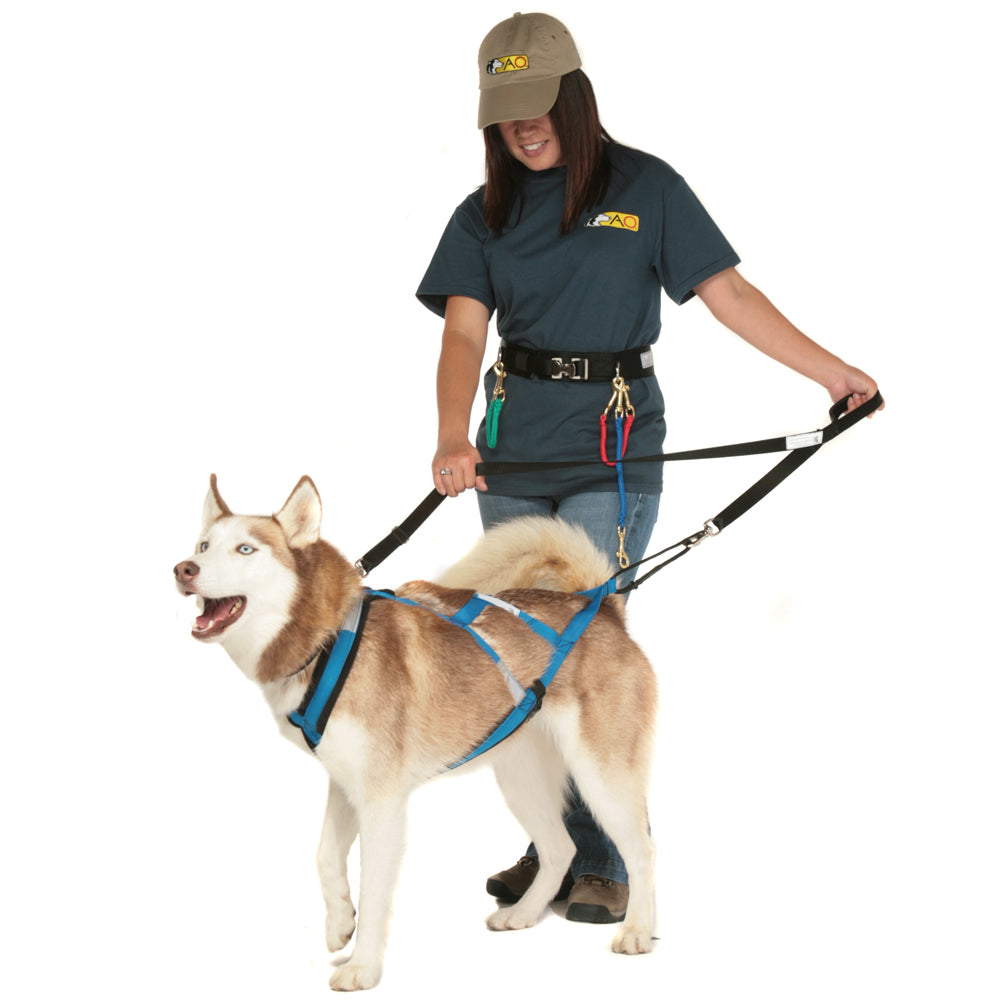
Start with a short (45ft) leash, a frontclip harness, and a lightweight, nonchoking collar. Frontclip harnesses give you gentle steering power without hurting the neck, and they work well with the leash training for dogs step by step method described later.
Gather highvalue treats
Think of tiny pieces of cooked chicken, cheese, or commercial soft treatssomething your dog cant resist. The tastier the reward, the quicker the learning.
Establish a focus cue
Pick a single word like watch me or a hand signal. Practice it at home: when your dog looks at you, say the cue and immediately give a treat. Consistency here is the secret sauce for the whole program.
Realworld anecdote
When I first helped a friend with her 2yearold Labrador, we used the watch me cue during kitchen prep time. Within a week the dog stopped lunging at the leash the moment they stepped outside. The simple cue turned a chaotic walk into a cooperative adventure.
Core Stop Reward Walk
Stepbystep 5minute protocol
- Stand still with a slack leash. Let your dog sniff and settle.
- Begin walking forward. If the dog pulls, stop immediately. No yelling, just freeze.
- Wait until the leash goes slack againyour dog will usually look back at you.
- When slack appears, say your focus cue, reward with a treat, and praise Good job!.
- Resume walking. Repeat the stopandreward cycle, gradually increasing the distance you walk before rewarding.
Why stopandreward works
This technique uses operant conditioning: pulling leads to an immediate loss of forward momentum (a mild negative punishment), while paying attention brings a tasty reward. Over time the dog learns that staying calm is far more rewarding than pulling.
How long does it really take?
Most puppies pick up the habit in 37days of consistent practice. Adult dogs often need 13weeks, especially if theyve been pulling for years. Patience and short, daily sessions are key.
| Dog Age | Typical Timeline | Tips |
|---|---|---|
| Puppy (816weeks) | 37days | Short sessions, 23min |
| Adult (15years) | 13weeks | Consistent cue, moderate treats |
| Senior (7+years) | 24weeks | Gentle pace, jointfriendly gear |
Adapting for Situations
Training an older dog
Senior dogs may have reduced stamina and slower learning curves. Keep sessions to five minutes, use softer treats, and reward calm posture more than speed. A decompression walk a slow, relaxed stroll with frequent pauses helps them rebuild confidence.
Handling an unruly puller
If your dog charges ahead at every distraction, incorporate quick leftright turns every few steps. The sudden change of direction breaks the forward drive and forces the dog to refocus on you.
Teaching the heel position
Place a treat inside the pocket of your harness on the side you want the dog to walk. When they step into that pocket, say your cue (e.g., heel) and reward. Practice for a few minutes each walk until the dog naturally falls into the side position.
Instant leash trick reset
The watchmepivot works like a magic reset. As soon as you feel a pull, turn around 180 and say watch me. The dog, curious about the sudden change, follows your direction. When theyre back beside you, give a treat. This trick is perfect for busy streets or sudden distractions.
Avoid Common Mistakes
Rewarding the wrong behavior
If you give a treat while the leash is tight, youre inadvertently saying pull = tasty. Always make sure the leash is slack before offering a reward.
Inconsistent cue usage
Switching between watch me, look, or no cue confuses the dog. Pick one word or signal and stick with it for the entire training period.
Relying solely on nopull harnesses
Harnesses can help guide a dog, but they dont replace training. A nopull harness used without the stopreward method often leads owners to think the problem is solved when its really just masked.
| Equipment | Pros | Cons |
|---|---|---|
| FrontClip Harness | Gentle steering, no choke | May need adjustment period |
| NoPull Harness | Reduces pulling force | Gives false sense of training |
Progress & Professional Help
Objective leashtension test
Use a simple springloaded tug meter (or a kitchen scale) to measure the force on the leash. Record the baseline before training and remeasure weekly. A steady decline indicates real progress.
When to call a certified trainer
If your dog shows aggression toward other dogs while on the leash, displays severe anxiety (trembling, barking nonstop), or regression persists after two weeks of consistent practice, a professional can provide specialized guidance. Look for trainers certified by IAABC or APDT.
Maintaining Loose Leash Walking
Daily refresh drills
Before each walk, spend five minutes doing a quick recall game: call your dogs name, have them sit, then reward. This short reset reinforces the focus cue and sets the tone for a relaxed walk.
Seasonal adjustments
In hot weather, walk early and keep treats cool; in winter, use a reflective harness and break the walk into shorter segments to avoid joint stiffness. The core method stays the sameyou just tweak the environment.
Walkday checklist
- Leash and harness checked for wear.
- Treat pouch filled with highvalue bites.
- Focus cue rehearsed for 30seconds.
- Positive mindsetevery step is a chance to bond.
Conclusion
Remember, the secret to walking without tugging is simple: stop, wait for slack, reward, and repeat. Pair that with the right gear, consistent cues, and a sprinkle of patience, and youll see a noticeable shift in just days. Try the fiveminute protocol on your next walk, track your leash tension, and share your success story with usmaybe even drop a comment using #LooseLeashWin. Want a printable tracker? Grab our free LeashPulling Tracker PDF and keep the progress visible. Happy strolling!
FAQs
Why does my dog pull on the leash?
Dogs are hard‑wired to chase scents, sounds and movement. Pulling is their instinctive way to get closer to what interests them.
How long does the stop‑and‑reward method take to work?
Most puppies show improvement in about 3–4 weeks of daily 5‑minute sessions; adult dogs may need 8–12 weeks.
What equipment should I start with?
Use a short 4‑6 ft leash, a front‑clip harness for gentle steering, and a lightweight non‑choking collar.
Can I use this method with an older or senior dog?
Yes—keep sessions short, use softer treats, and focus on calm posture rather than speed.
What if my dog still pulls after a few weeks?
Check for consistency in cues, ensure you’re rewarding only when the leash is slack, and consider a short professional consultation.