Got a wigglypaw bundle of joy and wondering how to socialize a puppy with humans? The good news is you dont need a PhD in dogbehavior to give your pup a confident, friendly start. In the next few minutes Ill walk you through the exact steps, the right timeline, and a handful of common pitfallsso you can feel good about every new hello your puppy experiences.
Why Human Socialization Matters
Socialization isnt just a fancy word trainers toss around; its the foundation of a welladjusted dog. When puppies learn that humans are safe, fun, and rewarding, they grow up less fearful, less aggressive, and far easier to train. Think of it as the puppys first schoolonly the teachers are you, your family, and anyone else who says whos a good boy?
Skipping this window can lead to the dreaded signs of poorly socialized dogtrembling, growling at strangers, or hiding behind the couch when guests arrive. Those habits are hard to erase later, so a little effort now pays off for years to come.
Critical Socialization Window
The golden period is roughly 3 to 14 weeks old. During these weeks, a puppys brain is especially receptive to new sights, sounds, and smells. After 14 weeks, fear responses start to lock in, making new experiences feel more like threats.
That doesnt mean you stop after 14 weeksjust that the first few months need a focused, gentle approach. Below is a weekbyweek guide that keeps things safe, especially if youre socializing puppies before they are fully vaccinated. Remember, a brief vet check before largescale exposure is always wise.
Puppy Socialization Checklist
| Age | Goal | Example Interaction |
|---|---|---|
| 35 weeks | Introduce textures | Let pup walk on carpet, tile, grass |
| 57 weeks | Human faces | Family members with different looks (glasses, beard) |
| 710 weeks | Gentle handling | Hold paws, brush teeth, clean ears |
| 1012 weeks | Short outings | 5minute walk in quiet park, greet a neighbor |
| 1214 weeks | Controlled crowds | Attend a Puppy socialization checklist class or friendly gathering |
| 14+ weeks | Reinforce & expand | Longer walks, new environments, more people |
Print this table and tick off each milestone. Youll feel a rush of confidence watching your puppy master each step.
Preparing Safe First Meetings
Before you invite anyone over, set the stage:
- Pick a calm spot. A livingroom carpet works better than a chaotic kitchen.
- Keep sessions short. Five minutes is enough for a first hello.
- Use highvalue treats. Something your pup loves but doesnt get all the time.
- Teach a SitStayLook. This gives you control and lets your puppy focus on you, not the new person.
When a new person arrives, ask them to:
- Approach slowly, avoiding direct eye contact.
- Offer a closed fist with a treat.
- Speak in a soft, soothing voice.
- Let the puppy sniff before petting.
This simple script reduces anxiety for both parties and builds a positive association.
Meeting Different Types of People
Humans come in all shapes, sizes, and accessories. Your puppy should learn that a stroller, a wheelchair, sunglasses, or a brightcolored hat are all harmless. Heres a quick people variety checklist:
- Kids (different ages)
- Elderly visitors (often slower movements)
- People with hats or headscarves
- People wearing coats, shoes, or masks
Invite a friend with a cane or a partner who uses a wheelchair for a brief, controlled visit. Let the puppy sniff the equipment first, then reward calm behavior. Over time, those odd items become just another part of the everyday world.
StepbyStep Howto Guide
Step 1 Create a Safe Zone
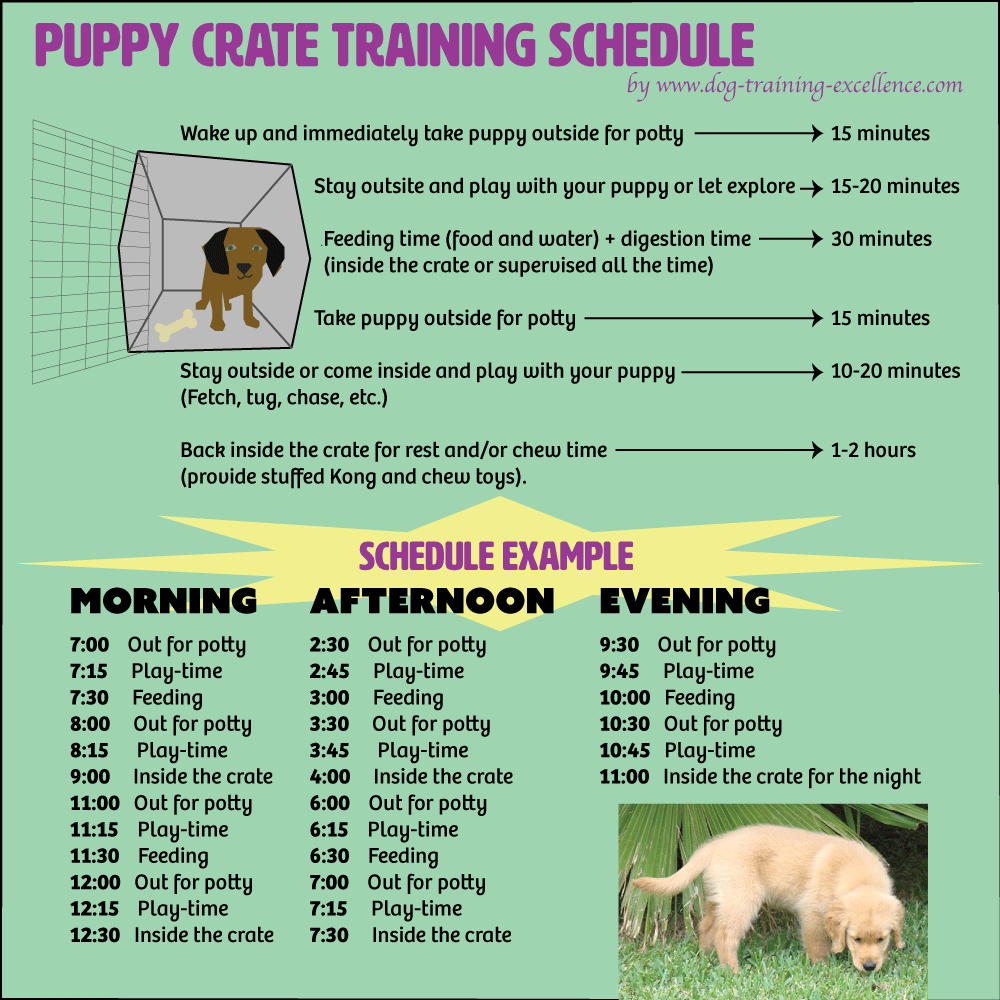
A crate or playpen works as a home base. Its where the puppy can retreat if things get overwhelming. Keep the crate door open during socialization sessions so the pup can go in and out freely.
Step 2 Introduce Textures & Surfaces
Walk your puppy over carpet, hardwood, tile, and even grass. Each new texture sends a tiny sensory message that the world is safe to explore. If a surface feels odd, praise a quick sniff and a gentle step.
Step 3 Controlled Human Introductions
Follow the script in the previous section. Remember to keep your own voice calm; puppies mirror our energy. A simple good job or clicker click followed by a treat seals the positive connection.
Step 4 Gradual Exposure to Crowds & Noise
Start with a quiet street corner, then a short stroll down a moderately busy road, and finally a bustling park. Each step should be no longer than the puppys attention span (usually 510 minutes). If the pup shows signs of stresscowering, liplicking, or yawningstep back and try again later.
Step 5 Positive Reinforcement & Troubleshooting
Reward calm behavior instantly. If the pup backs away, dont punishjust pause, give space, and try again when the pup seems ready. Consistency is key; a little bit each day beats a marathon session once a month.
Socializing With Other Dogs
While our focus is on human interaction, most owners also wonder how to socialize your puppy with other dogs. The rule of thumb: only let your pup meet fully vaccinated, friendly dogs in neutral territory (a park or a friends yard). Short, supervised playdates of 1015 minutes are perfect after youve covered the human basics.
Spotting Red Flags Early
Even with the best intentions, some puppies develop fear or aggression. Keep an eye out for:
- Persistent trembling or cowering around people.
- Growling or snapping at any new person, no matter how gentle.
- Excessive barking when strangers approach.
If you notice these signs, pause the socialization schedule and consult a certified trainer or veterinarian. Early professional help can redirect a budding issue before it becomes ingrained.
When to Seek Professional Help
Not every puppy needs a fullblown class, but a how to socialize a puppy properly workshop can give you a structured environment, expert feedback, and other owners to share experiences with. Look for:
- Certified trainers (AKCcertified, PRTcertified).
- Small class sizes (max 6 puppies).
- Clear vaccination policies.
When in doubt, a boardcertified veterinary behaviorist can assess deeper anxiety issues, especially if the puppy shows intense fear despite gentle exposure.
Balancing Benefits and Risks
Theres a sweet spot between overexposure and underexposure. Too many strangers at once can overwhelm a young pup, while too few can leave them timid. Aim for a gradual increase: a few brief greetings each day, slowly building to longer, busier situations.
Remember, every puppy is an individual. Some may love crowds; others prefer quiet corners. Trust your observations, adjust the plan, and celebrate every small winwhether its a wagging tail at a neighbors wave or a calm sit during a park stroll.
Putting It All Together
Heres a quick recap you can keep on your fridge:
- Start early. Begin at 3 weeks with textures, faces, and gentle handling.
- Keep it short. 510 minute sessions, multiple times a day.
- Reward instantly. Treats, praise, or a clicker the moment your puppy stays calm.
- Vary the people. Different ages, accessories, and movement speeds.
- Progress slowly. Move from quiet rooms to busy parks over weeks.
- Watch for stress cues. Pause and seek help if needed.
- Consider classes. Professional guidance can finetune your efforts.
With these steps, youll give your puppy a solid foundation for a lifetime of confidence and joy. And heyif youve already tried some of these tricks, drop a comment below. I love hearing about realworld success stories (and the funny mishaps!) because every tailwagging tale makes the journey richer for us all.
Take the Next Step Today
Ready to put the plan into action? Grab the printable version of the Puppy socialization checklist and set a reminder on your phone for daily hello practice. If youre feeling adventurous, sign up for a local puppy socialization class and meet fellow dog lovers who are on the same path.
Socializing a puppy with humans isnt a race; its a series of gentle, confident steps. By showing up, staying patient, and rewarding calm behavior, youre doing more than teaching mannersyoure building a lifelong bond based on trust and happiness. Happy socializing!
FAQs
When is the best age to start socializing a puppy with humans?
The optimal window is between 3 and 14 weeks old, when puppies are most receptive to new experiences.
How many people should my puppy meet each day?
Aim for short, positive greetings with 2‑4 different people daily, gradually increasing the variety and duration.
Can I socialize my puppy before all vaccinations are complete?
Yes—use low‑risk, clean environments and only invite healthy, vaccinated visitors; avoid high‑traffic dog areas until fully vaccinated.
What should I do if my puppy shows fear during a greeting?
Pause, give space, reward calm behavior, and try the interaction later at a slower pace; consider professional help if fear persists.
How long should each socialization session last?
Keep initial sessions to 5‑10 minutes per person, ending while the puppy is still relaxed and eager.