Short answer: if the nighttime woofwoof isnt a signal of pain, danger, or a real need, you can safely ignore itbut only after youve ruled out the obvious health and safety reasons. Ignoring a bark is a training tool, not a cruelty tactic.
What youll get here: a quick way to pinpoint why your pup is howling after dark, the pros and cons of tuning out, stepbystep tactics that actually work, and gentle alternatives for when ignore just isnt enough. Lets dive in, because you deserve some quiet (and a happy dog) tonight.
Why Dogs Bark at Night
Dogs are like nightshift radiossometimes they pick up signals we cant hear. Understanding the root cause is the first step before you decide whether to ignore the noise.
Common Triggers
- Need to eliminate: a full bladder cant wait for sunrise.
- Separation anxiety: the house feels empty when youre asleep.
- Hearing wildlife or distant traffic thats louder in the quiet.
- Agerelated changes: older dogs often hear things differently.
Why is My Dog Barking at Night All of a Sudden?
Sudden barking can mean a shift in routinemaybe a new pet moved in, or youve started a later bedtime. It can also signal an underlying health issue like pain, vision loss, or a urinary infection. A quick vet checkup is worth it if the bark is brand new.
Why Is My Old Dog Barking at Night All of a Sudden?
Senior pups deal with arthritis, cognitive decline, or hearing loss that make them more reactive at night. You might notice them pacing, whining, or looking confused. In these cases, a gentle check for pain and a cozy, accessible sleeping area can make a world of difference.
Checklist Before You Hit the Ignore Button
- Make sure the dog has gone outside to relieve itself.
- Check for signs of pain: limping, whining when touched.
- Look for environmental triggers: bright streetlights, loud neighbors.
- Schedule a vet visit if the bark is new or accompanied by other symptoms.
RealWorld Example
Susan, a longtime Labrador owner, noticed her 12yearold Buddy start howling every night after his cataract surgery. A quick vet visit revealed a mild ear infection, and a short course of medication silenced the nightly chorus. The lesson? A health check can save you weeks of sleeplessness.
Psychology of Ignoring
When you ignore a bark, youre essentially telling your dog that the noise wont get any attentiongood old nonreinforcement. Lets break down why this works and when it can backfire.
How Ignoring Shapes Behavior
The brain loves patterns. If barking always brings you to the kitchen, the pup learns bark = reward. When the reward disappears, the behavior fadesprovided the need isnt genuine.
ScienceBacked Evidence
Behaviorists from the International Association of Canine Professionals explain that consistent nonreinforcement can reduce unwanted barking by up to 70% within a few weeks. The key is consistency; mixed signals keep the dog guessing.
Risks of Ignoring
- Missing a real distress signal (pain, fear, need to eliminate).
- Increasing anxiety if the dog feels abandoned.
- Potential escalation to more aggressive vocalizations.
When Ignoring Isnt Safe
If your dog shows signs of discomfort, whines when you approach, or seems agitated even after a bathroom break, its time to intervene. Ignoring is a tool, not a blanket solution.
Personal Anecdote
I tried ignoring my JackRussell for a week because the nightly yaps were driving my partner crazy. The first two nights were roughmy heart raced every time I heard a bark. By day three, the dog realized my silence meant no treat, and by day five the nighttime chatter dropped dramatically. It worked, but only after I made sure the pup was comfortable, fed, and had a solid routine.
Safe Ignoring & Complementary Strategies
Now that you know when its okay to ignore, lets walk through a practical plan that pairs silence with soothing support.
Safety First: VetCheck Checklist
Before you adopt a ignore strategy, verify that:
- Theres no medical issue (urinary infection, arthritis, ear problems).
- The dogs basic needs (food, water, bathroom) are met.
- The sleeping environment is safe (no loose cords or hazards).
Set Up a Quiet Zone
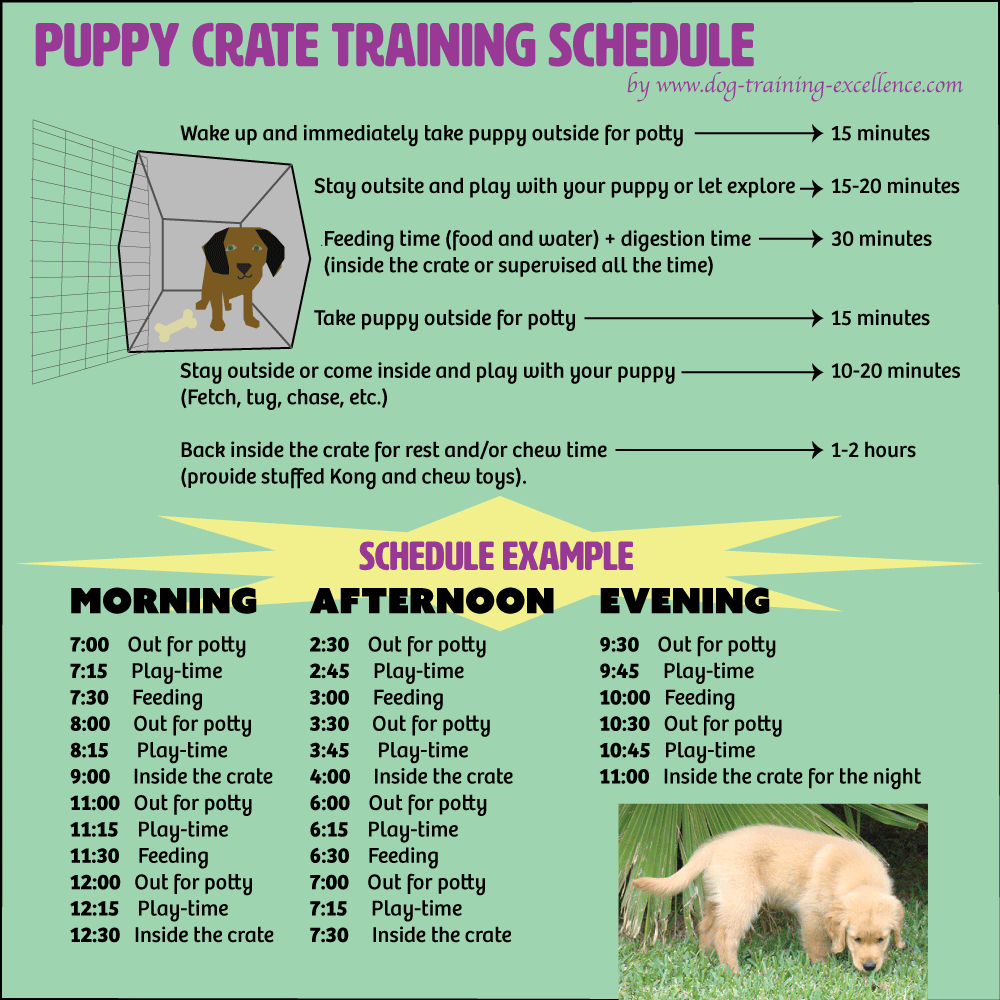
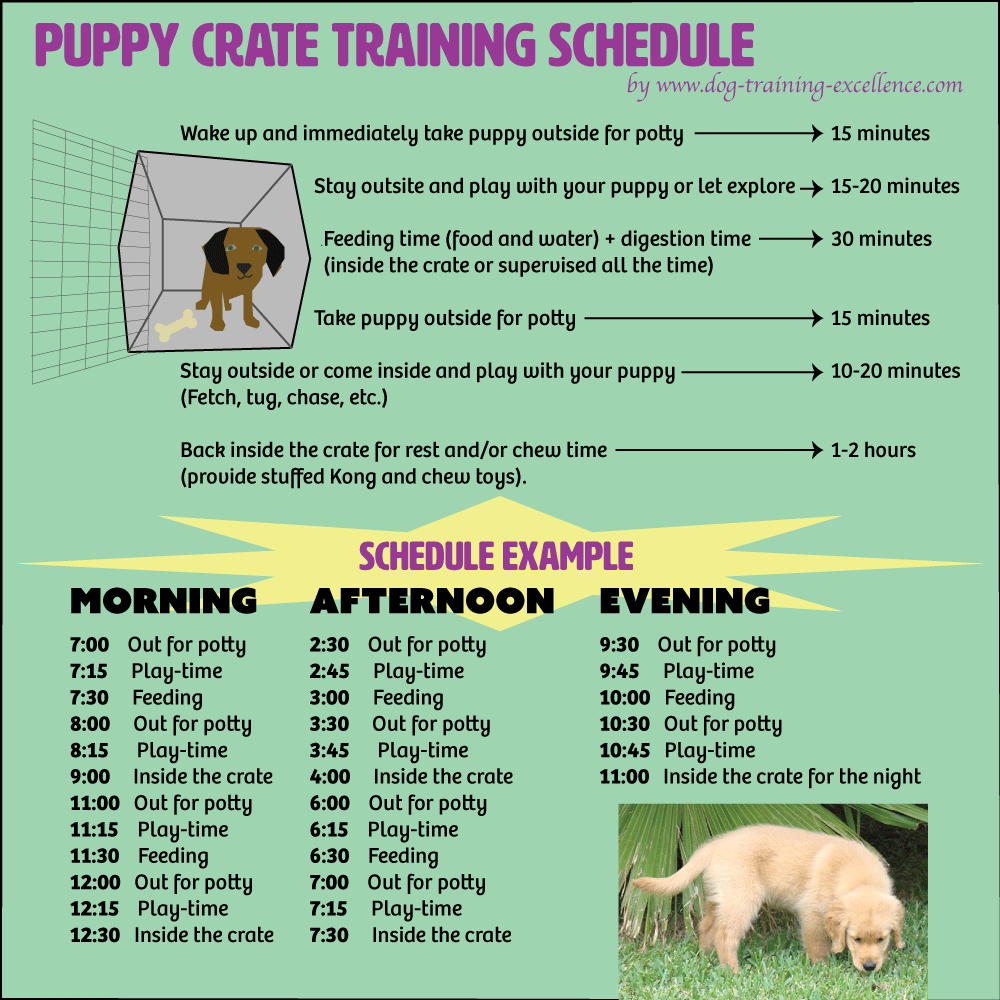
Crate training can be a lifesaverjust make sure the crate is comfy, not punitive. Add a blanket, a favorite toy, and maybe a lowlevel whitenoise machine to drown out outside sounds.
Evening Routine That Burns Off Energy
A long walk or a spirited game of fetch an hour before bedtime helps expend excess energy. Even a short 10minute tugofwar can leave your dog ready to snuggle rather than shout.
Calming Aids and Tools
- Chew toys or puzzle feeders to keep the mind occupied.
- Natural calming treats (containing Ltheanine or chamomile).
- Aromatherapy diffusers with lavenderjust ensure the scent is petsafe.
How to Ignore Correctly
- When the bark starts, avoid eye contact.
- Dont speak, dont gesture, and dont move toward the dog.
- Maintain the silence for at least 30 seconds; if the bark continues, repeat the process.
- Reward quiet behavior with praise or a treat only after the barking stops.
When to Step In
If you notice any of the following, stop ignoring immediately:
- Puppy whines with a desperate tone.
- Dog scratches the door or attempts to escape the crate.
- There are signs of pain when you touch certain areas.
- The barking is accompanied by growling or aggressive postures.
Progress Tracking Template
| Date | Time | Bark Count | Possible Trigger |
|---|---|---|---|
| 20250907 | 10pm | 3 | Fire alarm test |
| 20250908 | 10pm | 0 | Normal |
Seeing the numbers drop over days gives you concrete proof that your effort is paying off.
When Ignoring Isnt Enough
Sometimes the ignore method merely scratches the surface. Here are solid alternatives that keep you and your dog happy.
How to Calm a Barking Dog at Night
Teach the Quiet command: when the dog barks, say Quiet in a calm voice, wait for a pause, then reward. Consistency is keypractice during the day so the command carries over after dark.
How to Stop a Neighbours Dog Barking at Night
Approach the neighbour with empathy. Explain the issue, suggest a joint walk at the same time, or recommend a professional trainer. If the problem persists, check local noise ordinancesmost cities have quiethours rules that can be referenced politely.
Dog Barking at Night Noise Complaint
If the barking affects multiple households, document the dates, times, and duration. A polite letter to the neighbour, followed by a community mediation session, often resolves the issue without legal action.
Professional Help
When the bark becomes a chronic problem, a certified canine behaviorist can identify deeper triggerslike fear aggression or separation anxietythat require tailored interventions.
Product RoundUp
- Whitenoise machines (e.g., Marpac) for a soothing background hum.
- Antibark collars that emit a gentle vibrationnever shock.
- Calming chews with natural ingredients (look for VetApproved brands).
For a deeper dive into practical solutions, check out our guide on how to stop dog barking at night. It walks you through training drills, environment tweaks, and even how to communicate with noisy neighbours.
Spiritual & Mythical Angles (Optional)
Some cultures interpret a dogs nighttime howl as a guardian spirit warning of danger, or a sign of upcoming change. While these stories add a poetic layer, its vital to separate myth from behavior science. Your dogs bark is a languagelisten for the practical meaning first, then if youre curious, explore the folklore.
Putting It All Together
Heres a quick recap you can keep on your nightstand:
- Assess health & safety first. Rule out medical issues and bathroom needs.
- Identify the trigger. Use the checklist and tracking table.
- Decide if ignoring is appropriate. If the need isnt genuine, consistent nonreinforcement works.
- Implement calming routines. Evening walks, white noise, crate comfort.
- Use the Quiet command. Pair silence with praise when the dog stops.
- Seek help when needed. Professional trainers, neighbours, or legal avenues for persistent problems.
Remember, ignoring isnt about punishmentit's about teaching your dog that quiet nights are a winwin. If you blend patience with a solid routine, youll both enjoy the sweet sound of silence.
Got a story about a midnight bark that drove you crazyor a victory youre proud of? Share it in the comments! And if youre looking for a rapid fix, our article on How to stop dog barking in seconds offers quick, actionable tips you can try tonight.
Sleep well, and give your furry friend a big, calm hug tomorrow morning. Youve got this!
FAQs
When is it safe to ignore my dog’s nighttime barking?
If you’ve confirmed the dog has emptied its bladder, shows no signs of pain or distress, and there are no environmental triggers, you can safely use non‑reinforcement (ignoring) as a training tool.
What health issues can cause sudden night barking?
Urgent medical reasons include urinary tract infections, arthritis, ear infections, vision loss, or cognitive decline. A vet check is advisable when the barking is new or escalates.
How does “ignoring” stop a dog from barking?
Ignoring removes the reward (your attention) that the dog expects. Consistent non‑reinforcement teaches the dog that barking does not get a response, so the behavior diminishes over time.
What should I do if my dog continues to bark despite ignoring?
Stop ignoring and assess for underlying needs. Provide a bathroom break, check for pain, add calming aids, or use a “Quiet” command. If the bark persists, consider professional behavior help.
Can I combine ignoring with other training methods?
Yes. Pair ignoring with a solid evening routine, crate comfort, puzzle toys, and positive reinforcement for quiet periods. This balanced approach encourages calm behavior while meeting the dog’s needs.