Quick Answers Guide
Ever wonder why your pup sounds the alarm at every passerby, rustling leaf, or distant car? The short answer: its usually a mix of instinct, anxiety, and sometimes plain boredom. You can hush the endless chorus right away with a simple quiet cue, but lasting peace needs a bit of desensitization work.
Can you really stop the barking in seconds? Yesif you pair a clear command with a highvalue treat and redirect the dogs focus the moment the trigger appears. Thats the How to stop dog barking in seconds trick most trainers swear by. For deeper, longterm calm, youll want to understand the why before you train the how.
Common Root Causes
Territorial Barking
Territorial dogs treat the front yard like a castle wall. Anyone or anything that walks pastmail carriers, neighbors, the neighbors catcan set off an alarm. This is the classic my dog barks at everything outside scenario.
FearBased or AnxietyDriven Barking
When a dog feels unsure about a stimulus, bark becomes a defense mechanism. The sound of a distant siren or a onceinawhile passerby can trigger an anxious response that looks like a permanent habit.
Boredom & Lack of Mental Stimulation
A tired mind is a noisy mind. If your dog isnt getting enough exercise or puzzle play, even a leaf drifting by can feel like the most exciting thing in the worldhence the constant barking at everything that passes by.
Medical & Cognitive Factors
Sometimes a sudden increase in barking can signal pain, hearing loss, or agerelated cognitive decline. A quick checkup with your vet can rule out health issues before you dive deep into behavior training.
Instant Relief Tips
The Quiet Cue (Proactive Command)
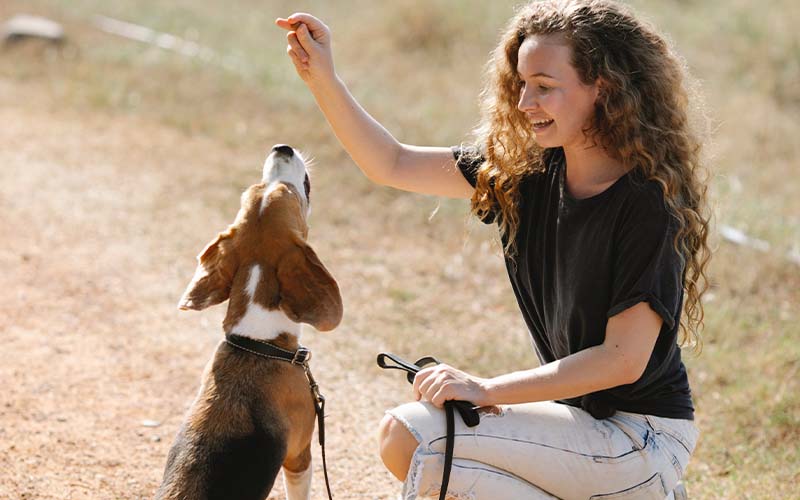
Teaching a reliable quiet cue is the fastest way to halt a bark before it spirals. Heres a quick rundown:
- Choose a short, distinct wordlike quiet or enough.
- When your dog barks, say the cue calmly.
- Immediately reward the pause with a tasty treat.
- Practice in short bursts, gradually increasing the duration before the treat.
- Fade the treat over time, keeping the cue reliable.
Consistency is king. The moment you skip a session, the dog may forget the command, so stay patient and keep the tone upbeat.
Distraction Chain: Sound, Toy, or Scent
Pair the quiet cue with a highvalue distraction. A squeaky toy, a favorite ball, or a dab of lavender on a bandana can shift focus the instant a passer appears. The key is to make the distraction more appealing than the bark.
Managing the Environment
Block visual triggers you cant control. Frosted windows, a solid fence panel, or a simple blanket draped over a low fence can stop your dog from seeing pedestrians and reduce the urge to bark.
LongTerm Desensitization Plan
Build a CalmZone (Quiet Zone)
Designate a cozy spot where your dog can retreat when the world feels too loud. A soft crate, a comfy mat, or a dedicated corner with a whitenoise machine works wonders.
| Item | Purpose | Approx. Cost |
|---|---|---|
| Elevated crate | Safe retreat | $30 |
| Sound machine | Drown out triggers | $20 |
| Lavender diffuser | Reduce anxiety | $15 |
Systematic Exposure Ladder
Gradual exposure helps the brain rewire its response. Follow this stepbystep ladder:
- 0m far distance: Observe a passer from inside, reward calm.
- 5m visual cue only: Open the curtain, watch the person, reward ignoring.
- 2m auditory cue: Play a recorded bark sound, use the quiet cue, reward silence.
- 1m combined sight+sound: Full exposure, give the cue, then a treat when the dog stays quiet.
Repeat each step until your dog stays relaxed before moving to the next level. Patience pays offsome dogs need weeks at a single rung.
Incorporate Exercise & Mental Play
Before any training session, give your pup a brisk 15minute walk or a game of fetch. A tired dog is less likely to view a passing jogger as a threat and more likely to focus on treats.
Tracking Progress
Keep a simple spreadsheet: date, trigger, response, success rate. Seeing improvement on paper keeps you motivated and helps spot patterns you might miss otherwise.
Special Situations Guide
Nighttime Barking
Many owners report, my dog barks at everything that passes by at night. Darkness amplifies sounds, and a dogs senses become hyperalert. Heres what you can do:
- Finish the day with a short walk to expend lingering energy.
- Dim the lights and turn on a gentle whitenoise track.
- Use the quiet cue and reward quiet moments.
- Consider the how to stop dog barking at night guide for a stepbystep night routine.
Barking at Strangers on Walks
When youre out, a sudden how to stop my dog from barking at strangers on walks moment can feel embarrassing. Keep a short leash, stay a few steps ahead of the trigger, and use the quiet cue before the dog even lifts its head. Reward calm walking with a treat in your pocket.
Ive Tried Everything
If youre muttering, Ive tried everything and my dog wont stop barking, it might be time for professional help. A certified behaviorist can spot hidden anxiety triggers and tailor a plan just for you.
Reddit RealWorld Stories
Scrolling through r/dogs, youll see dozens of owners sharing the same frustrationmy dog barks at everything that passes by reddit threads are full of relatable tales. One user, BellaLover, wrote that a simple quiet cue combined with a daily puzzle feeder cut her bulldogs barking by 70% in a month. Stories like these remind us that consistency and a little creativity can move mountains.
Frequently Asked Keywords Integrated
Wondering about specific scenarios? Heres a quick cheat sheet:
- my dog barks at everything that passes by at night see Nighttime Barking tips above.
- how to stop territorial barking focus on the exposure ladder and calmzone.
- why does my dog bark at everything outside read the Root Causes section.
- my dog barks at everyone walking past same as territorial, use visual barriers.
Helpful Bonus Resources
Printable Quiet Cue Card
Grab a handy PDF (QR code on the full blog) you can clip onto your fridge. It lists the cue word, tone, and reward timingperfect for quick reference during a busy day.
Recommended Apps
Digital tools can track progress and remind you to practice. Apps like Bark Tracker and Calm Dog let you log each barking episode, set goals, and even generate weekly reports. Try them out and see which fits your routine.
Video Demonstrations
Watch a short clip from a certified trainer showing the quiet cue in action. Seeing the body language helps you mirror the technique at home.
Extra Reading
If youre still curious about nighttime issues, check out these related posts:
- How to stop dog barking at night in crate
- Should i ignore my dog barking at night
- How to stop dog barking at night reddit
- How to stop a neighbours dog barking at night
Conclusion
To turn the chorus of barkeverything into calm, focus on three pillars: understand the root cause, apply a reliable quiet cue for instant relief, and follow a steady desensitization ladder for longterm peace. Pair these steps with regular exercise, a cozy calmzone, and a dash of patience, and youll see the volume drop dramatically. Have you tried any of these tricks? Share your story in the comments, grab the printable cue card, and lets keep the conversation goingyour dog (and your ears) will thank you!
FAQs
How can I stop my dog from barking at every passerby instantly?
Teach a clear “quiet” cue: when the dog barks, say the cue word calmly, wait for a pause, then reward with a high‑value treat. Practice in short sessions and gradually increase the wait time.
Why does my dog bark at everything that passes by at night?
Nighttime amplifies sounds and visual cues, making dogs more alert. Reduce stimulation with white‑noise, blackout curtains, and a pre‑bedtime walk, then use the quiet cue to reinforce calm.
What is the best quiet cue command for barking dogs?
Choose a short, distinct word like “quiet,” “enough,” or “hush.” Consistency is key – use the same word every time, pair it with a calm tone, and always follow with a treat when the dog stops barking.
How do I create a desensitization ladder for my barking dog?
Start at a distance where the trigger (person, car, leaf) doesn’t cause barking. Reward calm behavior, then slowly decrease the distance in steps (e.g., 10 m → 5 m → 2 m → 1 m), always reinforcing silence before moving closer.
When should I consult a professional for my dog's barking?
If barking continues despite consistent training, escalates in intensity, or is accompanied by signs of pain, hearing loss, or severe anxiety, a certified behaviorist or vet should evaluate the underlying cause.