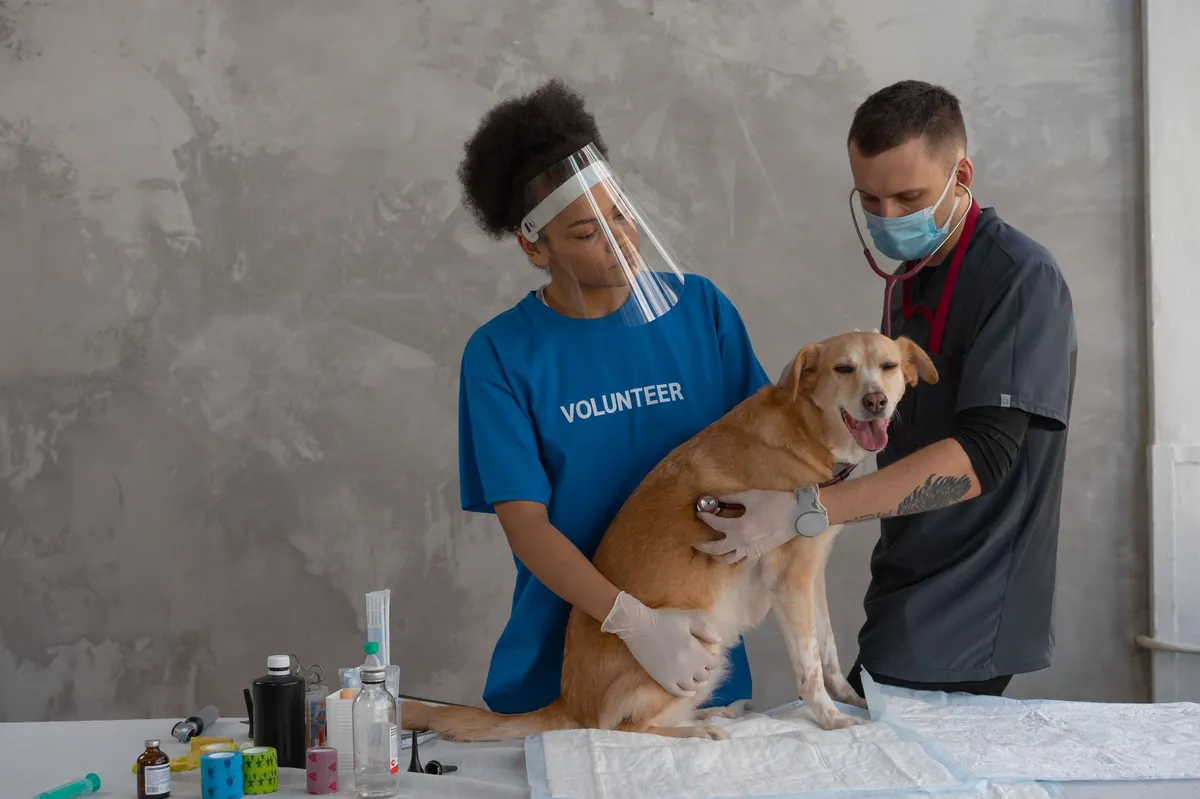
Finding a low cost vet near me can make a huge difference for pet owners trying to balance quality health care and budget constraints. Veterinary bills often add up quickly, especially when pets need vaccinations, spaying, or urgent care. Thankfully, affordable options exist that help keep your furry friends healthy without sacrificing quality. This article guides you through locating and assessing low-cost clinics, explains services tailored to dogs and cats, and offers practical tips for emergency situations. Lets make sure your pet gets the care they deservewithout breaking the bank.
Why low-cost vet near me matters
What services are typically offered at low-cost clinics?
Low-cost veterinary clinics generally focus on preventive and basic care. These services often include routine exams, vaccinations, parasite control, spay and neuter surgeries, and simple diagnostic tests like blood work. They may also offer dental cleanings and microchipping at discounted rates. These clinics provide an accessible entry point for pet owners who cannot afford full-price veterinary care but need to maintain essential pet health.
Who benefits most from affordable veterinary care?
Affordable vet care supports a range of pet owners. Families living on a tight budget, senior citizens with limited income, animal rescue groups, and first-time pet owners can all gain peace of mind through low-cost options. Affordable veterinary services help prevent minor health issues from turning into costly emergencies, ensuring widespread access to timely care.
How does low-cost care impact pet health outcomes?
According to recent AVMA findings, communities with accessible low-cost veterinary services see increased rates of preventive care. Pets receiving regular vaccinations and spaying/neutering at reduced costs experience fewer diseases and population-related problems. Early detection through affordable exams contributes to longer, healthier lives for pets.
Finding a low-cost vet near you
Which online tools locate low cost vet near me quickly?
One effective resource to find budget-friendly veterinary clinics is Pet Help Finder. This free tool lets you enter your zip code or city, then filters results by services such as vaccinations, spay/neuter, or emergency care. You can narrow down options within your local area, making it easier to plan visits without overspending.

How to use Google Maps & local directories effectively?
Searching low cost vet near me on Google or Google Maps often produces relevant clinics nearby. Try variations such as free vet clinics near me, low cost vet for dogs, or low cost vet for cats to discover specialized services. Local directories or community bulletin boards (online and offline) can list nonprofits or government-sponsored programs offering vouchers or subsidized care.
What state-wide resources exist?
Many states provide comprehensive listings of affordable veterinary services. For example, Pima County in Arizona offers subsidized care programs, while Peoria County in Illinois runs community spay/neuter clinics. Some statewide 211 help lines maintain databases of free or low-cost clinics alongside animal shelters and rescue organizations. Connecting with local humane societies, like Columbus Humane, can also guide you to trustworthy providers.
Low-cost vet options for dogs
Where to find low cost vet near me for dogs in major metros?
Cities often host multiple low-cost veterinary clinics specializing in dog care. For instance, in San Antonio, the Low Cost Vet San Antonio clinic provides spaying, vaccinations, and parasite control for under $50. Many urban centers have similar facilities offering sliding scale fees or monthly wellness plans designed with dogs health needs in mind.
What specific dog services are most affordable?
Vaccination packages including rabies, distemper, and parvovirus shots are often grouped to save money. Parasite prevention such as flea and tick control, and heartworm testing, are usually offered at discounted prices. Dental cleanings, critical for maintaining a healthy smile, may have special pricing days or require low deposits upfront.

Real-world case study Mias rescue dog gets spayed for $30
Mia adopted a shelter dog and was worried about the costs of spaying. She found a local low-cost clinic that charged just $30 for the surgery, including pre-op exams and pain management. This affordable care helped Mia provide a safe, healthy future for her new companion without financial stress.
Low-cost vet options for cats
Locating low cost vet near me for cats tips & tricks
Cat owners can often find the best deals by filtering clinics for cat wellness or feline services either online or by phone. Calling ahead is essential to confirm availability and pricing. Some shelters or rescue groups host periodic free or discounted clinics especially for cats, making it easier to stay on top of preventive care.
Typical cat-focused low-cost services
Basic services for cats at low-cost clinics usually include FIV/FeLV testing, vaccination bundles (feline leukemia, rabies), flea and tick preventatives, microchipping, and spay/neuter surgeries. These clinics may run specials on behavioral consultations and nutrition advice tailored to feline needs.

Personal story How a free clinic saved Lunas life
Luna, a stray cat, was brought to a free community clinic by a rescuer. After a thorough exam and timely treatment for an ear infection, Lunas health rapidly improved. Thanks to the free care, Luna was adopted and now enjoys a loving home, showing how accessible clinics can change lives.
Emergency vet care for free
What qualifies as emergency vet care for free near me?
While free emergency care is rare, some nonprofit shelters, veterinary teaching hospitals, and disaster relief programs offer urgent treatment at no charge or on a sliding scale. These may cover serious injuries, poisoning cases, or sudden illness. Identifying these resources in your area in advance can be a lifesaver.
How to prepare for emergencies on a budget?
Building a dedicated pet health fund can help cushion unexpected costs. Look for low-cost clinic vouchers or care credit programs before emergencies happen. Familiarize yourself with local 24-hour veterinary hotlines and animal poison control contacts to act quickly and reduce costly delays.
Trusted sources for emergency assistance
The Humane World for Animals emphasizes the value of local animal control facilities, which sometimes offer emergency aid. National organizations like the ASPCA maintain crisis funds that pet owners can apply to during extreme situations. Always ask your regular vet about payment plans and emergency protocols to avoid surprises.
Evaluating quality & trustworthiness
What credentials should you verify?
Ensure your chosen clinic employs veterinarians licensed in your state. Accreditation from veterinary organizations or associations indicates higher care standards. Partnerships with veterinary schools often mean the clinic stays current with medical advances and offers comprehensive care under supervision.
How to read reviews without bias?
Look for consistent praise related to hygiene, staff compassion, wait times, and follow-up care. Be cautious of unusually negative or overly glowing testimonials that seem generic. Consider multiple platforms for a balanced viewword-of-mouth from fellow pet owners is invaluable.
Red flags when to avoid a too-good-to-be-true clinic
Watch out for clinics with unclear or secretive pricing, no post-treatment follow-up options, or visibly poorly maintained facilities. Clinics that pressure you into treatments or cannot produce veterinary licenses should be avoided for your pets safety.
Maximizing value & minimizing risks
How to combine low-cost services with regular care?
Use a full-service vet for annual comprehensive checkups and rely on low-cost clinics for vaccinations and elective surgeries like spaying. This hybrid approach balances affordability with thorough care. Make sure to keep copies of your pets health records accessible regardless of where you seek care.
| Species/Breed | Recommended Amount | Frequency | Life Stage | Watch-Out Signs |
|---|---|---|---|---|
| Dog (all breeds) | Annual exam, vaccinations per schedule | Yearly exam; vaccinations as recommended | Puppy to senior | Lethargy, coughing, skin irritations |
| Cat (all breeds) | Vaccinations, parasite control | Annual checkup; biannual for seniors | Kitten to older adult | Weight loss, changes in appetite, grooming changes |
Preventive health tips that reduce vet visits
Providing your pet with a balanced diet, maintaining regular exercise, and grooming helps keep their immune system strong. Dental hygiene, such as brushing your dogs or cats teeth 34 times a week, prevents serious oral diseases that often require costly treatment.
Sample budget planner
Set aside about $30$50 monthly per pet for preventive care, vaccinations, and minor treatments. Spread out planned spaying/neutering and dental cleanings to smooth out expenses. Track all vet visits and receipts to manage your budget effectively.

How long does it take to see results with low-cost vet care?
Pets often show health improvements within days after proper diagnosis and treatment at low-cost clinics. Preventive services like vaccinations or spaying contribute to long-term well-being over months and years. Consistent care is key to maintaining lasting health benefits.
Do low-cost vets use the same equipment as regular vets?
Many low-cost clinics utilize standard veterinary equipment and operate under licensed supervision. However, some may have limited diagnostic tools compared to full-service hospitals. Always ask about equipment and treatment capabilities to set clear expectations.
Can I get prescription meds from a low-cost clinic?
Yes, most low-cost vets can prescribe medications including antibiotics, anti-parasitics, and pain relief. Some clinics also dispense basic pet supplies and medications directly. Confirm ahead about availability to avoid multiple trips.
How often can I bring my pet to a free clinic?
Frequency varies by clinic, but generally free or low-cost clinics recommend annual or semi-annual visits to maintain routine care. Emergency or urgent visits may be possible based on capacity and eligibility.
Are low-cost vets covered by pet insurance?
Some pet insurance plans reimburse visits to low-cost clinics, but it depends on policy specifics. Check your coverage details and keep detailed invoices to submit claims accurately.
Resources & tools
Printable checklist What to ask before you book a low-cost vet appointment
- What services are included in the fee?
- Is the veterinarian licensed and experienced?
- What is the clinics infection control and sanitation protocol?
- Are follow-up visits or emergency care included or extra?
- Do you offer payment plans or sliding scale fees?
Links to state-wide low-cost clinic directories
Many states publish PDFs or web pages listing approved low-cost veterinary services, including contact info. Check your local county health resources regularly for updated versions.
Contact list of top 5 national free-vet networks
- Humane World for Animals
- ASPCA Low-Cost Clinics
- Local Humane Societies
- Veterinary Teaching Hospitals
- Community Animal Shelters with veterinary programs
For cat owners seeking specialized care, refer to guides on cheap vets for cats near me. Those interested in senior feline health may find helpful insights on When to euthanize a cat with ibd. Dog owners curious about specific breed health concerns might explore What do border collies usually die from.
Conclusion
Finding a low cost vet near me is simpler than it might seem, with plenty of online tools and local resources available. Prioritizing affordable preventive care and verifying clinic credentials means your pet can stay healthy on any budget. Use the checklists and tips above to confidently care for your dog or cat. Your pets well-being is always worth the effort, and affordable care can be right around the corner.
FAQs
How long does it take to see results with Low cost vet near me?
Pets often show noticeable health improvements within days after proper diagnosis and treatment at low-cost clinics. Preventive services like vaccinations and spaying contribute to long-term well-being over months and years. Consistent and timely care is key to maintaining lasting health benefits for your pet.
How often should I take my pet to a low-cost vet clinic?
It's generally recommended to visit low-cost clinics annually for routine exams and vaccinations. Some pets, especially seniors or those with health issues, may benefit from semi-annual visits. Emergency care visits can happen as needed based on your pet’s condition and clinic availability.
What signs indicate I should seek immediate vet care for my pet?
Signs like severe lethargy, difficulty breathing, persistent vomiting or diarrhea, sudden swelling, bleeding, or seizures require urgent veterinary attention. If your pet shows any of these symptoms, seek emergency care promptly regardless of cost concerns.
How do low-cost vets differ from regular veterinary hospitals?
Low-cost vets often focus on preventive and basic care with limited diagnostic tools compared to full-service hospitals. They provide affordable services like vaccinations and spay/neuter surgeries but may refer complex cases to specialized clinics. Despite this, many operate under licensed veterinarians using standard equipment.
When should I consider switching from low-cost care to a full-service vet?
Consider switching if your pet requires specialized diagnostics, chronic disease management, or complex surgeries not available at low-cost clinics. Also, annual comprehensive check-ups or concerns about treatments and follow-up care may warrant regular full-service veterinary care.