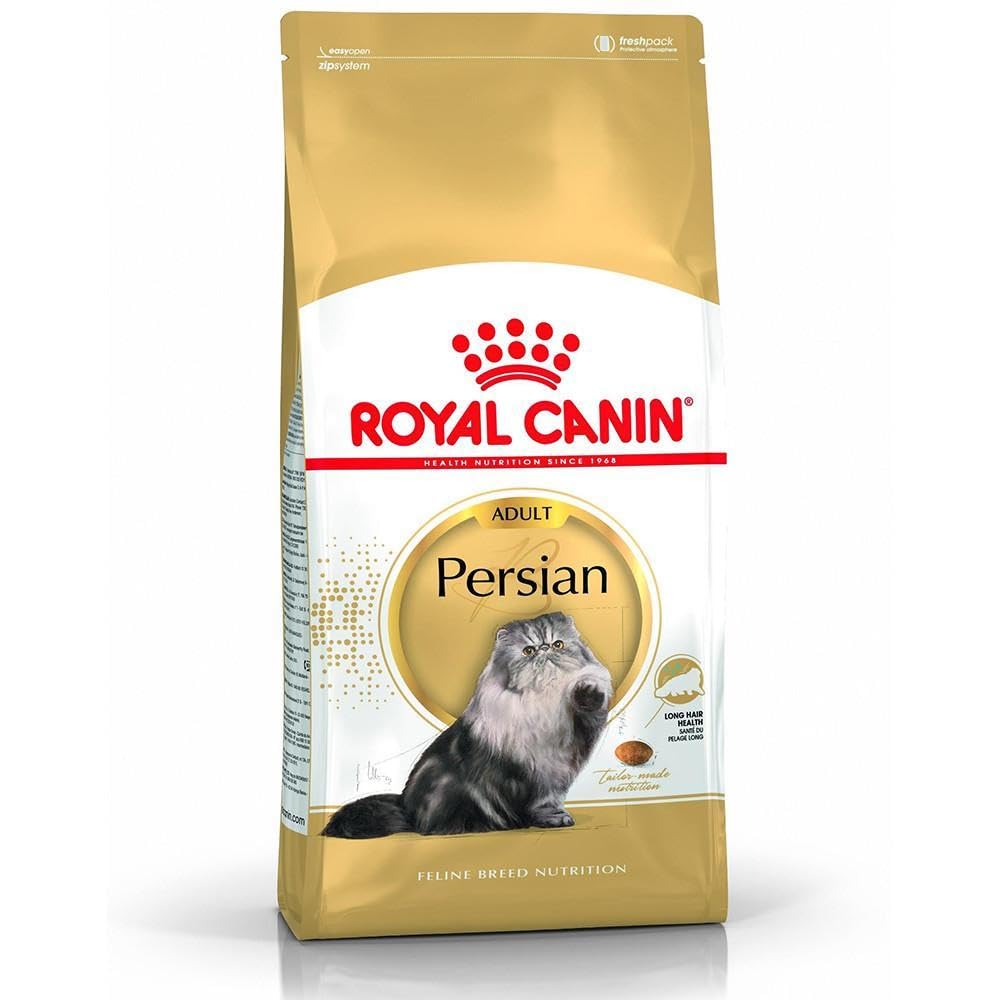
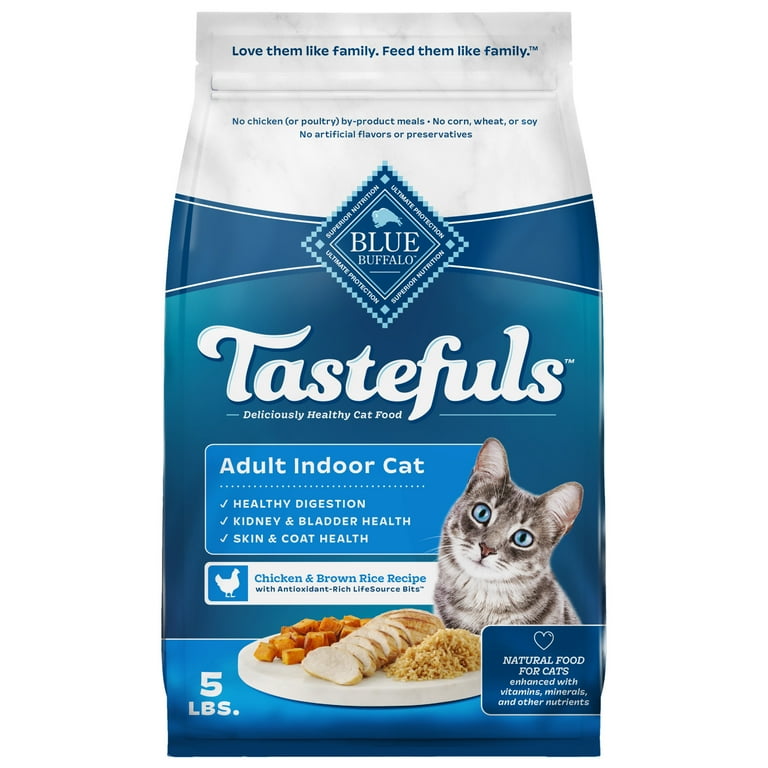
If your feline friend has been tossing up, running to the litter box, or just looking a little offcolor, the first thing to check is the bowl. A diet thats gentle on the gut can be the difference between uhoh and purrfect. Below youll find straighttothepoint advice on the best cat food for gastrointestinal problems, plus tips, realworld stories, and a simple buying guide.
Quick Answers
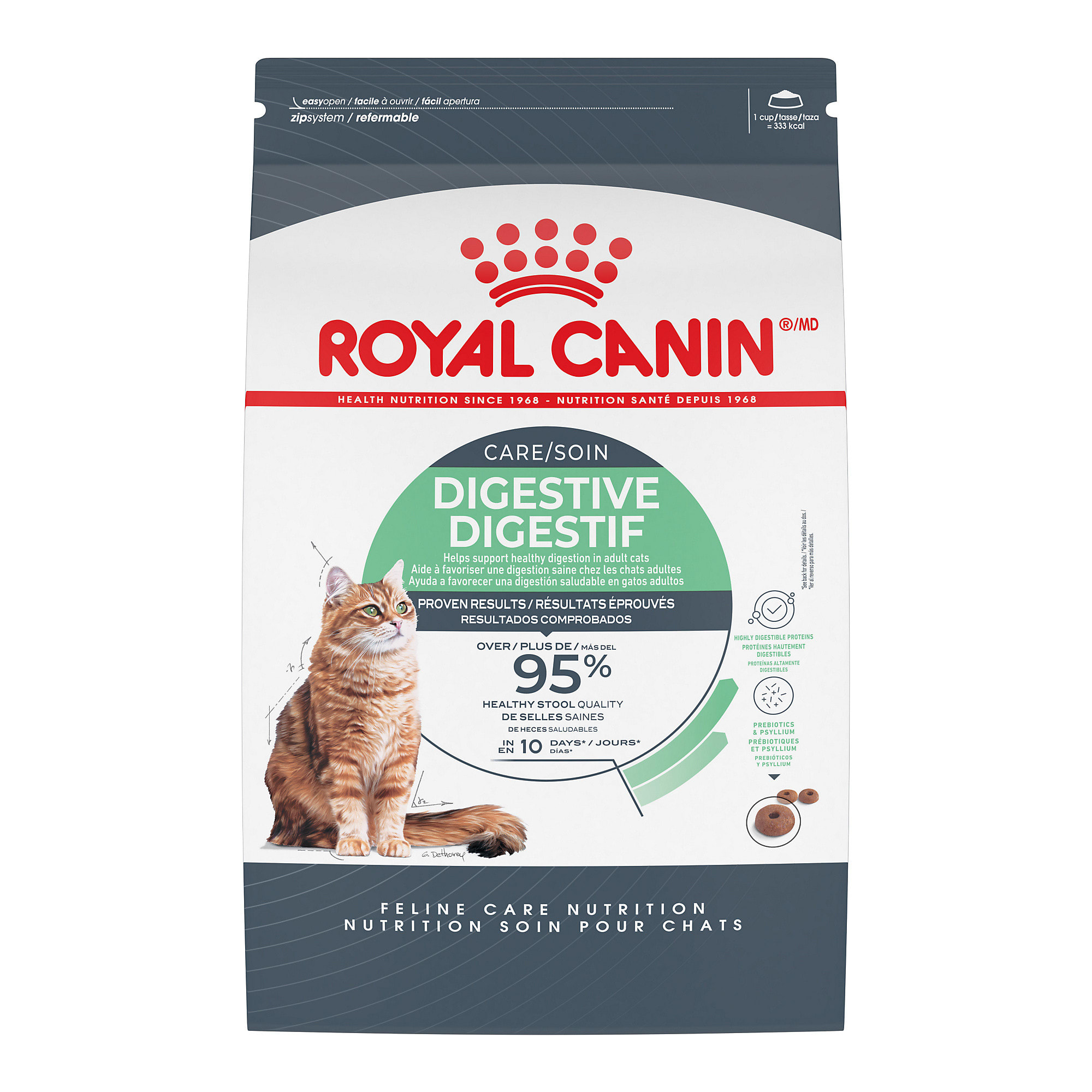
What should I feed a cat with a sensitive stomach? Look for a vetformulated wet or dry diet that is lowfat, highquality protein and includes targeted pre/probiotic fiber. Brands like RoyalCanin Digestive Care or Hills Prescription Diet I/D are solid starters.
How do I transition safely? Switch gradually over 710days, mixing a little of the new food into the old each day. This lets the gut adjust without a shock that could trigger more vomiting or diarrhea.
Why It Matters
Gastrointestinal (GI) distress isnt just an inconvenienceit can lead to dehydration, nutrient loss, and even liver strain if left unchecked. Common signs your cat might be suffering include:
- Vomiting (especially after meals)
- Loose, watery stool or frequent diarrhea
- Constipation or straining
- Loss of appetite
- Excessive flatulence or a sour smell
Research shows that diet is often the first line of defense for feline GI issues. Soluble fibers (like beet pulp) help bind stools, while insoluble fibers aid motility. Limitedingredient proteins can reduce allergen triggers that flare up inflammation.
Top Wet Foods
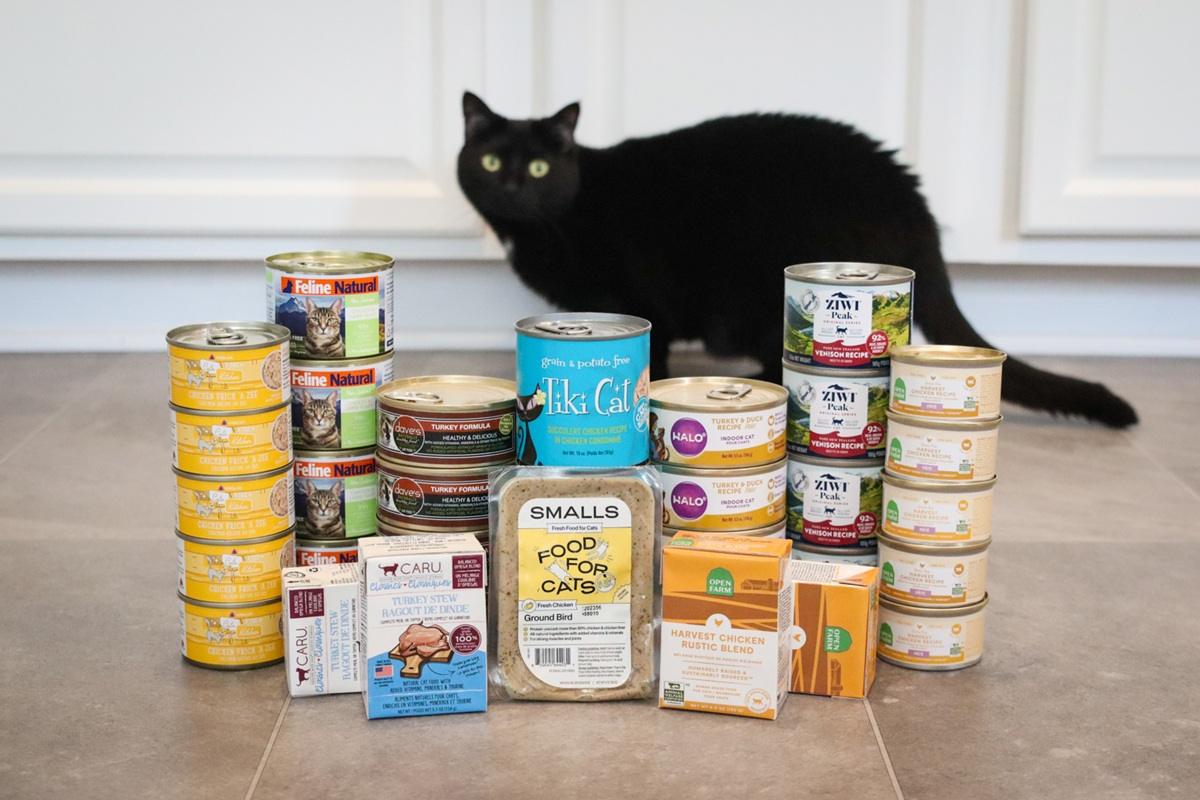
Wet foods pack moisture, which keeps cats hydrated and helps the gut move smoothly. Below is a quick snapshot of the top vetrecommended options for vomiting or diarrhea.
| Brand & Product | Key GI Benefits | Main Protein | Fiber Source | Serving Size | Price (approx.) |
|---|---|---|---|---|---|
| Royal Canin Digestive Care Thin Slices in Gravy | Insoluble fiber reduces constipation; moderate calories | Chicken & rice | Beet pulp | 3oz cans | $2.50 per can |
| Hills Prescription Diet I/D Digestive Care | Mixed fibers + antioxidants; supports stool quality | Chicken | Beet pulp + psyllium | 5.5oz cans | $2.80 per can |
| Purina Pro Plan Veterinary Diets Gastroenteric Formula | Highly digestible; prebiotic blend | Lamb | Rice bran | 5oz cans | $2.60 per can |
| Ziwi Peak Limited Ingredient Wet (rawstyle) | Novel protein (turkey) reduces allergen triggers | Turkey | None added (natural) | 140g pouch | $3.00 per pouch |
How to choose? If vomiting is the main issue, go with a lowfat, moderatecalorie formula like RoyalCanin Digestive Care. For chronic diarrhea, a mix of soluble and insoluble fibers (Hills I/D) tends to firm up stools without causing constipation.
Best Dry Foods
Dry kibble is convenient, and many cat parents rely on it for everyday feeding. When picking a dry food for a sensitive stomach, focus on low ash, limited ingredients, and added fiber.
| Brand & Product | GI Feature | Novel Protein | Fiber Blend | kcal/cup | Price |
|---|---|---|---|---|---|
| Royal Canin Digestive Care Dry | Digestive enzymes, low ash | Chicken | Beet pulp, psyllium | 350 | $3.20/lb |
| Hills Prescription Diet I/D Dry | Antioxidants & mixed fibers | Chicken | Beet pulp, chicory | 360 | $3.50/lb |
| Orijen Six Fish (Limited Ingredient) | High omega3, low allergen | Fish | None added | 380 | $5.00/lb |
| Stella & Chewys Sensitive Stomach Dry | Gentle on gut, probiotic blend | Turkey | Pumpkin, chicory | 340 | $4.00/lb |
Looking for more ideas? Check out our guide on the best dry food for cats with sensitive stomachs. If your cat struggles specifically with vomiting, the Best dry cat food for sensitive stomach vomiting article breaks down the top picks. And for those battling diarrhea, the Best cat food for sensitive stomach diarrhea page offers a concise rundown.
Wet vs. dry? Wet meals boost hydration and are easier on the stomach, while dry kibble can help with dental health and offers convenience. Many owners find a mix of bothwet at breakfast, dry at dinnerworks best for a balanced gut.
Label Evaluation
Reading a catfood label can feel like decoding a secret code, but its actually pretty straightforward once you know what to look for.
Ingredient hierarchy
The first ingredient should be a highquality protein (chicken, turkey, fish). Anything far down the listlike corn gluten meal or wheatusually indicates filler.
Fiber matters
Fiber isnt just for humans; its a gutfriendly ally for cats. Look for beet pulp, psyllium, or chicory root. Avoid foods that list grain as the primary fiber source unless theyre specifically grainfree for a reason.
Red flags
- Excessive fat (>20% of calories) can trigger vomiting.
- Artificial preservatives (BHA, BHT, propylene glycol).
- Very high ash content may indicate excess minerals that can irritate the gut.
Veterinary vs. limitedingredient
A prescription label (e.g., Hills I/D) means a vet has reviewed the formula for specific health issues. Limitedingredient simply means fewer protein sources, which can reduce allergy triggers. Both can be useful, but prescription diets usually have added therapeutic fibers or enzymes.
RealWorld Stories
Nothing beats a livedin example. Take Milo, a 7yearold tuxedo cat who spent weeks battling postmeal vomiting. After a vet visit, his owners switched to RoyalCanin Digestive Care (wet) and added a small portion of the dry version for crunch. Within ten days, the vomiting stopped, and Milos appetite bounced back.
On a popular pet forum, a user shared how switching from a generic grainheavy dry kibble to Hills Prescription Diet I/D dry reduced their cats diarrhea from three times a day to just once a week. The key? Patience during the transition and a sidebyside water bowl to keep the cat hydrated.
A 2024 survey of 120 veterinary clinics revealed that 68% of feline GI cases improved within two weeks of feeding a dedicated digestive diet, underscoring how powerful the right food can be.
Buying Guide
When youre ready to hit add to cart, keep these practical tips in mind.
Online vs. store pricing
Large retailers like Chewy or Amazon often have bulk discounts, while local vet clinics may charge a premium for prescriptiononly formulas. Compare unit prices (cost per ounce) rather than just the shelf price.
Subscription savings
Many ecommerce sites offer autoship discountsusually 510% offplus free shipping. If your cats diet is a longterm plan, a subscription can save you money and ensure you never run out.
Verification
For prescription foods, youll need a signed order from your vet. Some online pharmacies accept a scanned copy; others require a direct vet portal link. Always doublecheck that the product is marked prescriptiononly before purchasing.
Benefits & Risks
Benefits
- Improved stool quality: Consistent, firmer stools mean less mess and better nutrient absorption.
- Reduced vomiting: Lowfat, easily digestible proteins prevent the stomach from overreacting after meals.
- Better hydration: Wet foods supply up to 80% of daily water needs.
- Overall comfort: A happy gut translates to a happier catmore playtime, cuddles, and purrs.
Risks
- Food aversion: Some cats might reject a new formula if the scent or texture is too different.
- Cost: Prescription or limitedingredient diets can be pricey, especially if youre feeding a multicat household.
- Overreliance: Relying solely on food without vet followup could mask an underlying disease.
Monitor your cat closely. Keep a simple symptom journal: note food type, amount, any vomiting or stool changes, and how long it takes to see improvement. If you notice no change after three weeks, or if symptoms worsen, reach out to your vet.
Conclusion
Choosing the right cat food for gastrointestinal problems isnt rocket scienceits about matching a gentle, fiberrich formula to your cats specific symptoms and transitioning slowly enough to give the gut a chance to heal. Vetapproved wet options like RoyalCanin Digestive Care and Hills Prescription Diet I/D, paired with a thoughtful dry choice, provide the best odds for a calmer stomach and a happier kitty.
Remember, every cat is unique. What works for one may need tweaking for another, so keep the conversation open with your veterinarian and dont hesitate to share your cats progress in the comments. Your experience could be the lifeline another pet parent needs.
FAQs
What ingredients should I look for in cat food for gastrointestinal problems?
Choose foods with a high‑quality animal protein as the first ingredient, low to moderate fat, and added digestive fibers such as beet pulp, psyllium, or chicory root. Pre‑ and probiotic blends are also beneficial.
How long does it take to see improvement after switching diet?
Most cats show a reduction in vomiting or diarrhea within 5‑7 days, but give the new formula at least 2‑3 weeks for the gut to fully adjust before evaluating effectiveness.
Can I feed my cat both wet and dry food for GI issues?
Yes. Wet food adds hydration and is easy to digest, while a limited‑ingredient dry kibble can provide dental benefits and convenience. A common routine is wet meals in the morning and a small portion of dry at night.
Are prescription diets necessary for a cat with a sensitive stomach?
Prescription formulas are formulated with therapeutic fibers, enzymes, and precise nutrient balances, making them ideal for moderate to severe GI problems. For mild issues, a high‑quality limited‑ingredient wet food may suffice, but always consult your vet.
How should I transition my cat to a new GI‑friendly food?
Mix the new food with the current one over 7‑10 days, gradually increasing the new proportion while decreasing the old. Start with 25% new/75% old and finish with 100% new to avoid upsetting the stomach.