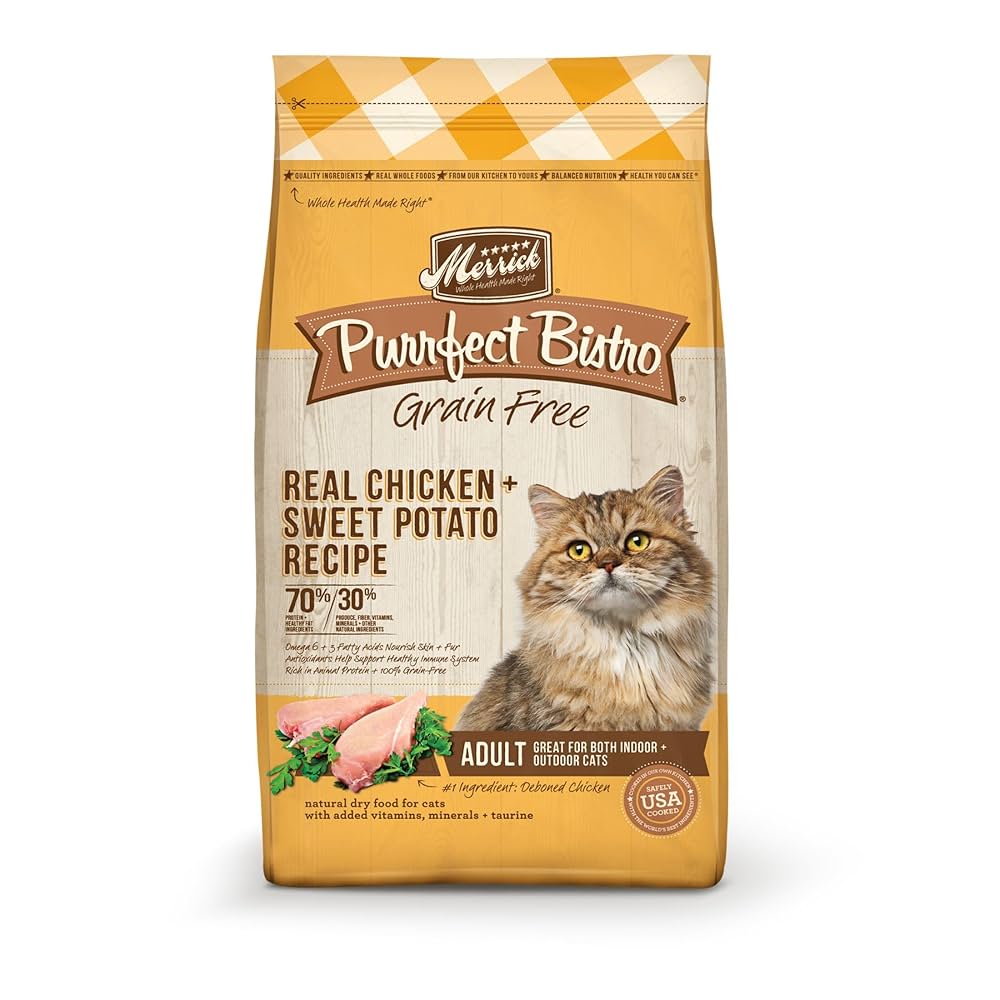
Looking for the healthiest kibble for your feline? Here are the top vetapproved dry foods that boost indoor cats health without breaking the bank.
We break down nutrition, price, and realcat experiences so you can pick the perfect bowlful today.
Why Food Matters
Benefits of Quality Dry Food for Indoor Cats
Good dry food isnt just a snackit's a daily dose of protein, essential fatty acids, and fiber that keeps your indoor cats weight in check, teeth cleaner, coat glossy, and hairballs at bay. When a cat eats a balanced kibble, youll notice less shedding, more energy for those sudden laserpointer sprints, and a happier, healthier buddy.
Risks of LowQuality Kibble
Cheap fillers, excess carbs, and hidden allergens can lead to weight gain, digestive upset, and even longterm kidney strain. A diet high in cheap plant proteins may leave your cat feeling sluggish, while too many grains can aggravate sensitivitiesespecially for cats that already have a delicate stomach.
Quick Comparison
| Aspect | Quality Dry Food | LowQuality Kibble |
|---|---|---|
| Protein Source | Real animal meat (30%) | Plantbased meals, byproducts |
| Carb Level | Lowtomoderate, quality grains | High corn, wheat, soy |
| Fiber | Optimized for hairball control | Insufficient or overly processed |
| Added Nutrients | DHA, taurine, antioxidants | Few or none |
Vet Evaluation
Core Nutritional Criteria
Veterinarians look for a few nonnegotiables: protein levels around 30% or higher, a balanced omega6 to omega3 ratio, added taurine, and DHA for brain and eye health. They also check for low ash (so the kidneys arent overworked) and controlled caloriesespecially important for indoor cats who get less exercise.
Trusted Vet Sources
Guidelines from PetMD and the Association of American Feed Control Officials (AAFCO) set the baseline for complete and balanced. Recent surveys from Business Insider highlight Hills, Royal Canin, Acana, and Purina as consistent performers in veterinary clinics.
Sample Vet Quote
When I recommend a dry food, I always choose brands that meet AAFCO standards and have independent feeding trials, says Dr. Laura Mendes, DVM, smallanimal specialist. Thats why Hills Science Diet and Royal Canin repeatedly earn my trust.
Top 5 Picks
Below are the five dry foods that most vets rank as the healthiest for cats in 2025. Each entry includes a short whyitworks paragraph and a realowner snippet.
| Rank | Brand & Product | Key Nutrition Highlights | Ideal Cat Type | Approx. Price/Size |
|---|---|---|---|---|
| 1 | Hills Science Diet Adult Multiple Benefit Chicken | 30% highquality protein, optimized fiber, DHA for brain health | Indoor adults, weightwatchers | $37.99 (Chewy, 12lb) |
| 2 | Royal Canin Indoor Adult | Controlled calories, specific fiber blend for hairball reduction | Lowactivity indoor cats | $29.99 (Petco, 10lb) |
| 3 | Purina Pro Plan Savor Shredded Blend | Highprotein, grainfree options, added antioxidants | Active or slightly overweight cats | $34.50 (Amazon, 12lb) |
| 4 | Acana Regionals Wild Prairie | Humangrade meat, low carbs, rich in omega3 | All life stages, especially picky eaters | $45.00 (Chewy, 13lb) |
| 5 | Open Farm RawMix (Open Prairie) | Humanely sourced, high omega3, limited ingredients | Sensitive stomachs, grainfree fans | $42.00 (PetSmart, 12lb) |
Owner anecdote: Milo was a finicky indoor cat who constantly chased his tail. Switching to Royal Canin Indoor gave him a slimmer waist and his fur turned silksmooth within weeks, writes Lucy, a cat mom from Ohio.
Specific Needs
Best Dry Food for Indoor Cats
If your cat spends most of its day lounging on the couch, calorie control is key. Royal Canin Indoor and Hills Science Diet Adult Multiple Benefit are specially formulated to prevent weight gain while still delivering essential nutrients.
Best Affordable Options
Saving money doesnt have to mean compromising nutrition. Stores like Chewy often run Best Value bundles that include Hills or Purina at a discount. For a deeper dive on budgetfriendly choices, check out our guide on Best cat food with grain.
Best for Sensitive Stomachs & Allergies
Limitedingredient, grainfree formulas such as Acana Wild Prairie or Open Farm RawMix reduce the chance of upset tummies. Remember, grainfree isnt a guarantee of safetysome vets actually caution against it (Why do vets not like grainfree cat food).
MiniFAQ Featured Snippet Ready
Q: Is dry food enough for my cat?
A: Yes, as long as it meets AAFCO complete and balanced standards. Adding a small amount of wet food can improve hydration, but highquality kibble provides all essential nutrients.
Reading Labels Like a Pro
Decoding the Guaranteed Analysis
The first three numbers youll see are crude protein, fat, and fiber. Aim for at least 30% protein and a moderate fat range (1215%). Fiber helps with hairball control, while moisture (usually 810% in dry food) indicates how much water the kibble contains.
Understanding Claims
Terms like grainfree, high protein, or vetrecommended can be marketing fluff unless backed by data. Look for a statement that the formula meets AAFCO nutrient profiles and, if possible, evidence of feeding trials.
Label Example
Take a look at Hills Science Diet Adult Multiple Benefit: Crude Protein 30%; Crude Fat 12%; Crude Fiber 4%; Moisture 9%. The added DHA and taurine are listed under Additional Nutrients, confirming its brainboosting and heartsupporting benefits.
Buying Guide & Saving Tips
Online Retailers
Sites like Chewy, Amazon, and Petco often have autoship discounts that shave 515% off the regular price. Use pricematch guarantees whenever possible.
InStore Options
Local pet stores sometimes run buy two, get one free promotions on bulk bags. Bring a sample of your cats current food to compare ingredients sidebyside.
Subscription Savings
Chewys AutoShip program can lock in a lower price for a 3month supply, and you can pause deliveries if you run out early.
Transitioning Your Cat to New Dry Food
StepbyStep SwitchOver Plan
- Days13: Mix 25% new food with 75% old food.
- Days47: Increase to 50% new, 50% old.
- Days810: 75% new, 25% old.
- Day11 onward: 100% new food.
This gradual approach minimizes digestive upset and lets your cat decide if the new kibble truly satisfies its taste buds.
Monitoring Health Indicators
Watch for changes in weight, stool consistency, coat shine, and energy levels. A subtle improvement in stool firmness or a brighter coat often means the new food is hitting the right marks.
Case Study
Milo, a 4yearold domestic shorthair, switched to Royal Canin Indoor over a 10day period. His owner recorded a 0.5lb weight loss and noticeably less shedding within three weeks.
Putting It All Together
Choosing the best dry food for cats isnt a onesizefitsall decision. Its a balance of nutrition, price, and your cats unique lifestyle. By focusing on vetbacked formulas, reading labels critically, and transitioning slowly, you give your feline friend the best shot at a long, healthy life.
Ready to make the switch? Browse the top picks above, pick the one that fits your budget and your cats preferences, and start the gentle transition plan today. Have you tried any of these foods? Share your experiences in the commentsyour story could help another cat parent make the right choice!
Further Reading
Explore more catcentric resources to round out your pet care toolkit:
FAQs
What should I look for on the ingredient list of the best dry food for cats?
Prioritize real animal protein (e.g., chicken, turkey, salmon) listed as the first ingredient, limited fillers, added taurine, DHA, and a moderate fat level (12‑15%). Avoid excessive corn, wheat, and soy.
Can a dry diet meet all my cat’s hydration needs?
High‑quality dry food meets nutritional requirements, but indoor cats benefit from additional water sources. Offer fresh water daily and consider occasional wet meals or broth.
How often should I change my cat’s dry food brand?
There’s no need to switch unless you notice digestive issues, weight changes, or an ingredient you want to avoid. Rotate brands only after a gradual transition period.
Is grain‑free always better for indoor cats?
Not necessarily. Grain‑free formulas can be fine for cats with specific sensitivities, but they aren’t automatically superior. Choose based on your cat’s health and vet advice.
What is the safest way to transition to a new dry food?
Follow a 10‑day transition: 75% old/25% new, then 50/50, then 25% old/75% new, and finally 100% new. Monitor stool quality and weight throughout.