Looking for a grainfree cat food that actually works for your feline? Heres the quick answer: the best brands balance realmeat nutrition with safe, digestible carbs, and theyre vetted by pet pros.
Below youll get a nofluff breakdown of the top grainfree dry & wet options, the real reasons some vets are cautious, and a stepbystep guide to pick the perfect label for indoor cats.
Why GrainFree?
What grainfree really means
When a bag says grainfree, it simply means the manufacturer didnt add corn, wheat, or soy as carbohydrate sources. Instead, they often use peas, lentils, or sweet potatoes. These ingredients can be a smart way to keep carbs low, but theyre not the same as a highprotein, meatfirst diet that cats naturally crave.
Why do vets not like grainfree cat food?
Its a question that pops up a lot, especially after the FDAs heartdisease alerts a few years back. Some studies linked very lowprotein, legumeheavy formulas to a rare condition called felinespecific dietassociated dilated cardiomyopathy (FADCM). Vets worry that if the protein quality drops too low, essential nutrients like taurine and omega3s might not be enough. That doesnt mean every grainfree product is unsafejust that you should doublecheck the protein % and look for AAFCOapproved complete & balanced statements.
In short, the caution stems from the potential nutritional gaps, not from the absence of grains themselves.
When grainfree can be a good choice
If your cat has a documented grain allergy, chronic skin irritation, or sensitive digestion, a grainfree formula can be a lifesaver. Cats are obligate carnivores, so a diet packed with real animal protein and minimal filler often matches their natural needs better than a bland, grainheavy kibble.
For indoor cats that tend to be less active, the lower carbohydrate count in grainfree foods can also help maintain a healthy weight.
Top Brands Overview
| Brand | Dry / Wet | Main Protein | Key Benefits | VetApproved Rating | Price / lb |
|---|---|---|---|---|---|
| Dr. Elseys Cleanprotein | Dry | Chicken | High protein, low carbs, grainfree | 9/10 | $3.20 |
| Blue Buffalo GrainFree | Dry | Turkey | Includes LifeSource Bits, no corn | 8/10 | $2.90 |
| Wellness CORE | Dry | Chicken & Turkey | Proteinrich, probiotic blend | 8/10 | $3.00 |
| Purina ONE GrainFree | Wet | Chicken | Real meat in gravy, balanced vitamins | 7/10 | $1.80 |
| EVO GrainFree | Wet | Salmon | High moisture, omega3s | 8/10 | $2.10 |
| Only Natural Pet | Dry | Turkey | Organic, no artificial additives | 7/10 | $3.40 |
Best grainfree dry cat food
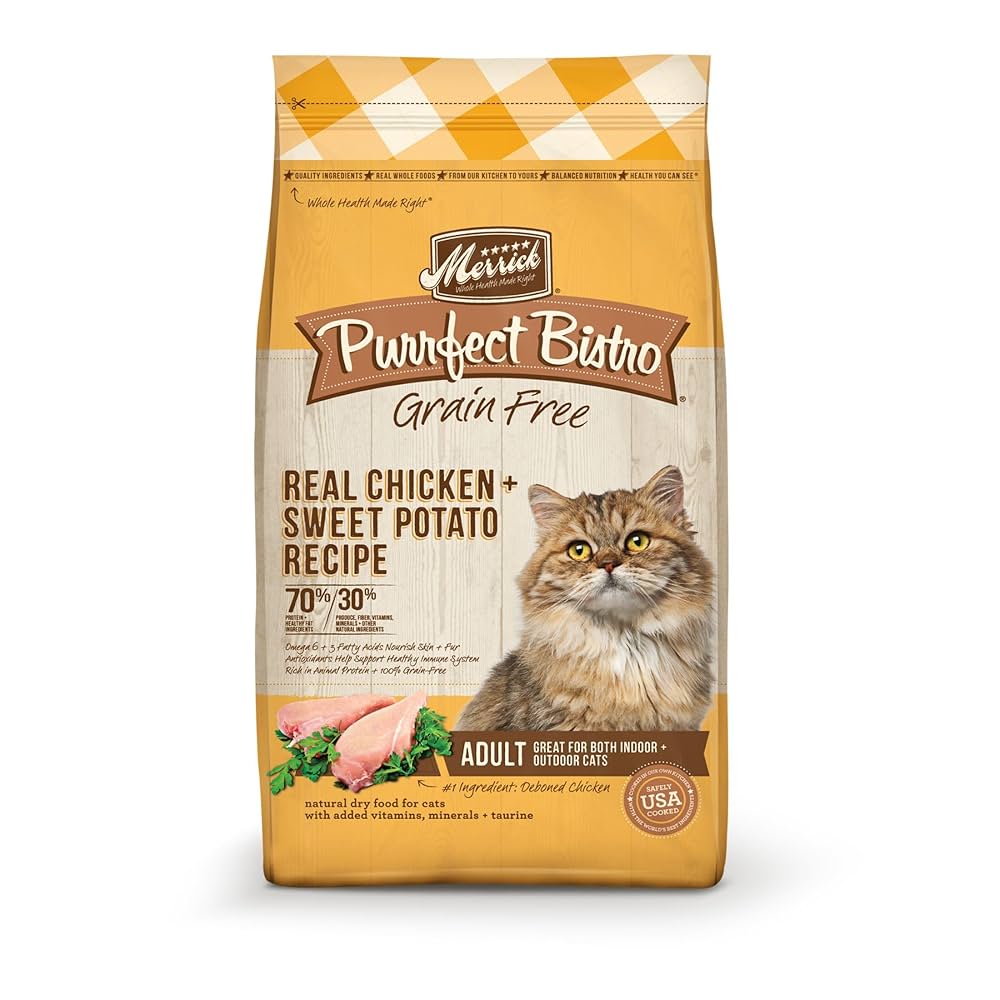
Among the dry options, Dr. Elseys Cleanprotein consistently tops the list for its 45%+ animal protein and minimal fillers. If youre after a brand that feels premium without breaking the bank, Blue Buffalo grainfree is a solid runnerup, especially because it adds antioxidantrich LifeSource Bits.
Best grainfree wet cat food
For moist meals, Purina ONE grainfree wet delivers a good balance of real meat and essential nutrients while staying affordable. If your cat loves fish, the EVO grainfree line with wildcaught salmon brings extra omega3s that support a shiny coat and healthy joints.
Niche & specialty picks
When you want something extra clean, Only Natural Pet offers an organic, grainfree kibble thats free from artificial preservatives. Though pricier, it can be a great option for cats with ultrasensitive stomachs.
Pros and Cons
Pros
- Higher animalprotein content better muscle maintenance.
- Fewer common allergens like corn, wheat, and soy.
- Lower carbohydrate levels help indoor cats stay trim.
Cons
- Some formulas rely heavily on peas or lentils, which can be harder to digest for certain cats.
- If protein is too low, taurine deficiencies may arise, potentially leading to heart issues.
- Grainfree products often cost more per pound than their grainfilled counterparts.
Choosing the Right
Assess lifestyle & health needs
First, think about where your cat spends most of her day. An indoor cat that lounges on the windowsill will benefit from lower carbs and higher moisture. A senior feline with kidney concerns needs a formula thats low in phosphorus but still rich in highquality protein.
Read the label like a pro
First ingredient should be a named meat (e.g., Chicken not Poultry Meal).
Look for a guaranteed analysis of at least 35% crude protein for dry food and 30% for wet.
Ensure the label says AAFCO complete & balanced.
CostBenefit calculator (DIY)
Take the price per bag, divide by the total kilocalories inside, and compare that number across brands. A cheaper bag thats low in calories might actually cost you more in the long run if you have to feed larger portions.
Trial & monitoring checklist
Give your cat a new grainfree food for at least a week, then jot down any changes in appetite, stool consistency, coat shine, or energy level. If anything feels off, consult your vet and consider supplementing with taurine or switching to a different protein source.
RealWorld Stories
Milos makeover
Milo, a fiveyearold tabby, used to have flaky skin and occasional itchiness. After switching from a standard cornbased kibble to Blue Buffalo grainfree dry mixed with a little wet Purina ONE grainfree, his coat smoothed out within three weeks. The owner noted a modest weight loss, which was a welcome bonus for an indoor cat.
Vets perspective: Dr. Lara Patel
Grainfree diets can be excellent, but they must be formulated with highquality animal protein and the right balance of taurine, vitaminE, and omega3s, says Dr. Patel, a boardcertified veterinary nutritionist. When a formula leans heavily on peas without sufficient meat, you risk the very heart concerns that sparked the FDA investigation.
Community insights
On the popular r/catfood subreddit, the topvoted grainfree pick for indoor cats was Wellness CORE, praised for its high protein and lack of artificial colors. Users also mentioned that the kibbles larger size encourages slower eating, which can aid digestion.
Quick Cheat Sheet
Brand comparison matrix (downloadable PDF)
Below youll find a handy PDF that summarizes the protein percentages, price per calorie, and vet rating for each brand mentioned. Click Download to keep it on your phone for grocery trips.
What to look for label checklist
- First ingredient = real meat.
- Protein 35% (dry) / 30% (wet).
- AAFCO complete & balanced.
- No artificial colors or flavors.
Costperkcal template
Use the attached spreadsheet to enter bag price and kcal per bag, then let the sheet calculate the true cost per kilocalorie. This simple tool can save you money while keeping your cat happy.
Conclusion
Grainfree cat food can be a fantastic choice when you pick a brand that delivers real meat, sufficient protein, and AAFCObacked nutrition. At the same time, stay alert to the specific needs of your cat and any vet recommendations. Use the guide above to compare brands, read labels like a pro, and monitor your felines health and youll feel confident that youre feeding them the best possible diet.
What grainfree brand have you tried? Share your experience in the comments, and feel free to download the cheat sheet for your next shopping trip. Were in this catcare journey together!
FAQs
What does “grain free” actually mean on cat food labels?
“Grain free” indicates the formula does not contain common grain fillers such as corn, wheat, or soy. Carbohydrates are supplied instead by ingredients like peas, lentils, or sweet potatoes.
Are grain free cat foods safe for my cat’s heart?
Yes, when the product provides high‑quality animal protein and meets AAFCO complete & balanced standards. Issues arise only in low‑protein, legume‑heavy recipes that may lack sufficient taurine.
How can I tell if a grain free food has enough protein?
Look at the guaranteed analysis: dry foods should contain at least 35% crude protein, wet foods at least 30%. The first ingredient should be a named meat (e.g., Chicken, Salmon).
Is grain free more expensive than grain‑containing cat food?
Generally, grain‑free formulas cost more because they use premium protein sources. Use a cost‑per‑kilocalorie calculator to compare the true value of each brand.
Can indoor cats benefit from grain free diets?
Indoor cats often need fewer carbs and more moisture. Grain‑free diets typically have lower carbohydrate levels, which can help maintain a healthy weight and support overall wellness.