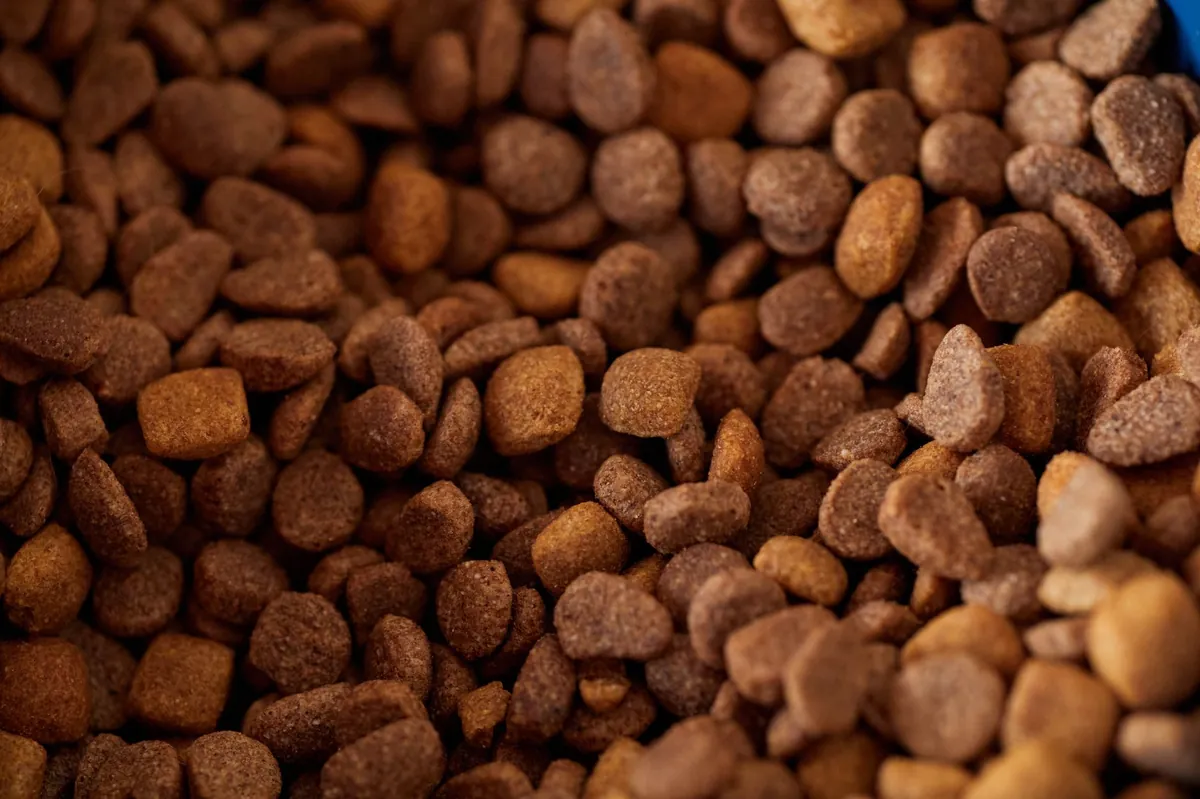
Did you know that many commercial dog foods include fillers that can stress your dogs digestive system and liver over time? Choosing the best dog food brands recommended by vets can make a huge difference in your pups health. In 2025, the best vet-approved dog foods focus on balanced nutrition, transparency, and clinically proven benefits to support your furry friends wellbeing.
Here, youll find a clear list of the top vet-recommended brands, insights on what to avoid, and practical advice on picking the right food tailored to your dogs needs. Think of this as friendly advice from one pet lover to another, helping you shop smarter and keep tails wagging happily.
Why Vet Recommendations Matter
What criteria do veterinarians use when they pick a brand?
Getting a veterinarian‘s nod means a brand has met strict nutritional and safety standards. Most vets look for:
- AAFCO nutrient profiles: The Association of American Feed Control Officials sets minimum and maximum nutrient levels required for balanced dog foods.
- WSAVA approval: The World Small Animal Veterinary Association vets brands for ingredient quality and formulation that support health outcomes.
- Clinical studies & long-term health outcomes: Brands with published research showing positive effects on coat condition, joint health, or digestion get extra credit.
As board-certified vets emphasize, "Ingredient transparency combined with validated research is key to ensuring a diet truly supports lifelong health." These factors separate healthy, vet-approved foods from marketing hype.
How vet-approved foods differ from popular but unverified brands
Popular dog foods often grab attention with flashy packaging but may hide questionable ingredients. Vet-approved foods stand out because of:
- Ingredient transparency: Clear listing of named meats, high-quality fats, and exclusion of by-products or vague fillers.
- Quality-control standards: Compliance with Good Manufacturing Practices (GMP) and FDA registration ensures product consistency and safety.
Choosing foods vetted by trusted associations and experts means you avoid excessive fillers like corn gluten meal or artificial preservatives that can harm sensitive dogs.

Top 10 Vet-Recommended Dog Foods for 2025
| Rank | Brand | Dry/Canned/Raw | Key Strength | WSAVA-Approved? | Ideal Dog Profile |
|---|---|---|---|---|---|
| 1 | Hills Science Diet | Dry | Balanced omega-3/6, joint support | Yes | All breeds, senior |
| 2 | Purina Pro Plan | Dry & Canned | High-protein, breed-specific formulas | Yes | Active & working dogs |
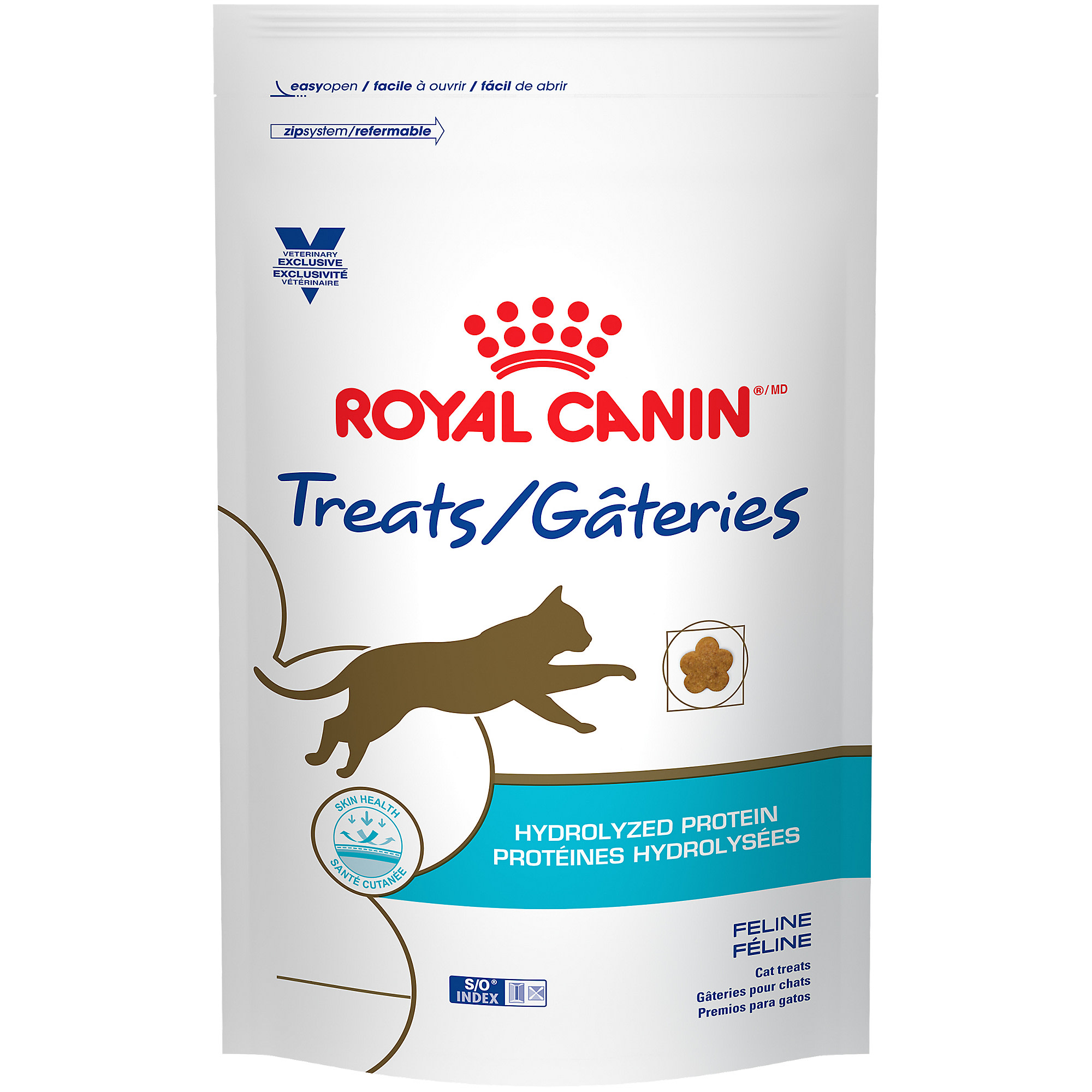
| 3 | Royal Canin | Dry | Tailored to size & health issues | Yes | Breed-specific (e.g., French Bulldog) |
| 4 | Open Farm Grass-Fed Beef & Ancient Grains | Dry | Human-grade meat, sustainable sourcing | No (third-party audited) | Eco-conscious owners |
| 5 | Blue Buffalo Wilderness | Dry | Grain-free, high protein | No | High-energy puppies |
| 6 | Wellness CORE | Dry & Canned | Grain-free, rich in antioxidants | Yes | Weight management, adult dogs |
| 7 | Canidae PURE | Dry | Limited ingredients for sensitive stomachs | No | Allergy-prone dogs |
| 8 | Nutro Ultra | Dry | Multisource proteins, non-GMO | No | Adult, active dogs |
| 9 | Natural Balance L.I.D. | Dry & Canned | Limited ingredient diet for food sensitivities | Partial (AAFCO compliant) | Dogs with allergies |
| 10 | Orijen Original | Dry | High protein, fresh regional ingredients | No (but independently tested) | All life stages, active dogs |
Why these brands made the list
These best dog food brands recommended by vets earned their spots by meeting strict nutritional standards, using high-quality ingredients, and showing real health benefits in dogs across sizes and ages. For example, Hills Science Diet features balanced omega fatty acids and proven joint support, making it a top pick for seniors. Meanwhile, brands like Purina Pro Plan offer breed-specific options ideal for active or working dogs. Even though Open Farm lacks formal WSAVA approval, its commitment to transparency and sustainability appeals to many health-conscious dog owners.
Quick FAQs about vet-recommended dog foods
What is the number 1 healthiest dog food? According to both AAFCO and WSAVA standards, Hills Science Diet often ranks highest due to its scientifically balanced formulas and extensive veterinary support.
Is Open Farm truly vet-recommended? Open Farm is highly regarded for ingredient quality and transparency, but it does not have formal WSAVA endorsementthough it passes rigorous third-party audits.

Dog Food Brands to Avoid
Red flags in ingredient lists
Avoid brands with excessive fillers like corn gluten meal, wheat middlings, or soy protein concentrate. Artificial preservatives such as BHA, BHT, or ethoxyquin and unnamed meat by-products may signal lower-quality foods. For instance, Brand X was documented to contain over 30% corn gluten meal, which provides little nutritional value and can cause digestive stress.
Commonly flagged brands in 2025
- Brand Y: Excess fillers and vague ingredients.
- Brand Z: Frequent recalls and lack of transparency.
- Brand Alpha: Poor ingredient sourcing, high artificial additives.
- Brand Beta: Unbalanced protein-to-fat ratio unsuitable for life stages.
How to verify a brands credibility before buying
Check for an AAFCO statement on the packaging that confirms nutritional adequacy. Look for WSAVA approval seals or third-party lab testing reports. Also, review a brands recall history online and see if it maintains GMP-certified manufacturing. These steps help you avoid costly mistakes and support your dogs long-term health.
One dog owner shared how switching from a bargain brand to a trusted vet-recommended option led to a shiny coat and firmer stools within weeksa change their vet confirmed as a sign of improved digestive health.
Choosing the Right Food for Your Dog
Assess your dogs life stage & health needs
Every life stage requires different nutrition. Puppies need higher protein and calories, so feed 34 small meals daily until about 6 months old. Adults may thrive on 12 balanced meals, focusing on maintenance. Seniors often benefit from joint support and lower calories to prevent weight gain.
Special health issues also guide choices weight management, allergies, or joint care demand tailored formulas.
| Species/Breed | Recommended Amount | Frequency | Life Stage | Watch-Out Signs |
|---|---|---|---|---|
| Adult Labrador Retriever | 2530g/kg body weight daily | 2 meals | Adult | Weight gain, dull coat |
| Senior Beagle | 2025g/kg body weight daily | 2 meals | Senior | Joint stiffness, low appetite |
| High-energy Border Collie | 3035g/kg body weight daily | 3 meals | Adult | Excessive licking, digestive upset |
Matching top brands to specific needs
- Hills Science Diet Senior: Supports joint mobility and cognitive health in aging dogs.
- Purina Pro Plan High-Performance: High protein for working and active dogs requiring energy and endurance.
- Blue Buffalo Wilderness: Grain-free with high protein for puppies needing muscle growth support.
- Canidae PURE: Limited ingredients perfect for allergy-prone or sensitive stomachs.
Practical buying guide
Trustworthy retailers such as Chewy and Amazon stock most vet-recommended brands. Local vet clinics often carry prescription or specialty diets. Always check the guaranteed analysis on the packaging: protein should be at least 1822% for adults, with moderate fats (815%) and controlled fibers (35%).
To avoid upsetting your pets digestion, transition slowly: mix 25% new food with 75% old food on day one, increasing by 25% daily over a week.

Always check with your vet before changing your pets diet or routine to tailor the plan to your dogs unique health profile. The American Veterinary Medical Association (AVMA) provides feeding guidelines that help set daily portions based on weight and activity.
Real-World Success Stories (Case Studies)
Case A: Senior Labrador with Osteoarthritis
- Before: Limping and reluctance to move during daily walks.
- Diet switch: Royal Canin Veterinary Diet Mobility.
- After 3 months: Noticeable improvement in mobility, happier play behavior, and reduced vet pain scores.
Case B: Miniature Schnauzer with Food-Sensitive Skin
- Before: Constant itching and patchy hair loss.
- Diet switch: Hills Prescription Derm.
- After 2 months: Significant reduction in itching, restored coat gloss, and no adverse reactions.
Both pet owners praised their vets‘ guidance and said small changes in food quality made a remarkable difference. Results like shinier coats and better stool consistency show that the best dog food brands recommended by vets support real health outcomes.
Is the best dog food brands recommended by vets safe for my dog?
Yes. Vet-recommended dog foods undergo rigorous testing and contain balanced nutrients tailored for dogs needs. Always check serving sizes and transition your dog gradually to avoid upset. If your dog has special health concerns, consult your vet before switching foods.
What ingredients should I avoid in dog food?
Avoid excessive fillers like corn gluten meal, wheat, soy, artificial preservatives (BHA, BHT), and ambiguous meat by-products. These can cause allergies, digestive discomfort, or long-term health issues.
Are grain-free diets better for dogs?
Grain-free diets suit dogs with allergies or sensitivities but are not automatically healthier. The FDA cautions about links between grain-free diets and heart conditions in some dogs. Consult your vet for your dogs best option.
How often should I change my dogs food?
Frequent food changes can upset digestion. Limit changes to once or twice a year unless recommended by a vet. When switching, transition gradually over 7 days to avoid digestive upset.
Can I mix wet and dry food?
Mixing wet and dry can provide variety and hydration but ensure total daily portions meet nutritional needs. Introduce mixed feeding gradually and watch for signs of stomach upset.
How do I read dog food labels?
Look for named proteins listed first, clear ingredient sources, and nutrient guarantees. Avoid vague terms like animal fat or meat by-products. Check for AAFCO statements to ensure the food meets minimum nutritional standards.
Is organic dog food better?
Organic foods may reduce exposure to pesticides and additives but arent necessarily more nutritious. Focus on ingredient quality and nutrient balance verified by veterinary experts.
How to Stay Updated on Vet-Recommended Foods
Keep up with the latest by subscribing to veterinary nutrition newsletters like PetMD and WSAVA updates. Follow FDA recall alerts to know about any safety issues quickly. Tools like Dog Food Advisors rating system offer ongoing evaluations of popular brands.
Remember, this information reflects current 2025 standards. Always consult your veterinarian for personalized advice tailored to your dog‘s health.

Most overlooked buying mistake
Many owners choose based on price alone. Cheap brands often use low-quality fillers that dont support long-term health. A vet-backed tip is to focus on ingredient quality and formulation over flashy claims or marketing gimmicks.
Why cheap versions disappoint
Inexpensive dog foods often lack balanced omega fatty acids, contain artificial additives, or use low-quality protein sources. This can lead to allergies, dull coats, and digestive issues.
One vet-backed shopping tip
Always read the guaranteed analysis and ingredients list carefully. Look for whole proteins named first and minimal fillers. Brands with transparent sourcing and clinical backing deliver the best health outcomes.
More You Might Like
Curious about choosing the best dog food overall? Our detailed guide breaks down how to balance nutrition and budget. For cat owners, heres a guide on the best dry food for cats with constipation. And if youve wondered does purina cat allergy food work, we have expert insights for sensitive kitties.
Conclusion
Choosing from the best dog food brands recommended by vets ensures your dog enjoys balanced nutrition that supports a healthy coat, strong joints, and overall vitality. Next time you shop, check the label carefully for quality proteins and AAFCO compliance. Your dogs health will thank you with every wag and happy meal.
FAQs
Is Best dog food brands recommended by vets safe for my dog or cat?
Yes, vet-recommended dog and cat foods undergo rigorous testing to ensure balanced nutrition and safety. They contain high-quality ingredients suited to your pet’s health needs. Always follow feeding guidelines and consult your vet before making any dietary changes.
How often should I change my dog’s food recommended by vets?
It’s best to limit food changes to once or twice a year unless your vet advises otherwise. When switching, transition gradually over 7 days to prevent digestive upset and help your pet adjust smoothly.
What ingredients should I avoid in vet-recommended dog food?
Avoid excessive fillers like corn gluten meal, wheat, soy, artificial preservatives (BHA, BHT), and vague meat by-products. These can cause allergies, digestive issues, and long-term health problems.
Are grain-free diets better for dogs recommended by vets?
Grain-free diets can benefit dogs with allergies or sensitivities but aren’t always healthier. The FDA warns about links between some grain-free diets and heart issues. Consult your vet to determine the best option for your dog.
How do vet-recommended dog foods differ from popular unverified brands?
Vet-recommended foods offer ingredient transparency, clinical backing, and meet strict safety standards. They exclude harmful fillers and artificial additives common in many popular but unverified brands, ensuring better health outcomes for your pet.