Got a feline friend who seems to be battling constant skin itchiness or an upset tummy? Youre probably wondering if theres a simple snack that could help calm those symptoms without compromising flavor. The short answer is yesRoyal Canin hypoallergenic cat treats are specifically formulated to be gentle on sensitive systems while still feeling like a tasty reward. Below, well walk through exactly what these treats are, who can benefit, how to use them safely, and why they might be a smarter choice than the average royal canin cat treats you find on the shelf.
What Are They?
Definition and Core Purpose
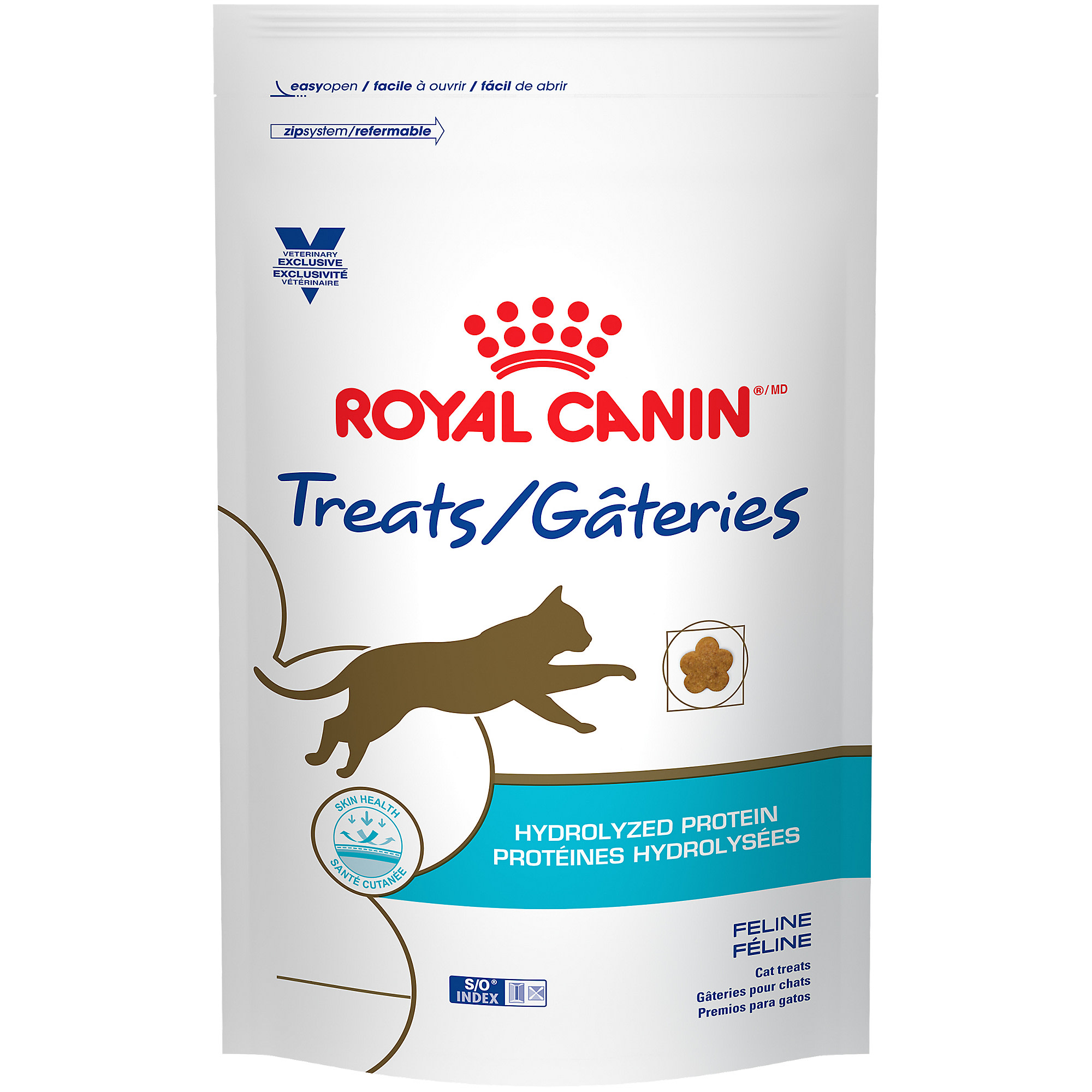
Royal Canin hypoallergenic cat treats are a line of veterinaryonly snacks that contain hydrolyzed protein. In plain English, the protein is broken down into tiny peptides that are too small for most cats immune systems to recognize as allergens. This means they can be a safe bridge snack for cats with foodsensitivities, supporting a gastrointestinalfriendly diet while still delivering a reward.
Key Ingredients
The treats rely on a blend of hydrolyzed soy and chicken proteins, fortified with essential vitamins and minerals. The hydrolysis process reduces the molecular weight of the proteins, a technique backed by numerous veterinary nutrition studies. If youre curious about the full breakdown, you can explore the Royal canin hypoallergenic cat food ingredients guide for a deeper dive.
Form Factors
They come in a convenient 7.7oz baga size that fits nicely in a vet clinic or your pantry. The same hydrolyzed formula is also available as a wet option, known as Royal canin hypoallergenic wet cat food, which can be mixed with regular meals for extra moisture.
How They Work
Hydrolyzed Protein Technology
When protein is hydrolyzed, its essentially predigested into fragments that are less likely to trigger an immune response. Think of it like shredding a tough piece of paper into confettiyour cats body cant see the original allergen shape, so it doesnt react. This technology is also used in the broader royal canin hypoallergenic cat food line, making the treats a perfect companion to a therapeutic diet.
Comparison with Other Brands
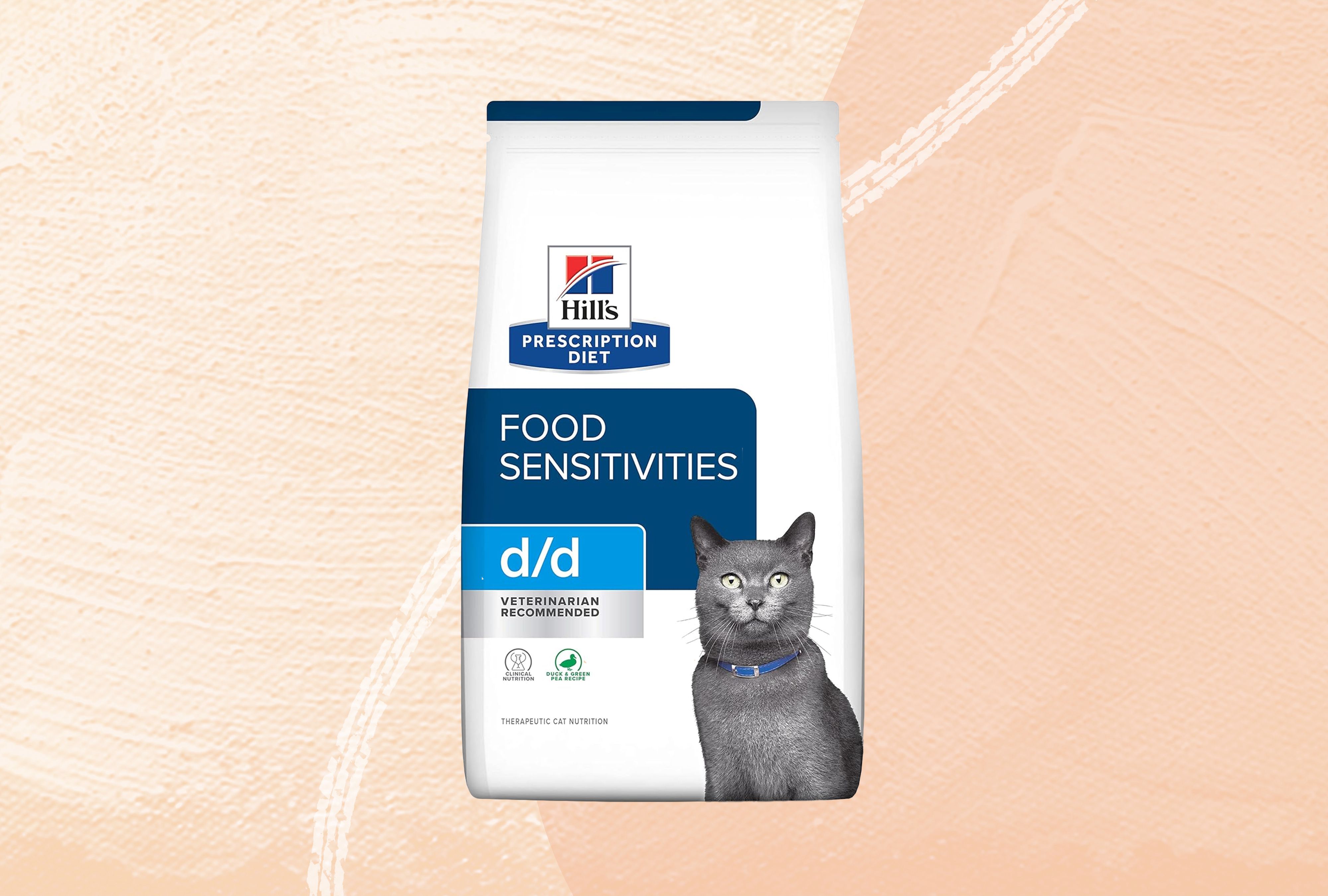
While Royal Canin dominates the hydrolyzed market, there are alternatives like Purina hydrolyzed cat treats and Hill's hydrolyzed cat treats. However, Royal Canins treats are formulated to work seamlessly with their own veterinary diet, such as the Royal Canin Veterinary Diet Adult Hydrolyzed Protein Cat Treats. Independent reviews often note the consistent texture and palatability of Royal Canin compared to the sometimes grainheavy formulations of competing brands.
Quick Comparison Table
| Brand | Protein Source | Treat Type | Bag Size | VetOnly |
|---|---|---|---|---|
| Royal Canin | Soy & Chicken (hydrolyzed) | Dry | 7.7oz | Yes |
| Purina | Chicken (hydrolyzed) | Dry | 6oz | No |
| Hill's | Pork (hydrolyzed) | Dry | 5oz | No |
Who Benefits
Cats with Food Allergies or Intolerances
If your kitty has been scratching, developing hot spots, or experiencing frequent vomiting, a hydrolyzed treat could be a gamechanger. These treats are designed to be part of a broader management plan, often paired with the Royal Canin Veterinary Diet Adult Hydrolyzed Protein Cat Treats, which is prescribed for severe foodsensitivity cases.
Felines with Gastrointestinal Issues
Many owners notice that when they add these treats to a diet, the frequency of loose stools drops. The treats contain prebiotic fibers that help maintain a healthy gut floraimportant for cats dealing with gastrointestinal sensitivities. If your cats vet has already recommended a specialized diet, the treats can reinforce the same hypoallergenic approach.
RealWorld Stories
Take Bella, a fiveyearold domestic shorthair who suffered chronic dermatitis. After switching to a regimen that included Royal Canin hypoallergenic cat treats, her owner reported a noticeable reduction in itching within two weeks. Another story comes from Max, a senior cat on a hydrolyzed diet who started losing weight. Adding the treats helped boost his calorie intake while keeping his stomach calm.
When to Consult Your Vet
Even though these treats are safe for most allergic cats, any sudden change in behavior, appetite, or stool consistency should prompt a vet call. A veterinary nutritionist can confirm whether the treat is the right fit for your cats specific condition.
How to Use
Feeding Guidelines
Start smallone treat per day for a cat weighing under 8lb, and up to three treats for larger cats. The label on the 7.7oz bag provides a weightbased chart, but a good rule of thumb is to keep treats under 10% of daily caloric intake. Observe your cat for 2448hours after the first treat; if no adverse reaction occurs, you can gradually increase to the recommended amount.
StepbyStep Introduction
- Offer a single treat during a calm moment.
- Watch for any signs of itching, vomiting, or changes in bathroom habits.
- If all looks good, repeat daily while noting any improvements in skin or coat condition.
- After a week, you can increase to the full daily portion suggested by the bag.
Storage Tips
Keep the bag tightly sealed and store it in a cool, dry place. The treats have a bestby date printed on the packagingonce opened, try to use them within a month for optimal freshness.
Pros and Cons
Benefits
- Allergyfriendly: Hydrolyzed proteins reduce the chance of immune triggers.
- Vetapproved: Formulated to complement Royal Canins therapeutic diets.
- Palatable: Many cats enjoy the texture, making compliance easier.
- Supports gut health: Includes prebiotic fibers for a balanced microbiome.
Potential Drawbacks
- Cost: Veterinaryonly treats can be pricier than standard cat snacks.
- Flavor variety: Currently limited to one taste profile, which may not suit picky eaters.
- Availability: Often sold only through vets or specialty retailers, though some online pet stores carry them.
Balancing Safety and Effectiveness
The key is monitoring. Keep a daily log of any changes in skin condition, stool consistency, or overall behavior. If you notice any new issues, pause the treats and discuss them with your vet. Remember, what works for one cat may not work for anotherthis is why a tailored approach is essential.
Compare Options
Market Overview
Besides Royal Canin, the market offers other hydrolyzed treats, but they often lack the extensive clinical testing behind Royals formula. Purina and Hills provide comparable categories, yet their ingredients list sometimes includes additional fillers that could irritate a sensitive stomach.
SidebySide Comparison
| Aspect | Royal Canin | Purina Hydrolyzed | Hill's Hydrolyzed |
|---|---|---|---|
| Protein Source | Soy & Chicken (hydrolyzed) | Chicken (hydrolyzed) | Pork (hydrolyzed) |
| VetOnly | Yes | No | No |
| Clinical Support | Extensive studies | Limited data | Moderate data |
| Price (per oz) | Higher | Lower | Lower |
| Flavor Options | Single | Single | Single |
Putting It All Together
Choosing the right snack for a cat with sensitivities can feel overwhelming, but it doesnt have to be. Royal Canin hypoallergenic cat treats offer a scientificallybacked, vetapproved way to give your feline a treat without risking a flareup. By understanding the ingredients, monitoring your cats response, and pairing the treats with a proper therapeutic dietlike the Royal canin hypoallergenic cat food reviews that many owners swear byyou set the stage for healthier skin, steadier digestion, and a happier kitty.
Conclusion
In a nutshell, Royal Canin hypoallergenic cat treats are a smart, targeted snack for cats battling food allergies or gastrointestinal quirks. They combine cuttingedge hydrolyzed protein technology with a flavor that most cats love, all while fitting neatly into a veterinarianprescribed diet. As always, start slow, keep an eye on your cats reactions, and lean on your vets expertise when needed. If youve tried these treatsor are considering themshare your experience in the comments below. Your story could be the very thing another cat parent needs to hear. And if you have lingering questions, dont hesitate to reach outlets keep the conversation going for the sake of our whiskered companions.
FAQs
What makes Royal Canin hypoallergenic cat treats different from regular cat treats?
They contain hydrolyzed soy and chicken proteins that are broken down into tiny peptides, reducing the chance of an allergic reaction while still tasting appealing to cats.
Can these treats be given to cats without a diagnosed allergy?
Yes, they are safe for any cat, but they are most beneficial for cats with food sensitivities or digestive issues; otherwise, a regular balanced treat may be more cost‑effective.
How many Royal Canin hypoallergenic cat treats should I feed my cat daily?
Start with one treat per day for cats under 8 lb and up to three treats for larger cats, keeping the total treat calories under 10 % of the cat’s daily caloric intake.
Do the treats need to be stored in a special way?
Keep the bag tightly sealed in a cool, dry place. Once opened, use the treats within a month for optimal freshness and flavor.
Are Royal Canin hypoallergenic cat treats available without a veterinary prescription?
They are classified as a veterinary‑only product, so you’ll typically need to purchase them through a vet clinic or a licensed online pet‑food retailer.