Finding the right cat food Purina offers can make all the difference in your felines health and happiness. Many cat owners trust Purina brands for balanced nutrition, but with so many formulas available, which one suits your kitty best? Understanding ingredients, feeding recommendations, and safety considerations helps you pick the perfect fit for your furry friends unique needs.
Whether you have a kitten, an active adult, or a senior cat, this guide breaks down Purina‘s most popular products and what to watch for on the label. Lets explore how to navigate Purinas portfolio for a thriving, well-nourished cat.
Purina Cat Food Overview
What Product Lines Does Purina Offer for Cats?
Purina has several major product lines developed to cover various cat life stages and dietary needs. These include:
- Purina ONE: Focused on natural ingredients, high protein, and balanced nutrition.
- Purina Pro Plan: Premium formulas that emphasize specific health benefits like weight control and allergen reduction.
- Purina Cat Chow: Classic, budget-friendly options available as dry food.
- Wet and dry options: Catering to flavor variety and hydration needs.
- Kitten and Indoor formulas: Designed for particular life stages and lifestyles with targeted nutrition.
All these product lines are designed to meet the nutritional guidelines set by the Association of American Feed Control Officials (AAFCO).
How Does Purina Differentiate Its Formulas?
Purina prides itself on using real meat or poultry as the first ingredient in many of its products. The company tailors formulas to address distinct feline health issues such as weight management, hairball control, and sensitive stomachs. For example, the Pro Plan Indoor line targets weight control and reduces hairballs. Additionally, some formulas like LiveClear in Pro Plan claim to reduce allergens your cat might shed.
Which Purina Line Suits Different Cat Life Stages?
Kittens have different nutritional needs than adult or senior cats. Purina kitten formulas contain more calories, protein, and DHA to support brain development and growth. Adult formulas focus on maintaining healthy weight and muscle mass, while senior formulas often contain nutrients to support joint health and easier digestion.
Veterinary nutritionists emphasize feeding life-stage appropriate diets for optimal wellbeing. Dr. Lisa Freeman, a board-certified veterinary nutritionist, notes, Choosing the proper diet for your cats age can prevent nutrient deficiencies and health issues.
Choosing the Right Purina Formula
What Factors Should I Consider?
Selecting the ideal Purina cat food depends on these key factors:
- Age: Kitten, adult, or senior
- Activity level: Indoor, outdoor, or highly active cats
- Health concerns: Weight, allergies, digestive issues, hairballs
- Food preferences: Wet or dry, flavor varieties
Understanding your cats unique lifestyle helps narrow down the best match.
Is Purina ONE Really Natural Low-Fat as Advertised?
Purina ONE promotes their Natural Low Fat formula as a blend containing real turkey as the first ingredient, accompanied by wholesome grains like brewers rice. While the label reads natural, always check for fillers and additives. This formula contains moderate fat levels suitable for cats prone to weight gain. Third-party USDA label analyses confirm the protein content is around 40%, with about 10% fatideal for maintaining lean muscle mass.
Should I Feed Wet, Dry, or a Mix?
Each type has pros and cons:
- Wet food: High moisture content supports hydration and is often more palatable.
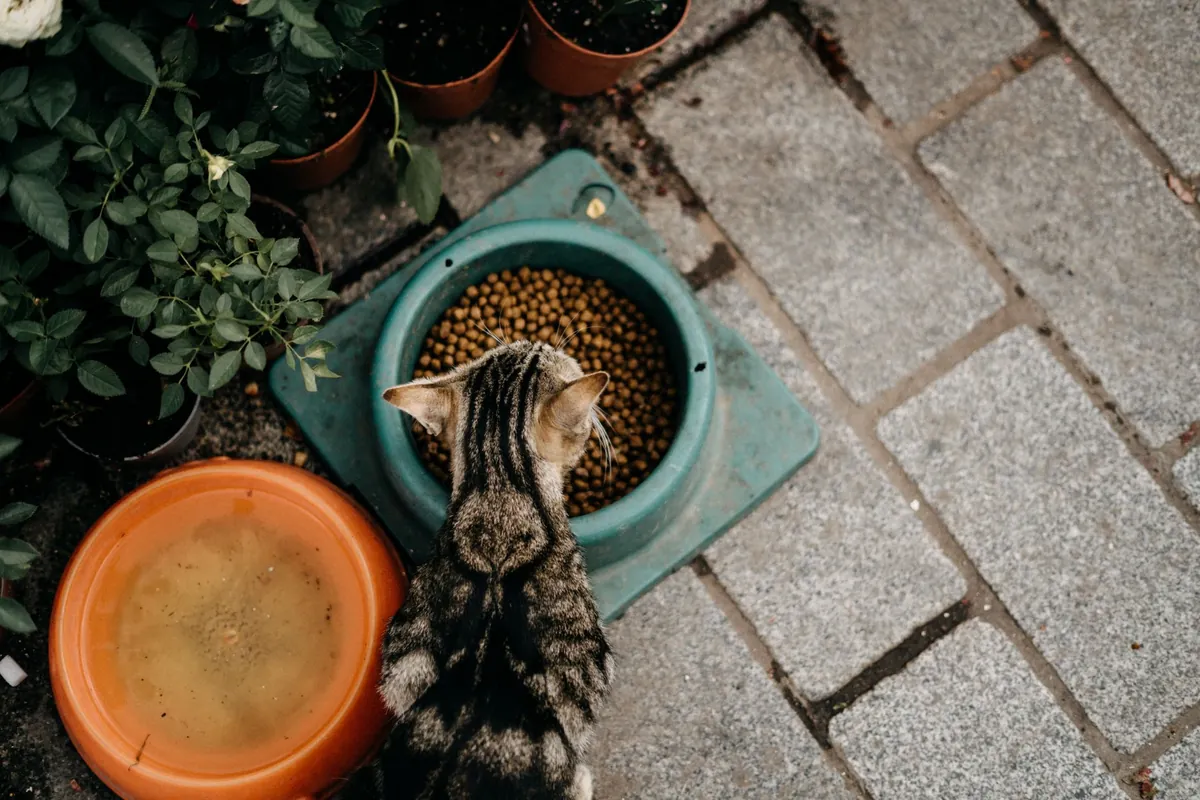
- Dry food: Convenient, helps dental health by reducing tartar but less hydrating.
- Mixing both: Many owners find a 70% dry and 30% wet combo balances hydration and convenience.
For example, a cat owner reported that after 6 months of mixing Purina dry and wet foods, their cat improved hydration and maintained a healthy weight.
How Does Purina Compare With Other Brands?
| Suitable For | Key Ingredients | Price Range | Feeding Amount | Ingredients to Avoid |
|---|---|---|---|---|
| All cats (kitten, adult) | Real meat, grains, vitamins | $20$50 per 15 lb bag | 2530g per kg body weight daily | Artificial dyes, high salt, by-products |
| Indoor cats | High protein, fiber | $25$55 per bag | 3035g per kg body weight daily | Excess fillers, unknown preservatives |
| Kittens | DHA, high protein | $25$45 per bag | Up to 50g per kg body weight daily | Excess grains, artificial flavor |
Compared to other brands like Friskies or generic supermarket brands, Purina offers a superior ingredient profile, better quality control, and promotes vet-backed nutrition. That said, premium boutique brands may have even higher meat inclusion but at a much steeper cost.
Curious about specialized formulas? Check out our guide to Pro plan hypoallergenic cat food for cats with sensitivities.
Popular Purina Cat Food Lines
Purina ONE
The Purina ONE range includes popular options such as Indoor Advantage and Natural Low Fat. These focus on natural ingredients and balanced protein. Key nutrients typically include around 40% crude protein, 1012% crude fat, and added vitamins for immune support. Owners appreciate its palatability and trusted ingredient sources.
Purina Pro Plan
The Pro Plan line targets specific health benefits:
- Indoor Cat Food: Designed for weight management and hairball control using higher fiber and moderate fat content.
- LiveClear Formula: Aims to reduce cat allergens, helping allergy sufferers.
While some users praise Pro Plans no carrageenan, soy, or wheat claims, its good to review ingredient labels personally, as discussed in online forums like Reddit. This transparency builds confidence in ingredient quality.
Purina Wet Cat Food
Wet food varieties offer appealing flavors like chicken, beef, and seafood. Their high water content supports hydration, especially valuable for senior cats or those with kidney concerns.
Purina Dry Cat Food
For budget-conscious buyers, Purina Cat Chow provides affordable dry options, though with simpler ingredient blends. Premium dry foods like Purina Pro Plan include enhanced nutrient profiles. Proper storage in airtight containers is crucial to preserve freshness and prevent rancidity.
Kitten and Indoor Formulas
Kittens require more calories and DHA for brain and eye development. Purinas kitten foods cater to growth needs, while indoor adult formulas help manage weight and minimize hairballs.

Feeding Guidelines & Safety
How Much Should I Feed My Cat?
Feeding amounts vary by formula and your cats size. Generally, feed dry food at roughly 2530 grams per kilogram of body weight daily. For instance, a 4 kg cat needs about 100120 grams daily. Wet food feeding depends on calorie density but usually ranges between 170200 grams daily for adult cats. Always check each packagings feeding chart for specifics.
What Are Red Flags for Adverse Reactions?
Be alert for symptoms like vomiting, diarrhea, excessive scratching, or hair losspossible signs of food allergies or sensitivities. Purinas LiveClear formula claims to reduce allergen exposure, potentially soothing some reactions. If symptoms persist, consult your vet promptly.
Can I Transition Between Purina Formulas Safely?
A gradual switch over 7 days is best to avoid digestive upset. Start by mixing 25% new formula with 75% old for 2-3 days, then 50/50 for the next 2-3 days, before fully switching. Observe your cat for any appetite changes or stool irregularities.
Is Purina Safe for Cats With Special Medical Conditions?
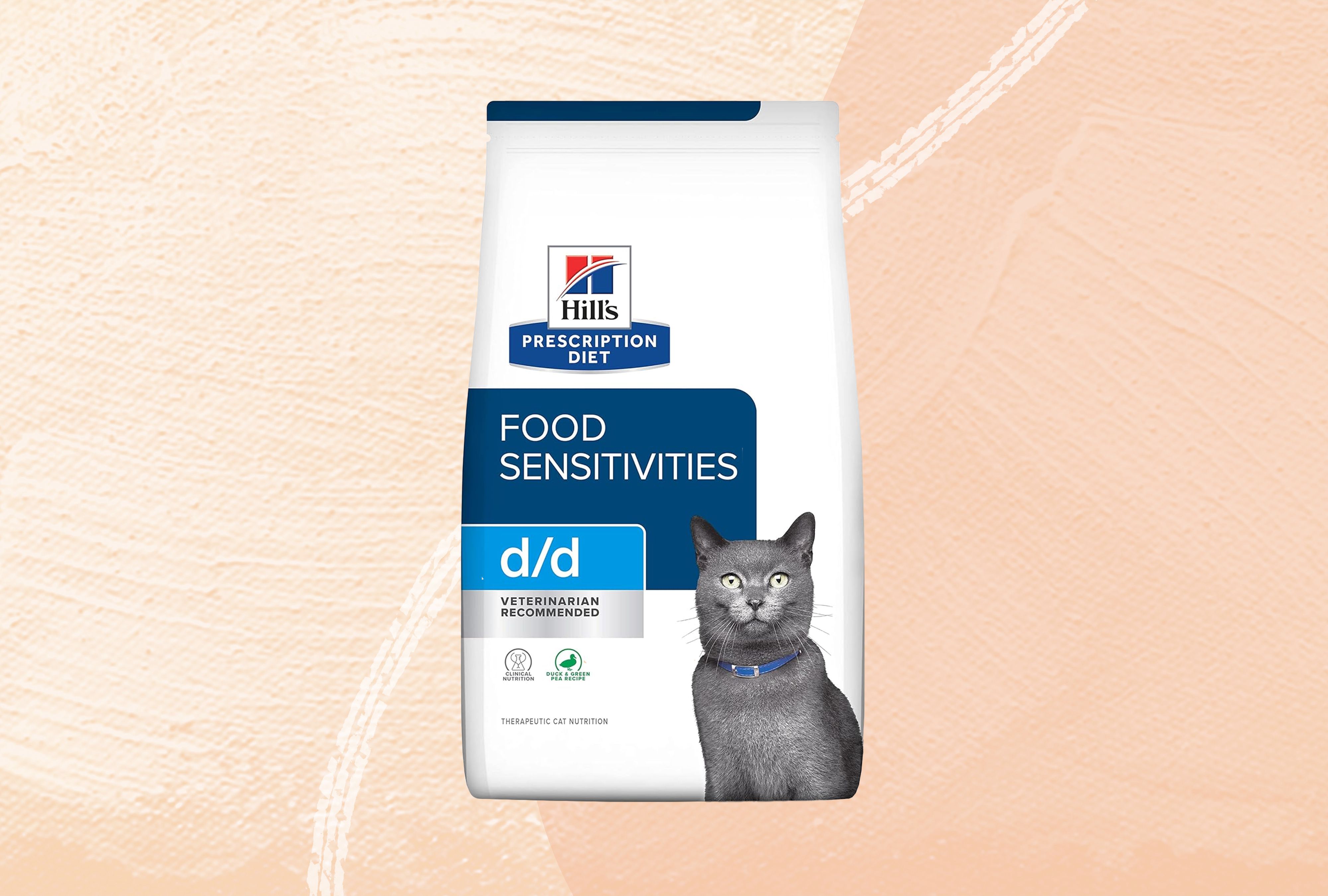
While many Purina products are vet-approved for general health, cats with kidney disease, diabetes, or obesity may require tailored diets. Purina does offer prescription lines for these conditions, but always follow your veterinarians advice before changing your cats diet.

Real-World Feedback
Success Stories: Thriving on Purina Pro Plan Indoor
A 5-year-old indoor cat recently shed excess weight after moving to the Purina Pro Plan Indoor line. The higher fiber content and balanced calories helped manage her weight and reduced hairballs, improving coat health and energy levels.
Common Complaints: Cost, Texture, Packaging
Some users find Purina‘s prices a bit higher than generic brands and report that dry food texture can be hard on sensitive teeth. Packaging concerns mainly focus on resealability and freshness over time.
Expert Rebuttal: Evaluating Price vs. Nutrition
Breaking down cost per calorie, Purina often offers a better nutritional value than cheaper brands, saving money on vet bills down the road. Remember, a slight premium may result in better health for your pet.
Where to Buy & Save
Official Website vs. Retailers
Purinas official website offers the full range of products and newest formulas. Big-box retailers like Walmart and Target carry many Purina lines, sometimes at discounted prices. Checking local pet stores can also yield promotional deals.
Subscriptions & Auto-Ship Discounts
Many retailers and online services provide subscription options that save up to 15% and reduce hassle with regular deliveries. Look into these if you want convenience and savings on bulk purchases.
Spotting Counterfeit Bags
Beware of counterfeit Purina bags. Genuine packages feature clear batch numbers, consistent branding, and high-quality printing. If a bag looks cheaply made or the price is exceptionally low, it might be counterfeit. Always buy from authorized dealers.

Is cat food Purina safe for my cat?
Yes, Purina cat food is generally safe and trusted by many veterinarians when fed as directed. Their formulas meet or exceed AAFCO standards. However, always select a formula appropriate for your cats life stage and health needs.
Which Purina cat food is best for indoor cats?
Purina Pro Plan Indoor stands out for indoor cats due to its weight management benefits and hairball control ingredients.
How do I know if my cat is allergic to Purina food?
Signs include excessive itching, vomiting, diarrhea, or coughing. If these appear after feeding Purina, discontinue and consult your vet. Some lines like LiveClear may reduce allergen reactions.
How often should I mix wet and dry Purina foods?
A 70% dry and 30% wet food ratio daily is common, with flavor rotation every 2 to 3 weeks to maintain interest.
Can kittens eat adult Purina cat food?
Kittens should consume kitten-specific formulas to meet their higher protein and calorie requirements for safe growth.
How long does it take Purina food to show health improvements?
Improvements like better coat shine or reduced hairballs can take 4 to 6 weeks with consistent feeding.
Is Purina better than Blue Buffalo cat food?
Both have strengths, but Purina offers a wider variety of vet-backed, condition-specific formulas. For detailed comparison, see our Blue buffalo hf cat food reviews.
How should I store Purina cat food for freshness?
Store dry food in airtight containers in a cool, dry place. Opened wet food should be refrigerated and used within 2 to 3 days to avoid spoilage.
Buying Tips for Purina Cat Food
One of the most overlooked mistakes is buying based solely on price. Cheaper formulas often use lower-quality fillers that can sacrifice nutrition. Investing in Purinas formulas with real meat listed first can help avoid this pitfall. Also, vet-backed tips include rotating flavors to prevent picky eating and consulting your vet about switching formulas, especially if health issues exist.
More You Might Like
Explore our extensive cat food guides for more on choosing the right diet by breed and health condition.
For cats with food sensitivities, check out detailed info on Pro plan hypoallergenic cat food.
If you‘re interested in alternative premium brands, our Blue buffalo hf cat food reviews article might help you decide.

Choosing the right cat food Purina offers sets the foundation for a healthy, vibrant feline life. Next time you shop, take a moment to read labels carefully, consider your cats lifestyle, and pick a formula fitting their needs. Your furry companion will thank you with a glossy coat and purring contentment.
FAQs
Is Cat food purina safe for my dog or cat?
Yes, Purina cat food is generally safe and trusted by many veterinarians when fed as directed. Their formulas meet or exceed AAFCO nutritional standards, supporting your pet’s health when you select products appropriate for their life stage and health needs.
How long does it take to see results with Cat food purina?
Health improvements such as a shinier coat or reduced hairballs typically appear within 4 to 6 weeks of consistent feeding with Purina cat food, depending on your cat’s health and diet transition.
How much Purina cat food should I feed my cat daily?
Feeding amounts vary by formula and cat size. Generally, dry food is fed at 25-30 grams per kilogram of body weight daily, while wet food ranges between 170-200 grams for adult cats. Always follow the specific feeding chart on the product packaging.
What signs indicate my cat may be allergic to Purina food?
Watch for symptoms like excessive itching, vomiting, diarrhea, coughing, or hair loss. If these occur after feeding Purina products, stop feeding and consult your veterinarian for diagnosis and advice.
How does Purina cat food compare to other popular brands?
Purina offers a broad range of vet-backed, condition-specific formulas with real meat as the first ingredient, generally providing better quality control than generic brands. While premium boutique brands may have higher meat content, Purina balances nutrition and affordability well.