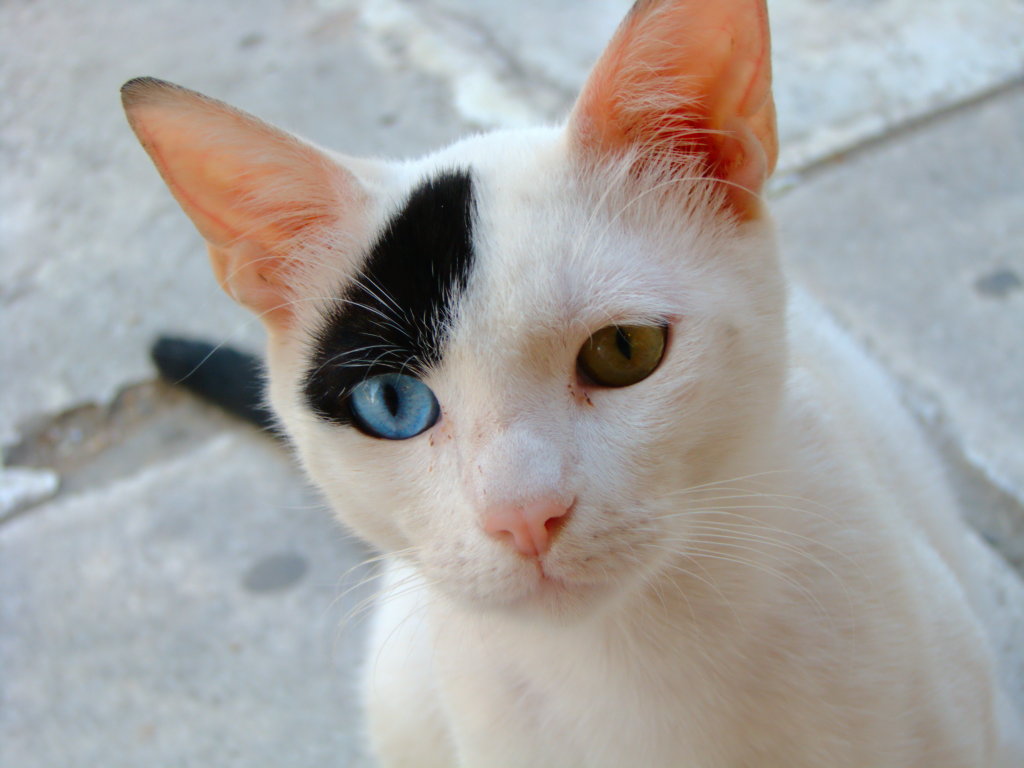
Looking for a feline friend that turns heads and sparks conversation? Youve landed in the right spot. Below youll find a straighttothepoint rundown of the 35 rare cat breeds that most people have never met, complete with quick facts, temperament hints, and where you might actually find one.
Grab a cup of tea, settle in, and lets explore these extraordinary cats together no longwinded history lessons, just the juicy bits you care about.
Why Cats Stay Rare
First things first: what makes a cat rare? Usually its a mix of tiny breeding populations, isolated geographic origins, and strict breed standards that keep numbers low. A handful of dedicated breeders guard the gene pool, and that scarcity drives both the mystique and the price.
Owning a rare feline can be a source of pride their striking looks and unique personalities set them apart from the usual tabby crowd. But theres a flip side: health issues can be more common, veterinary expertise might be harder to find, and the rare cat breeds for sale often come with a hefty price tag. Balancing excitement with responsibility is key.
The Full List
Sokoke Cat
Originating from Kenyas forested regions, the Sokoke sports a ticked, brindle coat that looks like a living work of art. Mediumsized, agile, and inquisitive, they love exploring high places. Rare cat breeds you can own often list the Sokoke, with a sokoke cat price ranging from $2,500 to $4,000.
Turkish Van
Famous for a love of water, the Turkish Van has a semilong, cashmere coat thats predominantly white with colored markings on the head and tail. Theyre strong swimmers, playful, and need plenty of space to roam.
LaPerm
The LaPerms curly, soft fur looks like a plush pillow. Originating in the U.S., theyre friendly, peopleoriented, and get along well with other pets. Their coat requires regular grooming to avoid tangles.
Kurilean Bobtail
Hailing from the Russian islands of the Kuril chain, this breed boasts a sturdy build, a thick double coat, and a stubby, expressive tail. Theyre affectionate, vocal, and love to be part of family activities.
Minskin
Think miniature dachshund meets cat the Minskin has short legs, a long torso, and a sleek, spotted coat. Theyre energetic, love climbing, and enjoy interactive toys.
Serengeti
Designed to look like a wild serval without any recent wild ancestry, the Serengeti features long legs, large ears, and spotted markings. Theyre active, need vertical space, and are very sociable.
Peterbald
Born in Russia, the Peterbald can be hairless or have a fine fuzz. Their elegant, slender bodies make them look like feline fashion models. Theyre loyal, crave human attention, and can be prone to skin sensitivities.
American Wirehair
With a wiry, springy coat that feels like a soft brush, this American rarity is playful and adaptable. Their temperament is easygoing, making them good companions for families.
Somali
Often called the longhaired Abyssinian, the Somali has a gorgeous, bushy tail and a ticked coat. Theyre inquisitive, love high perches, and are very vocal.
Japanese Bobtail
Famous for its pompom tail, the Japanese Bobtail is a cultural icon in Japan. Theyre energetic, love games, and have a sweet, almost doglike loyalty.
Chartreux
With an icy blue coat and copper eyes, the Chartreux looks like a silent, snowcovered guardian. Theyre calm, affectionate, and relatively lowmaintenance.
Australian Mist
Despite the name, this breed was developed in the U.K. It sports a spotted or marbled coat and a laidback temperament, perfect for indoor living.
Neva Masquerade
A colorpoint version of the Siberian, the Neva Masquerade has striking blue eyes and a fluffy double coat that glistens in winter light. Theyre friendly and love being the center of attention.
Turkish Angora
Elegant, with a silky, white coat and large ears, the Turkish Angora is both regal and playful. They thrive on mental stimulation and love interactive puzzles.
Singapura
One of the smallest cat breeds, the Singapura has a ticked ticked coat and golden eyes. Their tiny size makes them perfect for apartment living, though theyre still quite active.
Ukrainian Levkoy
This foldedear breed sported by a Ukrainian breeder has a distinctive ear shape and a short, plush coat. Theyre affectionate, curious, and love human companionship.
Banana Cat
Named for its bananashaped head, this exotic breed combines the looks of a wild cat with a domestic temperament. Theyre playful, energetic, and love climbing.
Chausie
A hybrid of the domestic cat and the jungle cat, the Chausie has a sleek, spotted coat and a muscular build. They need plenty of exercise and mental challenges.
Devon Rex
With large ears and wavy, short fur, the Devon Rex is a little elf in the cat world. Theyre extremely social, love to cuddle, and often seek lap time.
Korom Cat
Originating from Thailand, the Korat has a striking bluegray coat and emerald eyes. Theyre loyal, often forming strong bonds with a single person.
Pixiebob
Developed to look like a bobcat, the Pixiebob has a short, dense coat and a bobbed tail. Theyre calm, love being around people, and often enjoy fetch games.
Ragamuffin
Known for a plush, semilong coat and gentle disposition, the Ragamuffin is sometimes called the gentle giant of the cat world. They love being cradled and are great with kids.
Scottish Fold
Famous for its folded ears, the Scottish Fold is sweetmannered and enjoys a calm environment. Their coat can be short or long, and they get along well with other pets.
Siberian
Native to Russia, the Siberian has a thick, waterrepellent coat and a muscular build. Theyre hypoallergenic for many people and love climbing trees and high perches.
Savannah
A cross between a domestic cat and the African serval, the Savannah showcases tall legs, large ears, and spotted fur. Theyre highenergy, need lots of space, and often crave outdoor enrichment.
Somali
Another mention for its bushy tail, the Somali is affectionate, playful, and thrives on interaction. Their ticking coat changes shades with sunlight.
Thai
The Thai is essentially a modern version of the ancient Siamese, with striking point coloration and a sleek body. Theyre vocal, demanding, and love highenergy play.
Turkish Van
Repeated for emphasis on its love of water a great conversation starter at any cat party.
York Chocolate
This rare British breed sports a chocolatebrown coat and large amber eyes. Theyre gentle, enjoy cuddles, and are relatively easy to care for.
German Rex
Featuring a soft, wavy coat and a playful personality, the German Rex is a friendly, social cat that enjoys human interaction.
Burmese
While not ultrarare, the Burmeses sleek, solid-colored coat and love of people make them a cherished companion for many.
British Shorthair (Blue)
Known for its dense, plush coat and round face, the British Shorthair (especially the blue variant) is a calm, dignified cat ideal for quieter households.
American Curl
Famous for its uniquely curled ears, the American Curl is affectionate, playful, and adapts well to apartment living.
Exotic Shorthair
A shorthaired version of the Persian, the Exotic Shorthair has a plush coat and a sweet temperament, making grooming easier than its longhaired cousin.
Quick Comparison
| Breed | Origin | Coat Type | Size | Rarity Score | Typical Price | Ideal Home |
|---|---|---|---|---|---|---|
| Sokoke | Kenya | Ticked | Medium | Very Rare | $2,500$4,000 | Active, indoor/outdoor |
| Turkish Van | Turkey | Semilong | Large | Rare | $1,500$3,000 | Waterloving family |
| LaPerm | USA | Curly | Medium | Rare | $1,200$2,500 | Social apartment |
| Kurilean Bobtail | Russia | Double | Large | Rare | $2,000$3,500 | Quiet home |
| Minskin | USA | Short | Small | Rare | $1,800$3,000 | Playful family |
Notice the large rare cat breeds like the Turkish Van and Kurilian Bobtail. Their size and personality demand a bit more space, but the payoff is a truly majestic companion.
Choosing Your Breed
So, which beautiful rare cat breeds fit your lifestyle? Start by answering a few simple questions:
- Do you have room for a large cat that likes to climb?
- Whats your budget for purchase price, grooming, and possible health care?
- Would you prefer a coat thats lowshedding, like the shorthaired Sokoke, or are you ready for weekly brushing?
- Are you interested in adopting from a rescue or seeking rare cat breeds for sale from a reputable breeder?
Ask potential breeders about health guarantees, lineage, and socialization practices. A trustworthy breeder will gladly show you vet records and let you meet the kittens parents.
Caring for Rare Cats
Once youve welcomed a rare feline into your home, proper care keeps them thriving:
Nutrition
Highquality protein is a must. Some breeds, like the active Minskin, may need extra calories, while the sedentary Chartreux benefits from a moderate diet.
Grooming
Coats vary dramatically. The LaPerms curly fur needs weekly brushing to prevent matting, whereas the short, sleek coat of the Peterbald only needs occasional wipes. Dont forget to check ears and eyes, especially for breeds with folded ears like the Scottish Fold.
Health Monitoring
Rare breeds can carry genetic predispositions. For example, the Sokoke may be prone to hip dysplasia, while the Devon Rex can develop hereditary myopathy. Regular veterinary checkups and a diet rich in omega3 fatty acids can help mitigate many issues.
Enrichment
Almost every rare cat loves vertical space. Install cat trees, provide climbing shelves, and rotate puzzle toys to keep their minds sharp. The active Savannah and Serengeti especially enjoy hunt games that mimic their wild ancestors.
RealWorld Stories
Nothing beats hearing from people who actually live with these unique cats.
My First LaPerm
When I first met a LaPerm named Misty at a local cat show, her curly coat reminded me of a fluffy cloud. She followed me home, curled up on my lap during movie night, and quickly became the star of my Instagram feed. The only hiccup? A mild allergy to her shedfree fur, which I solved with a daily air purifier.
Rescuing a Korat
My friend adopted a bluegray Korat from a shelter that specialized in Asian breeds. The cat, called Jade, instantly bonded with her and turned into a confidante after long workdays. The shelter provided a health certificate, proving the importance of working with reputable organizations when looking for rare cats.
Breeder Insights: Keeping the Sokoke Gene Pool Healthy
I chatted with a Sokoke breeder who explained the challenges of maintaining genetic diversity. He only mates cats from different continents and runs annual health screenings. His dedication ensures that future generations stay robust, highlighting why you should seek out breeders who prioritize health over profit.
Conclusion
Exploring the world of rare cat breeds is like opening a treasure chest of color, personality, and history. From the waterloving Turkish Van to the curlycoated LaPerm, each breed offers a distinct blend of beauty and companionship. Remember, owning a rare cat is a rewarding responsibility celebrate their uniqueness, respect their needs, and youll forge a bond that lasts a lifetime.
Which of these 35 rare cat breeds captured your heart? Share your thoughts in the comments, ask any lingering questions, or let us know about the special cat already in your life. Were excited to hear your stories!
FAQs
What makes a cat breed considered rare?
A breed is labeled rare when its breeding population is small, often limited to a specific region, and maintained by a few dedicated breeders, keeping numbers low.
Are rare cat breeds more prone to health problems?
Because of limited gene pools, some rare breeds can have hereditary issues. Responsible breeders perform health screenings and provide guarantees to reduce risks.
How can I find reputable breeders for rare cat breeds?
Look for breeders affiliated with recognized cat registries, ask for health clearances, visit the cattery, and read reviews from previous buyers or rescue groups.
What are the typical price ranges for 35 rare cat breeds?
Prices vary widely; many fall between $1,200 and $4,000, while ultra‑rare types like the Sokoke can reach $2,500‑$4,000, depending on lineage and demand.
Which rare cat breed is best for a small apartment?
Breeds such as the LaPerm, American Curl, or Japanese Bobtail adapt well to indoor living and are affectionate without needing huge spaces.