Thinking about bringing an Australian Shepherd into your home? In a nutshell, theyre energetic, supersmart, and love having a job to do. But they also need plenty of exercise, consistent training, and a family that can keep up with their boundless enthusiasm. Below youll get the straighttothepoint facts on cost, temperament, size, health, and what life with an Aussie really looks like.
Choosing an Australian Shepherd
First off, ask yourself: do you have the time and space for a highenergy companion? Australian Shepherds thrive on mental challenges and physical activity. If youre an active person who enjoys hikes, agility games, or even backyard fetch, youll find a perfect match. If youre more of a couchpotato, another breed might suit you better.
Who is the ideal owner?
Owners who enjoy outdoor adventures, love training sessions, and can commit to daily mental stimulation are the best fits. Families with kids often love the Aussies playful nature, but remember they need boundaries and consistent rules.
What if you live in an apartment?
While theyre not the smallest breed, an Aussie can adapt to apartment life if you provide multiple long walks and play sessions each day. Pair this with indoor games like puzzle toys, and youll keep them happy. For more ideas on smalldog living spaces, check out Best small dog breeds for apartments.
Cost and Pricing Factors
Getting an Australian Shepherd isnt just about the initial purchase price; there are ongoing expenses to consider.
Australian Shepherd price range
On average, youll pay between $800 and $1,500 for a reputable breeders puppy. Prices can climb higher for showline bloodlines or if the pup has a unique coat color.
Additional costs to expect
- Vaccinations, spay/neuter surgery, and routine vet visits $300$600 per year.
- Highquality kibble and occasional raw or fresh diet $60$120 per month.
- Training classes or private sessions $100$250 per course.
- Grooming, toys, and accessories $150$300 annually.
Sample Annual Budget
| Expense | Estimated Annual Cost |
|---|---|
| Veterinary care | $400 |
| Food & treats | $900 |
| Training & enrichment | $200 |
| Grooming & supplies | $250 |
| Total | $1,750 |
Temperament and Personality
Australian Shepherds are often described as herding dogs at heart. Theyre alert, loyal, and have a strong desire to please.
Are they good with kids?
Yeswhen raised with children, theyre gentle and protective. However, their herding instinct can lead them to nudge or gently bite to guide unruly youngsters, so supervision is essential.
How do they behave with other pets?
They generally get along with other dogs, especially when early socialization is done. Their prey drive can be high, so introductions to cats or small animals should be gradual. If youre interested in families with both dogs and cats, you might also explore Best cat breeds for families with dogs.
Size, Height, and Lifespan
Understanding the physical traits helps you plan your living space and activity level.
Typical Australian Shepherd size
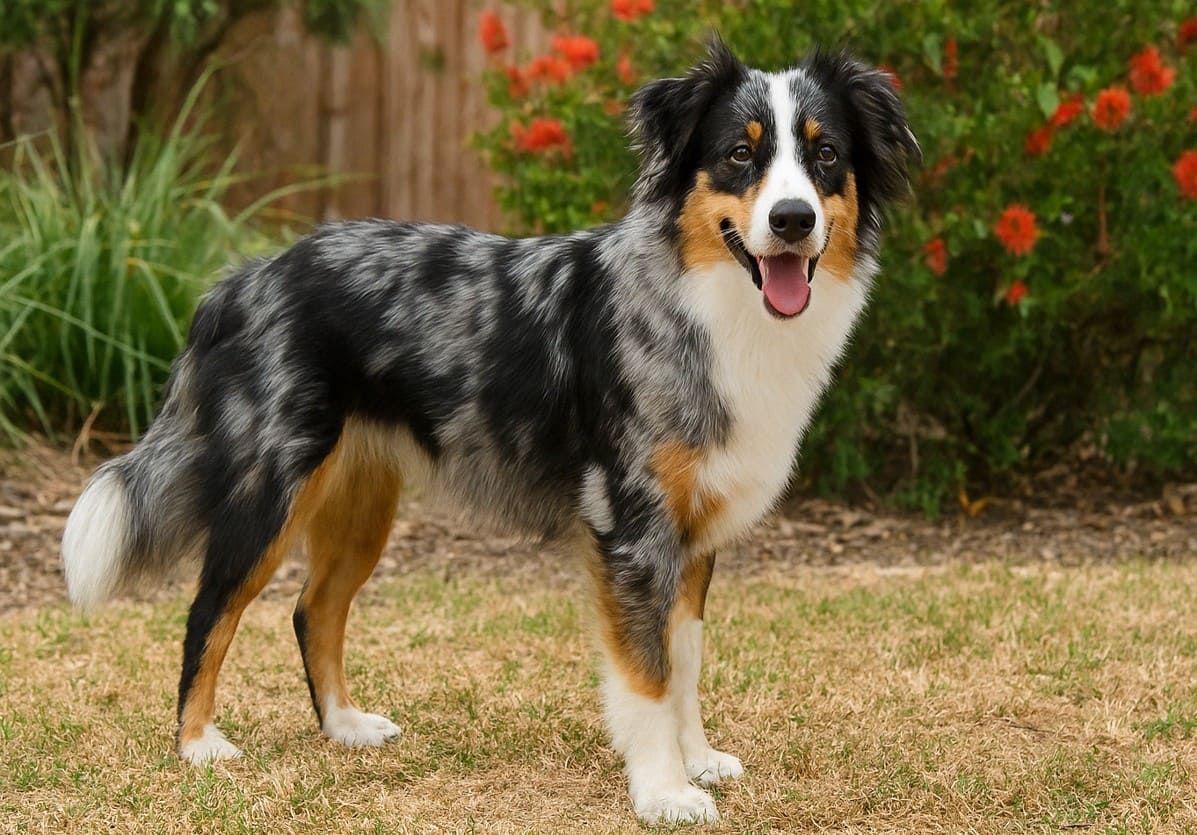
Adult males stand about 2023 inches tall at the shoulder, while females are slightly smaller at 1821 inches. Weight ranges from 4065 pounds depending on gender and build.
Mini Australian Shepherds
Mini Aussies are not a separate breed but a smaller version bred for size. They usually stand 1315 inches tall and weigh 2030 pounds. Their temperament mirrors the fullsize dog, so the same activity needs apply.
Lifespan expectations
With proper care, Australian Shepherds live 1215 years. The biggest health threatship dysplasia, eye disorders, and epilepsycan be minimized with regular vet checkups and responsible breeding.
Finding a Puppy or Adult
Whether youre after a wiggly puppy or a more settled adult, each choice has pros and cons.
Australian Shepherd puppies
Newborns are cute bundles of energy, but they require housetraining, socialization, and a solid foundation of obedience. Expect a lot of chewing and occasional accidents during the first few months.
Older Australian Shepherds for sale
Adopting an adult can be rewardingmany have basic training done and a calmer demeanor. Shelters and rescues often list Aussies looking for forever homes. Just be ready for a possible adjustment period as they learn your household rules.
Training and Exercise Needs
These dogs were bred to work all day, so they thrive on tasks that challenge both mind and body.
Basic obedience
Start with sit, stay, and comeuse positive reinforcement like treats and praise. Consistency is key; short, frequent sessions work best.
Advanced activities
- Agility coursesgreat for speed and confidence.
- Herding trialsif you have a farm or open space.
- Canine sports like flyball or obedience competitions.
Daily exercise checklist
- Morning 30minute brisk walk or jog.
- Midday interactive play (fetch, tugofwar).
- Evening mental game (puzzle toy, scent work).
- Weekly joblearn a new trick or task.
Health Risks and Care
Like any breed, Aussie health is a mix of genetics and lifestyle.
Common health concerns
- Hip Dysplasia: Keep weight in check and provide jointsupport supplements if recommended.
- Eye Conditions: Progressive retinal atrophy (PRA) and cataracts can appear; regular eye exams are vital.
- Epilepsy: Some lines carry a genetic predisposition; discuss family history with breeders.
Preventive care tips
Routine vet visits, a balanced diet rich in omega3 fatty acids, and daily dental hygiene (tooth brushing or dental chews) keep you ahead of many issues.
Mini Australian Shepherds: A Smaller Alternative?
If space or size is a concern, the Mini Australian Shepherd might feel like a perfect fit.
Do they need less exercise?
Nope. Mini Aussies retain the same energy level as their larger cousins. Expect the same commitment to daily walks and mental enrichment.
Are they healthier?
Health risks are similar; the reduced size does not eliminate hip dysplasia or eye problems. Choose a reputable breeder who healthscreens their lines.
Is an Australian Shepherd Right for You?
Summarizing the big points: theyre smart, loyal, and need a lot of activity. If you can commit 12 hours of exercise daily, love training, and have space for a lively dog, an Australian Shepherd can become a beloved family member.
Still unsure? Reach out to local breeders, attend a puppy social, or visit a rescue. Seeing the breed in person often clarifies whether their vibe matches yours.
Conclusion
Australian Shepherds bring boundless enthusiasm, sharp intellect, and a heart full of loyalty. Their price tag, size, and care needs are manageable when youre prepared for an active lifestyle. Whether you opt for a classic Aussie, a Mini, or adopt an adult, the bond youll form is truly special. Ready to take the next step? Start by researching reputable breeders, budgeting for lifelong care, and envisioning the adventures youll share. Your future Aussie companion is waitinggive them the love and purpose they crave, and theyll reward you with unforgettable moments.
FAQs
What is the typical size of an adult Australian Shepherd?
Adult males stand about 20‑23 inches tall and females 18‑21 inches, weighing between 40‑65 lb depending on gender and build.
How much exercise does an Australian Shepherd need daily?
They thrive on at least 1–2 hours of vigorous activity each day, including walks, play sessions, and mental stimulation such as puzzle toys or training.
Are Australian Shepherds good with children?
Yes, they are generally gentle and protective with kids, but their herding instinct may cause them to nudge or gently bite to guide children, so supervision and training are essential.
What are the common health issues for this breed?
Hip dysplasia, eye disorders (like PRA and cataracts), and epilepsy are the most frequently reported health concerns. Regular veterinary check‑ups and health‑screened breeding help reduce risks.
Can an Australian Shepherd live comfortably in an apartment?
Yes, provided they receive multiple long walks and daily play or mental enrichment. Indoor activities like puzzle toys and training games are crucial to keep them satisfied.