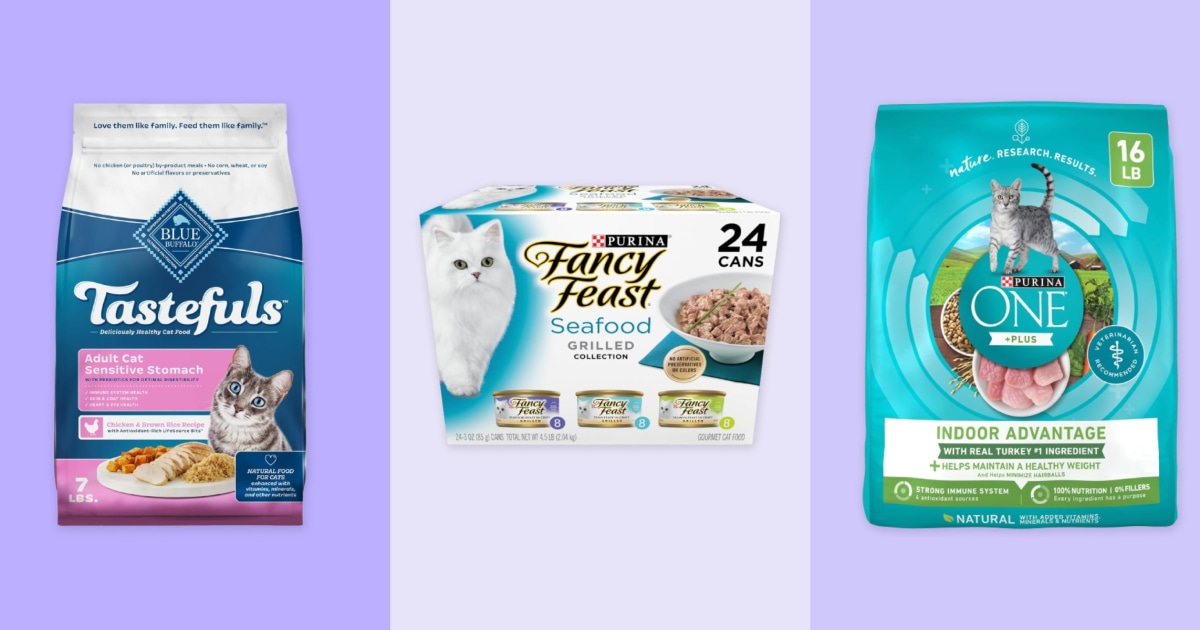
Got a kitty thats constantly scratching, shedding more than usual, or dealing with pesky skin flareups? Youre not alone, and the good news is that the right food can make a world of difference. Below youll find instantly useful answers, handpicked product recommendations, and practical tips to help your feline friend feel comfortable and happy again.
Why Choose Hypoallergenic
What makes a cat food hypoallergenic?
In the petfood world, hypoallergenic isnt a marketing buzzwordits a promise. These formulas typically use hydrolyzed proteins (broken down so the immune system cant recognize them as allergens) or novel protein sources that your cat has never encountered before. Limitedingredient diets also fall under this umbrella because they strip out common triggers like chicken, beef, and dairy.
Common signs your cat needs a hypoallergenic diet
Watch for a pattern of itching, hot spots, recurring ear infections, or even gastrointestinal upsets like vomiting and diarrhea. If youve tried shampoos or meds without lasting relief, food could be the hidden culprit.
Benefits vs. Risks a balanced view
Switching to the best hypoallergenic cat food can soothe skin allergies, reduce dander, and even improve coat shine. On the flip side, some formulas may be pricier, and strict diets can sometimes miss out on certain nutrients if youre not careful. Thats why a vetapproved plan, along with a wellrounded diet, is essential.
Top 7 Picks 2025
| Rank | Brand & Product | Type | Key Feature | Ideal For | Price |
|---|---|---|---|---|---|
| 1 | Hills Prescription Dietz/d | Dry & Wet | Hydrolyzed duck or venison | Severe skin allergies | $$$ |
| 2 | Royal Canin Veterinary Diet Hydrolyzed Protein | Dry | Hydrolyzed chicken | Foodrelated skin issues | $$$ |
| 3 | Purina Pro Plan LiveClear | Dry | Allergenreducing formula, dander control | General sensitivities | $$ |
| 4 | BlueBuffalo Basics Limited Ingredient | Dry & Wet | Single novel protein (turkey) | Mild allergies | $$ |
| 5 | Stella & Chewys Raw FreezeDried | Wet | Raw, novel protein, wholefood ingredients | Owners wanting a raw approach | $$$ |
| 6 | Wellness CORE GrainFree Limited Ingredient | Dry | Single protein (salmon) | Fishbased allergies | $$ |
| 7 | Natural Balance L.I.D. | Dry | Multiple novel proteins, lowadditive | Budgetfriendly option | $ |
Hills Prescription Dietz/d
This is often the first recommendation from vets when dealing with severe reactions. The hydrolyzed duck and venison proteins are broken down so tiny that your cats immune system cant flag them as threats. Its available in both kibble and pate, making it easy to transition.
Pros & Cons
Pros: Clinically proven, excellent for both skin and GI issues, widely available.
Cons: Higher price point, prescriptiononly in many regions.
Royal Canin Veterinary Diet Hydrolyzed Protein
Royal Canins version uses hydrolyzed chicken, which some cats tolerate better than beefbased formulas. Its a solid choice if youve already tried duckbased foods without success.
Pros & Cons
Pros: Vetformulated, consistent ingredient sourcing.
Cons: Slightly bland taste for picky eaters, again prescriptiononly.
Purina Pro Plan LiveClear
LiveClear is marketed as an allergenreducing diet that also helps cut down on dandergreat if you or your family members have cat allergies.
Pros & Cons
Pros: More affordable, no prescription needed, good dry kibble texture.
Cons: Not as aggressively hydrolyzed as prescription options, so it may work best for mild sensitivities.
BlueBuffalo Basics Limited Ingredient
For owners who prefer a single, novel protein source, this line uses turkey (or duck) as the star. The grainfree version can also be a good match for cats with both protein and grain sensitivities.
Pros & Cons
Pros: Simple ingredient list, moderate price, both dry and wet formats.
Cons: Limited flavor variety; some cats may tire of the same protein.
Stella & Chewys Raw FreezeDried
If youve ever wondered whether a raw diet could help your cats skin, this product offers a convenient, freezedried alternative. Its a novelprotein, rawstyle option that keeps the diet interesting.
Pros & Cons
Pros: High moisture, freshlike texture, often praised for coat improvement.
Cons: More expensive, requires rehydration, and raw diets can raise safety concerns if not handled properly.
Wellness CORE GrainFree Limited Ingredient
Salmon is the featured protein, making this a solid choice for cats that can tolerate fish but react to poultry or beef.
Pros & Cons
Pros: Grainfree, high protein, reasonable price.
Cons: Some cats develop fish allergies over time; always monitor for new reactions.
Natural Balance L.I.D.
A walletfriendly option that still sticks to the hypoallergenic principle by offering multiple novel proteins like duck, rabbit, or venison.
Pros & Cons
Pros: Budgetconscious, widely available in bigbox stores.
Cons: Not as rigorously tested as veterinaryprescription brands.
Choosing the Right Food
Assessing your cats specific triggers
Before you commit to any brand, a vetguided elimination diet is the gold standard. Typically, youll feed a single novel protein for 812 weeks and watch for improvements. If symptoms fade, youve likely nailed the culprit.
Dry vs. Wet: Which suits allergic cats?
Both formats can be hypoallergenic, but they serve different needs. Dry kibble (think Best dry food for cats) is convenient and helps keep teeth clean, while wet or rawstyle meals (like hypoallergenic wet cat food) boost hydration and often contain fewer fillers.
Reading the label: Red flags and musthave statements
Look for terms like hydrolyzed protein, limited ingredient, or single novel protein source. Avoid vague claims such as natural or grainfree without further detailthose are marketing buzzwords, not guarantees.
Budget and sustainability considerations
Prescription diets can cost $3$5 per pound, while limitedingredient kibble may sit around $2 per pound. Many manufacturers offer subscription services that shave 1015% off the regular price.
Owner Stories
Lunas journey from flaky skin to glossy coat
When Luna first came to my house, she was constantly scratching and had visible hot spots on her sides. After a vetrecommended trial of Royal Canin hypoallergenic cat food, the redness faded within three weeks. The real kicker? Her coat went from dull to a glossy, Iveneverseenthisbefore sheen.
Veterinarian perspective
Dr. Elena Martinez, a feline nutrition specialist, says, Hydrolyzed diets are the most reliable way to rule out foodborne allergies. However, owners must stay consistentany slip can reintroduce the allergen and set back progress.
Community pulse
On Reddit threads about the Top 10 cat food list, many cat parents rave about Hills z/d and Purina LiveClear, but they also caution that what works for one cat might not work for another. The consensus? Pair the food change with a vet checkup for best results.
Buying Guide
Trusted retailers and why they matter
Purchasing from reputable sources such as Chewy, Amazon, or directly from the manufacturer ensures the product hasnt been tampered with, which is especially important for hydrolyzed formulas that lose efficacy if exposed to heat or moisture.
Spotting counterfeit or expired foods
Always check the batch number and expiration date on the package. If a deal sounds too good to be trueespecially on obscure marketplacesskip it. Counterfeit foods may contain undisclosed allergens.
Subscription services and consistency
Most brands now offer autoship options. Consistent feeding is crucial; a sudden switch back to regular kibble can reignite symptoms. Plus, many subscriptions bundle a free sample of a wet formula, letting you test both dry and wet hypoallergenic options without extra cost.
Why do vets not like grainfree cat food?
While grainfree has its fans, some vets worry about the higher carbohydrate load that certain grainfree recipes bring, which can strain a cats kidneys over time. Its not that grainfree is bad, but rather that each cats metabolic needs must be considered. Pair a grainfree diet with regular blood work if you decide to go that route.
Bottom Line
If your furry friend is battling skin allergies or chronic itch, the best hypoallergenic cat food can be a gamechanger. Start with a vetguided elimination trial, choose a formula that matches your cats tolerance (dry, wet, or rawstyle), and stay consistent. Remember, no single brand is a universal cureyour cats unique biology will guide the final decision.
Ready to give your cat the relief it deserves? Grab a sample of Hills Prescription Dietz/d or Purina LiveClear, monitor the results, and dont forget to share your success story with other cat lovers. Together, we can turn those endless scratching sessions into purrfilled cuddle marathons.
Conclusion
Choosing the right hypoallergenic diet isnt just about ticking boxes on a labelits about listening to your cats body, partnering with a trusted veterinarian, and providing consistent, balanced nutrition. With the top picks highlighted above and a clear roadmap for selecting, transitioning, and buying, you now have a solid plan to soothe skin allergies and boost overall wellbeing. If you have questions, experiences, or tips to add, jump into the conversation belowyour story might be exactly what another cat parent needs to hear.
FAQs
How can I tell if my cat needs a hypoallergenic diet?
Typical signs include persistent itching, hot spots, ear infections, excessive shedding, or recurring vomiting/diarrhea that don’t improve with regular treatments.
What’s the difference between hydrolyzed protein and limited‑ingredient cat foods?
Hydrolyzed proteins are broken into tiny fragments the immune system can’t recognise as allergens, while limited‑ingredient formulas simply reduce the number of potential triggers by using a single, novel protein source.
Can I feed my cat both dry and wet hypoallergenic foods?
Yes. Mixing formats can improve hydration and variety, as long as both products follow the same hypoallergenic principle (hydrolyzed or novel protein).
Do hypoallergenic cat foods work for cats with both skin and gastrointestinal allergies?
Most veterinary‑prescribed hypoallergenic diets are formulated to address both skin and GI issues, offering relief for itching, upset stomach, and diarrhea.
How long should I trial a hypoallergenic food before seeing results?
A typical elimination trial lasts 8–12 weeks. Noticeable improvements often appear within 2–4 weeks, but full symptom resolution may take the entire trial period.