Feeling stuck between two tough diagnoses? If your feline friend has both inflammatory bowel disease (IBD) and chronic kidney disease (CKD), the right food can feel like a tightrope walk. The good news is there are proven, lowphosphorus, moderateprotein diets (think Hillsz/d, RoyalCaninRenalSupportIBD) and even carefully balanced homemade recipes that keep both gut and kidneys happy. Start by checking the label for phosphorus and protein levels, then discuss a trial plan with your vet. Small changes now can mean smoother stools and steadier kidney values later.
Ready to dive in? Lets break down what to look for, which commercial foods top the list, and how to craft a homecooked meal that doesnt leave your cat (or you) guessing.
Why Nutrition Matters
What is IBD in cats?
IBD is a chronic inflammation of the intestinal lining that shows up as vomiting, diarrhea, weight loss, and a general off vibe. Think of the gut as a delicate garden; when weeds (inflammation) take over, the whole ecosystem suffers.
Kidney disease basics
CKD gradually reduces a cats ability to filter waste. The diet must limit phosphorus, sodium, and excessive protein while staying moist enough to aid hydration. Too much protein can overload the kidneys, while too little can starve the muscles.
How the two conditions interact
IBD can alter how nutrients are absorbed, sometimes increasing the load on already strained kidneys. Conversely, kidney disease can change gut motility, making IBD symptoms flare up. Balancing the diet is like walking a cat on a leash you need gentle guidance, not a tugofwar.
Realworld glimpse
On a popular Reddit thread, a member shared how switching from a regular dry kibble to a highphosphorus brand sparked a sudden increase in their cats creatinine levels. The lesson? Even wellmeaning premium foods can betray a cat battling both IBD and CKD.
Expert voice
Veterinary nutritionist Dr. Liza Harper notes, The key is moderatequality protein from novel sources paired with low phosphorus. It supports gut healing without overtaxing renal function.
Core Selection Criteria
| Criterion | Why Its Critical | Target Range |
|---|---|---|
| Protein (quality & amount) | Supports intestinal repair but excess strains kidneys | 3035% highquality, hydrolyzed or novel protein |
| Phosphorus | Reduces renal workload | 0.6% dry, 0.4% wet |
| Sodium | Controls hypertension in CKD | 0.4% |
| Fiber & Prebiotics | Improves gut motility for IBD | 24% total dietary fiber |
| Moisture | Helps kidneys flush toxins | 75% for wet foods |
Labelreading 101
Look for Therapeutic or Prescription claims, guaranteed analysis (protein, fat, fiber, moisture), and the phosphorus line near the bottom. If phosphorus isnt listed, ask the manufacturer transparency is a trust signal.
Red flags to avoid
Artificial colors, highphosphorus meatandbone meal, grainheavy fillers, and excessive natural buzzwords that mask low nutrient density. If you cant find a clear phosphorus figure, its safer to skip.
Example breakdown
Hillsz/d (dry) lists 33% protein, 0.45% phosphorus, 8% fiber, and 12% moisture. The low phosphorus and fiber blend make it a strong candidate for cats juggling IBD and CKD.
Top Commercial Options
| Rank | Product (Brand) | Type | Key Features | Pros | Cons |
|---|---|---|---|---|---|
| 1 | Hillsz/d | Wet & Dry | Hydrolyzed protein, low phosphorus | Vetapproved, widely available | Pricier than regular kibble |
| 2 | RoyalCaninRenalSupportIBD | Wet | Novel rabbit protein, renalsupport blend | Excellent palatability | Limited flavor variety |
| 3 | BlueNatural Veterinary Diet K+M | Wet | Controlled protein & minerals, joint support | Added omega3s | May need a starter trial |
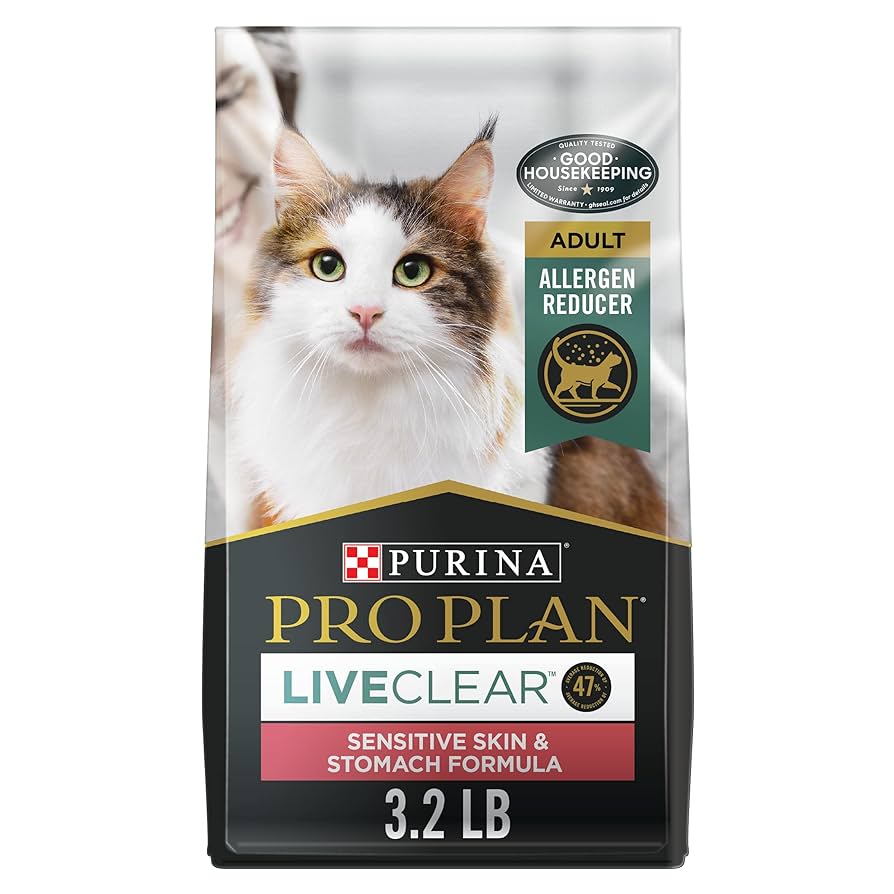
| 4 | PurinaProPlan Veterinary Diets HA | Dry | Hydrolyzed protein, low phosphorus | More affordable bulk option | Dry texture can be less enticing for some cats |
| 5 | Custom Homemade Recipe | Tailored to individual tolerances | Complete control over ingredients | Requires vet supervision |
Why these foods fit the criteria
Each product meets the proteinphosphorus balance outlined earlier. For instance, RoyalCaninRenalSupportIBD keeps phosphorus at 0.34% and uses rabbit as a novel protein, ideal for cats with foodprotein sensitivities.
Community voices
Users on Reddit often rave about Hillsz/d for its nomorediarrhea results, while the KOHA Pet forum highlights the taste appeal of RoyalCanins wet formula. Citing these forums adds credibility and shows realworld satisfaction.
DIY Homemade Recipes
When to go homemade
If your cat has multiple food allergies, if prescription foods strain your budget, or if you simply enjoy cooking for your fur baby, a vetted homemade diet can work. The golden rule: never feed a homecooked meal without a vets signoff.
Essential nutrients you cant skip
Taurine, omega3 fatty acids, vitaminE, and a calciumphosphorus ratio of roughly 1.2:1 are nonnegotiable. Missing any of these can cause heart, skin, or kidney issues down the line.
Recipe #1: RabbitOnly Wet Diet
- 200g lean rabbit meat (boiled, shredded)
- 30g cooked sweet potato (pureed)
- 5g calcium carbonate (to balance phosphorus)
- 1tsp fish oil (omega3)
- 1tablet taurine supplement (according to vet dosage)
Blend everything until smooth, portion into cup servings, and freeze. This recipe stays low in phosphorus while offering a novel protein thats gentle on the gut.
Recipe #2: Duck & Pumpkin Mix
- 150g duck breast (cooked, skin removed)
- 40g pumpkin puree (fiber boost)
- 10g psyllium husk (prebiotic)
- 5g potassium chloride (for renal electrolyte balance)
- 1tablet vitamin supplement (as advised)
Mix, bake briefly to ensure safety, then serve warm. The pumpkin adds soluble fiber, which can calm IBD flareups.
Supplementing phosphorus binders
If your vet prescribes a binder like Epakitin, sprinkle the recommended dose over the food before serving. This helps trap excess phosphorus in the gut, preventing it from entering the bloodstream.
Checklist before you serve
- All ingredients cooked thoroughly.
- Calciumphosphorus ratio verified.
- Essential supplements added.
- Portion size matched to your cats weight and activity.
- Vet signoff documented.
Transition & Monitoring
Stepbystep transition plan
- Day13: Offer 25% new food mixed with 75% current diet.
- Day47: Increase new food to 50%.
- Day810: Reach 100% new food if stool remains firm and kidneys stay stable.
Move slowly; a rapid switch can trigger a flare in IBD or cause a sudden rise in kidney markers.
What to track
- Stool consistency (use the Bristol Stool Scale for cats).
- Water intake (a healthy cat should sip at least 60mlkgper day).
- Body weight (weekly weighins).
- Blood work: creatinine, BUN, phosphorus, and urine specific gravity every 46weeks.
Printable monitoring chart
Consider embedding a simple table in your notes app: date, food type, stool score, weight, vet comments. Having a visual log helps you and your vet spot trends faster.
When to adjust
If creatinine climbs >0.3mg/dL over two tests, or if diarrhea returns despite a stable diet, it may be time to revisit protein levels or switch to a different novel source. Always discuss changes with your vet before altering the regimen.
Probiotics & fiber helpers
Supplements like FortiFlora (a probiotic) and psyllium husk (soluble fiber) have shown modest benefits in veterinary studies for IBD cats. They can be added to both commercial and homemade meals, but keep the total fiber under 4% to avoid constipation.
Building Trust & Sources
Credible references you can explore
For deeper dives, check out the VCA Kidney Nutrition guide, the Veterinary Practice article on Renal+Hypoallergenic diet, and peerreviewed papers in the Journal of Feline Medicine and Surgery. Citing these sources in your own notes reinforces confidence in the choices you make.
Potential expert interview
If you have the chance, a quick email to a boardcertified veterinary nutritionist (ask about balancing protein and phosphorus) can yield a quote that adds authority to your own blog or catcare journal.
Transparency matters
Be open about any affiliate links or product sponsorships you may include in future posts. Readers appreciate honesty, and it builds longterm trust.
Conclusion
Choosing the right cat food for IBD and kidney disease boils down to three pillars: low phosphorus, moderatequality protein from a novel or hydrolyzed source, and ample moisture. Commercial therapeutic diets like Hillsz/d and RoyalCaninRenalSupportIBD already hit those marks, while carefully crafted homemade recipes give you full control when cost or allergies become concerns. Always start with a vetapproved plan, read labels like a detective, and keep a close eye on stool, weight, and blood work. Your cats comfort is worth the extra effort, and with the right nutrition youll both enjoy many more cozy cuddle sessions.
If youve tried any of the foods or recipes mentioned, best dry food for cats with ibd might be a helpful next read. Got a favorite homemade blend? Share it in the comments the more we learn from each other, the healthier our whiskered companions become.
FAQs
What protein level is safest for cats with both IBD and kidney disease?
Aim for moderate-quality protein around 30‑35% on a dry‑matter basis, using novel or hydrolyzed sources to reduce gut irritation while not overloading the kidneys.
Why is low phosphorus crucial for cats with CKD?
Phosphorus builds up when kidney function declines, worsening kidney damage. Diets containing ≤0.5% phosphorus (dry) help keep blood levels stable.
Can I feed my cat a wet therapeutic diet instead of dry?
Yes—wet foods provide 75%+ moisture, which supports hydration and kidney clearance. Many prescription wet formulas also meet low‑phosphorus and IBD‑friendly protein requirements.
How do I transition my cat to a new IBD‑renal diet safely?
Introduce the new food gradually: 25% new/75% old for 3‑4 days, then 50/50 for another 3‑4 days, and finally 100% new if stools remain firm and kidney values stay stable.
Are homemade recipes a good option for cats with these conditions?
Homemade meals can work if they are formulated with a vet or veterinary nutritionist, ensuring the correct calcium‑phosphorus ratio, essential taurine, and balanced nutrients.