Hey there, fellow cat lover! If youve ever stared at a puzzled whiskered face while wondering why your furball keeps itching or having tummy troubles, youre in the right place. Below youll get straighttothepoint answers about Blue buffalo hydrolyzed cat food wet what it does, who it helps, and whether its worth a spot in your pantry.
Quick Answer Overview
Is it safe for foodsensitive cats?
Yes. This formula is built on hydrolyzed salmon, which breaks proteins into tiny fragments that most cats immune systems cant recognize as allergens. Vets often prescribe it for cats with confirmed food allergies, and many owners notice a drop in itching, ear infections, and digestive upsets within a couple of weeks.
How does hydrolyzed protein work?
Think of protein like a puzzle. Regular meat proteins are big pieces that an allergic cats immune system can easily spot and overreact to. Hydrolysis shatters those pieces into microscopic crumbs, making them invisible to the allergic response. The result? Less inflammation, smoother digestion, and a happier kitty.
Where can I buy it and at what price?
Youll find the wet cans at major pet retailers Amazon, Chewy, PetSmart, and even directly from the BlueBuffalo website. A 24can case usually runs around $70$80, which translates to roughly $0.30 per ounce a bit pricier than regular wet food, but many owners say the health payoff justifies the cost.
Hydrolyzed Protein Basics
What is a hydrolyzed diet?
In a nutshell, a hydrolyzed diet uses enzymes to split proteins into sizes under 10,000 Daltons. Those tiny fragments cant trigger the IgE antibodies that cause classic allergic reactions. This science isnt brandnew; its been a staple in veterinary nutrition for over two decades, especially for cats with chronic skin or gastrointestinal issues.
Common allergens in regular cat food
Most commercial diets lean heavily on chicken, beef, and dairy the usual suspects for feline allergies. If your cats been scratching, licking, or having soft stools, one of these proteins could be the culprit. Switching to a hydrolyzed formula like BlueBuffalos removes those bigprotein triggers, giving your cat a fresh start.
Why hydrolyzed salmon?
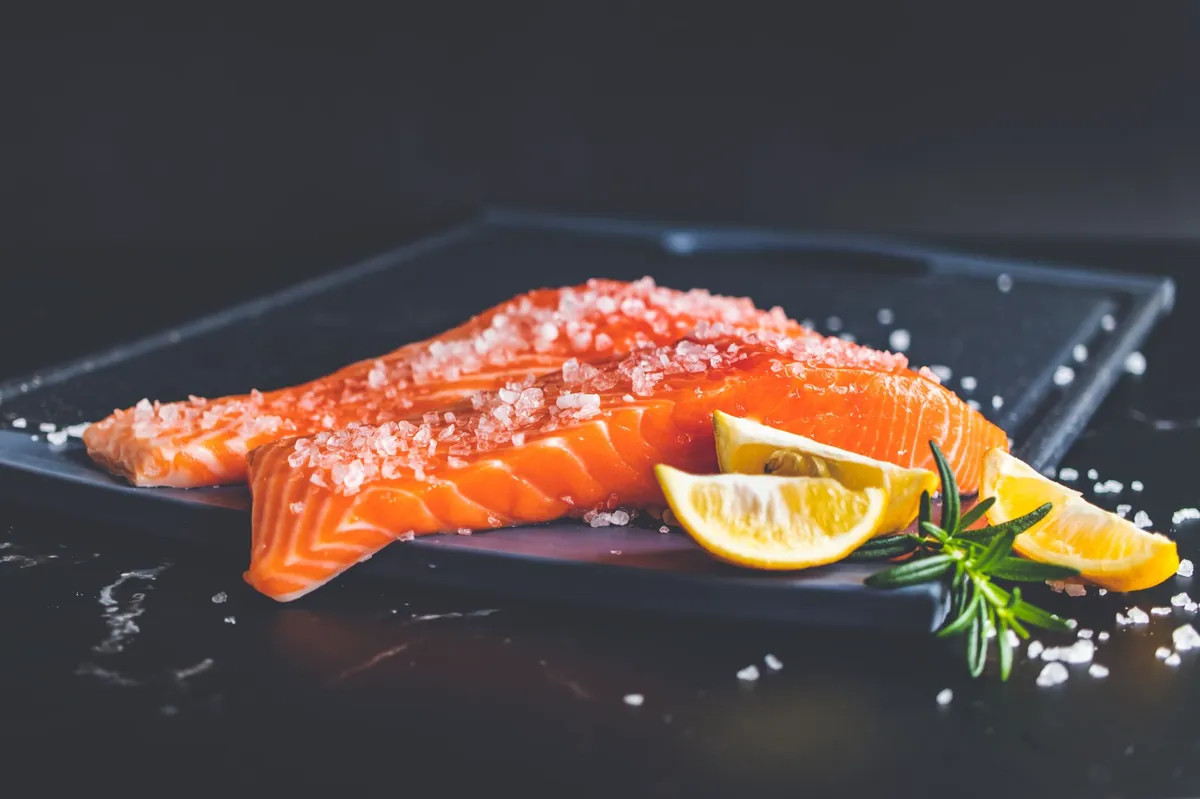
Salmon is a highquality, highly digestible source of omega3 fatty acids, and when its hydrolyzed, it retains those benefits while shedding the allergenic potential. It also offers a pleasant aroma that many picky eaters actually enjoy, which is a nice bonus compared to some other hydrolyzed products that can taste meh.
Product Deep Dive
Key ingredients & nutritional profile
Each can lists hydrolyzed salmon as the first ingredient, followed by a blend of fish oil, flaxseed, and a modest amount of carrots for added fiber. The formula is grainfree, low in carbohydrates, and fortified with taurine the essential amino acid cats cant synthesize on their own.
How it supports a sensitive stomach
The diet skips common allergens like chicken, beef, dairy, and even soy. It also includes prebiotic fibers that help nurture healthy gut bacteria, which can further calm digestive upsets. In short, its a cleanup crew for an upset tummy.
Realworld experiences
Take Milo, a 4yearold tuxedo cat. His owner noticed chronic ear infections and a flaky coat. After a vetguided trial with Blue buffalo hydrolyzed cat food wet, Milos ears cleared up in two weeks and his skin stopped itching. On the flip side, Whiskers, a finicky senior, initially turned his nose up at the wet texture but started eating it when the owner warmed the cans slightly to boost the aroma.
Comparison Table
| Feature | Blue Buffalo HF Wet | Royal Canin Hypoallergenic | Hills z/d Wet | Purina HA |
|---|---|---|---|---|
| Primary protein | Hydrolyzed salmon | Hydrolyzed chicken | Hydrolyzed soy | Hydrolyzed soy |
| Grainfree | ||||
| Omega3 DHA | ||||
| Prescription needed | Yes | Yes | Yes | Yes |
| Price (24 cans) | $70$80 | $85$95 | $90$100 | $78$85 |
| Palatability (avg.) | 4.2/5 | 3.9/5 | 3.5/5 | 4.0/5 |
What reviewers are saying
Scrolling through Blue buffalo hf cat food reviews, the common theme is relief. Owners rave about reduced scratching and clearer stools, though a few note that the wet consistency can be a bit gelatinous for their particular cat. Overall, the sentiment leans heavily positive, especially when the diet is paired with veterinary guidance.
Choosing the Right Food
When to switch to a hydrolyzed diet
If your cat shows any of these signs, its time to talk to your vet:
- Persistent itching, hair loss, or hot spots.
- Recurrent ear infections or otitis.
- Chronic vomiting or soft, greasy stools.
- Visible food intolerance after a new brand.
Your vet will likely suggest an elimination trial typically 810 weeks on a novel protein, followed by a hydrolyzed diet if symptoms persist.
Factors beyond the label
Besides the hydrolyzed protein, consider:
- Palatability Some cats refuse wet food if the texture feels too slick. Warm it up slightly for aroma.
- Cost per day While the price seems higher, think of the potential savings on vet visits and medication.
- Availability Prescriptiononly foods may require a vets electronic order. Check if your pharmacy or retailer stocks it.
DecisionMaking Checklist
- Confirm allergy via vet.
- Verify hydrolyzed protein source (salmon vs. chicken).
- Look for added nutrients (omega3s, taurine).
- Review price & shipping options.
Buying Guide & Prices
Online retailers & price comparison
Heres a quick snapshot of where you can snag a case:
- Amazon Often has Prime shipping; price hovers around $72 for 24 cans.
- Chewy Autoship discount can shave $5 off each case.
- PetSmart / Petco Instore pickup is convenient; sometimes run instore promotions.
Prescription process made easy
Ask your veterinarian to send an electronic prescription directly to the retailer. Most sites let you upload the prescription PDF, or the vet can email it to the retailers pharmacy department. Once approved, youll get a confirmation email with shipping details.
Discount & coupon tips
Head to the official BlueBuffalo website for printable coupons (usually $5$10 off a 24can case). If youre a regular Chewy shopper, the Subscribe & Save program offers an additional 10% off.
Benefits vs Risks
Benefits recap
Switching to Blue buffalo hydrolyzed cat food wet can give your cat:
- Reduced allergen exposure.
- Improved skin health and coat shine.
- Balanced omega3 fatty acids for inflammation control.
- Digestive comfort thanks to lowresidue ingredients.
Potential drawbacks
Nothings perfect, and its good to be realistic:
- Higher price point compared with regular wet foods.
- Texture Some felines find the gellike consistency offputting.
- Limited flavors Currently only the salmonbased version is offered.
Mitigation strategies
Want to smooth out the rough edges? Try mixing a spoonful of plain canned pumpkin (unsweetened) with the wet food to add a subtle sweetness and improve texture. Warm the can for 1015 seconds in the microwave the aroma becomes irresistible for many picky eaters.
Wrapping It All Up
In a nutshell, Blue buffalo hydrolyzed cat food wet is a sciencebacked, veterinarianapproved option for cats plagued by foodrelated allergies or sensitive stomachs. It delivers the benefits of hydrolyzed protein lower allergenicity and better digestion while packing omegarich salmon for a glossy coat.
If you suspect your cats itching or upset tummy is foodrelated, start the conversation with your vet. A short trial on this hydrolyzed diet could mean less scratching, fewer vet bills, and a calmer, happier cat. And hey, if youve already tried it, wed love to hear your story! Drop a comment below, share your cats beforeandafter moments, or ask any lingering questions. Together we can make our whiskered friends thrive.
For more deepdive info on hypoallergenic options, check out our guide on blue buffalo hypoallergenic cat food. Happy feeding!
FAQs
How does hydrolyzed salmon help cats with food allergies?
Hydrolysis breaks the salmon protein into tiny fragments that are too small for the cat’s immune system to recognize as allergens, reducing the allergic response.
Do I need a prescription to buy Blue buffalo hydrolyzed cat food wet?
Yes, most retailers require a veterinary prescription because it’s a therapeutic diet formulated for allergy‑related issues.
What is the typical transition period when switching to this diet?
Vets usually recommend a gradual 5‑7 day transition, mixing increasing amounts of the hydrolyzed food with the current diet to avoid digestive upset.
Can senior cats or picky eaters tolerate the texture of this wet food?
Some cats may find the gel‑like consistency less appealing. Warm the can for 10‑15 seconds or mix a small spoonful of plain pumpkin to improve aroma and texture.
Are there any side effects or concerns to watch for while feeding this diet?
Rarely, cats may experience temporary loose stools as their gut adjusts. If vomiting, severe diarrhea, or loss of appetite persists for more than a week, contact your veterinarian.