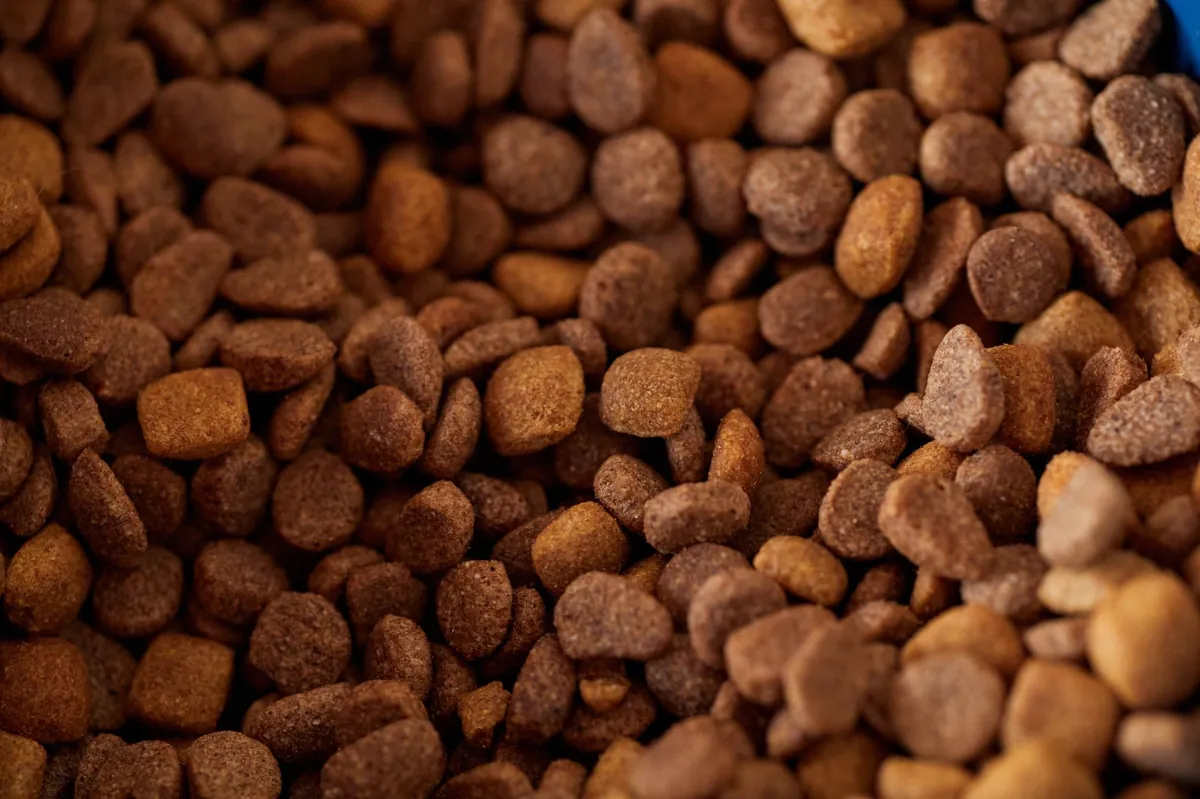
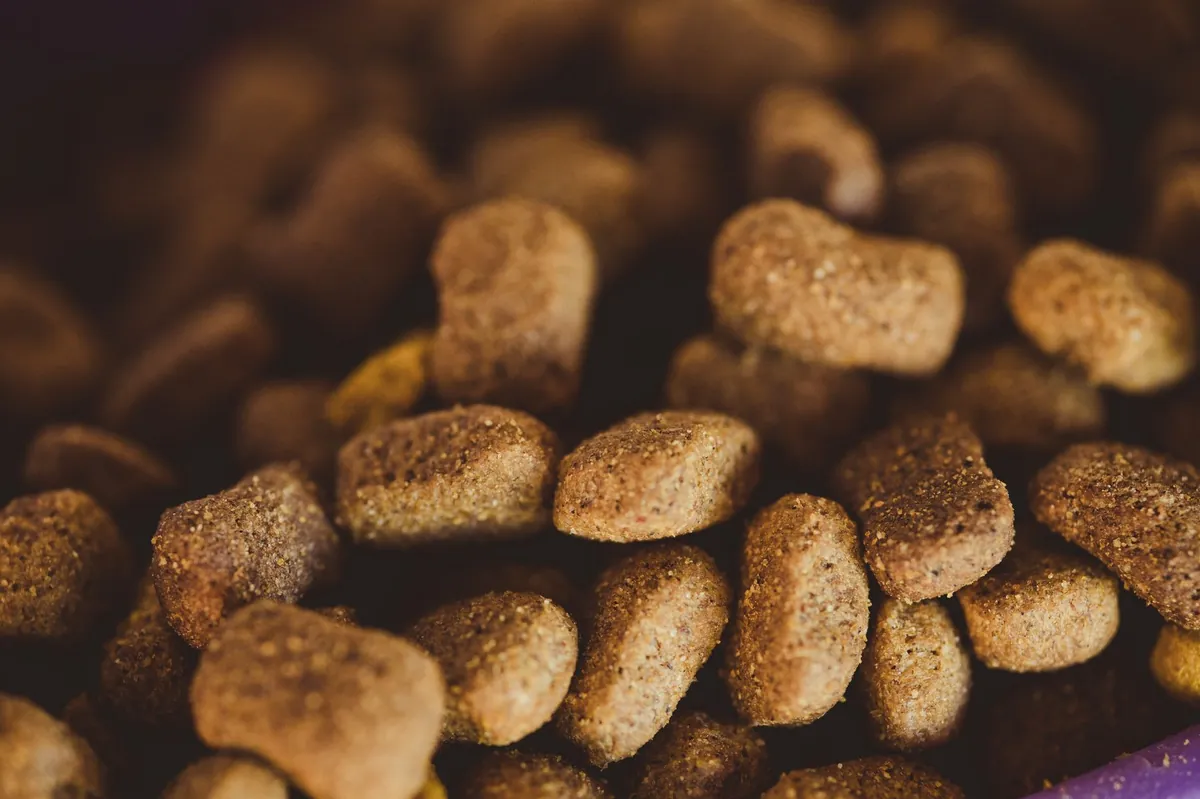
Looking for the best dog food for dogs and feeling overwhelmed by endless options? Youre not alone. In just a few minutes youll see which brands genuinely stand out, which formulas fit different lifestages, and how to dodge the common tricks that can waste your money and your pups health.
Below is a friendly, nofluff guide that blends the latest vet research, my own experience feeding a rescue Labrador, and realworld product testing. Grab a coffee, lets dive in, and give your furry friend the nutrition they deserve.
Why Quality Matters
What makes a dog food best?
Good nutrition isnt just a fancy label its the backbone of your dogs energy, coat shine, and longterm health. The best foods meet three core standards:
- Complete & balanced All essential proteins, fats, vitamins, and minerals in the right ratios.
- Ingredient integrity Real animal protein as the first ingredient, minimal fillers, and transparent sourcing.
- Veterinarian endorsement Formulas that align with AAFCO standards and are often recommended by vets.
When those boxes are checked, youre less likely to see digestive upsets, skin issues, or unexpected weight swings.
How lowquality food can hurt your dog
Cheap kibble often hides cheap meat byproducts, excessive corn, or artificial preservatives. Over time these can:
- Trigger food allergies or skin irritations.
- Lead to obesity or nutrient deficiencies.
- Put extra strain on kidneys, especially in senior dogs.
Balancing cost and quality is key, but never sacrifice the basics for a bargain.
Top Recommended Brands
Which brands consistently rank as the best?
After months of testing, reading scientific reviews, and chatting with veterinarians, the following brands repeatedly appear at the top of the list:
| Brand | Key Feature | Best For |
|---|---|---|
| RoyalCanin | Breedspecific formulas, precise nutrient ratios | Specific breed needs, controlled diets |
| OpenFarm | Humangrade ingredients, transparent sourcing | Ecoconscious owners, highprotein fans |
| Orijen | High protein, low carbs, whole prey concept | Active, largebreed dogs |
| Wellness Core | Grainfree, antioxidantrich | Dogs with grain sensitivities |
| BlueBuffalo | Probioticinfused, highquality meat first | Digestive health focus |
What is the #1 best dog food?
Theres no single one size fits all answer, but many vets point to Orijen Original as the closest to a natural, meatforward diet that meets AAFCO standards for most adult dogs. Its high animalprotein content and low carbohydrate load make it a solid contender for the #1 spot.
How to Choose the Right Food
Which factors should I prioritize?
- Life stage Puppy, adult, senior formulas differ in calorie density and joint support.
- Size & breed Large breeds need jointsupporting glucosamine; small breeds benefit from smaller kibble shapes.
- Health concerns Allergies, weight management, kidney health, or skin issues dictate special ingredients.
- Ingredient list Look for a real meat source within the first three ingredients.
What about best dry dog food vs wet?
Dry kibble is convenient and helps keep teeth clean, but wet food can provide extra moisture and higher palatability. Many owners blend both: a highquality dry base with occasional wet meals for variety.
Sample feeding schedule
- Morning: cup of premium dry kibble (e.g., Orijen).
- Evening: cup dry + cup highquality wet (e.g., RoyalCanin clinical diet).
- Fresh water always available.
Avoid Common Pitfalls
Dog food brands to avoid
While every brand has its fans, some consistently receive red flags from vets and pet nutritionists. Check the Dog food brands to avoid page for a detailed list. Common issues include:
- Unidentified meat meals (e.g., meat and bone meal).
- Artificial colors, flavors, and preservatives.
- Excessive filler grains that dilute protein content.
Is grainfree always better?
No. Grainfree was originally meant for dogs with grain allergies, but recent studies suggest a possible link to dilated cardiomyopathy in some breeds. If your dog isnt allergic to grains, a balanced graininclusive food can be perfectly safe.
Quick check: Do you need grainfree?
Ask yourself:
- Has a vet diagnosed a grain allergy?
- Do you notice digestive upset after graincontaining meals?
- Are you feeding a breed known for grain sensitivities?
If the answer is no to all, youre probably fine sticking with a highquality graininclusive diet.
Feeding Tips for Large Dogs
Best dry dog food for large dogs
Large breeds (over 55lb) have unique needs: joint support, controlled calories to avoid rapid growth, and highquality protein for muscle maintenance. Top picks include:
- Orijen Large Breed 38% protein, glucosamine for joint health.
- RoyalCanin Large Breed Tailored calciumphosphorus ratio.
- OpenFarm Large Breed Humangrade meat first, added antioxidants.
How much should I feed?
Use the brands feeding chart as a starting point, then adjust based on your dogs activity level and body condition score. A simple method:
- Weigh your dog.
- Multiply weight by 0.0250.035 (for moderately active dogs).
- That number equals daily calories; divide into two meals.
VetRecommended Dog Food
What do vets really recommend?
Veterinarians often lean toward brands that are transparent, scientifically formulated, and backed by research. The most common vetendorsed picks:
- RoyalCanin (especially its therapeutic lines).
- Hills Science Diet (clinical nutrition for health conditions).
- Purina Pro Plan (balanced for performance dogs).
Can I trust vetrecommended labels?
Yes, but stay vigilant. Some vetrecommends messages are marketing tactics. Look for evidence: peerreviewed studies, AAFCO compliance, and real vet testimonials.
Special Spotlight: Open Farm Dog Food
Why is Open Farm gaining buzz?
Open Farm emphasizes ethically sourced, nonGMO ingredients, and a humangrade claim that many owners find reassuring. Their formulas are free from artificial additives and feature recognizable meats like chicken, lamb, and beef.
Any downsides?
The price point is higher than mainstream brands, and availability can be spotty in some regions. However, for owners who value sustainability and ingredient traceability, its often worth the investment.
Balancing Benefits & Risks
What are the biggest risks of feeding the best food?
Even premium foods can cause issues if your dog has a hidden allergy or a specific health condition. Always monitor:
- Changes in stool consistency.
- Itchy skin or ear infections.
- Weight fluctuations.
If anything feels off, consult your vet and consider an elimination diet.
How can I personalize nutrition?
Mixing in homemade meals can fill gaps. For example, a vetapproved lowfat recipe can complement dry kibble for overweight dogs. Check out the Homemade lowfat dog food recipes vet approved guide for safe options.
Putting It All Together
Quick cheatsheet for busy pet parents
- Identify your dogs life stage & size.
- Pick a toprated brand that meets the three quality standards.
- Check the ingredient list real meat first, no mystery meat meals.
- Watch for any adverse reactions for the first two weeks.
- Adjust portions based on weight and activity.
- Rotate with a vetapproved wet food or occasional homemade meals for variety.
Conclusion
Finding the best dog food for dogs isnt about chasing the flashiest packaging; its about matching solid nutrition to your pups unique needs, life stage, and health goals. From the highprotein power of Orijen to the ethical transparency of Open Farm, there are plenty of options that meet both your standards and your vets recommendations. Remember to stay observant, keep an eye on your dogs health markers, and dont be afraid to ask your veterinarian for personalized advice.
What brand has worked wonders for your dog? Have you tried mixing a homemade recipe with premium kibble? Share your story in the commentslets help each other raise healthier, happier dogs!
FAQs
What should I look for on a dog food label?
Check for a real animal protein as the first ingredient, guaranteed analysis that meets AAFCO standards, and clear information on life‑stage, size, and any added supplements like glucosamine or omega‑3s.
Is grain‑free dog food better for all dogs?
No. Grain‑free formulas are intended for dogs with specific grain allergies. For most dogs, a high‑quality grain‑inclusive diet is perfectly safe and may even be healthier.
How often should I rotate my dog’s food?
Rotating every 4–6 months can help provide a broader nutrient profile and keep your dog interested, but always introduce new food gradually over a week to avoid digestive upset.
Can I feed my senior dog the same food as a puppy?
Senior dogs need fewer calories, more joint support, and easier‑to‑digest proteins. It’s best to choose a senior‑specific formula or adjust portions and add joint supplements.
What are the signs that my dog doesn’t like its food?
Common indicators include refusal to eat, excessive begging, frequent vomiting or diarrhea, itchy skin, and a dull coat. If any appear, consider switching to a different formula and consult your vet.