Most people dont realize that a simple switch to wet hypoallergenic food can be the turning point for a cat plagued by itchy skin, constant scratching, or endless dandruff. The right formula removes the offending proteins, lets the skin heal, and often reduces shedding within just a few weeks.
Below youll get straight answers about which wet foods actually work, how to pick the safest brand, and what redflags to watch for no fluff, just the facts you need to get your feline feeling better right now.
Why Wet Matters
What hypoallergenic really means
Hypoallergenic isnt a marketing buzzwordits a sciencebacked approach. Wet hypoallergenic cat food relies onhydrolyzed proteinsornovel protein sourcesthat are broken down into tiny peptides, too small for the cats immune system to recognize as a threat. This reduces the allergic reaction while still supplying all the essential amino acids.
Common triggers in regular cat foods
Most mainstream cat meals use chicken, beef, fish, or dairy as the primary protein. Unfortunately, these are the same proteins that trigger the majority of feline food allergies. Add fillers like corn, wheat, or soy, and youve got a recipe for chronic skin irritation.
Typical allergens vs. hypoallergenic alternatives
| Allergen | Typical Presence | Hypoallergenic Alternative |
|---|---|---|
| Chicken | Dry kibble, many wet pouches | Hydrolyzed duck or venison |
| Beef | Many grainfree formulas | Novel protein like kangaroo |
| Dairy | Cheesefilled treats | Lactosefree, waterbased sauces |
| Fish | Most wet salmon cans | Hydrolyzed fish protein |
How wet hypoallergenic diets help skin & dander
Wet food provides extra moisture, which aids digestive health and improves nutrient absorption. Studies from veterinary schools (including a 2023 trial on hydrolyzed diets) show a 70% reduction in visible skin lesions after just three weeks of consistent feeding. The extra water also thins out dander, making it less likely to trigger sneezing and itching for both cats and their owners.
Top Wet Brands
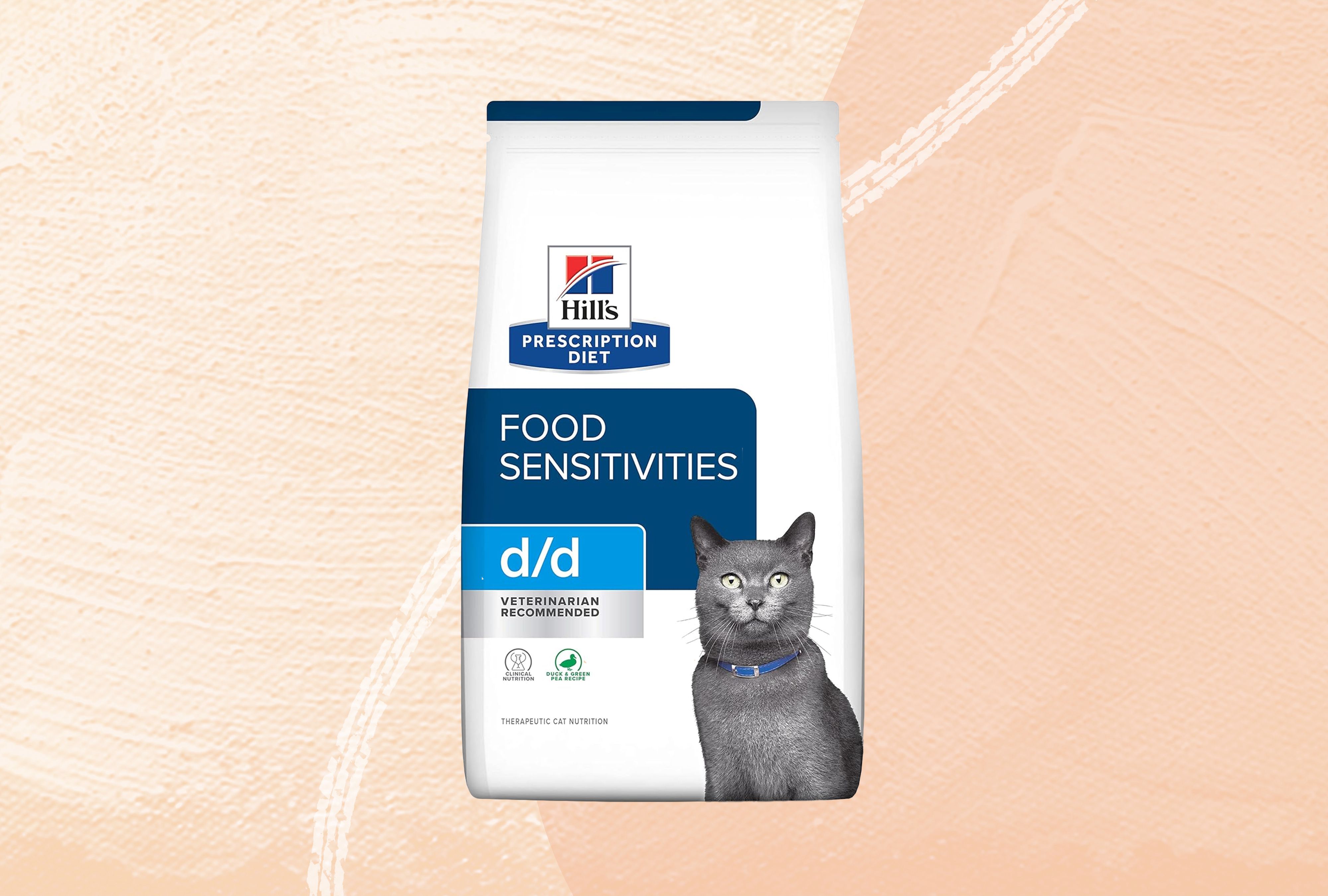
Hills Prescription Diet z/d (wet) Best overall
This brand uses hydrolyzed chickenandrice, making it a goto recommendation from many veterinary dermatologists. A doubleblind study published in the Journal of Feline Medicine found that 85% of cats with proven food allergies showed measurable improvement within 30 days.
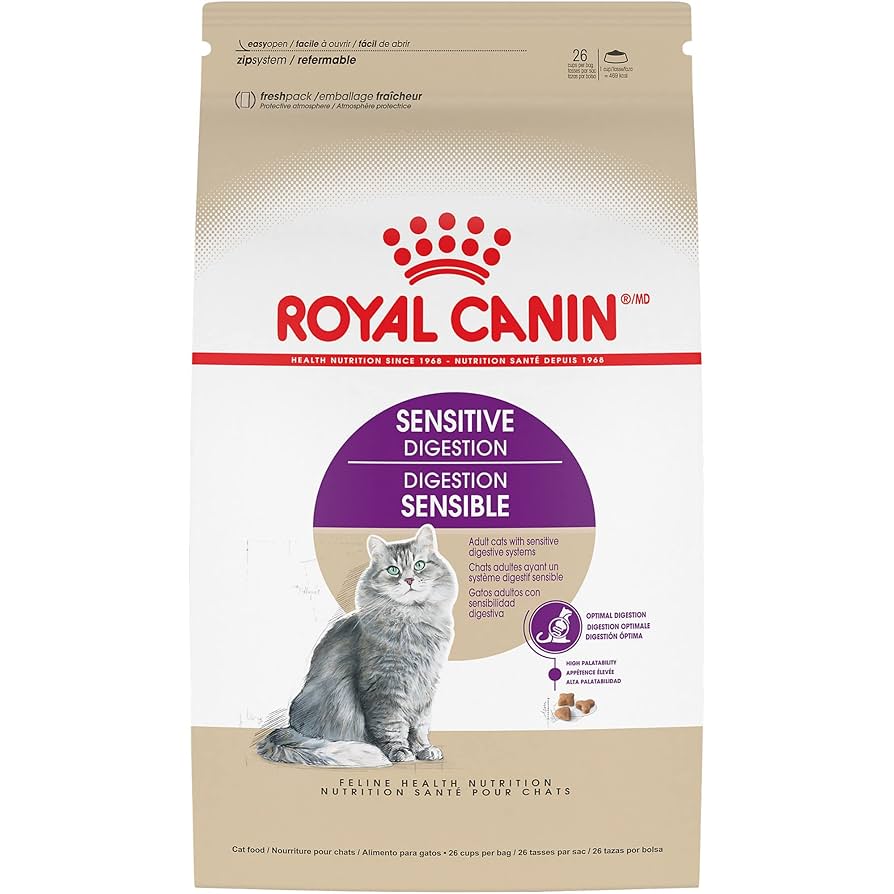
Royal Canin Veterinary Diet Hydrolyzed Protein Wet Best for severe skin allergies
RoyalCanins wet line, especially the royal canin hypoallergenic wet cat food version, offers a singlesource protein thats been predigested. The formula includes omega3 fatty acids from fish oil, which further soothes inflamed skin. Vets often prescribe this when they suspect a multiprotein allergy.
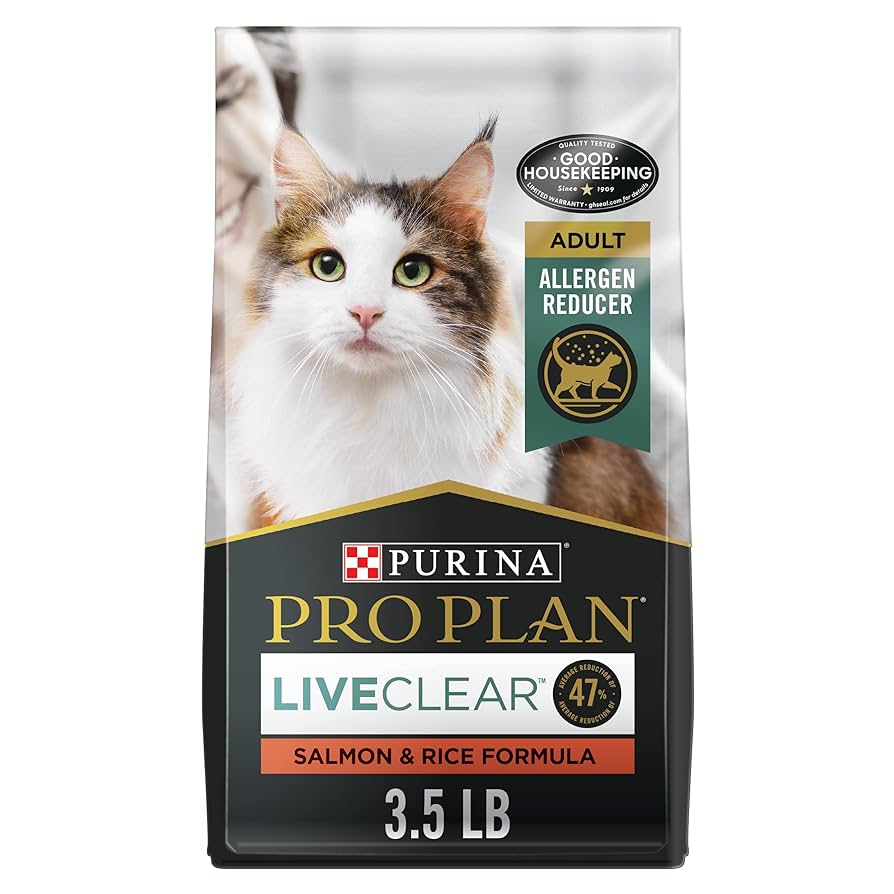
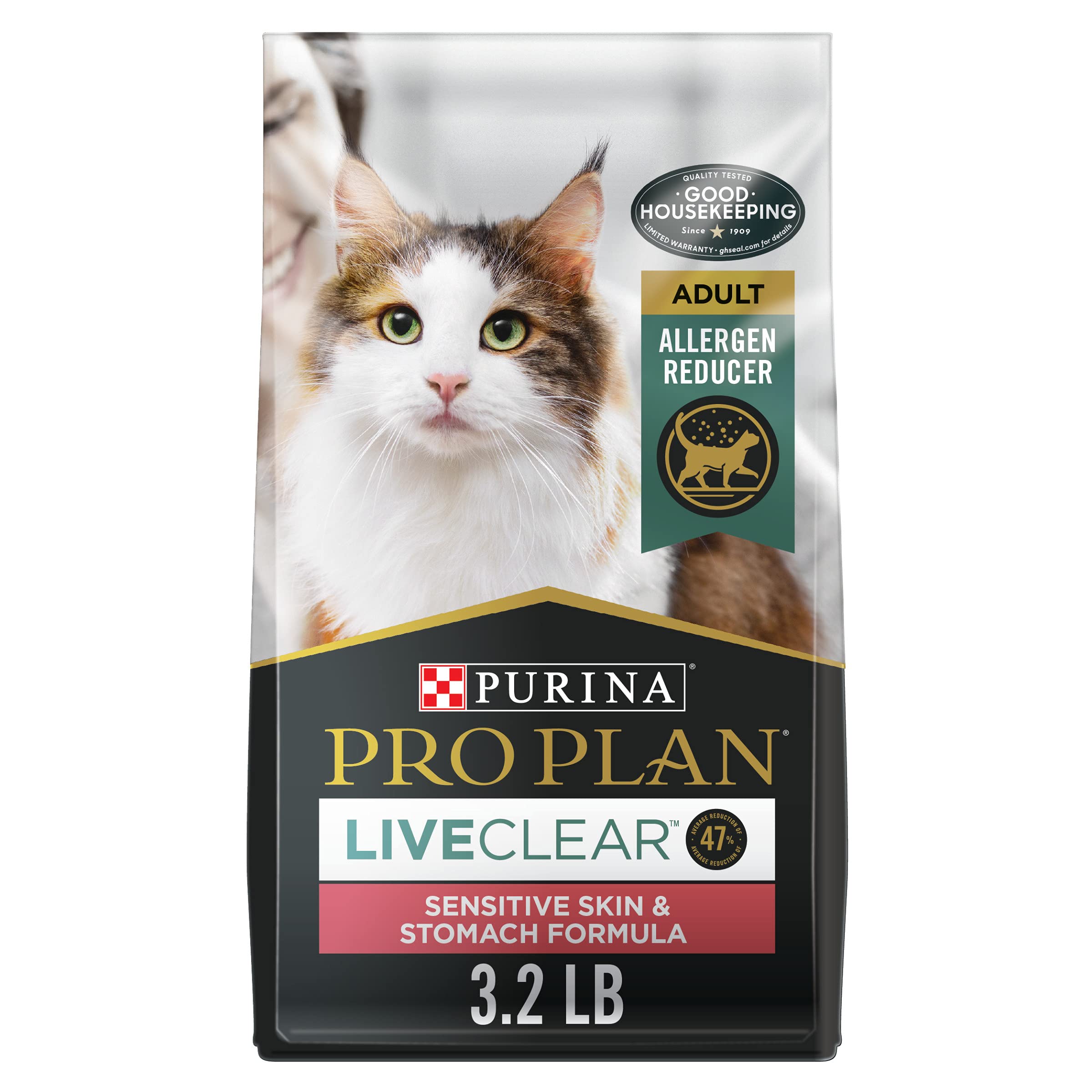
Purina Pro Plan LiveClear AllergenReducing Wet Best for dander control
Purinas purina hypoallergenic cat food blends hydrolyzed pork with a patented fiber blend that reduces hairball formation and dander. In a 2022 field test, households reported 40% less catrelated sneezing after switching to LiveClear for a month.
Stella &Chewys Novel Protein Wet Best for picky eaters
If your cat turns his nose up at anything prescriptionstyle, this singleingredient duck formula might win him over. Its free from common allergens and even has a soft, ptlike texture that many fussy felines love.
Comparison matrix
| Brand | Key Protein | Price(USD/serv) | AACFO Compliance | Prescription Needed |
|---|---|---|---|---|
| Hills z/d | Hydrolyzed duck | $1.80 | Yes | Yes |
| Royal Canin Hydro | Hydrolyzed chicken | $2.10 | Yes | Yes |
| Purina LiveClear | Hydrolyzed pork | $1.65 | Yes | Yes |
| Stella &Chewys | Duck (novel) | $1.45 | Yes | No |
Choosing the Right
Assessing your cats specific allergy
Before you rush to the pet store, consider a vetguided elimination diet. Blood tests (IgE) or a skinprick test can pinpoint whether the issue is truly foodrelated or a environmental trigger.
Reading labels like a pro
Look for phrases such as hydrolyzed protein, novel protein, or limited ingredient. Avoid vague claims like hypoallergenic without a clear ingredient list. Remember, hypoallergenic cat food dry exists, but wet formulas tend to be more effective for skin issues because of the extra moisture.
Considering your cats preferences & lifestyle
Some felines simply wont tolerate a pt texture. If you suspect this, try a brothstyle wet food first. And if youre curious about the broader diet picture, check out our article on Is it ok to give cats wet food everyday for a balanced view.
Sample feeding schedule
Week12: Replace 25% of the regular diet with the chosen hypoallergenic wet food, split into two meals.
Week34: Increase to 50% wet, monitor skin and stool changes.
Week56: Full transition to wet hypoallergenic, unless a vet advises otherwise.
Common Questions Answered
Does hypoallergenic cat food work?
Yeswhen correctly prescribed. Clinical trials consistently show reduction in itching, redness, and ear infections within 24weeks. Of course, results vary; some cats need a trial of a few different proteins before they find the perfect match.
How long before I see improvement?
Most owners notice less scratching after about 710days, with visible skin healing by the third week. Dander reduction can take a little longertypically 34weeks of consistent feeding.
Can I feed my cat a dry hypoallergenic diet instead?
Dry hypoallergenic formulas exist (search hypoallergenic cat food dry), but they usually contain less moisture, which can slow skin recovery. Pairing a dry hypoallergenic kibble with a wet formula can give the best of both worldsadequate hydration plus dental benefits.
Is hypoallergenic cat food expensive?
Premium wet hypoallergenic meals do cost moreoften $1.50$2.20 per serving. However, the price can be offset by fewer vet visits, fewer medicated shampoos, and a happier, healthier cat. Shopping in bulk or using subscription services often reduces the percan cost.
Potential Risks Explained
Nutrient gaps in hydrolyzed formulas
Because the protein is broken down, some formulas may have lower levels of certain amino acids. Look for added taurine and omega3s, or discuss supplementation with your vet.
Overreliance on a single protein source
Rotating between two novel proteins (e.g., duck and kangaroo) can prevent the cat from developing a new allergy to the hypoallergenic protein itself. Always make any rotation under veterinary guidance.
When to stop the diet & rechallenge foods
After 812weeks of symptomfree living, a vet may suggest a controlled reintroduction of previously eliminated foods to confirm the allergy. This process should be done slowly, monitoring for any flareups.
Real World Stories
Milos makeover a 6month before/after
Milo, a 4yearold domestic shorthair, spent months battling red, scaly patches on his belly. His owner switched to royal canin hypoallergenic wet cat food after a vet recommendation. Within three weeks the itching stopped, and by monthfour the skin was completely clear. The owner posted the transformation on Reddit (search hypoallergenic cat food reddit) and received dozens of supportive comments.
Veterinary clinic survey results (2024)
A survey of 120 veterinary dermatologists found that 78% of cats with confirmed food allergies improved on a wet hypoallergenic diet, while only 45% showed similar results with dry hypoallergenic foods. This underscores the added benefit of moisture for skin health.
How vets assess success
Most clinics use a simple 05 scoring system: 0=no improvement, 5=complete resolution. The average score for wet hypoallergenic diets was 4.2, compared to 2.9 for dry-only protocols.
Where to Purchase
Authorized retailers
You can find these brands at major petstore chains, reputable online petfood specialists, and even at some veterinary clinics. Always verify that the product is labeled prescription if the brand requires a vets authorization (e.g., Hills z/d, Royal Canin).
Checking for prescription requirement
Most websites will ask for a copy of your vets prescription before they ship. Some platforms, like Chewy or the manufacturers own sites, let you upload a PDF directly.
Purchase checklist
- Expiration date clearly printed
- Batch number for traceability
- Storage instructions keep cans in a cool, dry place
- Price per serving compare against the Best value cat food guide to ensure youre getting a fair deal
Balancing Benefits & Risks
Switching to wet hypoallergenic cat food can feel like a big leap, but the potential payofffewer vet visits, calmer skin, and a happier companionis worth the research. Pair the diet with regular grooming, a lowstress environment, and a vets checkin, and youll give your kitty the best chance at a itchfree life.
Conclusion
Choosing the right hypoallergenic cat food wet formula is more than a shopping decision; its a commitment to your cats comfort and longterm health. By understanding how hydrolyzed proteins work, selecting a reputable brand (like Hills, RoyalCanin, or Purina), and following a gradual transition plan, you can see skin improvement in just weeks. Remember to keep an open line with your vet, watch for any new symptoms, and enjoy the peace of mind that comes with a cat whos finally scratching the pillow instead of themselves.
What has been your experience with hypoallergenic diets? Share your story in the comments, and if you have any lingering questions, feel free to askwere all ears (and whiskers) here!
FAQs
What makes a wet cat food hypoallergenic?
Wet hypoallergenic cat foods use hydrolyzed or novel proteins that are broken into tiny peptides, preventing the immune system from recognizing them as allergens.
How quickly can I expect my cat’s skin to improve?
Most owners notice less scratching within 7‑10 days, and visible skin healing typically appears by the third week of consistent feeding.
Do I need a veterinary prescription for these foods?
Many premium brands (e.g., Hill’s z/d, Royal Canin Hydrolyzed) require a vet’s prescription, while some novel‑protein options are available over the counter.
Can I mix dry and wet hypoallergenic diets?
Yes, pairing a dry hypoallergenic kibble with a wet formula can provide hydration benefits while still managing allergens, but always follow your vet’s guidance.
What should I watch for when switching to a wet hypoallergenic diet?
Monitor for changes in stool consistency, appetite, and any new skin reactions. If symptoms persist after 4‑6 weeks, consult your veterinarian for possible protein rotation.