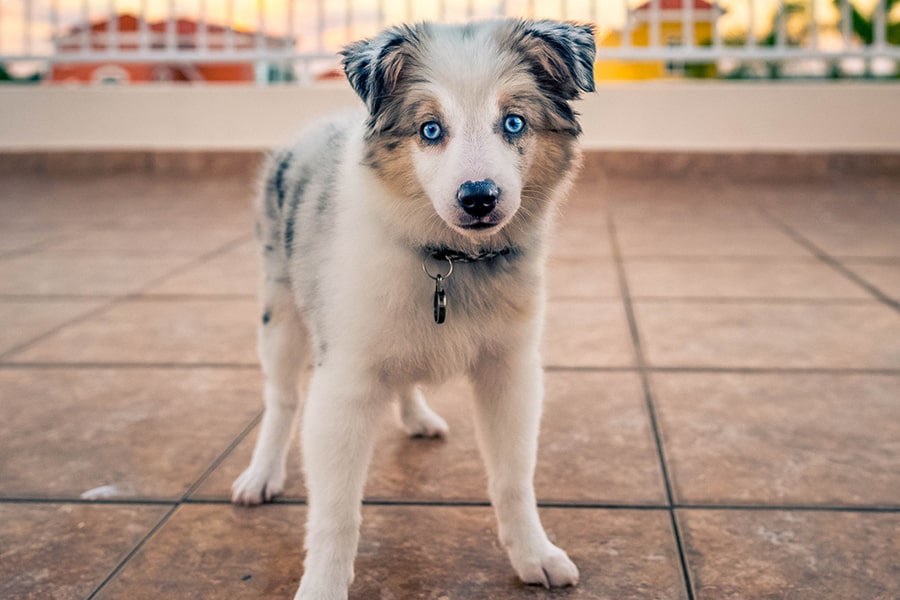
If you love the rush of a morning on the marsh but cant stand the endless dog hair, youre not alone. Below youll find the hypoallergenic hunting dogs that actually work in waterfowl, upland, and trackingall without turning your home into a fluffy snowstorm. Lets cut to the chase: which breeds shed the least, what makes them great hunting partners, and how you can keep them healthy and happy.
Well walk through breed basics, how to pick the right one for your style, grooming tips, and even a quick FAQ. No fluff, just the facts you need to decide fast and feel confident about bringing a lowshedding companion onto your next hunt.
What Makes a Dog Hypoallergenic?
Definition: hypoallergenic vs. nonshedding
Hypoallergenic doesnt mean the dog is completely allergyfree. It means the breed produces less danderthe tiny skin flakes that trigger most reactions. Dogs with curly, wiry, or dense coats (think poodles) tend to trap dander in their fur, shedding less into the environment. In contrast, a nonshedding dog still produces saliva and urine allergens, so its a relative term, not an absolute guarantee.
How allergies work with dogs
Allergens come from three main sources: dander, saliva, and urine. When a dog licks its fur, saliva spreads to the coat, and tiny particles fall off as the dog moves. People with severe allergies may still react, but most find relief with breeds that shed minimally. An easytoremember visual is a threepart diagram showing a dogs coat, tongue, and a dropleteach representing a different allergen source.
Key traits hunters look for in lowshedding dogs
- Pointing or retrieving instinct
- Stamina for long days in water or field
- Waterresistant coat that dries quickly
- Intelligence for quick training
Balancing these hunting abilities with a lowshedding coat is the sweet spot for many hunters who also have allergies.
Top 8 Hypoallergenic Hunting Breeds
| Rank | Breed | Shedding Level | Primary Hunt Type | Key Strengths | Typical Grooming |
|---|---|---|---|---|---|
| 1 | Standard Poodle | Minimal | Waterfowl Retrieving | High intelligence, loves swimming | Regular clipping every 68 weeks |
| 2 | Pudelpointer | Minimal | Pointing & Retrieving | Dualsport, high stamina | Brush 2/wk, trim coat as needed |
| 3 | Barbet | Low | Waterfowl & Upland | Friendly, natural waterdog | Weekly comb, occasional trim |
| 4 | Wirehaired Pointing Griffon | Low | Pointing | Versatile, tough coat for rough terrain | Handstrip or clip every 810 weeks |
| 5 | Portuguese Water Dog | Low | Retrieving | Strong swimmer, bold personality | Trim coat every 68 weeks |
| 6 | Irish Water Spaniel | Low | Retrieving | Excellent in marshes, thick curl | Clip coat regularly, brush weekly |
| 7 | Airedale Terrier | Low | Tracking & Huntoff | Rugged, sharp nose | Trim and brush to prevent matting |
| 8 | Brittany (smoothcoat variant) | Low | Pointing | Energetic, easytrain | Minimal grooming, occasional brushing |
Why these breeds rank highest
All eight have coat genetics that trap dander and shed very little. They also test well in field trialsstandard poodles and pudelpointers, for example, regularly place in top positions at DuckUnlimited competitions. Their lowshedding reputation is backed by veterinary allergy research, which shows reduced dander release compared to typical hunting breeds.
Realworld example: a hunters experience with a Pudelpointer
John from Wisconsin shared that his 4yearold pudelpointer never left a hair on my jacket after a day on the lake. He credits the breeds dense, curly coat for keeping his allergies at bay, while the dogs natural pointing instinct let him locate over 30 ducks in a single outing.
Choosing the Right Hypoallergenic Hunting Dog
Assess your hunting style
Do you spend most of your time on a boat retrieving ducks, or are you chasing upland birds through brush? Waterfowl hunters often gravitate to poodles, portugese water dogs, or pudelpointersbreeds that love swimming. If youre a pointandstay enthusiast, a wirehaired pointing griffon or Brittany might fit better.
Evaluate home environment
Consider climate, space, and grooming time. A dense curly coat like the Irish Water Spaniels needs regular clipping in hot climates, while a smoothcoat Brittany does fine with minimal grooming. If you live in an apartment, a mediumsized, lowmaintenance option such as a Medium-sized hypoallergenic dogs could be a safer bet.
Allergy testing & trial periods
Before committing, arrange a buddyday with a breeder or rescue. Bring a portable allergy medication and spend a few hours together. If symptoms stay mild, youre likely on the right track. Many reputable breeders will allow a short trial period to ensure the match works for both parties.
Budget considerations
Initial purchase price varies: poodles and pudelpointers can range $1,500$3,000, while rescues may be under $500. Ongoing costs include grooming (often $50$100 per trim), highquality Hypoallergenic dog food, and routine veterinary care. Create a spreadsheet to track annual expenses so there are no surprises.
Care, Grooming, and Health of LowShedding Hunting Dogs
Routine grooming schedule
Each breed has its own needs:
- Standard Poodle: Clip every 68 weeks; brush 23 times weekly.
- Pudelpointer: Brush twice a week; trim around paws and ears quarterly.
- Barbet: Comb weekly to prevent matting; professional trim twice a year.
- Wirehaired Pointing Griffon: Handstrip or clip every 810 weeks; brush after each hunt.
Skin & coat health: preventing allergies
Offer a diet rich in omega3 fatty acidssalmon oil or specialized hypoallergenic dog foodto promote a glossy coat and reduce skin inflammation. Regular ear cleaning is crucial for water dogs; a simple solution of equal parts white vinegar and water applied with a cotton ball keeps infections at bay.
Common health concerns
While lowshedding breeds are generally sturdy, watch for:
- Hip dysplasia (common in larger dogs like the Portuguese Water Dog)
- Ear infections (water breeds love to soak)
- Allergic skin reactions (still possible, especially if the dogs diet includes common allergens)
Annual veterinary checkups, uptodate vaccinations, and regular joint supplements for large breeds can mitigate many of these issues.
Training and Field Performance
Basic obedience for lowshedding breeds
Start with sit, stay, and come using positive reinforcementtreats, praise, and short play sessions. These breeds are quick learners, so keep sessions under 15 minutes to prevent burnout.
Specialized hunting training
Most pups will naturally point or retrieve, but formal training refines those instincts. A typical timeline looks like:
- Puppy (816weeks): Socialization, basic commands, short water introductions.
- Juvenile (412months): Pointing drills, retrieve exercises, offlead work.
- Adult (12+months): Field trials, stamina building, advanced retrieval (e.g., live duck work).
Protect the coat after each hunt: rinse with a gentle dog shampoo, dry thoroughly, and brush out any debris before it dries.
Tips for keeping the coat functional in the field
Consider a lightweight waterrepellent coat for colder days, and always bring a quickdry towel. After a wet day, a quick brush will prevent matting that could trap bacteria.
Pros & Cons: Balancing Benefits and Risks
| Pros | Cons |
|---|---|
|
|
When a hypoallergenic dog may NOT be the best fit
If you hunt exclusively in hot, dry desert terrain, a waterloving breed may struggle. Likewise, if your allergy is extremely severe, even lowshedding dogs might trigger symptoms, making a Worst dog breeds for allergies comparison useful.
Mitigating risks
Choose a reputable breeder who provides health clearances, consider pet insurance for unexpected injuries, and keep up with regular grooming and vet visits. A short trial hunt before fully committing can reveal any hidden issues.
Where to Find a Hypoallergenic Hunting Dog
Reputable breeders
Ask for health certifications (hip, eye, genetic tests), a clean living environment, and references from past buyers. Good breeders will gladly answer questions about temperament, grooming needs, and allergy history.
Rescue organizations & breedspecific clubs
Many breed clubs run adoption programs for mature dogs who still have plenty of hunting years left. Check out the hypoallergenic dog breeds list for a directory of clubs and rescues.
Adoption checklist
- Verify the dog's health records
- Ask about prior training and field experience
- Spend time with the dog to gauge allergy response
- Confirm the dogs energy level matches your hunting schedule
Conclusion
Choosing a hypoallergenic hunting dog means you get a partner thats both fieldready and kinder to allergysensitive families. By weighing breed traits, grooming commitment, and your own hunting goals, you can select a lowshedding dog that excels in waterfowl, upland, or tracking work. Use the breed table, grooming guide, and practical tips above as your roadmap, and dont forget to test your own allergies before making the final commitment. Ready to meet your next hunting companion? Join our community forum, share your experiences, and let us help you find the perfect match.
FAQs
What makes a dog hypoallergenic for hunters?
Hypoallergenic dogs have curly or dense coats that trap dander, shedding far less hair and skin flakes into the environment, which reduces allergy triggers for people.
Which hypoallergenic hunting breeds are best for waterfowl?
Top choices include the Standard Poodle, Pudelpointer, Portuguese Water Dog, and Irish Water Spaniel – all love water, retrieve well, and shed minimally.
How often should I groom a low‑shedding hunting dog?
Grooming varies by breed, but most need a thorough brush 2‑3 times per week and a professional trim every 6‑8 weeks to keep the coat functional and mat‑free.
Can allergy‑prone hunters safely work with these breeds?
While no dog is 100 % allergen‑free, low‑shedding breeds generally cause far fewer reactions. A trial visit to spend a few hours with the dog is the best way to confirm personal tolerance.
Where can I find a reputable hypoallergenic hunting dog?
Look for certified breeders who provide health clearances, or check breed‑specific rescue groups and clubs that often have mature hunting dogs ready for adoption.