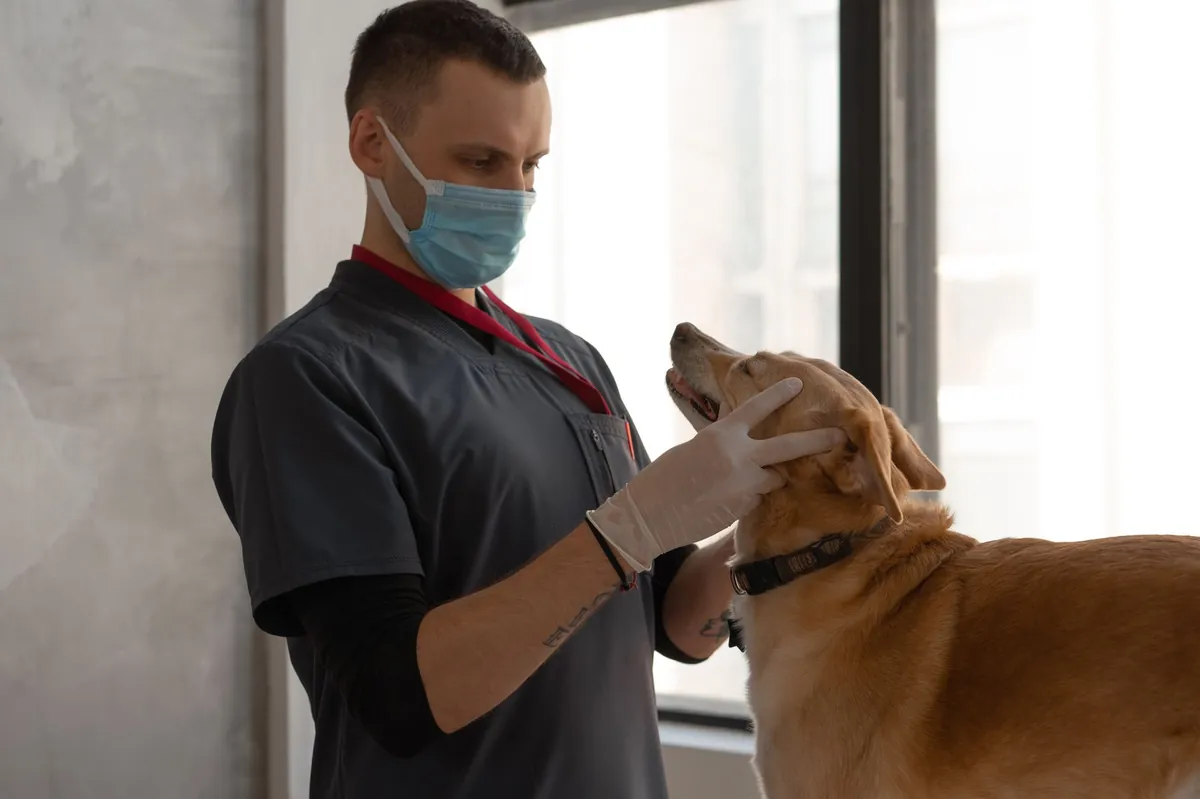
Facing an unexpected vet bill can be overwhelming. When your beloved pet has a sudden health crisis, emergency pet funds offer financial relief to cover urgent care costs. These funds help pet owners access critical treatments without choosing between their pets wellbeing and their budget.
Below, youll discover what emergency pet funds are, the main programs available, how to apply, and the benefits and risks you should know about before reaching out for help. Lets walk through this together, so you have a clear plan if your pet ever needs urgent veterinary assistance.
What Are Emergency Pet Funds?
How do emergency pet funds differ from regular pet insurance?
Emergency pet funds are grants or financial assistance designed specifically to help with sudden medical crises. Unlike regular pet insurance, which covers a range of health expenses throughout your pets life, these funds focus mainly on emergency caresurgeries, diagnostics, and medications directly related to critical conditions.
Emergency-only funds usually have eligibility criteria such as income limits or residency requirements. They don‘t replace insurance but can fill the gap when immediate help is needed and insurance might not cover the full cost or have deductibles that are hard to meet.
Who runs these funds?
Most emergency pet funds are operated by non-profit organizations like The Pet Fund or RedRover. Local veterinary societies, such as the Niagara Frontier Veterinary Society, also coordinate programs. Some city governments support community-based assistance funds in partnership with clinics. These programs are often backed by donations, grants, and volunteers dedicated to helping pet guardians in distress.
What types of expenses are covered?
Typical expenses covered include emergency surgeries, hospitalization, specialized diagnostics like X-rays or ultrasounds, and medications related to the urgent condition. Preventive care, routine check-ups, or elective procedures are usually excluded.
Are there any hidden fees or pay-back requirements?
Most emergency pet funds provide grants that do not require repaymentthese are outright gifts to help your pet. A few programs may ask recipients to donate back what they can afford over time, but this is rare and always voluntary. Transparency is common, and application materials should clearly state any obligations.
Veterinary practice managers often recommend these funds to clients in distress. According to a vet at a New York clinic, "Emergency pet funds can be a lifesaver for families who want to save their pets but worry about costs."

How to Determine If You Qualify
What income thresholds qualify for low-income assistance?
Most emergency pet funds set income limits based on federal poverty level (FPL) guidelines. A common cutoff is 200% of the FPL, which translates roughly to $27,000$50,000 household income depending on family size. Some programs have fixed dollar thresholds or adjust by region. For example, the City of San Antonios Veterinary Care Partnership (VCP) program sets clear low-income limits and prioritizes those residents.
Do I need proof of residency or a vets recommendation?
Yes. You typically must provide proof of income (pay stubs or tax returns), photo ID, proof of residency (utility bills or lease), and often a letter or invoice from your veterinarian confirming the emergency diagnosis and treatment plan.
Can I apply for multiple funds simultaneously?
Some funds prohibit duplicate applications to prevent overlapping assistance. Best practice is to apply to the most generous or fastest-responding fund first, then follow up with others if needed. Communicate openly with each fund about other applications.
What if Im uninsured but have pet insurance?
You can often combine insurance reimbursements with emergency fund grants. Typically, youll submit the initial bill to your insurer, pay any deductible you owe, then apply to the fund for the remaining costs. This stacking approach maximizes support.
Programs like the National Frankies Friends Fund and HOPE Funds clearly outline these eligibility steps, helping pet owners understand the process smoothly.
Top Emergency Pet Fund Programs
The Pet Fund
The Pet Fund offers grants up to $2,500 to help with critical vet bills. Their application process generally takes 1015 days, so its best used for non-immediate emergencies or to cover ongoing treatments after urgent stabilization.
Niagara Frontier Veterinary Society Pet Emergency Fund
Focused on New York and northern New Jersey, this regional fund assists pet owners facing unexpected health crises. In 2023, they helped a family save their dog Bella after an emergency C-section, covering $1,800 of surgery costs just days after the application.
Waggles Emergency Vet Assistance
Waggle operates nationwide with a user-friendly online portal. They prioritize low-income pet guardians and have a streamlined application to speed up processing. veterinary assistance is just a few clicks away when you submit their quick-apply form.
RedRover Urgent Care Grants
RedRover provides emergency grants up to $1,500, including emotional support resources for pet families. They also offer a volunteer mentorship program that supports applicants through the process.
Local Government Programs
Some cities run their own emergency pet assistance funds. The San Antonio VCP program is one example, offering support for qualifying residents. These funds often work closely with local vets and animal shelters.

Step-by-Step: Applying for Emergency Pet Funds
Step 1 Gather required documents
- Photo ID (drivers license or state ID)
- Proof of income (last 2 pay stubs or recent tax returns)
- Proof of residency (utility bill or lease agreement)
- Veterinarians letter describing the emergency and treatment plan
- Invoice or estimate from the veterinary clinic
Step 2 Choose the right fund
Decide based on grant amount, your location, and how quickly you need assistance. For example, Waggle is good for fast, online applications, while The Pet Fund is suited to larger grants but with longer wait times. Match your pets needs with the funds criteria.
Step 3 Fill out the application
Be honest and clear. Describe your pets emergency, your financial hardship, and why the help is critical. A strong narrative can make a difference.
Step 4 Submit and follow up
Submit online or via mail depending on the fund. Most programs respond within 13 weeks. If you havent heard back after two weeks, send a polite follow-up email explaining your situation.
Step 5 What happens after approval?
Funds are often sent directly to the veterinary clinic but sometimes reimbursed to you. Keep copies of receipts and approvals for your records and tax purposes.

Benefits & Risks
Benefits
- Immediate financial relief without the need for loans or credit cards
- No interest or repayments required
- Some programs offer counseling, pet food vouchers, and community support
Potential Risks / Drawbacks
- Funding is limited; no guarantee of assistance
- Application processing times could delay treatment decisions
- Eligibility restrictions mean some pet owners may be excluded
How to Mitigate Risks
Always have a backup plan like local low-cost clinics or discuss payment plans with your vet. Apply for emergency pet funds as soon as the crisis is identified. Acting quickly helps reduce stress and increases chances for approval.
Grants vs. Low-Cost Clinics: Quick Comparison
| Option | Average Coverage | Turnaround | Limitations |
|---|---|---|---|
| Emergency Pet Fund Grants | $1,000$2,500 | 1015 days | Income/residency limits |
| Low-Cost Clinics | $50$300 | Immediate/Same day | Limited treatment scope |
According to data from RedRover, thousands of pets have been saved annually through these grant programsmaking them a vital part of pet healthcare safety nets.

How long does it take to see results with emergency pet funds?
Most funds respond within 1 to 3 weeks. Some online portals, like Waggle, offer faster decisions, sometimes within days. However, grants are not instant; immediate care might require payment plans or credit to start treatment.
What is the fastest way to get emergency vet help for free?
Contact 24-hour emergency clinics and ask about payment assistance or charity partnerships. Applying for emergency pet funds simultaneously can helpthough they take time to process. Some animal shelters also offer urgent aid or referrals.
Can I apply for emergency pet funds if I have pet insurance?
Yes. Many users combine their insurance payouts with emergency fund grants to cover deductibles and uncovered treatments. Always submit insurance claims first, then seek grants for remaining expenses.
Are emergency pet funds available for all pet types?
Most programs focus on cats and dogs. Some may include small pets like rabbits or rodents, but check eligibility carefully. Larger animals or exotic pets might have fewer options.
Do emergency pet funds cover preventive care or vaccinations?
No. These funds are designed for sudden, urgent medical issues. Routine care, vaccinations, and elective procedures are generally excluded to prioritize emergencies.
How do I choose the best emergency fund for my pet?
Compare grant amounts, eligibility rules, application timelines, and whether the fund serves your region. Some have online tools or hotlines to help you decide.
Is there help available for emotional support during my pets emergency?
Certain programs like RedRover include counseling or peer support services for pet guardians coping with stress resulting from emergencies.
Pro Tips for Success
- Start your application promptlywaiting may delay treatment.
- Be clear and heartfelt in describing your pets situation and your financial need.
- Keep all veterinary and financial documents organized for quick submission.
- Check for local programs or clinics offering sliding-scale fees as backup.
- Communicate openly with your vet about payment plans or emergency funds to ease financial stress.
More You Might Like
Discover more about managing unexpected veterinary costs with our veterinary assistance guide. If your pet suffers from itchy skin or allergies, check out our detailed advice on dog food allergies symptoms skin. To keep your cat flea-free with gentle methods, read about how to get rid of fleas on cats naturally vinegar.
Having a plan for emergency pet funds puts you miles ahead the next time your pet faces a health crisis. These programs exist because every pet deserves access to life-saving care. Save this info, and if the unexpected happens, youll be ready to act swiftly and confidently.
FAQs
How long does it take to see results with Emergency pet funds?
Most emergency pet funds respond within 1 to 3 weeks. Some, like Waggle, offer faster decisions in just a few days. However, immediate vet care may require upfront payment or a payment plan since grants are not instant.
What income levels qualify for emergency pet fund assistance?
Many funds use income limits based on about 200% of the federal poverty level, ranging roughly from $27,000 to $50,000 depending on household size. Exact thresholds vary by program and region.
Can I combine pet insurance with emergency pet funds?
Yes. You typically submit your vet bill to insurance first, pay deductibles or uncovered costs, then apply for emergency fund grants to help cover the remaining expenses.
Do emergency pet funds cover routine care or vaccinations?
No. These funds focus solely on urgent medical crises such as surgeries, diagnostics, and emergency medications. Routine check-ups, preventive care, and elective procedures are excluded.
What documents are needed to apply for emergency pet funds?
Applications usually require photo ID, proof of income and residency, a veterinarian’s letter confirming the emergency, and an invoice or estimate from the clinic.