Quick answer: hydrolyzed cat food is a vetformulated diet that breaks protein into tiny pieces, making it easier for sensitive kittens and adult cats to digest and far less likely to trigger food allergies or gastrointestinal upset. If your cat is battling chronic diarrhea, vomiting, itchy skin, or other foodsensitivity signs, switching to a hydrolyzed formula can often calm those symptoms within a weekno endless trialanderror needed.
What Is Hydrolyzed Food?
Definition & How Its Made
Hydrolyzed cat food goes through a process called protein hydrolysis. Enzymes chop down whole proteins into fragments no larger than about 10kDa (think of them as tiny puzzle pieces). Because the pieces are so small, a cats immune system cant see them as allergens, so the chance of an allergic reaction drops dramatically.
Hydrolyzed vs LimitedIngredient Diets
Both aim to reduce allergens, but they tackle the problem differently. Limitedingredient diets simply cut the number of ingredients, hoping the culprit isnt present. Hydrolyzed diets, on the other hand, actually shrink the protein molecules, making them invisible to the immune system. Its the difference between hiding a suspect and removing the suspect entirely.
QuickReference Table
| Feature | Hydrolyzed | LimitedIngredient | Regular |
|---|---|---|---|
| Protein particle size | 10kDa | Whole proteins | Whole proteins |
| Allergy risk | Very low | Lowmoderate | Higher |
| Typical use | Diagnose & manage food allergy | Firststep trial | General nutrition |
Who Makes Hydrolyzed Food?
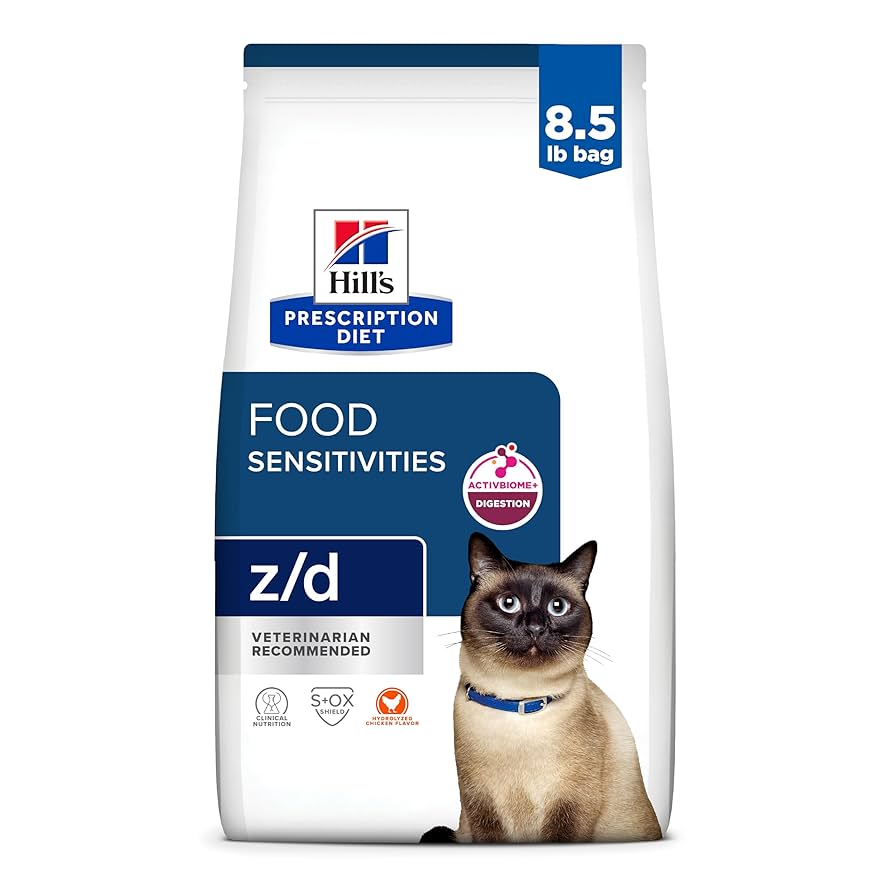
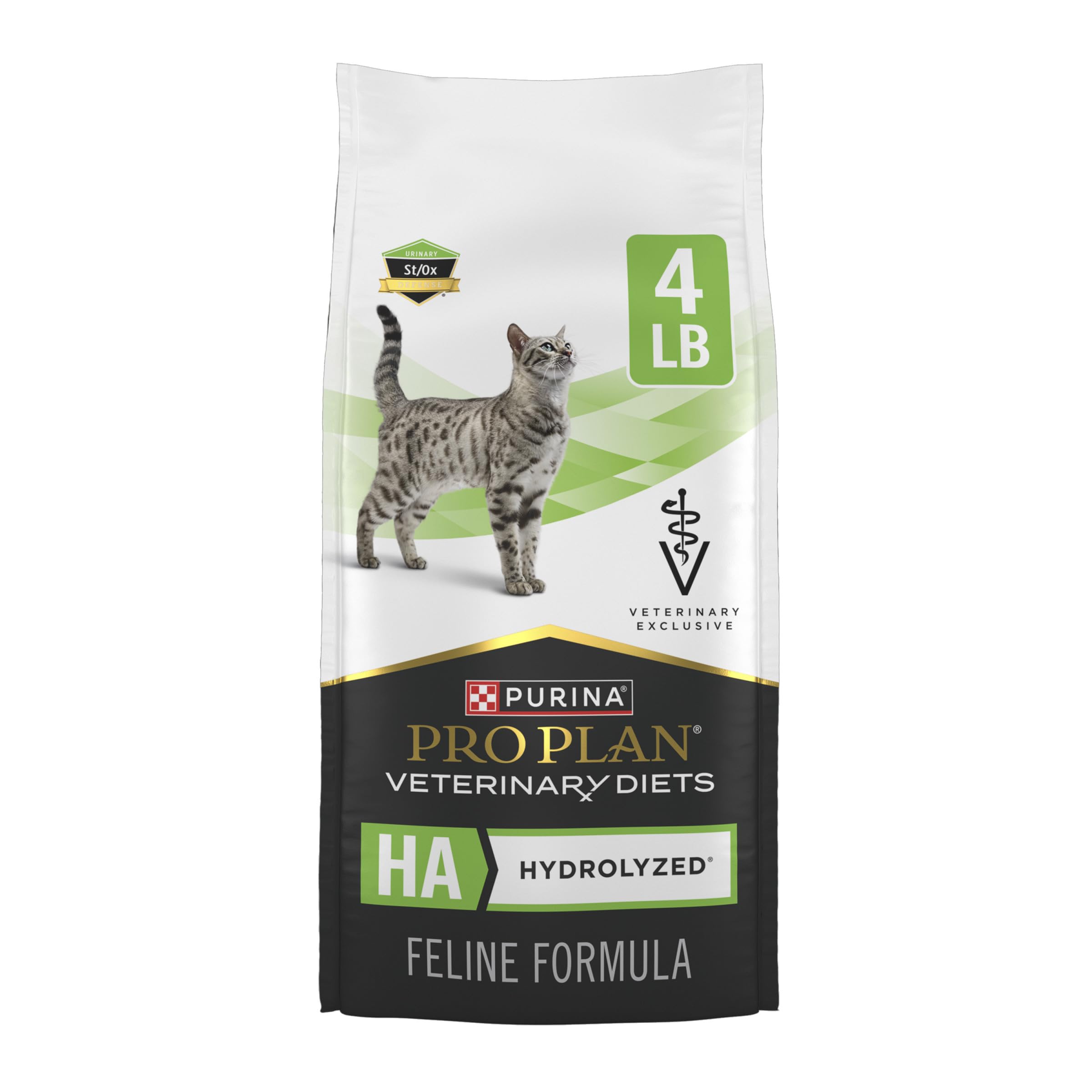
Big names dominate the market: Purina Hydrolyzed Cat Food, RoyalCanin Hydrolyzed Protein HP, Hills Prescription Diet d/d, Blue Buffalo HF Hydrolyzed, and several boutique brands. Each follows the same science but varies in protein source (soy, salmon, chicken) and format (wet vs. dry).
How It Works
Digestibility & GI Symptom Reduction
Because the proteins are already predigested, the stomach and intestines dont have to work as hard. Studies on PetMD show that cats on hydrolyzed diets experience up to 45% less gas, fewer episodes of diarrhea, and a marked drop in vomiting frequency.
Immune System Impact
Smaller peptides dont trigger the IgE or IgG antibody response that fuels allergic reactions. In practice, that means fewer itchy skin flareups and a calmer immune system overall.
MiniInfographic Idea (visual description)
Picture a protein molecule as a large Lego block. Hydrolysis breaks it down into tiny pegsso tiny the cats immune eyes cant recognize them as threats.
Skin & Coat Benefits
When the immune system isnt busy fighting food allergens, it can focus on maintaining a healthy skin barrier. Many owners notice a shinier coat and less scratching within a few weeks.
When To Use It
Clinical Indications
Veterinarians typically recommend hydrolyzed food for:
- Confirmed food allergy via an elimination trial.
- Chronic gastrointestinal disease such as IBD or enteritis.
- Persistent skin issues (pruritus, hot spots) with no clear cause.
Red Flags: Signs Your Cat Might Need It
If you see any of the following, its worth a chat with your vet:
- Frequent vomiting or watery diarrhea.
- Constant itching, hair loss, or ear infections.
- Weight loss despite a good appetite.
RealWorld Example
Take Milo, a rescued tuxedo cat who spent months battling itchy skin. After a vetprescribed switch to RoyalCanin Hydrolyzed Protein HP, his scratching dropped dramatically in just ten dayssomething owners on hypoallergenic cat food dry forums still talk about.
Benefits vs Risks
Primary Benefits
- High digestibility better nutrient absorption.
- Reduced allergic reactions.
- Supports gut health and immune balance.
Potential Drawbacks & Considerations
- Often requires a veterinary prescription (though some OTC versions exist).
- Higher price point than standard kibble.
- Palatability can be a hurdle for picky eaters.
- Longterm feeding may limit dietary variety.
DecisionTree Flowchart (text version)
1. Is your cat on a vetprescribed plan? Yes Continue.
2. No, but showing allergy signs? Consult a vet before trying OTC hydrolyzed.
What the Science Says
Peerreviewed research in the Journal of Feline Medicine & Surgery (2023) showed cats fed a hydrolyzed diet for eight weeks had a 70% reduction in inflammatory markers compared with a regular protein diet. Veterinary nutrition textbooks (e.g., NRC 2020) also list hydrolyzed formulas as the gold standard for diagnosing foodinduced allergies.
Choosing the Best Brand
Factors to Compare
- Protein source (soy vs. animal).
- Moisture format wet vs. dry (keyword: hydrolyzed cat food wet).
- Prescription requirement.
- Cost per month.
Top 5 Brands Comparison
| Brand | Form | Main Protein | Vet Rx Needed? | Price (USD) | Notable Feature |
|---|---|---|---|---|---|
| Purina Hydrolyzed Cat Food | Dry | Soy | Yes | $$ | Lowfat, antioxidant blend |
| Royal Canin Hydrolyzed Protein HP | Dry | Soy | Yes | $$$ | Clinically proven GI support |
| Hills Prescription Diet d/d | Dry | Chicken & Rice | Yes | $$$ | Highly digestible, EPA/DHA |
| BLUE HF Hydrolyzed Food | Wet | Salmon | No (OTC) | $$ | Grainfree, limitedingredient |
| Thrive Hydrolyzed Protein | Wet | Salmon | No (OTC) | $ | Smallbatch, no artificial additives |
Wet vs. Dry: When to Pick Which?
Wet formulas boost moisture intake, which helps cats prone to urinary issues. Dry kibble is convenient for freefeeding and can aid dental health. If youre juggling both, consider mixing wet and dry cat food to enjoy the best of both worlds.
Transitioning Safely
Switching too fast can cause stomach upset. Follow this 710day plan:
- Day13: 80% old food, 20% new hydrolyzed.
- Day46: 50% each.
- Day710: 100% hydrolyzed.
Transition Checklist
1. Weigh your cat (baseline).
2. Mix old & new food according to the schedule.
3. Observe stool, appetite, and behavior.
4. Adjust ratios if vomiting or loose stools appear.
FAQ Quick Answers
Can I buy hydrolyzed cat food without a vet prescription?
Yes, some brands like BLUE HF and Thrive sell OTC hydrolyzed wet formulas. However, prescription versions often have stricter quality controls and may be more effective for severe allergies.
Is hydrolyzed food safe for longterm feeding?
Generally yes, but its wise to check with your vet periodically to ensure your cat receives a balanced nutrient profile over the years.
How long before I see results?
Most cats show GI improvement within 57days. Skin and coat changes can take 46weeks, especially if the issue was chronic.
Will my cat like the taste?
Wet formulas are usually more palatable. If your cat balks at dry kibble, try adding a splash of warm water or lowsodium broth to enhance the aroma.
Reddit Insight
One user on r/catfood wrote, My senior cat hated the dry hydrolyzed at first, but after warming it up, she ate it like a treat.
Expert & Vet Perspectives
Veterinarian Quote
Hydrolyzed diets are the gold standard for diagnosing and managing foodinduced allergies, says Dr. Emily Hart, DVM, Veterinary Nutrition Specialist (source: ACVN guidelines).
When to Consult a Veterinary Nutritionist
If your cat has multiple concurrent allergies, chronic IBD, or requires a custom formulation, a boardcertified veterinary nutritionist can tailor a diet that meets all nutritional needs.
Recommended Resources
PetMD articles, the American College of Veterinary Nutrition (ACVN) guidelines, and peerreviewed journals provide deeper dives into the science.
Real Stories & Community
Reddit Spotlight: Sad about cat having to eat hydrolyzed longterm
Many owners feel guilty about feeding a medical diet forever. The communitys advice? Rotate between prescription and highquality commercial foods when the allergy is under control, always under vet supervision.
Success Stories
- Milo GI symptoms vanished in 4days on RoyalCanin Hydrolyzed.
- Bella Persistent itching cleared after 5weeks on Hills d/d.
Prompt for Readers
Whats your hydrolyzed cat food experience? Share your story in the comments your tale could help another cat parent find relief.
Final Thoughts
Hydrolyzed cat food can be a gamechanger for cats battling food sensitivities, offering easier digestion, fewer allergic flareups, and a calmer gut. Yet it isnt a onesizefitsall solutioncost, prescription requirements, and longterm nutrition all deserve a vets input. By comparing brands, picking the right moisture format, and transitioning gradually, you can give your feline the relief they deserve.
If you have questions or want to dive deeper into related topicslike the best natural cat food or hypoallergenic cat food dry optionsfeel free to ask in the comments. Lets keep the conversation going and help each other raise happy, healthy cats.
FAQs
What is hydrolyzed cat food and how does it differ from regular cat food?
Hydrolyzed cat food is a veterinary‑formulated diet where proteins are broken down into tiny fragments (≤10 kDa) through a process called protein hydrolysis. These small peptides are less likely to be recognized as allergens, unlike the whole proteins found in regular or limited‑ingredient cat foods.
When should I consider switching my cat to a hydrolyzed diet?
Ask your vet about hydrolyzed food if your cat shows chronic vomiting, diarrhea, persistent itching, skin lesions, ear infections, or unexplained weight loss—signs that may indicate a food allergy or gastrointestinal sensitivity.
Do I need a prescription to buy hydrolyzed cat food?
Many brands (e.g., Purina, Royal Canin, Hill’s) require a veterinary prescription, but some OTC options like BLUE HF and Thrive Hydrolyzed Wet are available without one. Prescription formulas often have stricter quality controls and may be more effective for severe cases.
How long does it take to see improvements after starting hydrolyzed food?
Most cats show gastrointestinal improvement within 5‑7 days. Skin and coat changes can take several weeks to a few months, depending on the severity and duration of the previous allergic reactions.
Can hydrolyzed cat food be fed long‑term?
Yes, it can be used long‑term, but regular veterinary check‑ups are recommended to ensure complete nutritional balance and to see if rotating to a broader diet is possible once the allergy is under control.