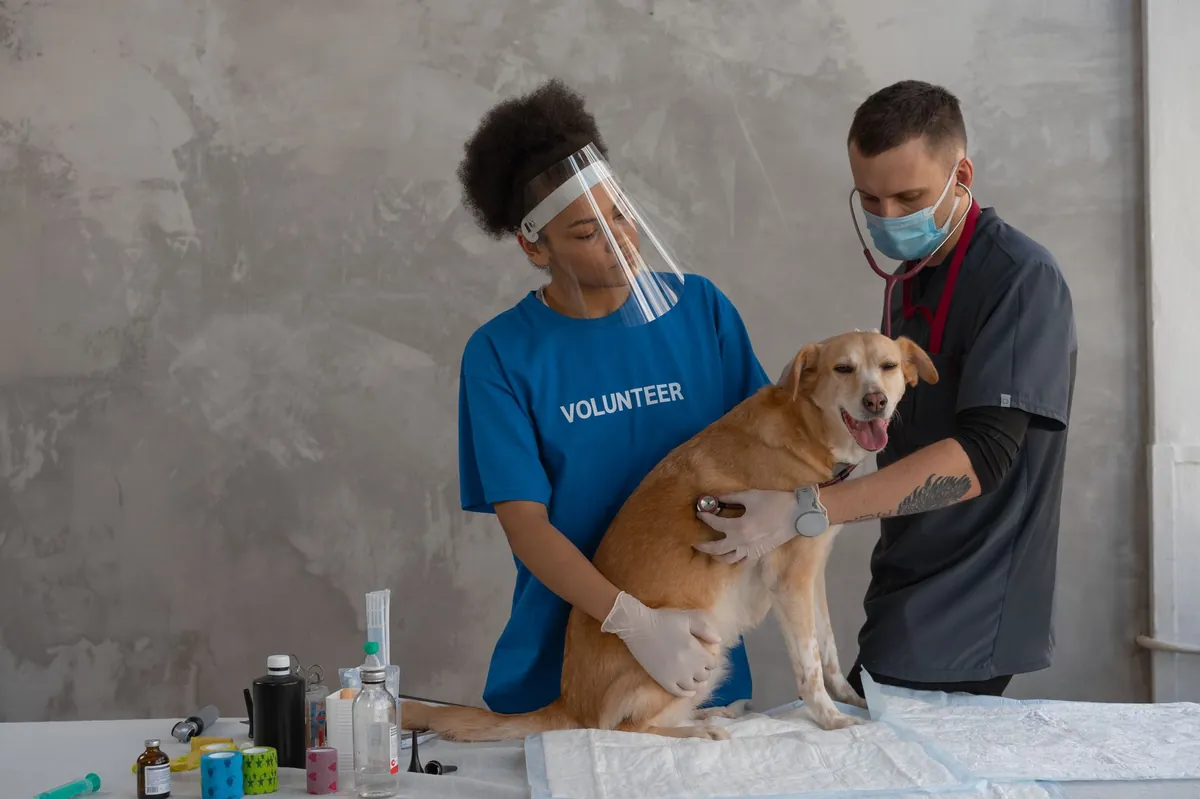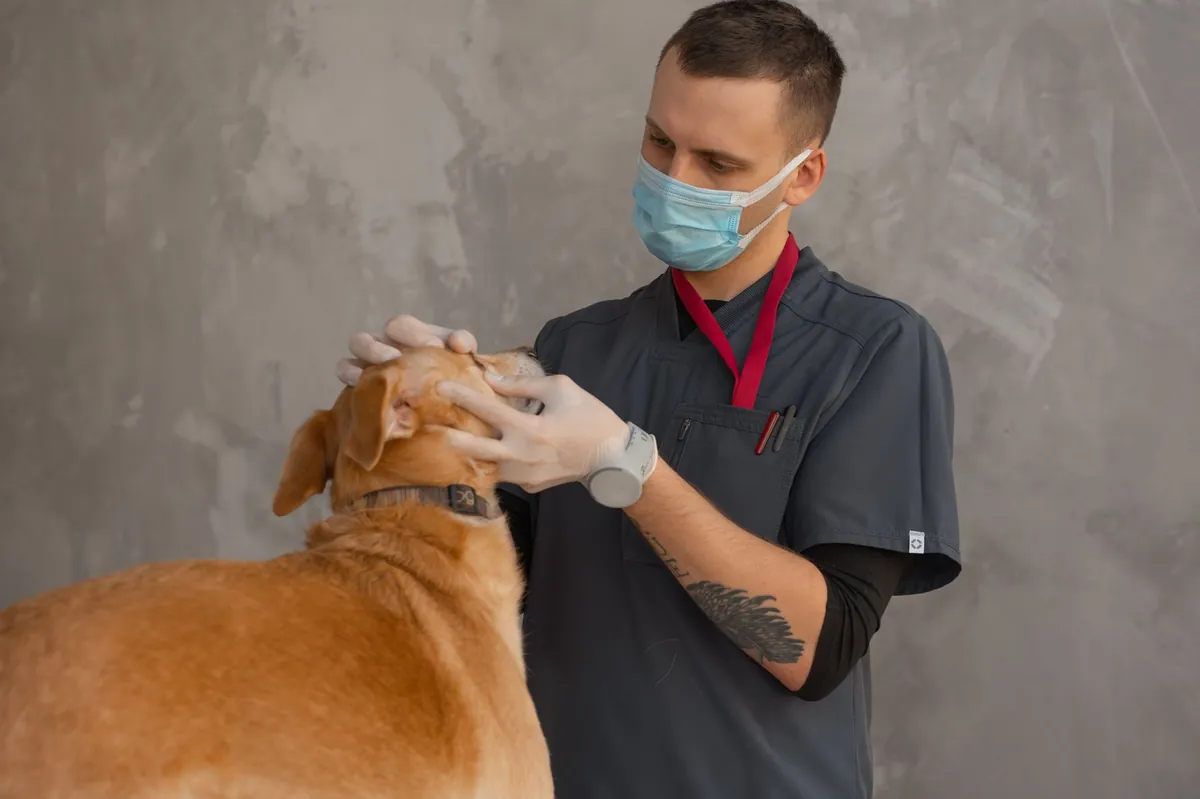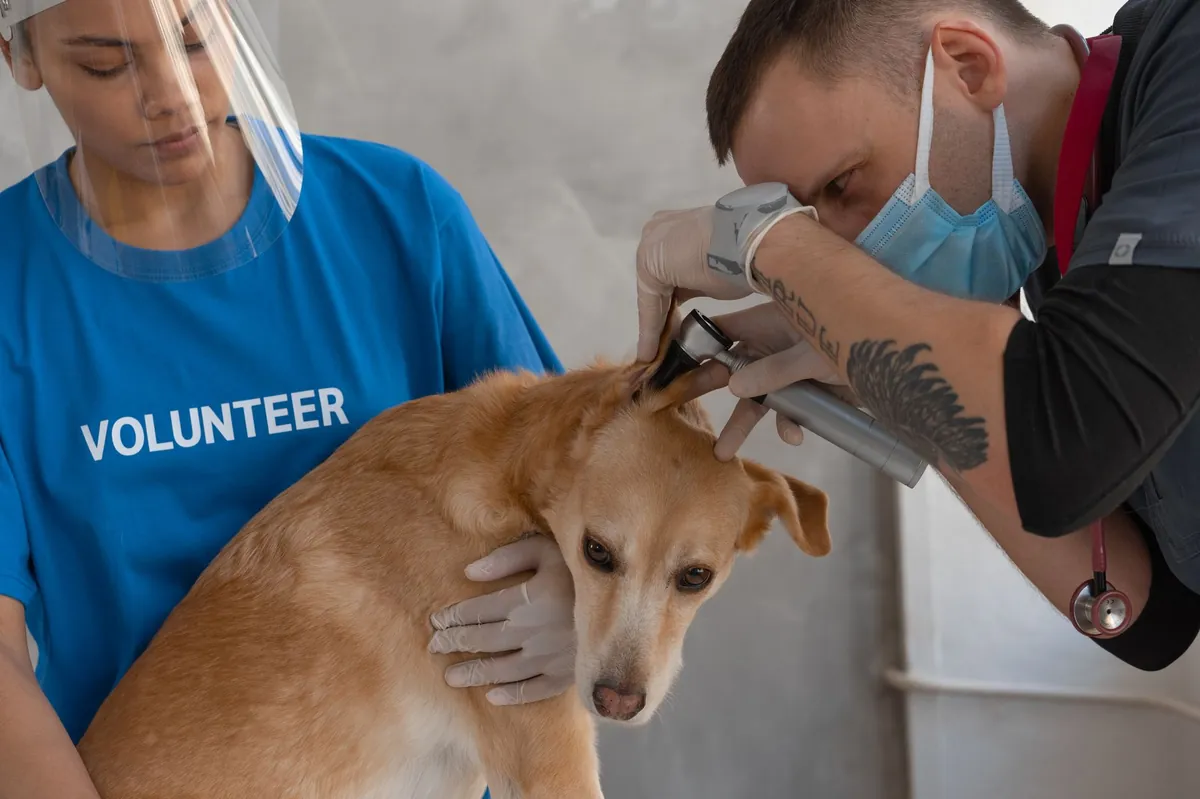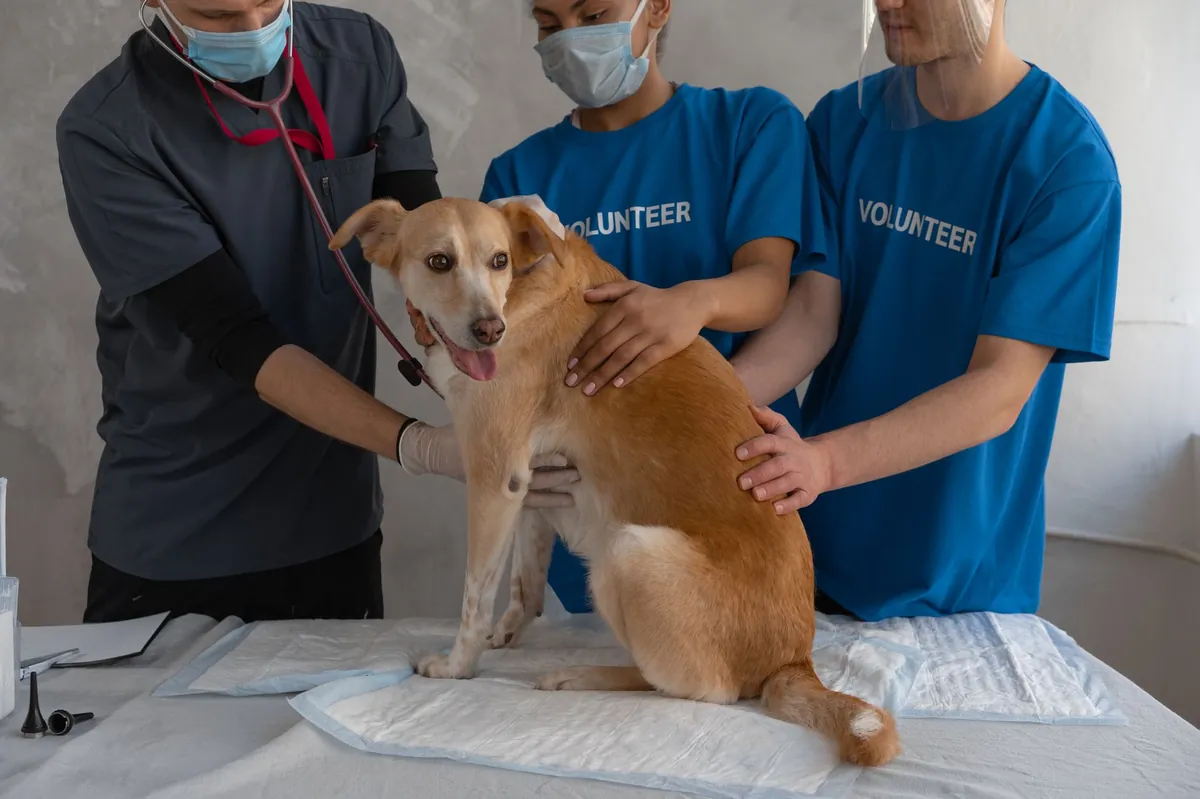
Taking care of a pet can feel overwhelming when finances are tight. Luckily, there are multiple options for pet assistance for low-income families that help cover costs like veterinary care, food, and emergency medical bills. Accessing these programs can keep your furry friend healthy and loved, even when money is scarce. Lets explore trusted resources and practical steps to find affordable pet support.
Quick Answers
Where can I get free veterinary care near me?
Finding free or low-cost veterinary care starts by identifying local clinics and nonprofits catering to families in financial need. National organizations such as Best Friends Animal Society and regional humane societies often maintain low-cost clinics and offer occasional free vaccine or wellness days. You can also search for free veterinary care for low income near me to spot community programs and mobile clinics available in your city or state.

What emergency vet bill assistance is available?
If your pet faces an unexpected illness or injury, emergency vet bills can skyrocket fast. Charities like The Pet Fund and Shakespeare Animal Fund provide grants to cover these urgent costs. Applying usually requires vet estimates and proof of income. Keeping a checklist of required documents and contacting these groups early can speed up approval.
How do I get free pet food for my family?
Many communities run pet food pantries or partner with animal shelters to distribute free pet food to families in need. Resources like Pet Help Finder compile directories for these services. Calling local shelters or food banks is another way to locate monthly or emergency pet food aid. These programs help ensure pets stay nourished without extra financial stress.
Resources Guide
National Non-Profit Programs
The Pet Fund offers financial aid for non-basic, non-routine veterinary care. Eligibility generally requires income below 200% of the federal poverty level and detailed vet documentation. Grants vary but often cover surgeries or cancer treatments. Application timelines can take weeks, so early preparation is crucial.
Best Friends Animal Society maintains a comprehensive Pet Financial Assistance Resources page listing national help lines and local support groups. They also advocate for pet retention programs and offer education on navigating financial barriers.
State & Local Assistance
| State | Organization | Services |
|---|---|---|
| Wisconsin | Wisconsin Humane Rescue Alliance | Low-cost vaccine clinics, urgent care funds |
| Washington | Washington Health Outreach | Emergency pet care grants, pet food pantries |
| Texas (Austin) | Community Pet Pantry | Free pet food distribution, volunteer-run |
State and city websites often list available low-cost veterinary services or emergency relief programs. Checking community bulletin boards or social media pages can uncover smaller-scale local offers too.
Emergency Vet Bill Assistance
| Program | Grant Cap | Typical Wait | Notes |
|---|---|---|---|
| The Pet Fund | Up to $5,000 | 26 weeks | Requires detailed vet reports |
| Shakespeare Animal Fund | Up to $2,500 | 13 weeks | Acute medical emergencies only |
| Local Emergency Grants | Varies | Varies | Often need proof of income and vet estimate |
Common required documents include income verification, veterinary statements, and detailed cost estimates. Preparing these in advance saves valuable time during emergencies.
Application Steps
Gathering Required Documents
Begin by collecting proof of income such as pay stubs, tax returns, or government assistance letters. Next, request a written veterinary cost estimate or diagnosis. This paperwork proves your pets medical need and financial eligibility.
Crafting a Persuasive Request
Share your story thoughtfully to emphasize your dedication as a pet owner. Personal anecdotes about your pets temperament or health struggles help reviewers understand the urgency. Backing your request with clear facts and citing sources like the AVMA increases credibility and trust.
Follow-Up & Record Keeping
Note deadlines for application responses and keep copies of all paperwork. Tracking your expenses and aid received in a simple spreadsheet or journal assists with future applications and budget planning.

Benefits and Risks
Benefits of Assistance Programs
Pet assistance programs improve health outcomes by connecting families with veterinary interventions otherwise unaffordable. This support reduces stress and financial pressure, helping both pets and owners maintain emotional balance. As veterinarians at the AVMA note, access to affordable care is vital for keeping pets healthy long-term.
Potential Pitfalls
Be aware of program restrictions, such as only covering emergency versus preventive care. Some grants exclude chronic or non-life-threatening conditions. Additionally, vet organizations emphasize caution to avoid scams. Always verify nonprofits 501(c)(3) status and official websites before submitting personal data.
Real Stories
Marias Journey with The Pet Fund
Marias Labrador Retriever needed a costly cancer surgery she couldnt afford. With a detailed vet statement and proof of income, Maria secured a grant from The Pet Fund. The surgery succeeded, and her dog is now enjoying daily walks again.
Community Pet Pantry in Austin, TX
A volunteer group in Austin created a pet pantry that distributes thousands of pounds of dog and cat food monthly. This grassroots effort grew from neighbors desire to care for pets despite economic hardship, showing how community collaboration builds hope.
Veterinarian Tips on Financial Hardship
Dr. Sandra Lee encourages openness during vet visits. She says, Pet owners should never hesitate to discuss financial concerns with their vets. Many clinics offer payment plans or can refer you to assistance programs to avoid delaying critical care.

What is Pet Help Finder?
Pet Help Finder is an online directory compiling local resources like free pet food pantries, low-cost veterinary clinics, and emergency grant programs. It simplifies finding nearby aid tailored for low-income pet owners.
Can I get emergency vet care for free?
Yes, some charities provide free emergency vet care if you qualify. Organizations such as The Pet Fund and Shakespeare Animal Fund grant funds based on income and pet medical need. Early applications improve chances.
How often can I apply for assistance?
Most programs allow one grant per year, but some offer multiple emergency aids depending on circumstances. Reading each applications fine print is essential to understanding limits.
Are there income thresholds?
Generally, assistance programs require household income below 200% of the federal poverty level, but eligibility reviews often consider individual hardship and community standards.
What paperwork do I need?
Typical documents include income proof (pay stubs or government letters), veterinary estimates, photo ID, and sometimes a letter from your veterinarian explaining the situation.
Pro Tips
- Start early: Collect documents and research available programs before a medical emergency occurs.
- Build a relationship with your local vet clinics offering veterinary assistance often trust repeat clients more.
- Verify program legitimacy by checking IRS 501(c)(3) status; avoid requests for upfront payments or unusual fees.
- Keep a Pet Care Financial Tracker to organize expenses, grants, and applications. This will save time for future requests.
- Utilize local animal shelter bulletin boards or community social groups, which sometimes share last-minute help announcements.

More You Might Like
Learn how to protect your pet from common diseases by reading our guide on Wsava vaccination guidelines 2025. Staying up-to-date on vaccines is critical, especially for pets with limited vet visits.
If you have a large breed dog, understanding its nutritional needs is key. Check out our article on Bernese mountain dog weight for specific feeding recommendations and health tips.
How long does it take to see results with pet assistance programs?
The timeline varies widely. Some emergency grants respond within days, while others like The Pet Fund may take a few weeks due to application volume. Preparing all necessary documents upfront helps shorten waiting times.
Is pet assistance for low-income families safe for my dog or cat?
Yes, these programs partner with licensed veterinarians and reputable organizations. Its always wise to confirm any clinic or funds credibility before proceeding to ensure your pet receives quality care.
Can I apply for help if I adopt a rescue pet?
Absolutely. Most programs consider pet ownership status and financial need rather than how you acquired your animal. Rescue pets often require vet care, making these services crucial.
Will assistance programs cover routine vaccinations?
Many low-cost clinics include vaccinations and preventive services. Some grants, however, focus solely on emergency treatments or surgeries, so confirm the programs scope first.
Are there programs specifically for senior pets?
Yes, some nonprofits prioritize care for senior animals, recognizing their heightened medical needs and higher costs. Check eligibility criteria on individual program websites.
How can I avoid pet assistance scams?
Always verify nonprofit status via official IRS listings. Avoid programs requiring upfront fees or sensitive personal info beyond typical paperwork. Contact local shelters or trusted veterinary offices if unsure.
What if my application is denied?
Dont be discouraged. Many programs allow reapplication with additional documentation. Also, explore local charities, community foundations, or payment plans offered by your veterinarian.
Conclusion
Finding pet assistance for low-income families can ease the strain of providing quality care for your beloved companion. Utilizing national nonprofits, local clinics, and community pet pantries ensures your pet stays healthy through good times and bad. Gather your documents, research trusted programs, and dont hesitate to ask for help your pet deserves it. Share your experience or questions below to support fellow pet owners on a similar journey.
FAQs
How long does it take to see results with Pet assistance for low-income families?
The timeline varies by program. Some emergency grants respond within days, while larger funds like The Pet Fund may take several weeks due to application volume. Being prepared with all documents speeds up the process.
Is Pet assistance for low-income families safe for my dog or cat?
Yes, these programs partner with licensed veterinarians and reputable nonprofits to ensure your pet receives quality care. Always verify the program’s legitimacy before applying to avoid scams.
What paperwork do I need to apply for pet assistance?
Typical documents include proof of income (pay stubs or government letters), veterinary cost estimates, photo ID, and sometimes a letter from your vet explaining your pet’s medical needs.
Are there income limits to qualify for pet assistance programs?
Most programs require household income below 200% of the federal poverty level, but some consider individual hardship or community standards for eligibility.
Can I get assistance for routine vaccinations or only emergencies?
Many low-cost clinics provide vaccinations and preventive care, but some grants focus strictly on emergency or urgent treatments. Always check each program’s coverage before applying.