If youre passionate about caring for pets, knowing the 3 abilities needed to be a veterinarian is just as important as loving animals. These core skills shape how a vet diagnoses, treats, and comforts furry patients and their worried owners every day. Whether youre considering vet school or already on the path, understanding these abilities helps you focus on what truly matters in this demanding yet rewarding career.
Missing even one of these skills can result in misdiagnoses, lost trust, or stalled progress. Below, we break down what these abilities are, why they are essential, and how you can develop them thoughtfully and effectively.
Clinical Expertise
What Does Clinical Expertise Actually Mean?
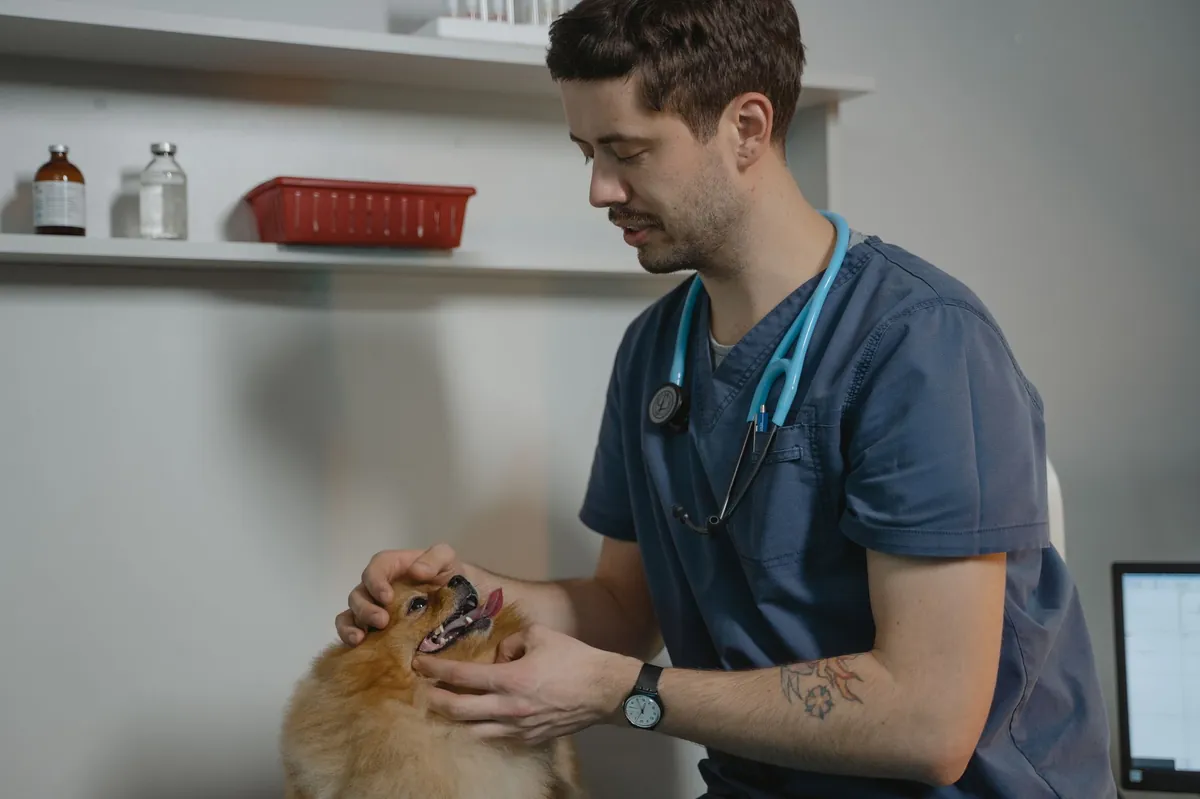
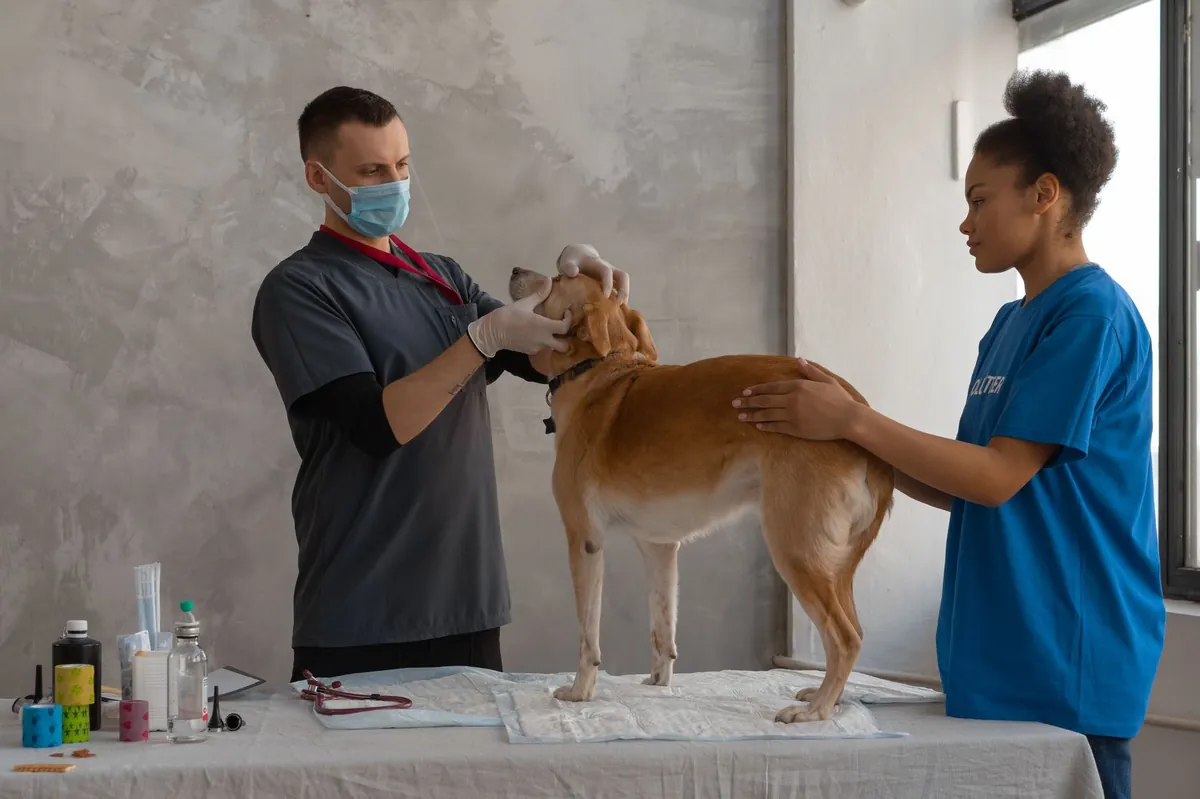
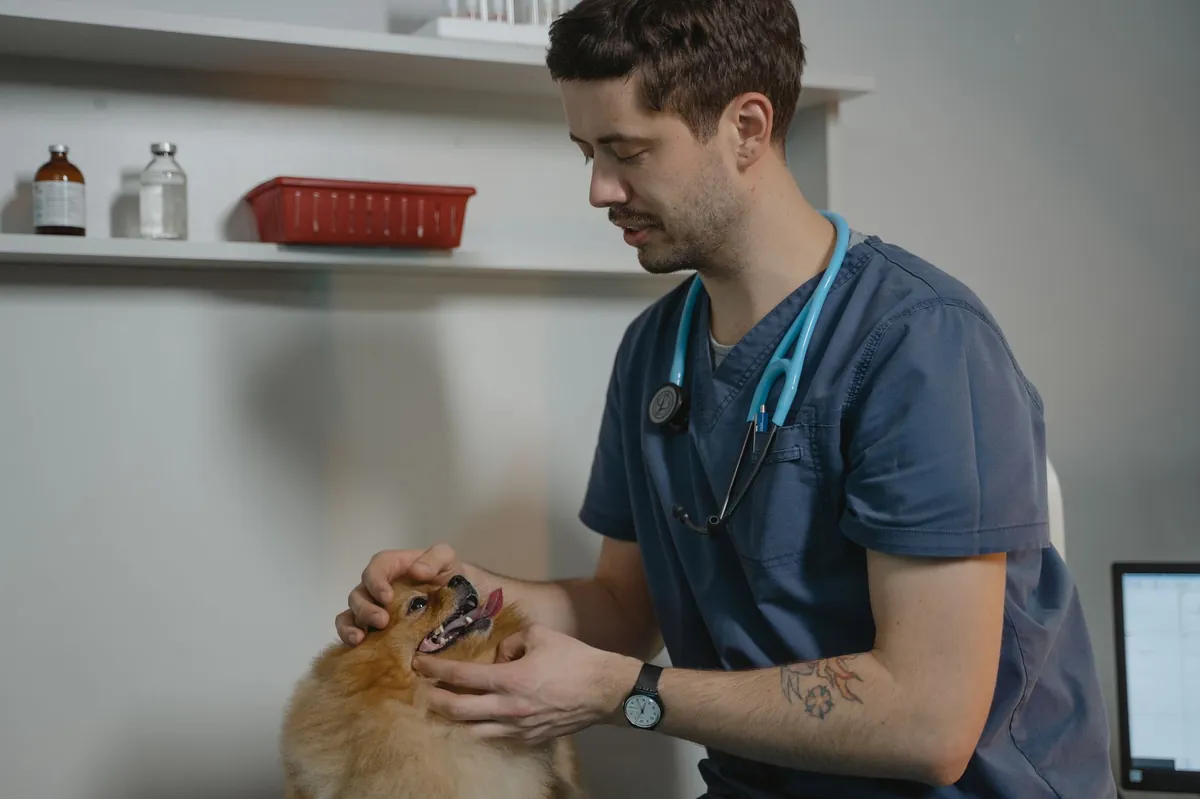
Clinical expertise refers to a veterinarians technical skills and hands-on knowledge needed to diagnose and treat animal health issues accurately. This includes everything from physical exams and diagnostic tests to performing surgery and managing emergencies. For example, a skilled vet might detect a subtle heart murmur in a Labrador retriever that could easily be overlooked without detailed clinical knowledge.
These technical skills are the backbone of effective veterinary care. They cover diagnostics, surgical techniques, anesthesia, laboratory testing, and interpreting imaging like X-rays or ultrasounds.

Essential Hard Skills Every Vet Should Own
- Diagnostic Imaging: Reading X-rays and ultrasounds to identify internal issues.
- Laboratory Testing: Analyzing bloodwork and other samples accurately.
- Surgical Basics: Safe anesthesia administration and skilled in common procedures.
- Pharmacology: Understanding medications and appropriate dosages.
- Emergency Care: Responding quickly in trauma or toxin poisoning cases.
| Diagnostic Tool | Purpose | Example Use |
|---|---|---|
| Ultrasound | Soft tissue imaging | Detecting heart murmurs or abdominal abnormalities |
| X-Ray | Bone and lung imaging | Identifying fractures or pneumonia |
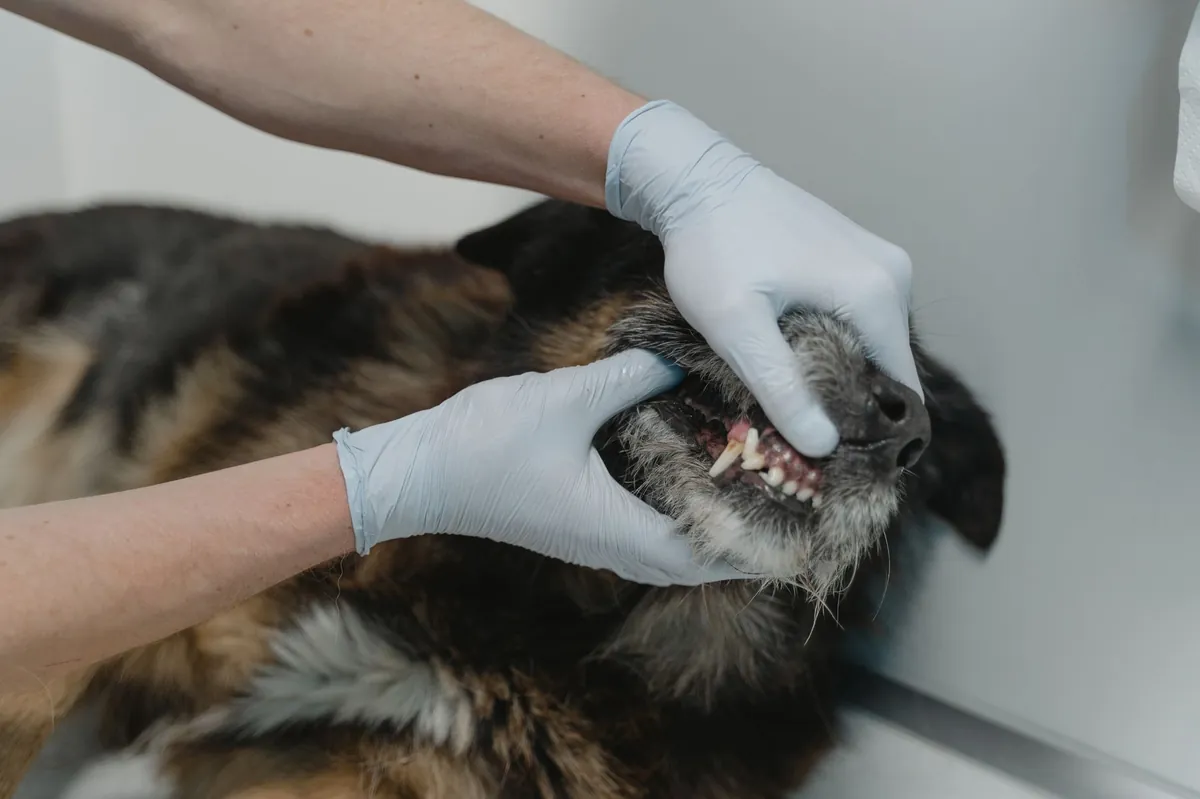
| Dental Scaler | Dental cleaning and plaque removal | Managing oral health in older pets |
How to Develop and Certify These Skills
To gain clinical expertise, focus first on core coursework in veterinary schools: pathology, anatomy, pharmacology, and diagnostic imaging. Following formal education, internships or clinical residencies provide supervised hands-on experience. Board certification or specialty training sharpens expertise further and enhances job prospects.
Simulated labs and continuing education workshops also help vets keep skills current, especially with evolving technology and new treatments.
Quick-Start Checklist (for Students)
- Complete laboratory skills courses and practice diagnostic techniques.
- Shadow experienced veterinarians in clinics to observe procedures.
- Participate in simulation labs for surgery and anesthesia training.
- Prepare for and pass board certification exams.
- Attend ongoing continuing education workshops to stay up to date.
Communication Skills
Why Communication Is a Lifesaver for Pets & Owners
Communication skills are often underestimated, but they are critical when caring for pets and their families. A veterinarian who listens carefully can gather accurate symptom histories and spot subtle clues that lead to a diagnosis. Similarly, clear explanations help pet owners understand treatment options, increasing compliance and trust.
Strong communication also eases stressful visits. When pet owners feel heard and comforted, they are more likely to return and follow through with recommendations.
Core Soft Skills to Master
- Empathy: Showing genuine care and understanding for pet and owner concerns.
- Active Listening: Paying full attention, clarifying information, and summarizing.
- Clear Written Reports: Documenting cases precisely for future reference and colleagues.
- Conflict Resolution: Calmly managing upset or distressed clients.

Real-World Scenario: Handling a Distressed Pet Owner
Imagine a worried cat owner who refuses to schedule surgery recommended for their pets tumor. Instead of pushing, a vet skilled in communication might:
- Listen fully to the owners fears without interrupting.
- Empathize: I understand how scary this feels.
- Explain risks and benefits in simple terms.
- Offer alternatives or second opinions to build trust.
- Follow up with a phone call to check on concerns.
This empathetic approach often results in calmer decisions and happier clients.
Tools & Resources for Sharpening Communication
- Role-play workshops focused on difficult conversations.
- Online courses like Courseras Effective Communication tailored for health professionals.
- Veterinary customer relationship management (CRM) software to track client history and preferences.
Problem-Solving Skills
The Vets Daily Puzzle: From Symptoms to Diagnosis
Every day, veterinarians act as detectives, piecing together symptoms to arrive at an accurate diagnosis. This complex process requires a structured approach like forming a differential diagnosis list a ranked list of possible causes that guides testing and treatment.
Critical thinking lets vets rule out unlikely causes and focus on the most probable, helping pets get faster relief from illness.
Key Analytical Techniques
- Evidence-Based Medicine: Applying current research and protocols to decisions.
- Pattern Recognition: Identifying common clusters of signs linked to specific illnesses.
- Data Interpretation: Reading lab results and imaging with context-specific knowledge.

Case Study: Solving a Mysterious Gastrointestinal Outbreak
A local clinic faced several dogs with vomiting and diarrhea. The vet team:
- Noted timing and common exposure of affected dogs (dog park visits).
- Ran fecal and blood tests to rule out parasites and infection.
- Identified a bacterial strain through lab culture linked to a contaminated water source.
- Advised temporary closure of the park and prescribed supportive care.
- Followed up to confirm symptoms resolved after intervention.
This stepwise method showcases how strong problem-solving narrows down causes efficiently.
Practice Drills to Boost Critical Thinking
- Keep a weekly case of the week journal to analyze different scenarios.
- Use veterinary simulation software that mimics diagnostic puzzles.
- Participate in peer-review rounds where cases are discussed and analyzed collaboratively.
Additional Insights
What Education Is Required to Be a Veterinarian?
Becoming a veterinarian requires completing a Doctor of Veterinary Medicine (DVM) program, which usually lasts four years following undergraduate prerequisites. Coursework covers anatomy, physiology, pharmacology, pathology, and clinical practice.
Graduates must pass the North American Veterinary Licensing Examination (NAVLE) to practice professionally. Internships and residencies provide advanced training for those pursuing specializations. According to the AVMA, ongoing education is vital to maintain licensure and clinical competence.
How These Abilities Impact Veterinarian Salary & Job Outlook
The U.S. Bureau of Labor Statistics (2025) projects a 20% growth in veterinary jobs, with a median salary around $105,000. Vets who excel in clinical expertise, communication, and problem-solving often enjoy higher earnings due to better client retention, fewer misdiagnoses, and leadership roles.
Strong skills also reduce burnout, improving career longevity.
Crafting a Veterinary Skills Resume
Your resume should highlight these 3 abilities clearly:
- Clinical Skills: List procedures performed, certifications earned, and technologies used.
- Communication: Detail client education sessions, teamwork, and conflict resolution examples.
- Problem-Solving: Show examples of diagnostic challenges or efficiency improvements contributed.
Use action verbs like diagnosed, educated, and analyzed combined with specific achievements for a compelling resume.
Typical Veterinarian Job Description & Skills Map
| Job Duty | Related Ability |
|---|---|
| Examining and diagnosing animals | Clinical Expertise |
| Explaining treatments to pet owners | Communication Skills |
| Developing treatment plans based on test results | Problem-Solving |
| Handling emergencies and unexpected complications | All 3 abilities combined |
Being a good veterinarian means balancing technical knowledge with empathy and logical thinking.
Balancing Benefits & Risks
Benefits of Mastering the Three Abilities
- Improved patient outcomes thanks to accurate diagnoses and treatments.
- Greater client satisfaction and stronger relationships.
- Career advancement opportunities in specialty practices or leadership roles.
Risks of Neglecting Any Ability
- Misdiagnosis or delayed diagnosis causing harm to pets.
- Angry or lost clients due to poor communication.
- Increased stress and burnout from ineffective problem-solving.
- Potential legal liabilities from mistakes.
Self-Assessment Worksheet
| Ability | Rate Yourself (15) | Improvement Actions for Next 30 Days |
|---|---|---|
| Clinical Expertise | ||
| Communication Skills | ||
| Problem-Solving Skills |
Honest self-reflection helps guide growth and build confidence over time.

How long does it take to see results with developing veterinary skills?
Developing the 3 abilities needed to be a veterinarian takes time, often spanning several years of education, clinical experience, and ongoing learning. While basic skills begin in veterinary school, confidence and mastery grow with hands-on practice and real-world cases over time.
Is clinical expertise or communication more important in veterinary care?
Both clinical expertise and communication are vital. Without technical knowledge, proper diagnosis is impossible. Without communication skills, even the best treatment plans can fail due to poor client understanding. Together they ensure pets receive effective, compassionate care.
Can problem-solving skills be improved outside veterinary school?
Yes. Vets can enhance problem-solving by regularly reviewing complex cases, participating in peer discussions, and engaging in simulation exercises. These practices sharpen analytical thinking beyond formal education.
What role does empathy play in a veterinarians communication?
Empathy builds trust and reassures pet owners during stressful times. It helps vets connect emotionally while maintaining professionalism, leading to stronger client relationships and better compliance.
Are there certifications for veterinary communication skills?
No formal certifications focus solely on communication, but veterinary professionals can attend workshops or online courses to improve these skills. Many veterinary associations offer continuing education credits for communication training.
How can new vets practice clinical skills safely?
New vets should train under experienced mentors, use simulation labs, and gradually take on more complex cases. Supervised practice ensures safety for patients and boosts the vets confidence.
Does mastering these abilities help with pet owner education?
Absolutely. Excellent communication combined with strong clinical knowledge allows vets to explain conditions clearly, making owners more informed and cooperative in caring for their pets.
Pro Tips for Aspiring Veterinarians
- Spend extra time shadowing vets in diverse settingssmall animal, emergency, specialty clinicsto see how the 3 abilities merge in practice.
- Practice gentle yet clear communication with pet owners by role-playing different scenarios, especially difficult conversations.
- Keep a detailed case journal to track your diagnostic thought process and reflect on areas for improvement.
- Avoid the common mistake of relying solely on textbooks; real-world exposure is key to deep problem-solving skills.
For practical grooming tips that complement veterinary care, explore our guide on How to groom your dog at home with clippers.
If youre interested in preventing common parasitic issues that vets often treat, our comprehensive review of Bravecto for dogs provides valuable insights.
More You Might Like
- What Makes a Good Veterinarian? Explore qualities beyond technical skills that inspire trust and compassion.
- Bravecto for Dogs: What You Should Know Protect your dog from fleas and ticks effectively with vet-approved treatments.
- How to Groom Your Dog at Home with Clippers Keep your dog looking great between vet visits with easy grooming tips.
Mastering the 3 abilities needed to be a veterinarianclinical skill, communication, and problem-solvingpositions you for a career filled with trust, discovery, and heartfelt connections. Try focusing on one skill at a time, practice patiently with your pets, and share your progress with fellow animal lovers. If this guide helped you, leave a comment or check back for more pet care wisdom to accompany your journey.
FAQs
How long does it take to see results with 3 abilities needed to be a veterinarian?
Developing the three core abilities—clinical expertise, communication, and problem-solving—typically takes several years through veterinary school, hands-on training, and ongoing practice. While foundational skills begin early, true mastery grows with real-world cases and continued learning over time.
What education is required to develop these veterinarian abilities?
Becoming a veterinarian requires completing a Doctor of Veterinary Medicine (DVM) program after undergraduate prerequisites, followed by passing licensing exams like NAVLE. Hands-on internships and residencies further build clinical skills, while ongoing education hones communication and problem-solving.
Why is communication important in veterinary care?
Communication helps vets gather accurate information and explains treatments clearly to pet owners. Good communication builds trust, reduces client stress, and improves compliance, leading to better outcomes for pets and stronger vet-client relationships.
Can problem-solving skills be improved outside of veterinary school?
Yes. Veterinarians can enhance problem-solving skills by reviewing complex cases, engaging in peer discussions, and practicing diagnostic simulations. These activities sharpen analytical thinking beyond formal education.
How can new veterinarians safely practice clinical skills?
New vets should practice under experienced mentors, use simulation labs, and handle cases progressively from simple to complex. Supervised training ensures patient safety and helps vets build confidence with clinical procedures.