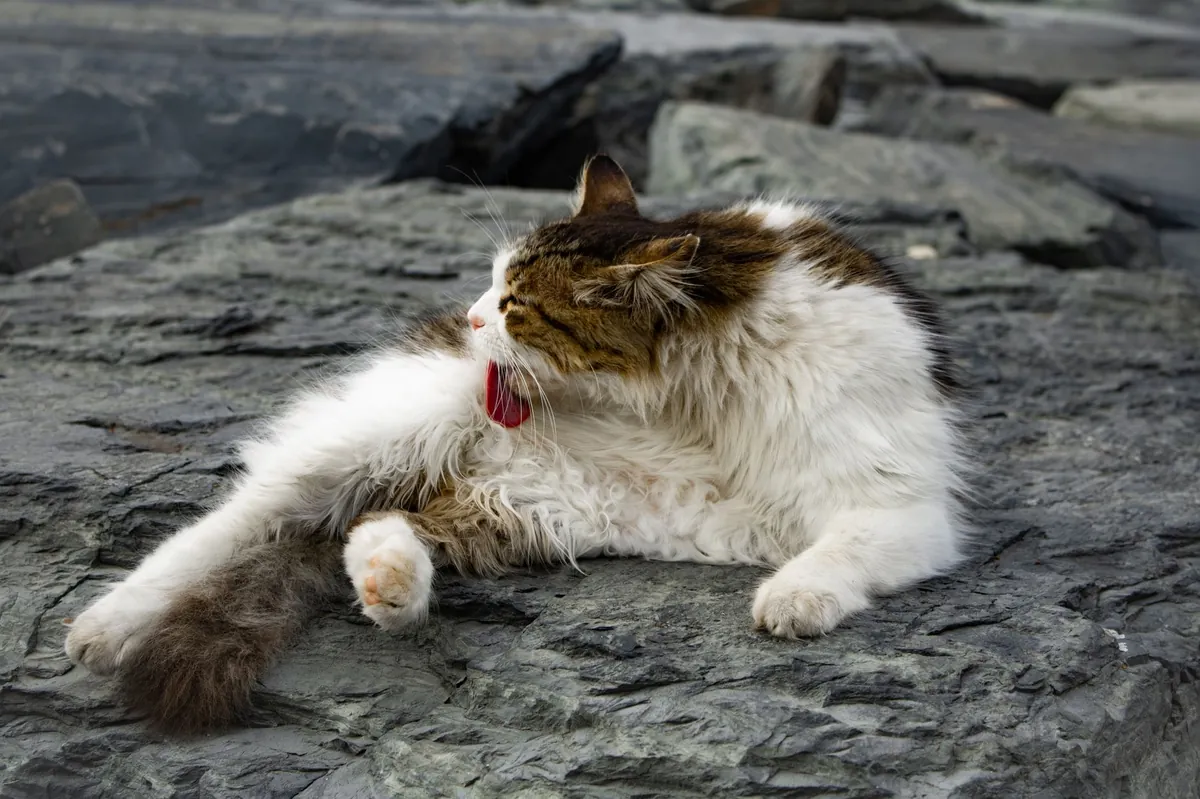
Grooming your cat is more than just keeping them neat; its a vital part of their health and happiness. Regular cat grooming helps prevent mats, reduces shedding, and keeps their skin healthy. Whether you have a fluffy Maine Coon or a sleek Siamese, knowing how to groom your pet safely and effectively is key to a calm, content feline friend.
Why Grooming Matters
Good cat grooming isnt just a beauty routineits a health booster. Cats, especially long-haired or senior ones, need regular grooming to avoid tangles and skin irritations.
What is cat grooming and why is it important?
Cat grooming means brushing, cleaning, and sometimes trimming to maintain your cats coat, skin, claws, and overall hygiene. It supports skin health by removing dead hair and dirt, reduces stress by fostering bonding, and helps spot parasites or injuries early. According to the ASPCA, regular grooming can also improve circulation and lower the risk of hairballs.
Can I groom my cat myself or should I hire a pro?
Many cat owners handle daily grooming tasks themselves, but professional grooming services offer specialized care. DIY cat grooming lets you bond with your pet and save on costs. However, some cats benefit greatly from mobile cat grooming or visits to a salon, especially if they have matting or special skin conditions. Mobile groomers bring convenience, while professionals provide expertise. Searching for cat grooming near me can help you find trusted options close by.
How often should I groom my cat?
Short-haired cats usually need brushing once or twice a week. Long-haired breeds like Persians require brushing every day or at least 34 times weekly to prevent mats and reduce shedding. Senior cats or those with health issues may need more frequent help. Look for signs like dandruff, hairballs, or mats to adjust grooming frequency.
The Core Grooming Routine
This step-by-step routine will help you keep your cat healthy and comfortable.
How to safely trim a cats nails
Trimming nails prevents painful overgrowth and scratching problems. Heres how to do it safely:
Tools needed (cat grooming kit, nail trimmer)
- Cat nail clippers or human nail scissors with blunt tips
- Styptic powder or cornstarch (in case of bleeding)
- Towel (to wrap fidgety cats)
Step-by-step visual guide
- Hold your cat gently, wrapping them in a towel if needed.
- Press paw pads to extend the claws.
- Trim just the clear, sharp tip of each nailavoid the pink quick.
- If you accidentally cut the quick, apply styptic powder immediately.
- Trim nails every 1014 days, or when you hear clicking on floors.
Safety tips & common mistakes
- Never cut too close to the quick to avoid pain and bleeding.
- Dont force your catstop if stressed and try again later.
- Use sharp clippers to avoid splitting nails.
Brushing and de-shedding: Keeping the coat sleek
Regular brushing removes loose hair, distributes natural oils, and eases shedding.
Best brushes for different fur types (slicker, comb, bristle)
- Slicker brushes work great for long-haired cats with dense coats.
- Fine-toothed combs help gently detangle mats.
- Bristle brushes suit short-haired cats for smooth coats.
Frequency guide & technique demo
Long-haired cats should be brushed daily for 510 minutes per session. Short-haired cats do well with brushing 23 times weekly for 5 minutes. Brush gently in the direction of fur growth and use detangling strokes only if your cat tolerates them.
Managing hairballs why regular brushing helps
Hairballs form when cats ingest loose fur. Brushing reduces the amount they swallow, limiting hairball frequency and discomfort.
Ear and eye care basics
Cleaning supplies (cotton pads, vet-approved ear solution)
- Cotton balls or pads
- Vet-approved ear cleaning solution
- Soft cloths for wiping eyes
Signs of infection to watch for
Look for redness, dark discharge, foul odor, or excessive scratching around ears. Watery eyes or crusting can signal infections or allergies. Consult your vet promptly for these symptoms.
Bathing a cat When & how?
Choosing the right shampoo (hypoallergenic, fragrance-free)
Select shampoos formulated specifically for cats, preferably hypoallergenic and without added dyes or fragrance. This keeps skin fresh without irritation.
Step-by-step bath routine for reluctant cats
- Brush your cat thoroughly before bath time.
- Fill the tub or sink with lukewarm water about 34 inches deep.
- Wet your cat slowly using a cup or sprayer, avoiding eyes and ears.
- Apply shampoo and lather carefully.
- Rinse thoroughly to remove all soap residue.
- Dry with a towel and place your cat in a warm, draft-free room.
Alternatives: spot-cleaning, wipes for hairless breeds
If bathing stresses your cat, try spot-cleaning dirty areas with pet wipes or damp cloths. Hairless breeds or senior cats are often more sensitive and benefit from gentle, regular cleanings instead of full baths.
Dental hygiene for cats
Toothbrushes, toothpaste, and safe chew toys
- Cat-friendly toothbrush or finger brushes
- Flavored cat toothpaste (never use human toothpaste)
- Dental chew toys designed for cats
Frequency and professional cleaning options
Brush your cats teeth 34 times per week to keep plaque at bay. Annual dental check-ups with a vet ensure thorough cleaning and catch problems early. Always check with your vet before starting new dental care routines.
Must-Have Cat Grooming Tools & Kits
Equipped with the right tools, cat grooming becomes easier and safer.
Essential tools for every cat owner
Brush/comb types & why each matters
A slicker brush detangles and removes mats; a comb catches loose hair and checks for fleas. Grooming gloves can help calm nervous cats while brushing.
Nail trimmers vs. scissors
Pet nail trimmers offer better control and precision than scissors. Use sharp, ergonomic clippers designed for cats to reduce stress and risk of injury.
Grooming gloves, de-shedding tools, ear cleaners
Grooming gloves allow you to pet and remove loose hair simultaneously. De-shedding tools, like the Furminator, are great for heavy shedders. Always have ear cleaners ready to maintain hygiene.
Best-selling grooming kits (2025)
| Kit Name | Price Range | Components | User Rating |
|---|---|---|---|
| Feline Fresh Deluxe Grooming Kit | $25$35 | Brush, comb, nail trimmer, grooming glove | 4.7/5 |
| PurePet Cat Care Set | $30$45 | Slicker brush, de-shedding tool, ear cleaner | 4.5/5 |
| ProGroom Mobile Kit | $100$130 | All essentials plus portable clipper and scissors | 4.8/5 |
Where to buy (Chewy, Amazon, local pet stores)
These kits are available online at Chewy and Amazon or in experienced local pet stores. Compare prices and check for warranty support.
Professional-grade tools for mobile groomers
Portable grooming tables, high-velocity dryers
Mobile cat groomers often use foldable tables with non-slip surfaces and quiet, high-velocity dryers designed to calm cats during drying. These tools enhance safety and comfort during professional grooming sessions.

Professional Cat Grooming Services
Sometimes professional grooming is the best choice, especially for difficult coats or special health needs.
Typical services offered by groomers (PetSmart, Petco, local salons)
Standard offerings include baths, haircuts, nail trims, ear cleanings, deshedding treatments, and flea or tick care. Many salons tailor packages to your cats age and coat type.
How to choose a reputable groomer
Look for certification from organizations like the National Cat Groomers Institute. Ask about sanitation procedures, the use of cat-friendly products, and experience with your cats breed. A good groomer listens carefully and explains their method before starting.
Mobile vs. in-shop grooming Benefits & drawbacks
Mobile cat grooming offers convenience and reduces stress for shy cats by avoiding travel. In-shop grooming may offer more specialized equipment and environment but requires transportation which can upset some cats. Cost varies but is often slightly higher for mobile services.
Pricing guide & budgeting tips
Basic grooming sessions can range from $40 to $80, depending on location and services. Packages or regular appointments can reduce costs. Consider the time saved and stress avoided when budgeting for professional grooming. Sometimes, investing in a quality pet grooming service pays off in long-term health benefits.

Balancing Benefits & Risks
Regular grooming offers many health benefits, but be mindful of the possible risks to keep your cat safe and comfortable.
Health benefits of regular grooming
Frequent grooming decreases shedding and dander, improves skin condition, and helps catch fleas or injuries early. Veterinarians at the AVMA highlight groomings role in preventing skin infections and improving feline comfort.
Potential risks and how to avoid them
Over-trimming or improper nail clipping can injure your cat. Stress during grooming might cause aggressive behavior or avoidance later. Always stop if your cat shows distress signals and try gradual desensitization. Use only pet-safe products to avoid allergic reactions.
When to skip grooming or see a vet
If your cat is sick, injured, or extremely anxious, skip the grooming session and consult your veterinarian. Grooming should never add to your pets discomfort.
Real-World Experiences & Case Studies
Owner story: Transitioning a shy senior cat to regular grooming
One kitten-shy cat owner began with short, gentle brushing sessions as treats distracted her pet. Over weeks, the cat grew accustomed, making grooming a part of their daily routine. Now, even nail trims are less stressful.
Veterinary perspective: Grooming as a preventive health tool
Veterinarians emphasize groomings role beyond aesthetics. They note fewer vet visits for skin issues and better mental health in cats regularly groomed, supporting overall wellness.
Professional groomer interview: Top 5 tips for first-time cat owners
- Start grooming early and keep sessions short.
- Use gentle, consistent motions to avoid stress.
- Reward your cat immediately after grooming.
- Invest in quality tools suited to your cats coat.
- Know when to seek professional help for mats or behavioral challenges.

How often should I brush a short-haired vs. long-haired cat?
Brush short-haired cats 12 times per week and long-haired cats daily or at least 3 times a week to prevent mats and minimize shedding.
Can I use human shampoo on my cat?
No, human shampoos are not safe for cats as they have different pH levels and may contain harmful ingredients. Always use shampoos formulated specifically for cats.
Whats the safest way to handle a cat that hates being brushed?
Start with very short sessions, use treats to build positive associations, brush in a calm environment, and gradually increase duration. If needed, consult a professional groomer for advice.
Are there any cats that dont need regular grooming?
All cats benefit from some grooming, but short-haired breeds require less frequent brushing. Even hairless breeds need regular skin care and gentle cleaning.
How do I find cat grooming near me with good reviews?
Search local directories, ask your vet for recommendations, and read customer feedback carefully to choose a groomer with experience in cat care.
Can grooming help reduce cat allergies in humans?
Regular grooming reduces shed dander, which is a common allergy trigger, but it cannot eliminate cat allergens entirely. Consult an allergist for personalized advice.
Is it okay to use flea shampoos when grooming my cat?
Only use flea shampoos approved by your vet, as some contain ingredients harmful to cats. For flea prevention, vets often recommend specific topical treatments instead.
Pro Tips for Effective Grooming
- Groom your cat in the same quiet spot to build comfort and routine.
- Use both brushing and combing daily for long-haired cats to catch all loose fur.
- Trim nails every 1014 days, even if your cat indoors; scratching furniture can cause stress.
- Dont skip ear checks during grooming this often-overlooked area can harbor infections.
- Be patient and stop if your cat becomes aggressive, then try again the next day.
More You Might Like
Explore our comprehensive pet grooming guide to learn about caring for dogs and other pets. If you want to understand more about common health issues, check out our List of dog diseases. Or, if searching for support with dog care, see tips on grooming dogs near me.

Conclusion
Regular cat grooming keeps your feline friend healthy, comfortable, and relaxed. Starting with small daily stepslike gentle brushing and nail trimsbuilds trust and improves coat condition. Whether you prefer a DIY routine or professional services, proper grooming helps you catch health issues early and reduces stress for both of you. Try these tips with your pet and feel free to share your grooming experiences in the comments below.
FAQs
How long does it take to see results with cat grooming?
With consistent grooming, noticeable improvements in your cat’s coat and comfort can appear within a few weeks. Regular brushing reduces shedding, prevents mats, and highlights skin health quickly.
How often should I groom my cat?
Short-haired cats should be groomed once or twice a week, while long-haired breeds need brushing daily or at least 3-4 times a week. Nail trims are recommended every 10-14 days.
What are the signs that my cat needs grooming or a vet visit?
Look for mats, excessive shedding, dandruff, hairballs, skin irritation, redness, or signs of infection in ears or eyes. If your cat shows distress or skin problems, consult your veterinarian.
What is the difference between DIY grooming and professional cat grooming?
DIY grooming lets you bond with your cat through daily care, while professionals provide specialized tools and treatments for mats, skin conditions, and thorough cleaning not easily done at home.
When should I skip grooming and see a vet instead?
If your cat is sick, injured, extremely anxious, or shows signs of infection or pain, avoid grooming and seek veterinary advice to ensure safe care and treatment.