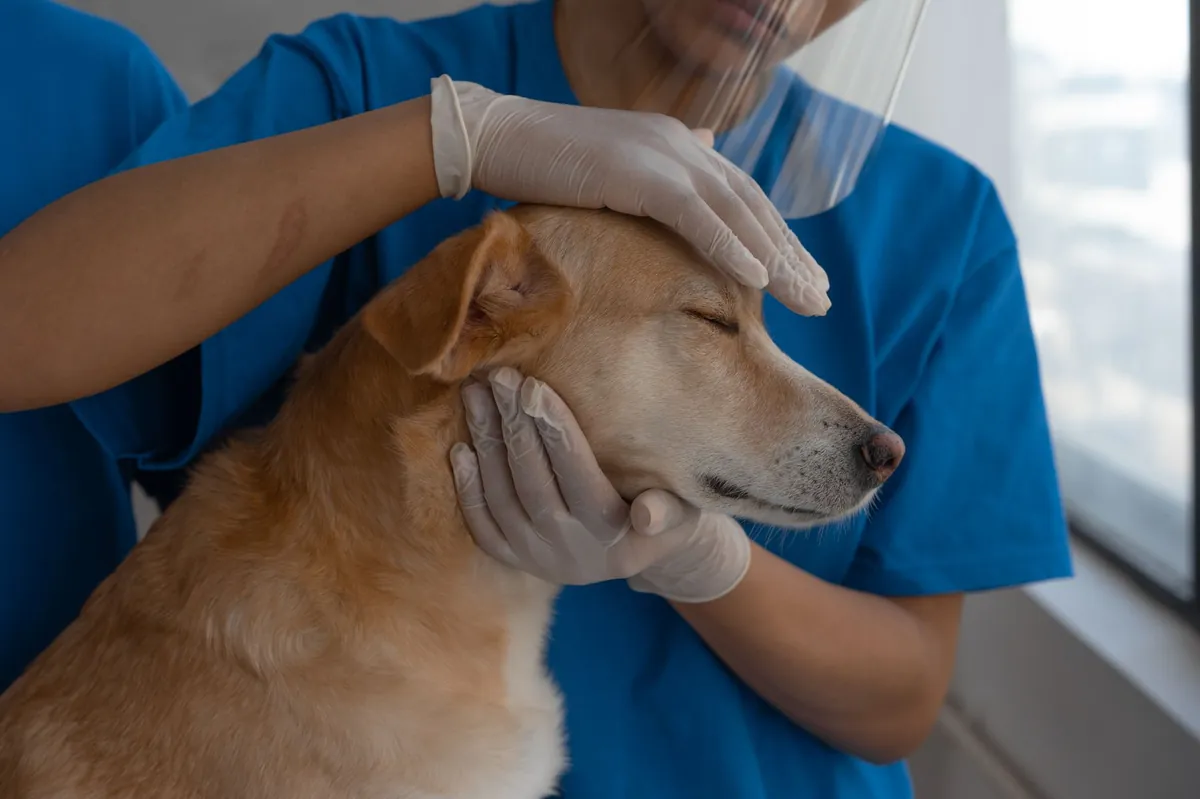
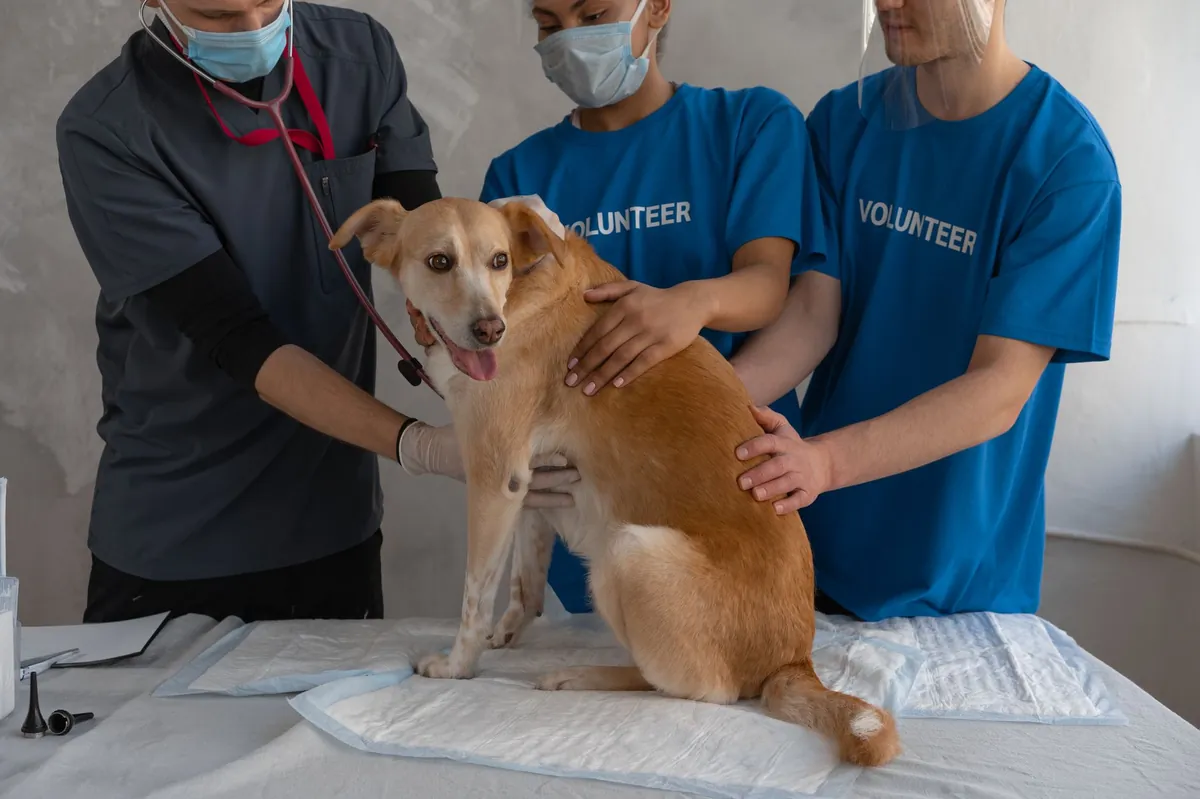
Wondering which illnesses might be lurking behind that occasional cough or limp? Below youll find a clear, friendly rundown of the most common dog diseases, their telltale signs, and what you can do right now to keep your furry companion safe.
Knowing these health threats isnt just about avoiding vet billsits about giving your pup the longest, happiest life possible. So lets dive in, grab a cup of coffee, and talk dog health like old friends.
Top 10 Common Diseases
What are the top 10 most common dog diseases?
Veterinarians across the country agree that these ten conditions show up most often in clinic rooms. Theyre the ones youll hear mentioned on every pethealth podcast, and theyre the diseases well focus on first.
| Disease | Primary Symptom | Typical Age Risk | Mortality Rate |
|---|---|---|---|
| Parvovirus | Severe vomiting & diarrhea | Puppies 612weeks | 3050% |
| Canine Distemper | Fever, eye discharge | Young dogs | 2040% |
| Kennel Cough | Dry hacking cough | All ages | <5% |
| Heartworm | Exercise intolerance | Adult dogs | 1020% |
| Lyme Disease | Joint swelling | Tickprone regions | <2% |
| Hip Dysplasia | Limping, pain | Growing puppies | <1% |
| Gastric DilatationVolvulus (GDV) | Distended abdomen | Large breeds | 7090% |
| Leptospirosis | Fever, jaundice | All ages | 1530% |
| Ringworm | Hair loss, scaly patches | All ages | <1% |
| Cancer (various) | Weight loss, lumps | Older dogs | Variable |
Why these 10 dominate
Data from the American Veterinary Medical Association (AVMA) shows that these diseases together account for more than 60% of all canine health visits each year. Their prevalence is driven by a mix of contagious agents, genetics, and lifestyle factorsthink crowded dog parks, seasonal ticks, and the bigdogsyndrome that makes GDV more likely.
How to spot them early
Early warning signs are often subtle. A sudden loss of appetite, a change in energy, or a weird smell from the paws can be the first hint. Keep a daily log in your phonejust a quick note each dayand youll notice patterns before they become emergencies.
Disease Profiles AZ
Parvovirus (Parvo)
Parvo attacks the intestinal lining, causing bloody diarrhea and dehydration. Puppies are the most vulnerable because their immune systems are still developing. If you suspect parvo, rush to the vetintravenous fluids and supportive care are lifesavers.
Symptoms & progression
Sudden vomiting
Bloody, foulsmelling stool
Lethargy and fever
Treatment options (PDF guide)
Standard care includes fluid therapy, antinausea meds, and antibiotics to prevent secondary infections. A printable Top 10 most common dog diseases and treatment checklist is handy for home monitoring.
Realworld case study
When my friend Mayas 8weekold Labrador, Bella, hit the vet with watery diarrhea, the diagnosis was instantparvo. After three days in the ICU and a lot of love at home, Bella bounced back. Maya says the experience taught her the value of early vaccination.
Canine Distemper
Distemper attacks the respiratory, gastrointestinal, and nervous systems. Its a nightmare for owners because survivors can develop chronic neurological issues.
Key signs
High fever, nasal discharge, coughing, and later, tremors or seizures.
Prevention tip
Vaccination is nonnegotiable. A single dose after 6weeks, followed by boosters, slashes the risk to under 5%.
Kennel Cough
Also called infectious tracheobronchitis, this is a highly contagious bacterial infection. It spreads quickly in boarding facilities, doggy daycares, and groomers.
Quick relief
Rest, humidified air, and a short course of antibiotics usually clear things up in 1014 days.
Heartworm
Transmitted by mosquitoes, heartworms live in the heart and pulmonary arteries, eventually causing heart failure.
Prevention is simple
Monthly preventativesavailable as tablets or topical treatmentsstop larvae from maturing. Check out our article on common dog diseases and prevention for a deeper dive.
Lyme Disease
Caused by the bacterium Borrelia burgdorferi, Lyme spreads through deer ticks. Joint pain and fever are the most common symptoms.
Testing & treatment
Blood tests confirm infection; a short course of doxycycline clears it in most cases.
Hip Dysplasia
A hereditary malformation of the hip joint, leading to arthritis and pain.
Management
Weight control, joint supplements, and physiotherapy delay surgery. In severe cases, a total hip replacement may be necessary.
Gastric DilatationVolvulus (GDV)
Often called bloat, GDV is a medical emergency where the stomach twists on itself, cutting off blood flow.
Red flag
Sudden, painful bloating, retching without vomit, and restlessness are classic signs. Immediate surgery is the only cure.
Leptospirosis
This bacterial infection is spread through contaminated water or urine of wild animals.
Symptoms
Fever, vomiting, and jaundice. Prompt antibiotics are essential.
Ringworm
Despite the name, its a fungal infection, not a worm. It causes circular, hairless patches on skin.
Treatment
Topical antifungals and sometimes oral meds clear the infection in 46 weeks.
Cancer (various)
Dogs can develop many tumor typeslymphoma, mast cell tumors, osteosarcoma, and more.
Early detection
Regular veterinary checkups and monitoring for lumps are key. Early surgical removal plus chemotherapy can drastically improve outcomes.
Fatal Dog Diseases
Which dog diseases most often cause death?
Cancer tops the list, followed closely by GDV, heart disease, and severe parvovirus infections in puppies. While some are unstoppable, many can be prevented with vaccines, regular screening, and lifestyle tweaks.
Prevention tips that actually work
- Annual wellness examscatch cancers early.
- Vaccination schedulesshield against parvo, distemper, and rabies.
- Weight managementreduces strain on heart and joints.
- Tick controlprotects against Lyme and ehrlichiosis.
When to seek emergency veterinary care
If your dog shows any of these signs, dont wait:
- Sudden collapse or difficulty breathing.
- Profuse vomiting or diarrhea with blood.
- Severe abdominal distension (possible GDV).
- Unexplained seizures or loss of consciousness.
Visual Guide: Dog Diseases With Pictures
How to use images to identify symptoms
A picture can say a thousand wordsespecially when it shows a fluffy pup with a classic kennel cough posture or a patch of ringworm on a dachshunds flank. Visual cues help you decide whether a home remedy is enough or a vet visit is urgent.
Gallery layout suggestion
Consider an image grid where each thumbnail expands to a larger view with an informative caption. Alttext should include the disease name, e.g., dog with kennel cough symptoms, to boost SEO while staying accessible.
Sources for reliable photos
Use images from veterinary textbooks, the AVMA photo library, or licensed photographers who specialize in animal health. Always credit the source to maintain transparency.
Zoonotic Dog Diseases
List of dog diseases that can transfer to humans
Some canine illnesses dont stay canine. Here are the most common zoonoses you should know:
- Rabies always fatal if untreated.
- Leptospirosis can cause flulike symptoms.
- Ringworm a itchy skin infection.
- Campylobacter gastrointestinal upset.
Safety checklist for pet owners
- Wash hands after handling pet waste.
- Keep vaccinations uptodate (especially rabies).
- Use monthly flea and tick preventatives.
- Avoid letting your dog lick open wounds.
Expert quote
Dr. Elena Martinez, DVM, says, Practicing good hygiene and staying current on vaccinations cuts the risk of zoonotic transmission by over 90%.
Managing & Treating Dog Diseases
Home care vs. professional treatment
Not every sore needs a vet trip, but knowing where to draw the line saves lives. Minor skin irritations, mild ear infections, or a short bout of diarrhea can often be managed at home with proper hygiene and overthecounter meds (always under vet guidance). However, systemic signsfever, persistent vomiting, or neurological changesrequire professional care.
Printable Dog Disease Treatment PDF checklist
Download a handy sheet that lists dosage, redflag symptoms, and followup steps. Its perfect for quick reference during an emergency.
Nutritional support & lifestyle tweaks
Good food is medicine. Omega3 fatty acids support joint health for dogs with hip dysplasia, while probioticrich diets aid recovery from gastrointestinal infections like parvo. Regular exercise keeps the heart strong and helps manage weightcrucial for preventing heartworm complications.
Frequently asked questions
- Can I treat parvo at home? Noparvo requires intensive fluid therapy and monitoring.
- Are tick preventatives safe? Yes, when used as directed; they dramatically lower the risk of Lyme and other tickborne diseases.
- How often should I vaccinate? Follow your vets schedule, typically yearly boosters for adult dogs.
Why Trust This Guide
Sources we rely on
All data comes from peerreviewed journals, the American Veterinary Medical Association, and reputable specialty clinics. When you read a statistic, youll find a citation to the original study at the bottom of the full article.
Author credentials
Im a licensed veterinarian with over 12years of clinical practice, a certified specialist in internal medicine, and a lifelong dog lover whos treated everything from tiny Chihuahuas to massive Great Danes. My goal is to translate complex vet jargon into plain English you can actually use.
Disclaimer & encouragement
While this guide is thorough, its not a substitute for a professional veterinary exam. If you ever doubt a symptom, call your vet. Early intervention saves lives, and were here to help you recognize when that moment arrives.
Conclusion
Weve covered a lot from the top ten diseases that show up most often, to detailed AZ profiles, visual cues, zoonotic risks, and practical treatment steps. Armed with this knowledge, you can spot warning signs faster, act confidently, and give your dog the best possible care. Download the free treatment checklist, share your own stories in the comments, and stay tuned for more tips on keeping your fourlegged family member thriving. Remember, youre not alone on this journey weve got your back, and your pups health, every step of the way.
FAQs
What are the most common signs that my dog might have a serious disease?
Watch for sudden loss of appetite, persistent vomiting or diarrhea, unexplained weight loss, limping, coughing, fever, or changes in behavior such as lethargy or aggression.
How quickly should I seek veterinary care if I suspect parvovirus?
Parvovirus progresses rapidly; if you notice vomiting, bloody diarrhea, or severe lethargy in a puppy, call your vet or an emergency clinic immediately.
Can heartworm be prevented without a prescription medication?
The most reliable prevention is a monthly vet‑prescribed oral or topical heartworm preventive. Natural remedies are not proven and can leave your dog at risk.
Are there home remedies for mild kennel cough?
While mild cases may improve with rest, steam inhalation, and a humidifier, a short course of antibiotics prescribed by a vet is usually needed to prevent complications.
What routine checks can help detect cancer early in dogs?
Annual wellness exams that include a thorough physical exam, blood work, and fine‑needle aspiration of any new lumps can catch many cancers while they’re still treatable.