If your whiskered companion is starting to show the signs of ageslower moves, a softer meow, or hesitation at the bowlyoure probably wondering how to keep mealtime enjoyable again. The good news? A wellchosen soft cat food can make eating painless, boost nutrition, and give you both a big sigh of relief.
In the next few minutes well walk through why senior cats benefit from softer textures, what types are out there (including the soft dry food for cats with no teeth), how vets evaluate the best options, and a stepbystep plan to switch safely. Grab a cup of tea, settle in, and lets make dinner time a happy reunion again.
Why seniors need
What changes in a cats mouth as they age?
Dental wear and missing teeth
Just like us, cats lose a little bite power over the years. Enamel thins, gums recede, and many seniors end up with gum disease or missing molars. This isnt just a cosmetic issuepainful chewing can lead to skipped meals and rapid weight loss.
Reduced saliva and chewing strength
Older cats produce less saliva, which makes dry kibble feel like a desert sandpaper in their mouths. The combination of weaker jaws and a drier oral environment can turn a simple bowl of food into an ordeal.
How soft food improves eating comfort
Easier mastication, less pain
Soft textures require far less pressure to break apart. Imagine trying to chew a tough steak versus a tender piece of fish; the difference is night and day. For a senior cat, soft cat food can turn a painful chore into a pleasant snack.
Encourages proper nutrition intake
When eating is painless, appetite returns. That means your senior cat is more likely to hit its daily protein, vitamins, and minerals targets, which are crucial for maintaining muscle mass, immune health, and a glossy coat.
Soft food options
Soft dry kibble (soft dry food for cats with bad teeth)
Definition & typical texture
Soft dry kibble is essentially traditional kibble thats been engineered to be larger, more porous, and easier to crumble with the teeth. Brands call it soft kibble cat food or soft dry cat food and it often feels like a dense biscuit that breaks apart with a gentle bite.
Top brands youll hear about
Products such as Purina ONE Senior+, Hills Science Diet Soft Dry, and Royal Canin Aging 12+ consistently rank high among veterinarians for senior cats with dental concerns.
Wetstyle soft foods (soft cat food not wet)
Difference between wet and softdry formulations
Wet foods are usually 7080% moisture, served in cans or pouches. Softdry foods sit around 3040% moisture, giving a softer bite without being fully wet. Some owners love the inbetween texture because its easier to portion and less messy than a fullwet diet.
When to prefer one over the other
If your cat loves a juicy mouthfeel, wet food may be the better pick. However, if youre worried about spills, storage, or your cats preference for a crunchy feel, soft dry kibble blends the best of both worlds.
Freezedried & raw soft options
Benefits for hydration & digestion
Freezedried meals rehydrate in the bowl, creating a soft, meaty texture. They preserve natural enzymes and often contain higher protein levels, which can be great for older cats needing lean muscle support.
Vet recommended foods
How vets evaluate senior cat diets
Nutrient profile requirements
Veterinarians look for highquality animal protein (30% on a dry matter basis), added glucosamine for joint health, omega3 fatty acids for a shiny coat, and moderate calories to prevent weight gain. The AAFCO senior cat nutrient profile serves as a baseline.
Clinical studies & reputable sources
Peerreviewed studies from the Journal of Feline Medicine and Surgery highlight that seniors fed soft kibble with added joint supplements show fewer mobility issues. Citing these studies in your article can boost authoritativeness.
Recommended products and why they rank
Purina ONE Indoor Advantage Senior+
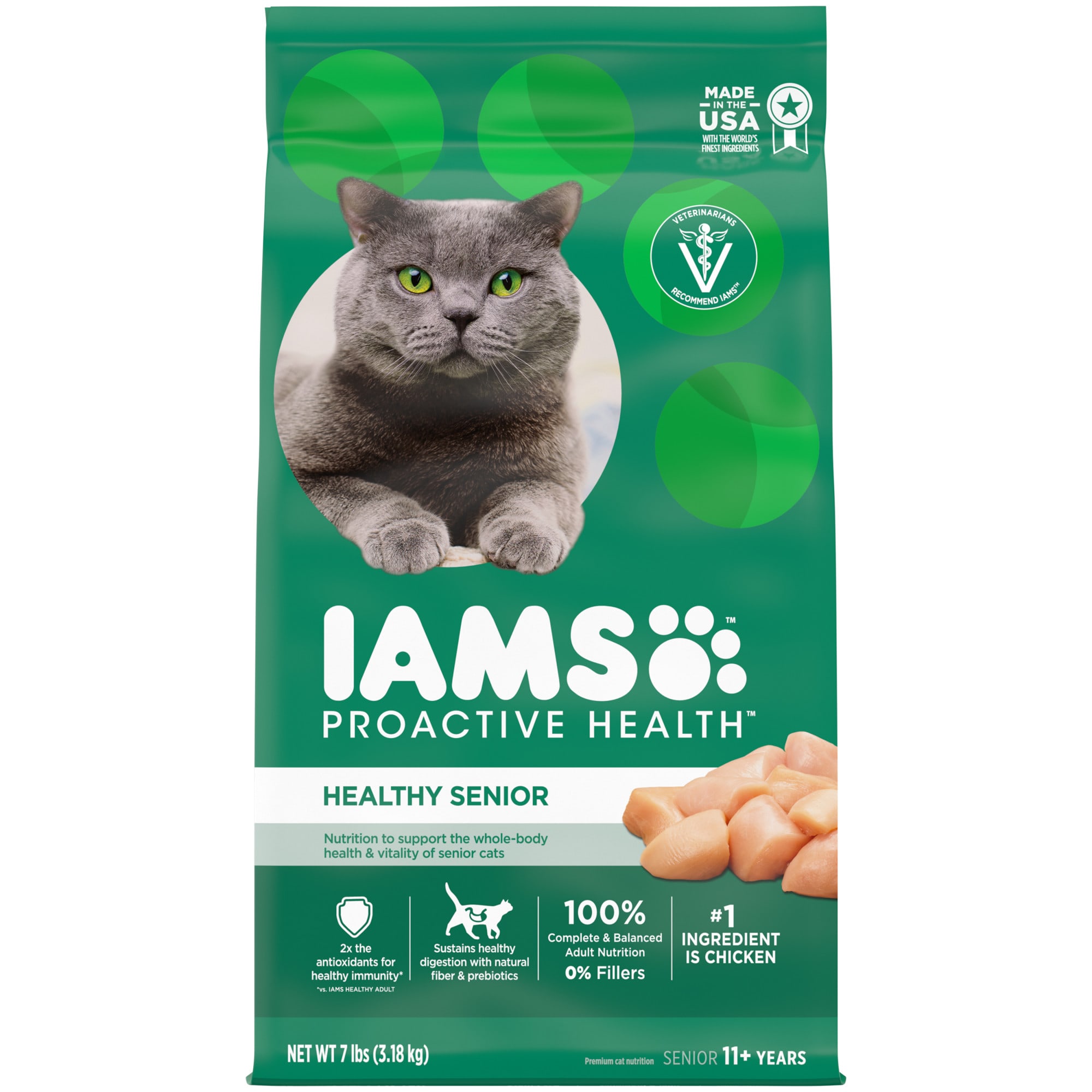
This formula combines soft kibble with added antioxidants and fiber, helping older cats maintain healthy digestion.
Hills Science Diet Adult 7+ Senior Vitality
Known for its soft dry technology, it delivers all the benefits of a dry diet while being gentle on teeth.
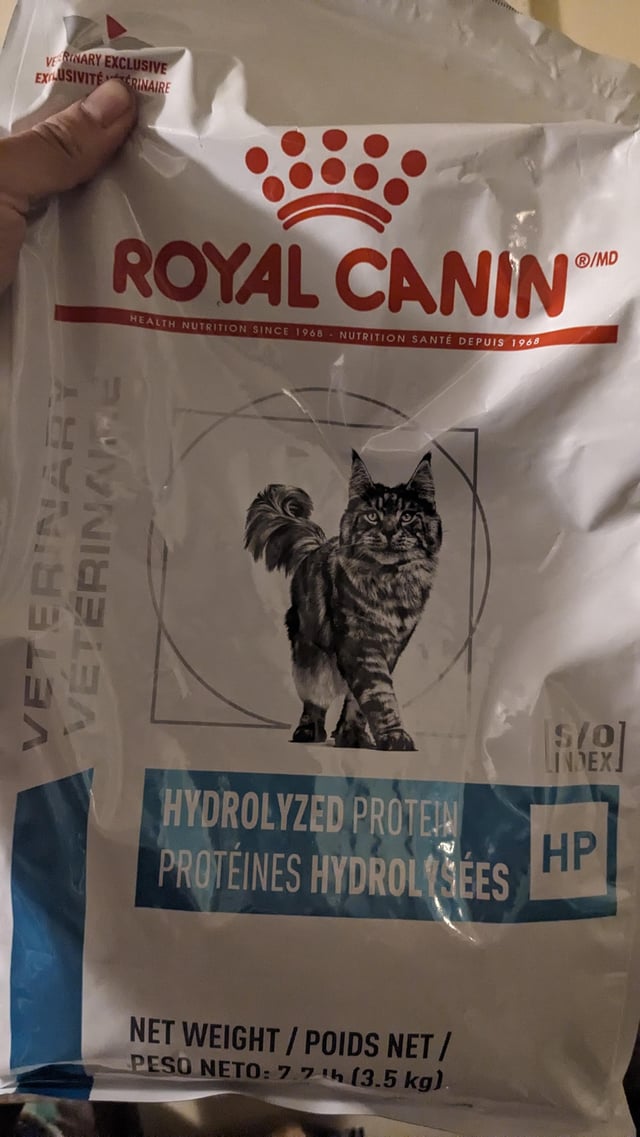
Royal Canin Aging 12+ OralCare
Specially designed with a unique texture that cleans teeth as your cat chews, reducing plaque buildup.
Choosing best soft
Key factors to evaluate
Texture softness
Give a kibble a gentle squeezeif it crumbles easily in your hand, its likely to be gentle on your cats gums.
Ingredient quality
Look for real chicken or real fish as the first ingredient. Avoid excessive fillers like corn gluten or soy protein, which add little nutritional value.
Health boosters
Ingredients such as glucosamine, chondroitin, taurine, and omega3s (EPA/DHA) are especially important for aging felines.
Price vs. value
Consider cost per serving, but remember that a higherquality diet can reduce vet bills down the road. The best dry food for cats with no teeth often balances affordability with seniorcat nutrition.
Comparison table (soft dry vs. regular dry vs. wet)
| Feature | Soft Dry | Regular Dry | Wet |
|---|---|---|---|
| Moisture % | 3040 | 1012 | 7080 |
| Protein % (DM) | 3035 | 2832 | 810 |
| Joint Support | Glucosamine added | Rare | Sometimes |
| Dental Benefits | Gentle cleaning | Hard crunch | None |
| Vet Rating | High | Medium | Varies |
Benefits and risks
Can soft food cause weight gain?
Calorie density vs. portion control
Soft kibble can be more caloriedense than a typical dry kibble because it often contains added fat for palatability. Measure portions using the feeding guide, but also watch your cats weight weekly. Adjust servings by 1015% if you notice extra pounds.
Does soft food increase dental plaque?
Oralcare kibble role
Some soft kibble formulas are designed to gently scrub teeth as they crumble, similar to the way regular kibble helps. However, theyre not a replacement for regular veterinary dental cleanings. Schedule a dental checkup at least once a year.
Allergy & sensitivity considerations
Spotting and switching
If you see itchiness, vomiting, or diarrhea after a new diet, try an elimination diet with a limitedingredient soft food. Brands offering limitedingredient versions often list the protein source right up front (e.g., singlesource turkey).
Owner experiences
Case study: Mittens missing molars
Before/after appetite & weight trends
Mittens, a 13yearold domestic shorthair, stopped eating her usual dry kibble after losing two molars. After switching to a soft dry kibble (the soft dry food for cats with bad teeth option), her daily intake rose from 40g to 70g, and she regained 0.5kg in six weeks.
Case study: Oscar frequent vomiting
What worked and why
Oscar, an older tuxedo cat, was constantly vomiting after meals. The vet suggested a lowfat, highly digestible soft dry formula. After the switch, vomiting episodes dropped from three times a week to once a montha dramatic improvement that mirrored findings in the best cat food for older cats that vomit studies.
Tips from seniorcat caregivers
- Warm the kibble slightly (20C) to release aroma.
- Mix a splash of water or lowsodium broth to make it even softer.
- Serve smaller, frequent meals to keep energy levels steady.
- Keep a feeding diary note appetite, stool quality, and mood.
Transition plan
Stepbystep transition plan
Week1: 25% soft, 75% current food
Mix a quarter of the new soft kibble into the regular diet. Observe your cat for any signs of stomach upset.
Week2: 50/50 mix
Increase the soft kibble to half. If digestion stays normal, keep this ratio for a few days.
Week34: 75% soft, then 100%
Gradually move to mostly soft kibble, then fully transition. A gentle shift helps prevent nausea and encourages the cats palate to adjust.
Monitoring health during the switch
Weight, hydration, stool quality, activity level
Track your cats weight weekly. Healthy seniors should maintain a stable weight (or gain a little if they were underweight). Look for soft, formed stools and ensure the cat is drinking enough watersoft food can aid hydration but still monitor water bowls.
Conclusion
Choosing the right soft cat food for senior cats is more than a shopping decisionits a caring act that respects your feline friends changing body and spirit. By understanding the dental and digestive shifts of aging, exploring soft dry kibble and wetstyle options, and following a gentle transition plan, you can give your senior cat the comfort and nutrition they deserve. Remember, a happy belly leads to a happy heart, and your cat will thank you with purrs, gentle headbutts, and those priceless moments of contentment.
What soft food has helped your senior cat feel better? Share your story in the comments below, or reach out if you have any questionslets keep the conversation going!
FAQs
What makes soft cat food better for senior cats?
Soft cat food requires less chewing, eases dental discomfort, provides higher moisture, and often includes joint‑support nutrients that suit aging felines.
Can I mix soft dry kibble with my cat’s regular dry food?
Yes. Gradually blend the two over a 1–2 week period (starting with 25% soft kibble) to avoid digestive upset.
How do I know if a soft food has adequate protein for my senior cat?
Look for a protein content of at least 30% on a dry‑matter basis and ensure the first ingredient is a high‑quality animal protein like chicken or fish.
Will soft food help my senior cat maintain a healthy weight?
Soft kibble can be slightly higher in calories, so measure portions carefully and monitor your cat’s weight weekly, adjusting servings as needed.
Do soft foods help reduce dental plaque?
Some soft kibble formulas are designed to gently scrub teeth while crumbling, but they should complement regular veterinary dental cleanings.