Finding the right dog food can feel overwhelming. With so many options, choosing the perfect Purina dog food for your furry friend might seem like a task only a vet can handle. Luckily, youre in the right place. Well guide you through Purinas popular lines, helping you pick a formula that supports your dogs health and happiness.
Whether your dog prefers dry kibble or wet food, is a growing puppy or a senior, this guide breaks down the benefits, pricing, and where to find the best deals. Lets get your poochs tail wagging with nutritious Purina food that fits your life and budget.
Purina Dog Food Overview
What Are the Main Purina Brands?
Purina offers several dog food brands tailored to different life stages and needs:
- Purina Pro Plan: Premium nutrition for active adult and senior dogs.
- Purina ONE: Balanced nutrition with real meat and antioxidants.
- Beneful: Appealing recipes perfect for puppies and young adults, often featuring real meats and veggies.
- Dog Chow: Budget-friendly formulas designed for maintenance and general health.
- Purina Puppy: Specialized puppy formulas rich in DHA and calcium to support growth.
Dry vs. Wet Food
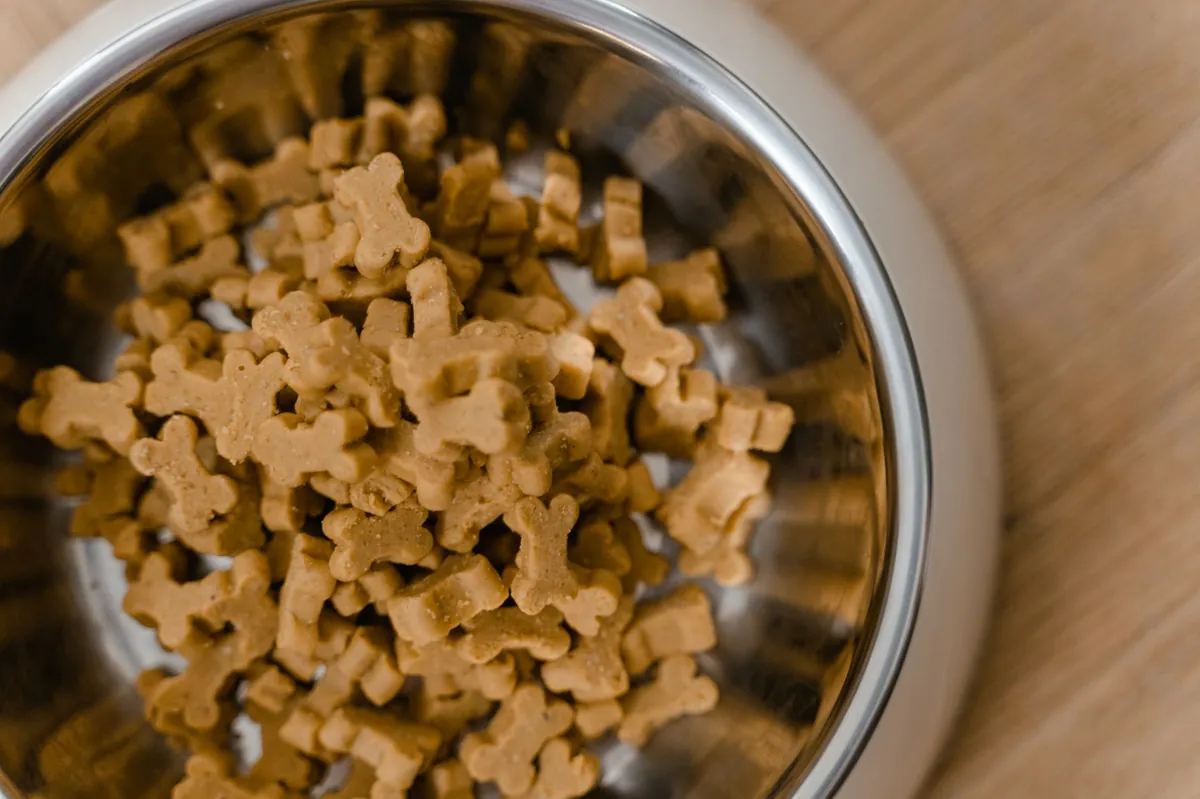
Deciding between dry and wet dog food depends on your dogs preferences and health needs. Dry food is convenient, cost-effective, and supports dental health by reducing tartar buildup. Wet food, on the other hand, tends to be more palatable and adds hydration, which is good for finicky eaters or dogs with urinary tract issues.
| Type | Protein % (Average) | Calorie Density | Life-Stage Suitability |
|---|---|---|---|
| Dry Food | 2230% | Approx. 350400 kcal/cup | All stages, breeds |
| Wet Food | 812% | Approx. 100150 kcal/can | Senior, finicky, special needs |
Puppies and active dogs often benefit most from higher-protein dry foods. Seniors sometimes prefer wet food due to dental sensitivity.
Choosing the Right Purina Food
What Factors Affect Your Choice?
Consider your dogs age, size, activity level, and any health issues. Puppies, for instance, need higher proteins and specific nutrients for growth. Large breeds might require joint-supporting ingredients like glucosamine. Less active or senior dogs may benefit from calorie-controlled formulas to maintain healthy weight.
Does My Dog Have Allergies?
Identifying food allergies is critical. Common triggers include chicken, beef, dairy, grains, and certain additives. Signs include itchy skin, digestive upset, or ear infections. Purina offers limited-ingredient options to help avoid allergens.
Example: Mollys Story
Molly, a 4-year-old Labrador, struggled with itchy skin and chronic ear infections. Switching from Purina Beneful to Pro Plan Sensitive Skin & Stomach formulafree of common allergensimproved her coat and energy within 6 weeks.
How to Read Dog Food Labels
Purina dog food labels provide clues about ingredient quality and safety. Look for:
- Named Protein Sources First: Ingredients like chicken, salmon, or beef should appear at the top of the list.
- Guaranteed Analysis: Shows minimum protein, fat, and maximum fiber and moisture percentages.
- AAFCO Statement: Confirms the food meets nutritional standards for a particular life stage.
- Marketing Claims: Phrases like made with real meat might be followed by small percentagescheck the entire ingredient list.
- Avoid Fillers or Harmful Additives: Watch out for excessive corn, wheat gluten, by-products, and additives like xylitol or onion powder, which can be harmful.
Veterinary nutritionists recommend choosing foods with high-quality named proteins and minimal unnecessary fillers for optimal health.
Popular Purina Lines at a Glance
| Suitable For | Key Ingredients | Price Range | Feeding Amount | Ingredients to Avoid |
|---|---|---|---|---|
| Active adult & senior dogs | Chicken, salmon, rice | $45$80 (24 lb bag) | 34 cups daily for average adult | By-products, excessive corn |
| All life stages | Real meat, antioxidants | $30$55 (24 lb bag) | 2.53.5 cups per day | Artificial colors, fillers |
| Puppies & young adults | Chicken, peas, brown rice | $25$45 (40 lb bag) | 4 small meals, 1.52 cups | Excessive grains, chemicals |
| Budget-conscious adult dogs | Corn, wheat, poultry meal | $15$30 (30 lb bag) | 34 cups daily | Unnamed meat meals, by-products |
| Puppies (812 weeks) | Chicken, DHA, calcium | $20$38 (24 lb bag) | 4 meals/day consistent | Fillers, synthetic additives |
| Senior / finicky eaters | Real meat broth, veggies | $1$2 per 13 oz can | 12 cans/day mixed with dry food | Sodium excess, artificial flavors |
Explore dog food options here to compare specifics across brands and formulas.

Purina Pro Plan
Pro Plan blends high-quality proteins with probiotics and antioxidants. Its designed for dogs with active lifestyles or those requiring targeted nutrition, like sensitive skin or digestion formulas. Its premium price reflects the advanced nutrition, often recommended by vets.
Purina ONE
The SmartBlend technology supports immune health and strong muscles using real meat first. It suits all life stages and offers a good balance between quality and price. Ingredients are simpler compared to Pro Plan but well-rounded.
Purina Beneful
Benefuls colorful recipes include vegetables and grains to appeal to picky eaters. While tasty, some owners raise concerns over higher grain and filler content. Its generally good for puppies and young adults without specific health concerns.
Purina Dog Chow
A budget-friendly option, Dog Chow relies on poultry meal and grains. It meets basic nutrient standards but lacks some higher-quality ingredients found in premium lines. Useful for owners prioritizing affordability.
Purina Wet Food
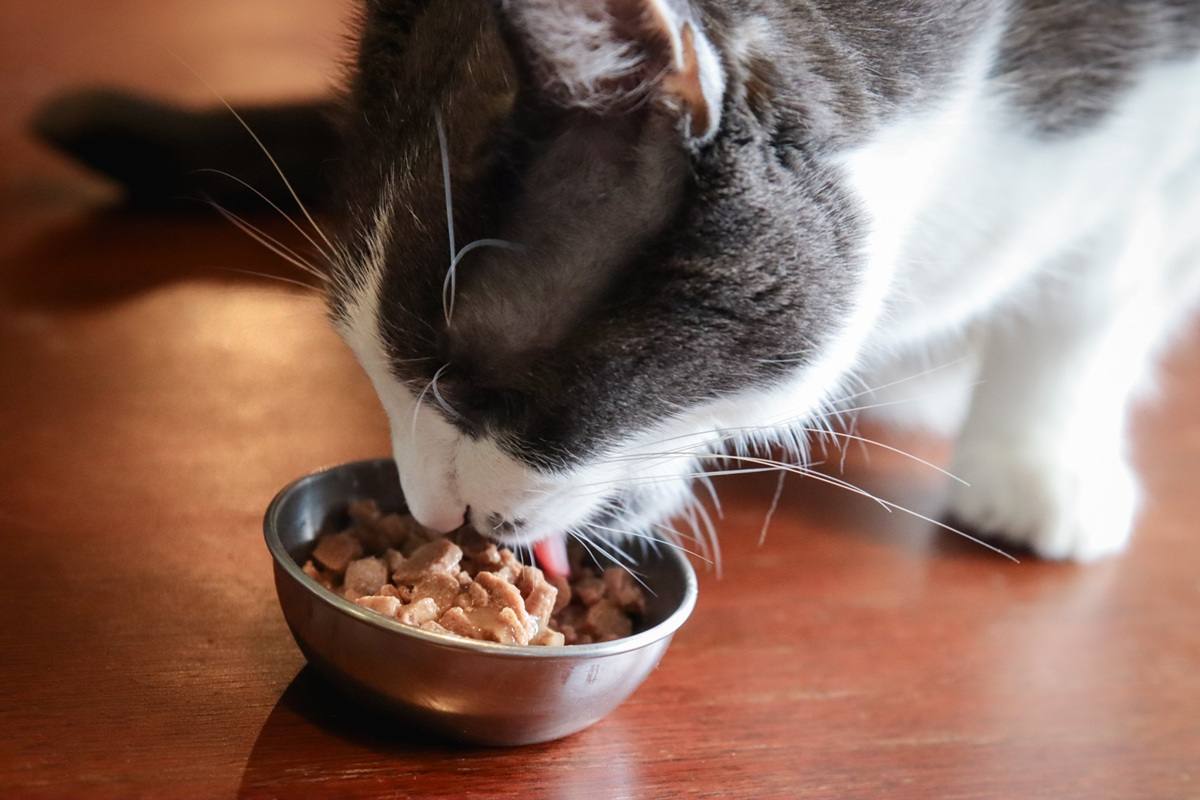
Wet options hydrate and excite pets with richer aromas. Theyre excellent for seniors or dogs that resist dry food. Because cost can add up quickly, consider mixing wet with dry kibble to maximize benefits and savings.

Where to Find Purina Dog Food
Online vs. In-Store Buying
Convenience and price vary greatly. Walmart and Target offer competitive prices and frequent promotions. Buying from Purinas official website gives access to veterinary-grade products and subscription discounts. Prices typically range from $15 to $80 based on brand and bag size.
Subscription Benefits
Purina Pro Plan Vet Direct offers auto-ship programs with 510% savings. Setting up is simple, often letting you adjust quantities, frequency, and delivery at any time. This ensures your pups food never runs out.
Subscription Setup Steps
- Visit Purinas website and select your preferred product.
- Choose Subscribe & Save option.
- Set delivery intervals (usually every 30, 60, or 90 days).
- Complete checkout with payment and shipping details.
- Manage your subscription anytime via your account.
Using the Purina Pet Food Finder tool can refine your selection by dog weight, breed, and health concerns, ensuring personalized nutrition.
Benefits and Possible Concerns
Nutritional Strengths
Purina formulas often feature high-quality proteins, balanced fats, DHA for brain and eye development, and antioxidants to support immune health. Most formulations meet or exceed AAFCO standards for all life stages.
Potential Drawbacks
Some lines include higher amounts of grains or fillers, which might not suit dogs with sensitivities. Purina has had occasional recalls; always check batch information and manufacturing dates. Staying informed helps keep your pet safe.
Recall Example
In a recent voluntary recall, select batches of Purina Beneful were pulled due to potential salmonella contamination. Owners were advised to check lot numbers and contact customer service for replacements. Such transparency helps maintain trust.
Watching Your Dogs Response
Observe weight, coat condition, energy levels, and stool quality. Consistent soft stools can indicate formula intolerance, while a shiny coat and alert attitude signal good nutrition. Consult your vet if changes arise after switching food.

Is Dog Food Purina Safe for My Dog?
Yes, Purina dog food is safe for most dogs when fed according to label directions. It meets AAFCO nutrient profiles and undergoes rigorous quality checks. Always introduce new food gradually over 710 days to avoid digestive upset, and consult your vet for dogs with special health needs.
Can I Feed Puppy Purina ONE to Adult Dogs?
While puppy formulas are nutrient-dense for growth, adult dogs may receive excessive calories and nutrients not needed at their stage. Choose adult-specific Purina ONE formulas for balanced nutrition that fits their lifestyle.
Whats the Difference Between Beneful and Dog Chow?
Beneful focuses on palatability with real meat and vegetable ingredients, targeting young or playful dogs. Dog Chow is a more economical option, using poultry meal and grains, aimed at basic adult maintenance.
Where Can I Find Wet Food for Senior Dogs?
Purina wet food for seniors is available online at official retailers, large pet stores, and some supermarkets. Mixing wet with dry food benefits hydration and taste for older pets.
How Much Should I Feed My Dog Daily?
Feeding amounts depend on your dogs weight, age, and activity. Generally, feed 23% of body weight daily in dry food. For example, a 20-pound dog needs roughly 0.40.6 pounds (approx. 3 to 4 cups) daily, split into two meals. Check packaging feeding guides and adjust as needed.
What Ingredients Should I Avoid in Dog Food?
Avoid foods listing ambiguous meat by-products, artificial colors like Blue 2, preservatives such as BHA and BHT, and any sweeteners like xylitol, which is toxic to dogs. Also, avoid dog foods with onion or garlic powder, both harmful to pets.
Does Purina Offer Special Formulas for Allergic Dogs?
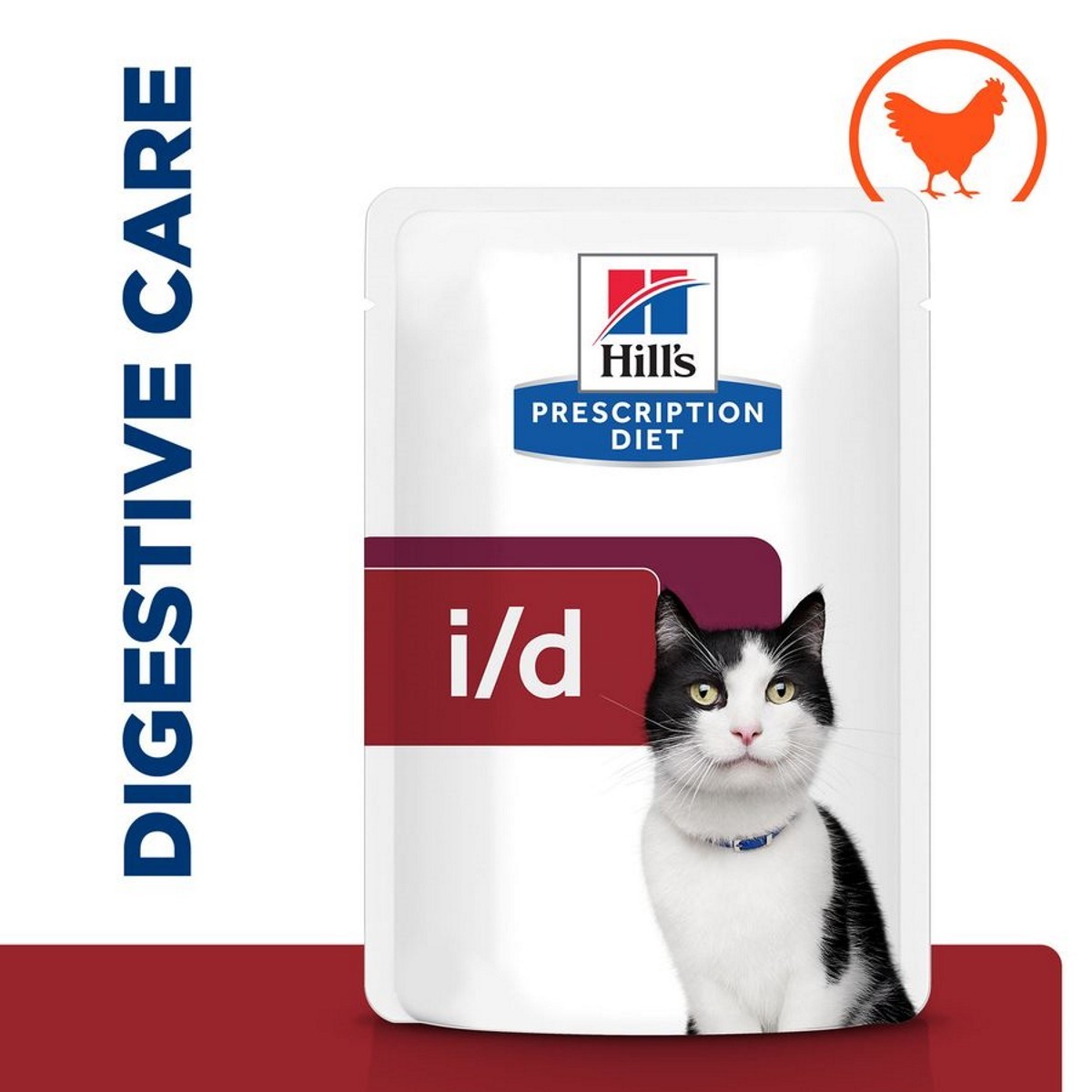
Yes, Purina Pro Plan Veterinary Diets include limited-ingredient and hypoallergenic options designed to manage food sensitivities evaluated by veterinary nutritionists.
Pro Tips for Buying Dog Food Purina
- Avoid buying the largest bag unless you are sure your dog tolerates the formula, as freshness impacts nutrient value.
- Cheaper formulas often use lower-quality ingredients that may lead to allergies or poor digestion.
- Consult your vet before transitioning your dogs diet or introducing supplements to tailor nutrition to your pets needs.
More You Might Like
Discover other helpful resources like understanding your dogs dietary needs in our dog food guide. Curious about your feline friends habits? Check out Why is my cat not eating and sleeping a lot. Or learn about dog breeds sizes with our detailed overview of Border collie size.
Conclusion
Choosing the right dog food Purina product depends on your dogs age, lifestyle, and health. Use the tables to compare formulas, start with small trial bags, and monitor your dogs coat, weight, and energy. Next time you shop, check the label carefully and see the difference good nutrition can make. Feel free to share your Purina feeding experiences or questions in the comments below.
FAQs
Is Dog food purina safe for my dog or cat?
Yes, Dog food Purina is generally safe when fed according to label directions. It meets AAFCO standards and undergoes quality checks. Always introduce new food gradually over 7–10 days and consult your vet for pets with special health needs.
How much Dog food Purina should I feed my dog daily?
Feeding amounts depend on your dog’s weight, age, and activity. Generally, feed about 2–3% of body weight in dry food daily, split into two meals. Consult the packaging’s feeding guide and adjust based on your dog’s condition and vet advice.
What signs indicate my dog is not tolerating Dog food Purina?
Watch for digestive upset like soft stools or diarrhea, itchy skin, dull coat, or changes in energy. If these signs appear after switching food, stop feeding that formula and consult your veterinarian.
What is the difference between Purina Beneful and Dog Chow?
Beneful focuses on palatable recipes with real meat and vegetables targeting puppies and young dogs. Dog Chow is a budget-friendly, basic maintenance formula using poultry meal and grains designed for adult dogs.
When should I consult a vet about my dog’s diet with Purina food?
If your dog shows persistent digestive issues, allergies, weight changes, or unusual behavior after feeding Purina food, contact your vet. Also seek advice before starting supplements or switching to new formulas for special health concerns.