Ever stared at a bag of kibble and wondered if theres a safer, tastier option for your growing puppy? Youre not alone. Below youll find straightforward, vetapproved recipes that give you total control over quality, nutrition, and flavorno need to sift through endless forums or guess whats good enough.
These recipes are built on solid veterinary guidance, so you can feel confident youre feeding a balanced, complete diet. Lets dive right in and start cooking up meals your pup will adore.
Why Go Homemade
What are the benefits?
- Ingredient control: You decide exactly what goes in the bowlno mystery meat or hidden fillers.
- Tailored nutrition: Adjust protein, fat, and carbs to suit your puppys breed, size, and activity level.
- Allergy management: Swap out common allergens like wheat or soy for hypoallergenic alternatives.
- Improved palatability: Fresh, warm meals are often more enticing than dry kibble, encouraging healthy eating habits.
What are the risks?
Homemade meals can miss crucial nutrients if youre not careful. Thats why every recipe below includes the necessary supplements and is backed by veterinary nutritionists. Skipping supplementsor relying on guessworkcan lead to growth delays, bone issues, or skin problems. Always consult your vet before making a permanent switch.
For puppies with specific health concerns, you might also want to explore 25 vet approved homemade dog food recipes for specific health problems to target those needs directly.
Key Nutrition Basics
What nutrients do puppies need?
| Nutrient | Recommended Daily % of Calorie Intake |
|---|---|
| Protein | 2232% |
| Fat | 1025% |
| Calcium | 11.5% (by weight) |
| Phosphorus | 0.81.2% (by weight) |
| Omega3 (EPA/DHA) | 0.1% of diet |
| Vitamins A, D, E, K | According to AAFCO guidelines |
| Essential Amino Acids | All 20, especially lysine, methionine |
These percentages reflect the needs of growing puppies (up to 12 months). Adjustments may be needed for giant breeds or working dogs.
How to ensure a complete diet?
Even with perfect ingredients, homemade meals can fall short on micronutrients. Thats where vetted supplements come in. A simple, vetrecommended blend of calcium carbonate, vitaminmineral premix, and fish oil will close any gaps.
If you prefer a ready-made guide, download our Nutritionally complete homemade dog food recipes pdf. It outlines exact supplement measurements for each recipe, ensuring your puppy gets everything they need.
Essential Ingredients List
Proteins you can trust
Lean animal proteins provide the building blocks for muscle, organ, and immune development.
- Chicken breast (cooked, skinless)
- Turkey mince
- Lean beef (ground or cubed)
- Eggs (whole, scrambled)
- Whitefish such as cod or haddock
Always cook meats to an internal temperature of 165F (74C) to eliminate harmful bacteria.
Carbohydrates & fibers
Complex carbs give steady energy, while fiber keeps digestion smooth.
- Brown rice
- Sweet potato (peeled, cubed)
- Oats (rolled or quickcook)
- Pumpkin puree (unsweetened)
- Peas
Fats & oils
Healthy fats support brain growth and coat shine.
- Fish oil (e.g., salmon oil) 1tsp per 5lb of food
- Olive oil a drizzle per batch
- Flaxseed oil optional for extra omega3
Vitamins & minerals
Key sources include:
- Calcium carbonate (or ground eggshells)
- Kelp powder (iodine source)
- Vitaminmineral premix (commercially available for dogs)
- Fresh leafy greens (spinach, kale) finely chopped
Measure supplements preciselyoversupplementation can be just as harmful as deficiency.
Sample Vet Approved Recipes
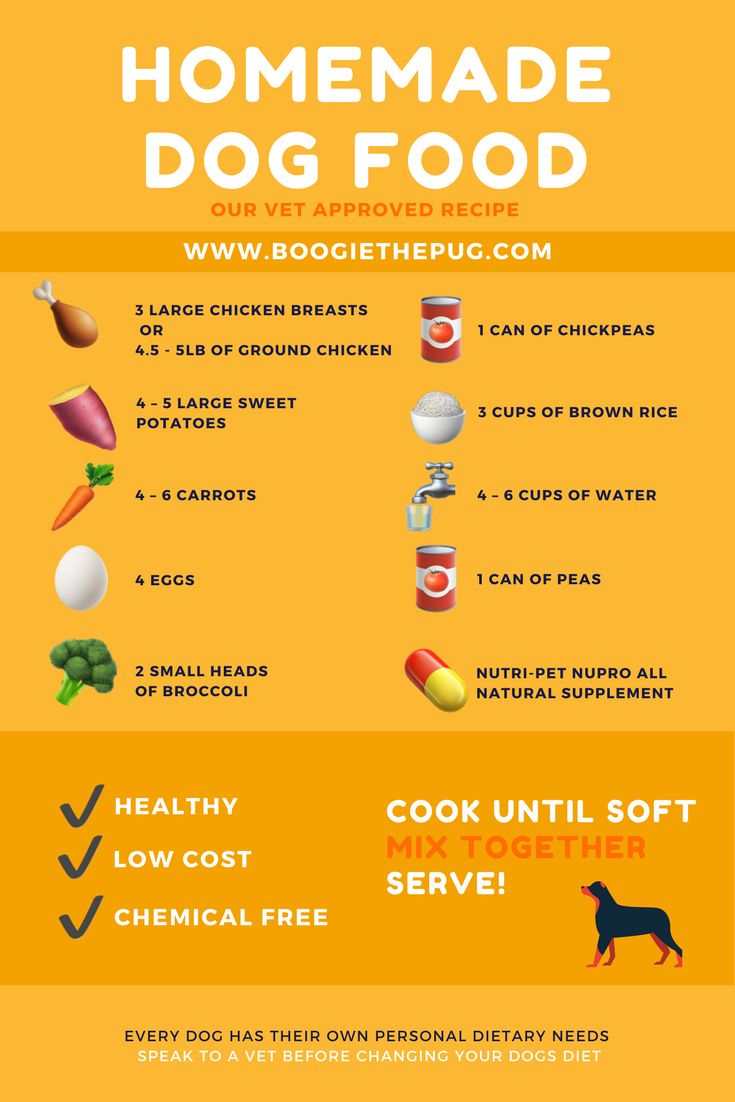
Recipe 1: Chicken & Sweet Potato Delight
Ingredients (makes ~5lb of food):
- 2lb boneless, skinless chicken breast, diced
- 2lb sweet potato, cubed
- 1lb brown rice
- 2tbsp fish oil
- 1tsp calcium carbonate
- tsp vitaminmineral premix (per AAFCO)
- tsp ground kelp
Directions:
- Cook the rice according to package instructions; set aside.
- Steam sweet potatoes until tender (15min).
- In a large skillet, saut chicken over medium heat until no longer pink.
- Combine chicken, rice, and sweet potatoes in a large pot.
- Stir in fish oil, calcium carbonate, kelp, and vitaminmineral premix.
- Cool to room temperature, portion into daily servings, and refrigerate or freeze.
Why it works: Chicken offers highquality protein, sweet potato supplies betacarotene and fiber, while the rice provides digestible carbs. The added supplements make the meal nutritionally complete for puppies up to 6months.
Recipe 2: Beef & Rice Power Bowl
Ingredients (4lb total):
- 1.5lb lean ground beef (95% lean)
- 1lb brown rice
- 1lb carrots, finely grated
- lb peas
- 2tbsp olive oil
- 1tsp calcium carbonate
- tsp vitaminmineral premix
- tsp fish oil
Directions:
- Cook rice and set aside.
- Brown the ground beef in a pot; drain excess fat.
- Add carrots and peas, cooking until softened.
- Mix in cooked rice, olive oil, fish oil, calcium carbonate, and premix.
- Allow to cool, then portion for daily meals.
Why it works: Beef supplies iron and zinc, essential for immune health. Carrots and peas add antioxidants and fiber, while olive oil contributes monounsaturated fats for brain development.
Recipe 3: Fish & Veggie Mix for Sensitive Stomachs
Ingredients (3lb total):
- 1lb white fish (cod or haddock), boneless
- 1lb pumpkin puree (unsweetened)
- lb quinoa
- lb green beans, chopped
- 1tbsp fish oil
- tsp calcium carbonate
- tsp vitaminmineral premix
Directions:
- Rinse quinoa and simmer in water until fluffy (15min).
- Steam fish until flaky; break into bitesize pieces.
- Warm pumpkin puree and mix with cooked quinoa, fish, and green beans.
- Add fish oil, calcium carbonate, and premix; stir well.
- Cool, then serve in appropriate portions.
Why it works: Fish is a lowallergen protein rich in omega3s, perfect for puppies prone to skin irritations. Pumpkin soothes the gut, while quinoa provides a glutenfree carbohydrate source.
Recipe 4: Egg & Oat Breakfast Mash (Great for Tiny Pups)
Ingredients (2lb total):
- 4 large eggs, scrambled
- 1cup rolled oats
- cup cottage cheese (lowfat)
- 1tbsp olive oil
- tsp calcium carbonate
- tsp vitaminmineral premix
Directions:
- Cook oats in water until soft; set aside.
- Scramble eggs in a nonstick pan; no oil needed.
- Combine oats, eggs, cottage cheese, and olive oil.
- Stir in calcium carbonate and premix.
- Cool and serve warm or at room temperature.
Why it works: Eggs deliver a complete protein profile, while oats give gentle carbs for steady energy. Cottage cheese adds calcium and probiotics, supporting bone growth and gut health.
Balancing Benefits & Risks
How to monitor your puppys health?
Track weight, coat condition, and stool consistency weekly. A bright, glossy coat and steady weight gain indicate youre on the right track. If you notice lethargy, diarrhea, or skin issues, pause the new diet and consult your veterinarian.
Keep a food diary: note the recipe, portion size, and any observed changes. This documentation helps your vet finetune the diet.
When to seek professional guidance?
Anytime you plan to feed homemade meals longterm, especially for giantbreed puppies or those with existing health concerns. A veterinary nutritionist can run blood work to confirm that levels of calcium, phosphorus, and vitamins are within safe ranges.
Our Best homemade dog food recipes page also offers a quick reference chart for common supplement dosages, making the process less intimidating.
Conclusion
Switching to vetapproved homemade puppy food isnt just a trend; its a chance to give your furbaby the freshest, most nutritionally balanced meals possible. By choosing quality proteins, wholesome carbs, essential fats, and the right supplements, youll see healthier skin, stronger bones, and a happier wag.
Ready to get cooking? Grab one of the recipes above, follow the supplement guidelines, and watch your pup thrive. Got questions or a favorite recipe to share? Drop a comment belowlets keep the conversation going and help each other raise the healthiest, happiest pups!
FAQs
How often should I feed my puppy homemade meals?
Most puppies 8‑12 weeks old need three to four small meals a day. As they grow, transition to two to three meals daily, adjusting portion size based on weight and activity level.
Do I need to add supplements to homemade puppy food?
Yes. Even perfect ingredients lack essential vitamins and minerals. Include a vet‑recommended calcium source, a balanced vitamin‑mineral premix, and fish oil (or another omega‑3 supplement) for a complete diet.
Can I store homemade puppy food for later?
Cooked batches can be refrigerated for up to 3 days or frozen in portion‑size containers for up to 3 months. Thaw in the refrigerator and warm to room temperature before serving.
What are the signs my puppy is thriving on a homemade diet?
Look for steady weight gain, a shiny coat, clear eyes, energetic play, and firm, well‑formed stools. Any lethargy, diarrhea, or skin issues should prompt a vet check.
Is it safe to transition my puppy from kibble to homemade food gradually?
Yes. Mix a small amount of the new homemade food with the current kibble, increasing the homemade portion over 7‑10 days. This helps prevent digestive upset.