


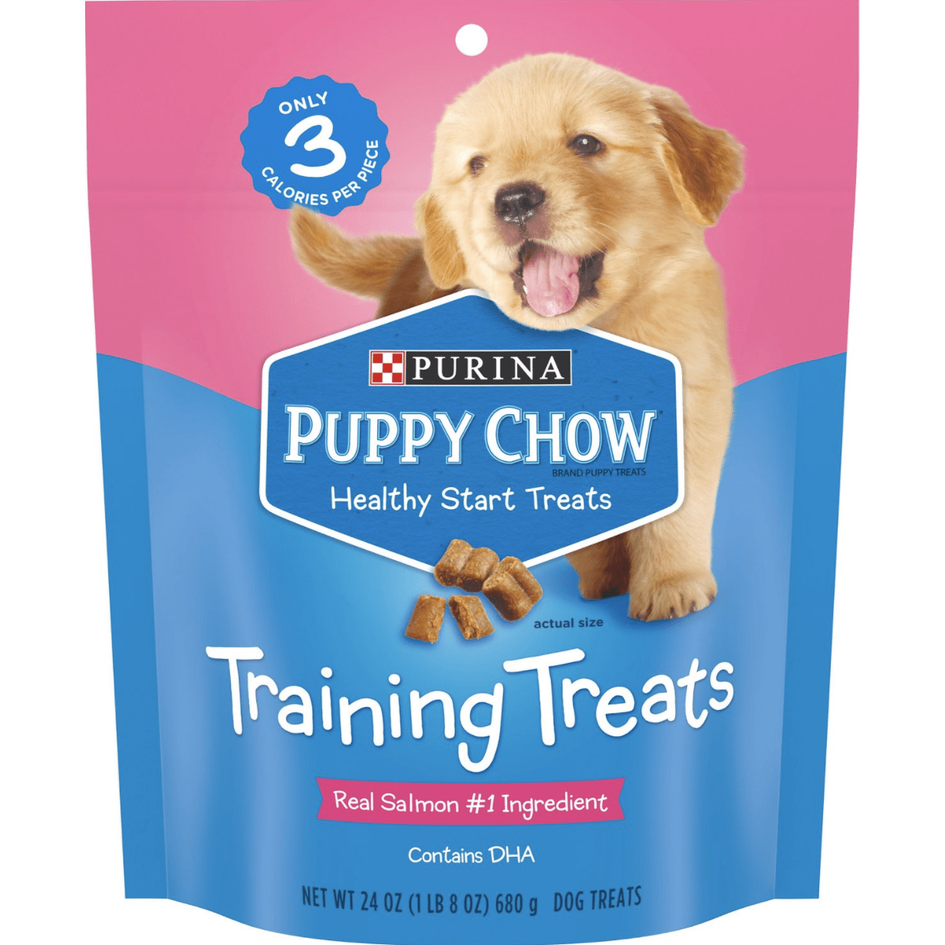
Did you know that the little bites you give your puppy during training can shape his health for years to come? The right treat isnt just a tasty incentiveits a mininutrient pack that fuels growth, sharpens focus, and keeps those puppy eyes bright.
In this guide well cut through the fluff and show you exactly which treats are truly healthy, how to pick the perfect ones for every stage of puppyhood, and even share a couple of foolproof homemade recipes. Ready to turn snack time into a winwin for training and wellbeing? Lets dive in.
Why Choose Healthy Treats?
What makes a treat healthy for a puppy?
Key ingredients to look for
- Lean protein sources (chicken, turkey, fish)
- Limited, recognizable carbs (sweet potato, brown rice)
- Healthy fats (fish oil, flaxseed)
- No artificial colors, flavors, or excessive preservatives
Benefits of nutritious treats
Healthy treats support muscle development, bone strength, and a glossy coateverything a growing puppy needs. They also keep blood sugar levels stable, which means fewer energy crashes during a training session.
How do unhealthy treats affect puppies?
Too much filler, sugar, or salt can lead to weight gain, digestive upset, and even longterm joint issues. A balanced approach helps you avoid turning a fun reward into a hidden hazard.
Best Natural Puppy Treats
Top storebought options you can trust
When youre short on time, a highquality commercial treat can be a lifesaver. Look for products that list a single animal protein first and have a recognizable ingredient list. Some fanfavorites include:
- Zukes Mini Naturals tiny, lowcalorie bites perfect for rapid repetitions.
- Blue Buffalo Wilderness Trail Treats grainfree with real meat.
- Wellness Soft Puppy Bites soft texture for teething pups.
For a deeper dive into the very best selections, check out our curated list of best dog treats for training. Its packed with ratings, ingredient breakdowns, and budget tips.
Are highvalue treats worth the splurge?
Highvalue treats are those your puppy finds irresistiblethink small pieces of cooked chicken or freezedried liver. Theyre especially useful for teaching tricky commands or for distractions in busy environments. If you want to explore premium choices, see our guide on High value dog treats for training.
Homemade Healthy Treat Recipes
Simple chicken & sweet potato bites
Nothing says I care like a treat you made yourself. This recipe is quick, inexpensive, and packed with protein and complex carbs.
- Preheat your oven to 350F (175C).
- Boil one medium sweet potato until soft, then mash.
- Combine 1 cup of finely diced cooked chicken breast with the mashed sweet potato, add a tablespoon of oat flour for binding.
- Roll the mixture into inch balls and place on a parchmentlined tray.
- Bake for 1520 minutes, let cool, then store in an airtight container for up to a week.
If you love experimenting, our full collection of DIY treats is waiting at Healthy training treats for dogs homemade. Feel free to swap chicken for turkey or add a dash of parsley for fresh breath.
Peanutbutter & banana bites (noxylitol)
Only use natural, unsalted peanut butterno xylitol, which is toxic to dogs. Mash together one ripe banana, two tablespoons of peanut butter, and a quarter cup of wholegrain flour. Freeze in silicone molds for a cool summer snack.
Treats for Tiny Puppies Under 3 Months
Why size matters
Puppies younger than three months have tiny jaws and rapidly developing digestive systems. Treats must be small enough to prevent choking and gentle enough to avoid stomach upset.
Recommended options
Look for mini or training versions of your favorite brands. Many manufacturers label treats as puppysize these are typically under 2 grams per piece. For a curated list, see Training treats for puppies under 3 months. They highlight lowcalorie, grainfree choices ideal for early learners.
Balancing Benefits and Risks
How many treats is too many?
Even the healthiest treat adds calories. A good rule of thumb: treats should make up no more than 10% of your puppys daily caloric intake. For a typical 8weekold puppy (about 200250 calories per day), thats roughly 2025 calories worth of treatsmaybe 34 mini biscuits.
Spotting red flags
If your pup shows signs of gastrointestinal upset (vomiting, loose stools) after a new treat, pause and revert to a simpler ingredient list. Also watch for allergic reactions like itchy skin or ear infections; these can signal a protein intolerance.
Creating a balanced training diet
Combine highvalue treats with regular meals and fresh water. Use treats strategicallyreserve the most exciting ones for new, difficult commands, and rely on praise or play for wellknown tricks. This way, you keep motivation high without overfeeding.
Putting It All Together: A Sample Training Plan
| Week | Training Goal | Treat Type | Frequency |
|---|---|---|---|
| 12 | Name recognition & Sit | Mini soft bites (2cal each) | 57 treats per session |
| 34 | Stay & Come with mild distractions | Small chicken & sweet potato bites | 35 treats per session |
| 56 | Advanced recall in park | Highvalue freezedried liver pieces | 12 treats per successful run |
This schedule keeps calorie intake low while gradually increasing the value of the reward as the task gets harder. Adjust portions based on your puppys breed, activity level, and growth curve.
Final Thoughts
Choosing healthy training treats for puppies isnt a luxuryits a cornerstone of responsible pet parenting. By selecting treats with real, wholesome ingredients, balancing portion size, and timing highvalue rewards for the toughest challenges, you set your pup up for lifelong success.
What treat has worked wonders for your puppy? Share your story in the comments, and lets keep the conversation going. If youre still searching for the perfect storebought snack, remember to explore our vetted picks for best dog treats for training. Happy training, and enjoy those wagging tails!
FAQs
What ingredients should I look for in healthy training treats for puppies?
Choose treats that list a single high‑quality animal protein first (like chicken, turkey, or fish), include limited recognizable carbs such as sweet potato or brown rice, contain healthy fats (fish oil or flaxseed), and are free from artificial colors, flavors, and excessive preservatives.
How many training treats can I give my puppy each day?
Treats should make up no more than about 10 % of your puppy’s total daily calories. For an 8‑week‑old puppy (≈200–250 kcal per day) that’s roughly 20–25 kcal worth of treats, or about 30–40 mini bites, depending on the treat’s calorie content.
Are homemade treats better than store‑bought options?
Homemade treats let you control every ingredient and avoid unnecessary fillers, but they require time and proper storage. High‑quality commercial treats are convenient and often formulated for balanced nutrition. The best choice depends on your schedule, budget, and your pup’s specific needs.
What are high‑value treats and when should I use them?
High‑value treats are exceptionally tasty, low‑calorie bites such as small pieces of cooked chicken, freeze‑dried liver, or premium meat jerky. Use them for difficult commands, training in distracting environments, or to reinforce new behaviors quickly.
Can I give my puppy treats if they have a food allergy?
If your puppy is prone to allergies, stick to novel‑protein treats (like duck or venison) and avoid common allergens such as beef, dairy, or wheat. Always introduce a new treat gradually and consult your veterinarian if you notice itching, ear infections, or digestive upset.


