If youre scrolling through endless petfood aisles wondering which kibble will actually soothe your cats upset tummy, youre not alone. The short answer? Look for a novelprotein or hydrolyzedprotein dry food thats low in fiber and free of artificial fillers. Those formulas tend to be the gentlest on an inflamed gut and give you a solid starting point for a calmer, happier cat.
Below youll find the most trusted dry foods for feline IBD, how to read labels like a pro, a few simple homemade ideas, and tips for those tougher cases where IBD overlaps with kidney disease or reaches an endstage. Grab a cup of tea, settle in, and lets make feeding your cat a little less stressful.
Understanding IBD
What is feline IBD?
Inflammatory Bowel Disease (IBD) in cats is a chronic inflammation of the gastrointestinal tract. It can be triggered by allergies, parasites, or an overactive immune response to certain food proteins. Typical signs include vomiting, diarrhea, weight loss, and a noticeable loss of appetite. Because the gut is so closely tied to nutrition, what you feed your cat can either calm the flareups or make them worse.
How diet influences flareups
Think of your cats digestive system as a delicate garden. If you plant the wrong seedslike lowquality animal byproducts or excess fiberthe weeds (inflammation) quickly take over. Highquality protein sources (especially novel or hydrolyzed) are easier for the gut to digest and less likely to trigger an immune reaction. Moisture also plays a role; dry kibble alone can be dehydrating, so pairing it with wet food or waterrich ingredients helps keep the gastrointestinal lining supple.
When to seek veterinary guidance
Any sudden change in weight, persistent vomiting, or blood in the stool warrants a vet visit. Your veterinarian can run blood work, ultrasound, and possibly a biopsy to confirm IBD and rule out other conditions. Once a diagnosis is clear, a vetapproved diet plan becomes a cornerstone of treatment.
Core Criteria
Novel or hydrolyzed protein
Choosing a protein your cat has never eatenor one thats been broken down (hydrolyzed) into tiny peptidesreduces the chance that the immune system will recognize it as a threat. Common novel sources include rabbit, duck, venison, and turkey. Hydrolyzed chicken is a popular veterinary formula that is almost universally tolerated.
Lowfiber, highly digestible formula
While fiber is essential for some cats, too much can ferment in the gut and produce gas, worsening discomfort. Look for a kibble with a nitrogenfree extract (NFE) range of 4555% and avoid products that list whole grain or byproduct as the first ingredient.
No artificial additives / minimal fillers
Preservatives like BHA, BHT, and ethoxyquin, as well as artificial colors and flavors, can irritate an already sensitive gut. Opt for foods that use natural preservatives (mixed tocopherols, rosemary extract) and have a short, clean ingredient list.
Moisture balance & feeding strategy
Dry food is convenient, but cats evolved to get most of their water from prey. Mixing kibble with a little water, broth (no onion/garlic), or a quality wet food can boost hydration and aid digestion. The Wet vs dry cat food comparison article breaks down why a balanced approach often works best for IBD cats.
Top Commercial
| Rank | Brand & Product | Protein Source | Key Benefits | VetApproved? |
|---|---|---|---|---|
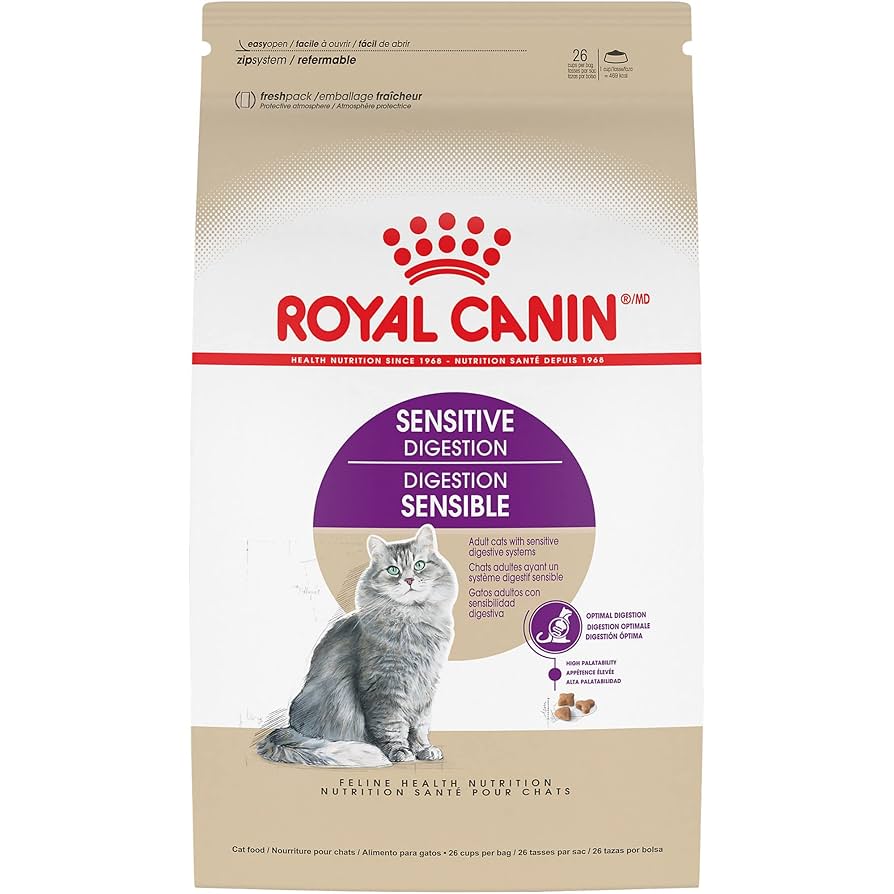
| 1 | Royal Canin Digestive Care Dry | Hydrolyzed chicken | Highly digestible, fiberbalanced | |
| 2 | Purina Pro Plan Sensitive Skin & Stomach | Salmon (novel) | Grainfree, limitedingredient | |
| 3 | Instinct Limited Ingredient Dry Rabbit | Rabbit | Novel protein, no grain | |
| 4 | Wellness CORE Grain-Free Dry Turkey | Turkey | High protein, low carb | |
| 5 | Blue Buffalo Basics Limited Ingredient Duck | Duck | Simple recipe, added omega3s |
Why these make the list
All five brands meet the core criteria we just discussed. Royal Canins hydrolyzed formula is backed by clinical trials showing reduced inflammation scores in IBD cats. Purinas salmon recipe provides a novel protein thats easy on the stomach, and Instincts rabbit kibble is a favorite among owners who report fewer flareups after switching. Wellness CORE and Blue Buffalo round out the list with highprotein, lowcarb options that keep energy levels steady.
How to transition your cat
Never dump a new food bowl overnight. Start with 25% new kibble mixed with 75% old food for three days, then 50/50 for another three days, up to 75% new. Monitor stool consistency and appetite each step. If you notice any regressionsoft stools, vomiting, or loss of appetiteslow the transition and consult your vet.
DIY Options
Homemade dry kibble recipes
If you love cooking for your feline, consider a lowmoisture, freezedried kibble that mimics commercial dry food but uses fresh, whole ingredients. A simple recipe:
- 500g ground rabbit meat (or turkey for a novel twist)
- 100g sweetpotato powder (provides gentle carbs)
- 1tsp psyllium husk (tiny amount of fiber for gut health)
- 1tsp tuna oil (omega3 boost)
- Water as needed to form a dough
Spread thin on a parchment sheet, bake at 150C (300F) for 45minutes, then let cool and store in an airtight container. The result is a crunchy, novelprotein kibble you can trust.
Freezedry vs. dehydrated whats safer?
Freezedrying preserves nutrients better than dehydration, but its more expensive. Both methods require strict hygiene to avoid bacterial growth. If you choose to make kibble at home, always use fresh meat, keep surfaces clean, and consider a short blastchill before storage.
Supplementing with treats
Even a cat on a strict IBD diet deserves a little pampering. Freezedried rabbit bites, turkey jerky strips, or a sprinkle of Human treats for cats (like tiny pieces of cooked chicken) can be offered as occasional rewards. Just keep treat calories under 10% of daily intake.
Complex Cases
Dualdiet strategies
When IBD coincides with earlystage kidney disease, you need a formula thats low in phosphorus yet still easy on the gut. Look for dry foods that label renal support alongside digestive health, or discuss a custom prescription diet with your vet. Adding a renalsupport wet food at each meal can help meet fluid needs without overloading the kidneys.
When food no longer suffices
Unfortunately, some cats progress to an endstage where even the best diet cant fully control symptoms. Signs include chronic weight loss despite appetite, severe vomiting, or marked lethargy. In these moments, quality of life becomes the priority, and conversations about humane euthanasia may arise. Its a heartbreaking decision, but many owners find solace in knowing theyve done everything possible, including optimizing nutrition.
What to feed a sick cat that wont eat
If your cat refuses all food, try a warming technique: gently heat a small amount of wet food (or a broth) to release aroma, or offer a syringefed nutrition supplement recommended by your vet. The What to feed a sick cat that won't eat guide offers stepbystep instructions for safe handfeeding.
Evaluation Guide
Reading the AAFCO label
The Association of American Feed Control Officials (AAFCO) sets nutrient minimums. A label that states complete & balanced for adult maintenance ensures basic protein, fat, and vitamin levels. However, for IBD youll want to look beyond the guarantee and examine the ingredient order, fiber content, and any therapeutic claims.
Checking thirdparty certifications
Certificates from organizations like the National Animal Supplement Council (NASC) or the Global Animal Feed Association (GFA) can signal rigorous testing. While not mandatory, they add a layer of confidence that the kibble meets safety standards.
Spotting red flags & marketing hype
Beware of packaging that screams miracle grainfree or allnatural without backing data. If a brand cites clinical study but provides no reference, take it with a grain of salt (pun intended). Always crosscheck claims with reputable veterinary nutrition sources or peerreviewed articles.
Best supermarket cat food a quick note
Supermarket shelves often carry affordable options, but they may contain hidden fillers or excessive fiber. If youre on a budget, crossreference any supermarket brand with the criteria above, or consider supplementing a cheaper kibble with a highquality wet food to balance nutrition.
Putting It All Together
Finding the best dry food for cats with IBD isnt a onesizefitsall mission, but the roadmap is clear:
- Choose a novel or hydrolyzed protein source.
- Keep fiber low and steer clear of artificial additives.
- Pair dry kibble with moistureeither wet food or water.
- Transition slowly and monitor your cats response.
- When complications arise, collaborate closely with your veterinarian.
Remember, every cat is unique. What works for Milo (our office tabby who thrived on Royal Canin Digestive Care) might need tweaking for your own whiskered friend.
Conclusion
Feeding a cat with IBD can feel like navigating a maze, but armed with the right knowledge, you can turn it into a straightforward path. Opt for a highquality, novelprotein dry food, stay vigilant about label details, and dont shy away from adding a splash of moistureyour cats gut will thank you. Have you tried any of the foods on this list? Share your experiences in the comments, and lets help each other keep our feline companions comfortable, healthy, and purring.
FAQs
What protein sources are best for cats with IBD?
Novel proteins such as rabbit, duck, venison, or hydrolyzed chicken are least likely to trigger an immune response and are ideal for IBD cats.
How can I tell if a dry food is low‑fiber enough for my cat?
Look for a nitrogen‑free extract (NFE) of about 45‑55 % and avoid formulas that list whole grains or high‑fiber by‑products as the first ingredients.
Should I add water or wet food to my cat’s dry kibble?
Yes. Mixing a little water, broth (no onion/garlic), or a quality wet food boosts hydration and helps the gut digest the kibble more comfortably.
How long should the food transition period be for an IBD‑sensitive cat?
Gradually shift over 7‑10 days: start with 25 % new food, increase to 50 %, then 75 % before fully switching, watching stool and appetite closely.
Can I feed my cat a homemade dry kibble safely?
Homemade kibble is possible if you use fresh, high‑quality ingredients, follow a balanced recipe, bake at low temperature, and store it in an airtight container to prevent bacterial growth.