Fast Answer Overview
If your feline friend keeps tossing up, the quickest fix is to switch to a highly digestible, lowfat formula thats built for sensitive stomachs or gastrointestinal (GI) support. Look for wet or dry options with added prebiotics, probiotics, and a single, highquality protein source. Change the food gradually, watch for improvement, and get your vet involved if the vomiting persists.
Why Cats Vomit
Common Medical Triggers
Before blaming the kibble, its worth remembering that cats can vomit for many reasons: hairballs, parasites, kidney disease, hyperthyroidism, or even an underlying infection. A quick checkup can rule out these serious issues.
Dietary Triggers
When the cause is foodrelated, the culprits are usually lowquality protein, excess fat, artificial additives, or a sudden diet change. Cats have delicate digestive systems; a heavy, grainfilled meal can turn their stomach into a tiny tornado.
How Food Composition Affects the Stomach
Moisture mattersa wet diet provides 75%+ water, which helps dissolve food and eases passage through the gut. Soluble fibers like beet pulp act like a gentle broom, sweeping up irritants, while insoluble fibers can be too rough for a sensitive tummy.
Signs the Food Is the Problem
- Vomiting right after meals
- Loose or watery stools
- Loss of appetite but still interested in food scent
- Weight loss over a few weeks
Choosing the Right Food
Core Nutrient Profile
Aim for 3040% animal protein, no more than 12% fat, moderate carbs, and a boost of prebiotic fiber. Highquality protein from chicken, turkey, or fish gives the gut the building blocks it needs without extra fillers.
Moisture Content
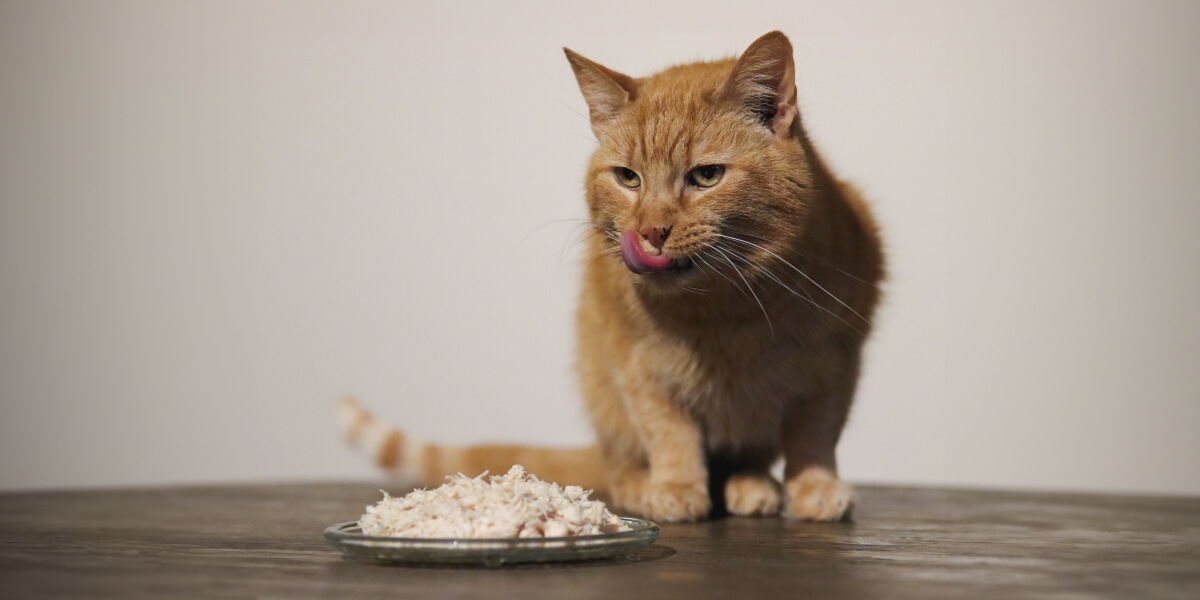
Wet cat food is a lifesaver for many vomiting cats because the extra moisture softens the stool and reduces the chance of constipation. If you prefer dry, choose formulas that incorporate hydrolyzed starches to keep things gentle.
Specialty GI Ingredients
Look for added probiotics (likeBifidobacterium), omega3 fatty acids, and easily digestible carbs such as rice or sweet potato. These ingredients calm inflammation and support a healthy gut lining.
Ingredient Transparency & Limited Ingredients
Less is more. A label that lists a single protein source followed by a short line of carrots, peas, or sweet potato is a good sign. Avoid artificial colors, flavors, and unnecessary fillers.
How to Read a Label Like a Pro
- Check the first three ingredients they should be real meat, not meat meal.
- Find the guaranteed analysis protein, fat, fiber percentages.
- Look for an AAFCO statement confirming the food meets nutritional standards.
Best Food Recommendations
| Rank | Food Type | Key Benefits | Why It Helps Vomiting Cats | Price (2025) |
|---|---|---|---|---|
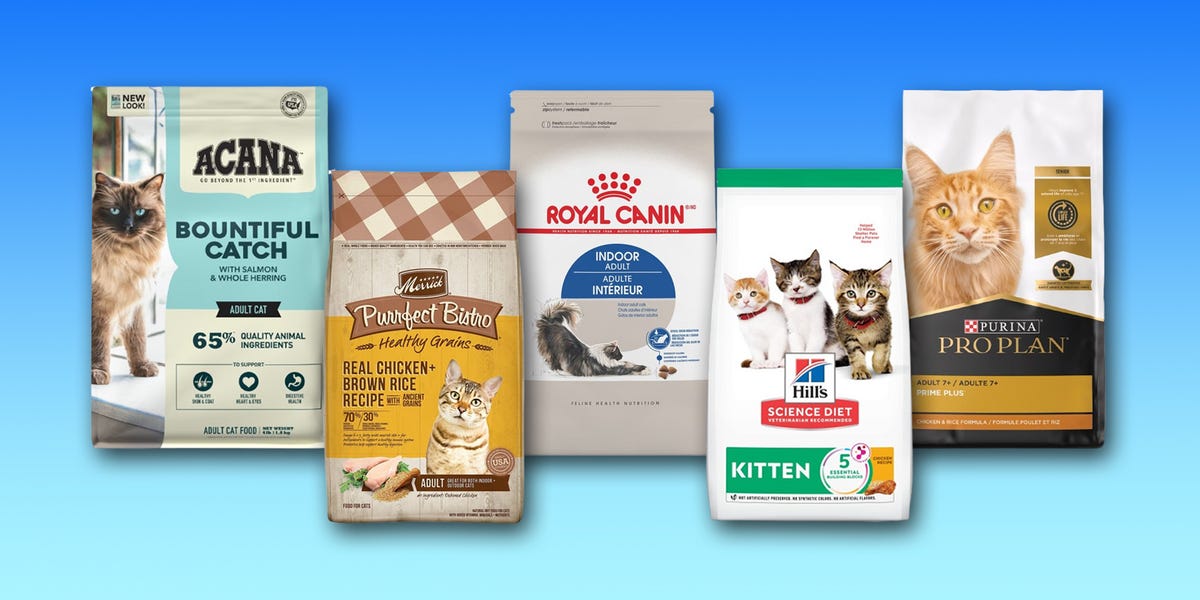
| 1 | Royal Canin Gastrointestinal High Energy (wet) | Highly digestible, prebiotic fiber | Supports gut lining, low fat, extra moisture | $$ |
| 2 | Purina ONE Sensitive Stomach (dry) | Lowfat, limitedingredient, probiotic blend | Reduces irritation, stable energy release | $ |
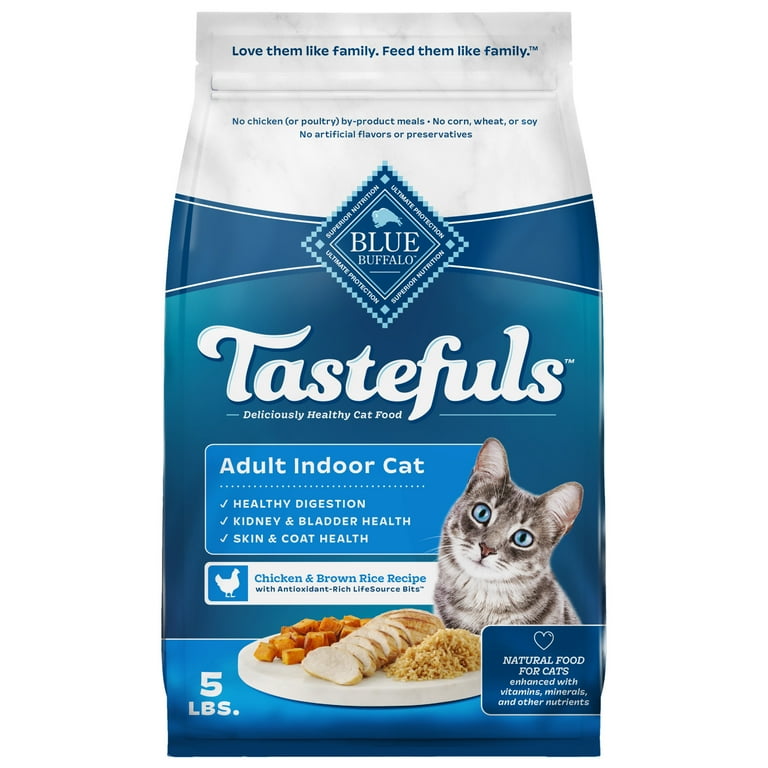
| 3 | Blue Buffalo Natural Veterinary Diet GI (wet) | Limited protein, grainfree, added turkey | Gentle on stomach, high moisture | $$ |
| 4 | Instinct Limited Ingredient GrainFree (dry) | Real chicken, pea fiber, DHA | Protein quality, gut health support | $$ |
| 5 | Wellness CORE GrainFree (wet) | High protein, no grain, probiotics | Moisture + digestibility | $ |
Dry Options for VomitProne Cats
When you need a crunchy choice, consider the best dry food for cats that throw up. Brands like Instinct and Purina ONE keep the fat low and the fiber gentle, making them ideal for cats that cant tolerate a heavy meal.
Wet Options for Sensitive Stomachs
If your kitty loves a saucy dinner, the Best wet cat food for cats that throw up includes Royal Canin and Blue Buffalo formulas that deliver the hydration your cat needs while staying easy on the gut.
SeniorSpecific Formulas
Older cats often have slower digestion. Look for seniorfocused kibble thats low in fat but rich in antioxidants, like a senior version of Purina ONE Sensitive Stomach.
BudgetFriendly Picks
Many highquality foods are on sale through major retailers. Compare unit prices, read the ingredient list, and youll find a petfriendly option without breaking the bank.
Safe Food Transition
The 7Day Gradual Switch
Start with 75% old food and 25% new; after two days, go 50/50; then 25/75; finally 100% new. This slow shift gives the gut microbes time to adapt and reduces the chance of a newfoodshock vomiting episode.
Monitoring Improvements
Keep a simple diary: note the time of meals, any vomiting, stool consistency, and your cats energy level. If you see fewer upchucks after a week, youre on the right track.
Supplements That Can Help
Adding a probiotic like FortiFlora, or a calming supplement such as NutriCalm, can give the GI tract an extra hand during the transition.
Personal Anecdote
I switched my own cat, Maya, from a generic dry food to a limitedingredient wet diet. The first day she was a bit finicky, but by day four the vomiting stopped completely. Seeing her bounce around again reminded me how powerful the right nutrition can be.
Veterinary Guidance Needed
RedFlag Symptoms
If your cat vomits more than twice a day, shows blood, is lethargic, or loses weight quickly, its time to call the vet. Those signs could point to something beyond diet.
Diagnostic Tests Vets May Use
- Blood panel to check organ function
- Abdominal ultrasound for structural issues
- GI endoscopy for direct tissue sampling
Prescription vs. OvertheCounter
Veterinarians may prescribe therapeutic diets like Royal Canin Digestive Care, which contain specific fibers and nutrients you wont find in regular grocerystore brands. Those formulas are powerful but should be used under professional guidance.
Common Questions Answered
Can I feed only wet food to stop vomiting?
Wet food helps because of its high moisture, but a balanced diet may still include a small amount of dry to keep teeth healthy. The key is choosing a GIfriendly formula, not necessarily 100% wet.
Is grainfree better for a vomiting cat?
Grainfree isnt a magic bullet. It removes common allergens like wheat, but the real hero is the quality of the protein and the presence of prebiotics. If your cat reacts to grains, try a grainfree, limitedingredient product.
Whats the difference between sensitive stomach and gastrointestinal formulas?
Sensitive stomach foods usually focus on low fat and simple carbs, while gastrointestinal diets add extra fiber, prebiotics, and sometimes probiotics to actively support gut health.
How long does improvement take after switching food?
Most cats show less vomiting within 35 days, but full stabilization can take up to two weeks, especially for older cats with chronic issues.
Are homemade meals an option?
Homecooked diets can work if theyre properly balanced with a veterinarian or a certified pet nutritionist. Without precise ratios, you risk missing essential nutrients.
Helpful Cheat Sheet
- Do: Choose lowfat, highprotein, limitedingredient foods.
- Dont: Feed sudden, drastic diet changes.
- Top Picks: Royal Canin Gastrointestinal (wet), Purina ONE Sensitive Stomach (dry).
- Transition Plan: 7day gradual mix, monitor daily.
- When to Call Vet: >2 vomits/day, blood, lethargy, weight loss.
Choosing the right food isnt just about brand nameit's about matching your cats unique digestive needs. By focusing on digestibility, moisture, and gentle ingredients, you give your furry companion a real chance to feel better. Remember, a gradual transition, close observation, and a quick vet check when needed are the three pillars of success.
If youve tried any of the foods above or have your own tricks to share, Id love to hear them in the comments! Together we can help more cats enjoy calm, comfortable meals.
FAQs
How soon can I expect my cat to stop vomiting after switching food?
Most cats show a noticeable drop in vomiting within 3‑5 days, but full stabilization can take up to two weeks, especially for older or chronic cases.
Is feeding only wet food enough to stop the vomiting?
Wet food helps because of its high moisture and easy digestibility, but a balanced diet that includes a small amount of dry kibble can still be fine. The key is a low‑fat, GI‑friendly formula.
What ingredients should I avoid for a cat that throws up?
Avoid artificial colors, flavors, high‑fat meals, grain‑based fillers, and multiple protein sources. Look for limited‑ingredient recipes with a single, high‑quality protein.
What’s the safest way to transition my cat to a new diet?
Use a 7‑day gradual switch: start 75% old/25% new, then 50/50, 25/75, and finally 100% new. Keep a daily diary of meals, vomiting episodes, and stool quality.
When must I take my cat to the vet for vomiting?
Seek veterinary care if vomiting occurs more than twice a day, contains blood, is accompanied by lethargy, rapid weight loss, or if your cat shows other signs of illness.