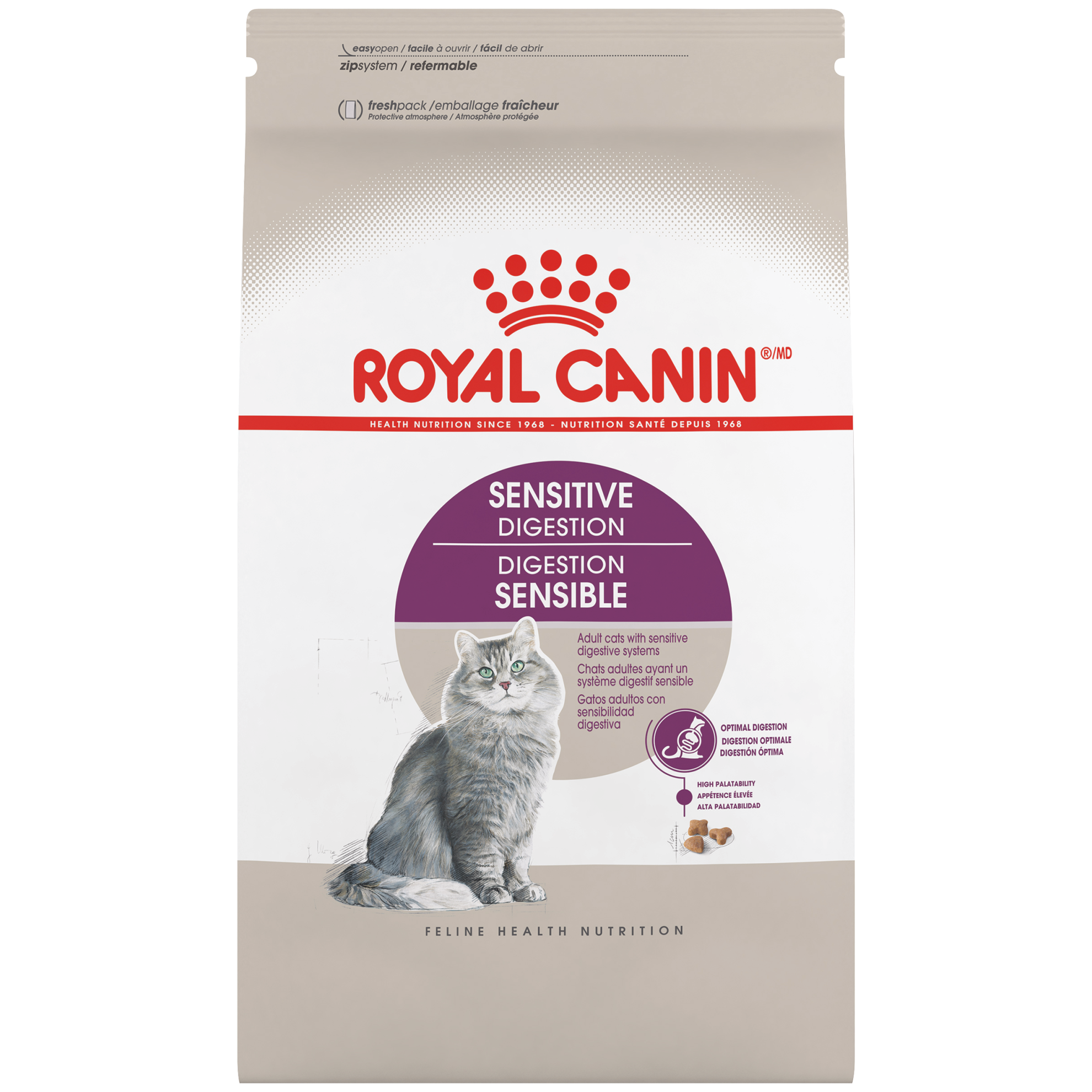
Is your feline friend spending too much time on the litter box, looking a little uncomfortable? A highfiber dry cat food can be the gentle nudge their digestive system needs to get moving againno need to hunt down endless product pages or guess what works.
Below youll discover why fiber matters, which dry foods actually deliver the promised relief, how to feed them safely, and the red flags that signal its time to call the vet. Lets dive straight in so you can help your kitty feel better today.
Why Fiber Matters
Fiber isnt just a buzzword found on pet food packaging; its a real, physiological tool that helps cats push waste through their intestines. In the feline world, high fiber usually means a crude fiber content of around 45% in the kibble. Below we break down the basics.
What does high fiber mean for a cats diet?
Unlike dogs, cats are obligate carnivores, so they dont need massive amounts of plant material. However, a modest boost in fiber can bulk up stool, retain water, and stimulate peristalsisthe wavelike motion that moves food along the gut. Think of fiber as the friendly treadmill for your cats intestines.
How does fiber improve gastrointestinal motility?
When fiber reaches the colon, it absorbs water and expands. This gentle swelling stretches the intestinal walls, triggering nerves that tell the muscle to contract. The result? A smoother, more regular bowel movement without the strain.
Soluble vs. Insoluble fiber: which is better for constipation?
Both types play a role, but insoluble fiber (like beet pulp or wheat bran) adds bulk, while soluble fiber (such as pumpkin or chicory root) holds moisture. A balanced blend gives you the best of both worldsfirm stools that arent too dry.
Quick visual: Fibers journey in the gut
Imagine a train (the food) moving through a tunnel (the intestines). Insoluble fiber adds extra cars to the train, making it longer, while soluble fiber adds a splash of water, keeping the train from getting stuck.
Choosing the Right Food
Not all highfiber labels are created equal. Some brands sprinkle a dash of fiber while still serving mostly meat, which may not deliver the relief you need. Heres how to separate the wheat from the wheatbran.
Spotting true fiber sources
Look for wholefood ingredients that naturally contain fiber: pumpkin, sweet potato, beet pulp, chicory root, and psyllium husk. Avoid products that list fiber supplement without specifying the sourcethats a red flag.
Reading the guaranteed analysis
The guaranteed analysis on the back of the bag should list crude fiber. Aim for at least 4% for a noticeable effect. If you see added fiber but no percentage, the claim may be marketing fluff.
What makes a food the best dry food for cats with constipation?
Experts weigh three main factors:
- Fiber content & source pure, recognizable ingredients.
- Palatability if your cat refuses to eat it, no fiber benefit will matter.
- Vet endorsement formulations developed with a veterinary nutritionist carry extra credibility.
Comparison Table: Top HighFiber Dry Foods (2025)
| Brand & Product | Crude Fiber % | Main Fiber Source | Price / 4lb | Key Feature |
|---|---|---|---|---|
| Purina ONE Fiber Boost | 5.0% | Pumpkin & Beet Pulp | $22 | Vetformulated, no artificial colors |
| Blue Buffalo Intestinal Health | 4.5% | Chicory Root, Sweet Potato | $24 | Grainfree, limitedingredient |
| Hills Science Diet Digestive Care | 4.2% | Psyllium Husk, Pumpkin | $27 | Clinically proven for constipation |
| Wellness CORE Fiber Rich | 4.8% | Pea Fiber, Beet Pulp | $25 | High protein, low carbs |
| Royal Canin Feline Constipation | 5.5% | Pumpkin, Oat Fiber | $30 | Prescriptionstyle, veterinary recommendation |
When you glance at the table, think about your cats preferences. Do they love a fish flavor? Does your budget stretch to a premium brand? The right choice blends nutrition, taste, and cost.
Top Rated Options
Below is a quick snapshot of five dry foods that consistently rank high among cat owners dealing with constipation. All have been vetted by both petparents and veterinary nutritionists.
Budgetfriendly pick: Purina ONE Fiber Boost
At under $20 for a 4lb bag, this formula offers 5% fiber from pumpkin and beet pulp. Its easy on the wallet and proven to add bulk without sacrificing taste.
Premium standout: Hills Science Diet Digestive Care
With a clinically tested blend of psyllium husk and pumpkin, Hills is the goto recommendation for many vets. The price is higher, but the results are often quicker.
Grainfree & sensitive: Blue Buffalo Intestinal Health
If your cat has a grain sensitivity, this option replaces grains with sweet potato and chicory root, still delivering a solid 4.5% fiber.
Highprotein focus: Wellness CORE Fiber Rich
For cats that need extra protein, this formula keeps protein high while still packing nearly 5% fiber. Its a balanced approach for active felines.
Prescriptionstyle: Royal Canin Feline Constipation
Designed with vet input, this kibble hits 5.5% fiber and includes oat fiber for added smoothness. Its often prescribed after other diets fail.
Read more detailed reviews on the best dry food for cats with constipation page for user experiences and price comparisons.
Feeding Tips & Tricks
Choosing the right food is only half the battle; how you serve it determines whether the fiber works its magic.
Portion control for adult vs. senior cats
Adults (17years) typically need 1/4 to 1/3 cup of dry kibble per 5lb of body weight daily. Seniors may require a slightly smaller portion but benefit from the same fiber percentage, as aging slows gut motility.
Mixing wet and dry: does it help?
Adding a highfiber wet optionlike a Best wet food for constipated catboosts moisture, which softens stool further. A common schedule is:
- Morning: of the daily dry kibble.
- Evening: Remaining dry kibble mixed with a spoonful of wet food.
Supplemental fiber when and how
If your cat refuses fiberrich kibble, a pinch of unflavored psyllium husk sprinkled on their food (about teaspoon for a 10lb cat) can fill the gap. Always introduce slowly and watch for any changes in stool consistency.
Sample feeding schedule
MondayFriday example:
- 7am 2Tbsp dry kibble.
- 12pm Light wet snack (optional).
- 6pm 2Tbsp dry kibble + 1Tbsp highfiber wet food.
Consistency is key: cats thrive on routine, and a regular feeding pattern reinforces predictable bowel movements.
Risks & When to Call the Vet
Fiber is fantastic, but like anything, too much can backfire. Knowing the warning signs will keep your cat comfortable and safe.
Signs of overfibering
Excessive flatulence, watery diarrhea, or a sudden drop in appetite can indicate youve tipped the scale. If stools become very loose, cut back the fiber by half for a few days and monitor.
Interactions with meds or conditions
Fiber can bind certain medications, reducing their absorption. If your cat is on thyroid medication, antibiotics, or a special diet for kidney disease, consult your vet before making a fiber jump.
Distinguishing constipation from other GI issues
True constipation involves hard, dry stools that the cat struggles to pass. Megacolon, a more serious condition, presents with similar signs but requires veterinary imaging and possible surgery. When in doubt, a vet visit is the safest route.
Checklist: When to seek professional help
- Stool hasnt passed for >48hours.
- Visible straining, vocalizing, or pain.
- Repeated loose stools after adding fiber.
- Any signs of vomiting, lethargy, or loss of appetite.
If any of these red flags appear, pause the dietary changes and schedule an appointment. Prompt professional care can prevent complications like megacolon.
Expert Resources & Further Reading
To stay ahead of the curve, keep these trusted sources on your bookmark bar:
- Veterinary nutrition journals such as the Journal of Feline Medicine and Surgery for peerreviewed studies on fiber.
- PetMD and the Purina Institute both regularly publish evidencebased articles on feline gastrointestinal health.
- Community forums (Reddits r/cats, Cats.com) for realworld anecdotes and tips from owners whove walked the same road.
- If youre interested in cooking at home, explore Homemade cat food for constipation recipes that incorporate pumpkin, sweet potato, and ground flaxseed.
Remember, while highfiber dry food is a powerful tool, it works best when paired with fresh water, regular play, and routine veterinary checkups.
Conclusion
Highfiber dry cat food offers a practical, vetbacked solution to get your kittys digestive system back on track. By choosing a product with proven fiber sources, feeding the right amount, and staying alert to any side effects, you can help your cat enjoy smoother, more comfortable bathroom trips. Pair the kibble with a splash of wet food or a tiny supplement for extra moisture, but always keep an eye on warning signs that merit a professional opinion.
Wed love to hear from you! Have you tried any of the foods listed above? Share your cats success story in the comments, or ask any lingering questionsyoure not alone on this journey.
FAQs
What is the ideal crude fiber percentage for constipation relief?
Look for dry foods that contain at least 4% crude fiber on the guaranteed analysis; 4‑5% is most effective for gentle bowel movement stimulation.
Can I combine high‑fiber dry food with wet food?
Yes—a mix of dry kibble and a high‑fiber wet option adds moisture, softening stools while maintaining the beneficial bulk from fiber.
How quickly should I see results after switching to a high‑fiber diet?
Most cats show improvement within 2‑4 days, but consistent results may take up to a week as their digestive system adjusts.
Are there any cats that should avoid high‑fiber diets?
Kittens, pregnant or nursing cats, and those with specific medical conditions (e.g., kidney disease) should only use fiber‑rich foods under veterinary guidance.
What are the signs that my cat’s constipation is getting worse?
Watch for straining longer than 48 hours, vocalizing pain, vomiting, lethargy, or very hard, dry stools—these warrant an immediate vet visit.