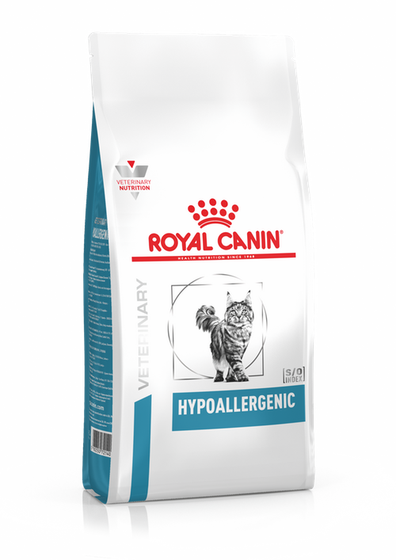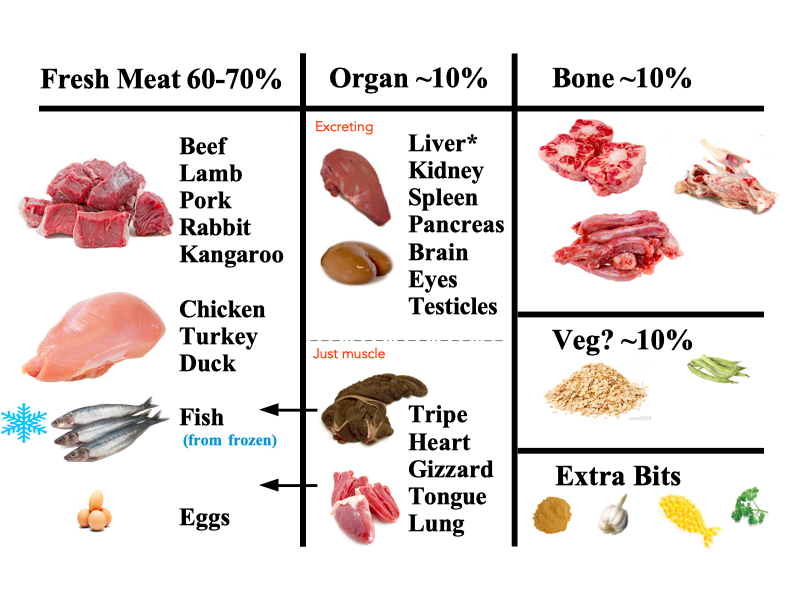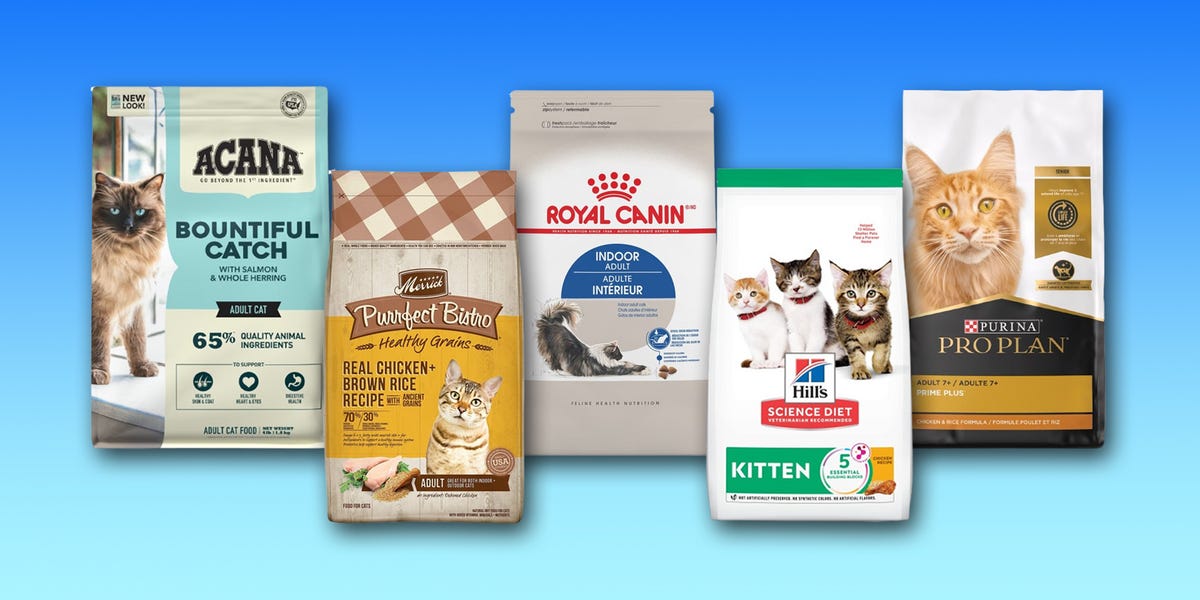
Alright, lets cut to the chase. If youre scrolling through endless product pages wondering what is the healthiest dry cat food for your whiskered roommate, the short answer is: look for a kibble thats high in animal protein, low in unnecessary carbs, and packed with the nutrients cats cant make on their own (like taurine, arachidonic acid, and vitaminA). Brands that meet these criteria and have the stamp of veterinary approval usually sit at the top of the list.
Now that you have the quick fix, lets dig a little deeper. Well explore why the right dry food matters, how vets judge quality, the top five picks for 2025, and even a budgetfriendly cheat sheet. By the end of this post youll feel confident enough to pick the perfect bowl for your indoor explorer.
Why It Matters
Health risks of lowquality kibble
Imagine feeding your cat a diet thats mostly filler and cheap plant protein. Over time that can lead to:
- Weight gain and obesity especially common in indoor cats that lounge most of the day.
- Urinary crystal formation highcarb foods can alter urine pH.
- Dental decay some lowquality kibble doesnt provide enough abrasive texture for natural tooth cleaning.
One reader, Mia, told me her 7yearold indoor tabby gained two pounds in three months after she switched to a grainheavy brand. The vets advice? Swap to a proteinrich, lowcarb formula and the weight came off within weeks.
Benefits of a balanced dry diet
When you choose a nutritionally balanced kibble, youre giving your cat:
- Steady energy from highquality animal protein.
- Proper hydration support many modern dry foods incorporate moisturebinding fibers.
- Essential vitamins and minerals that support vision, coat health, and immune function.
Recent studies from the Cornell Feline Health Center (2024) show that cats fed highprotein, lowcarb dry diets have a 15% lower risk of developing obesityrelated diseases.
Vet Evaluation
Core criteria vets use
Veterinarians dont just glance at the bag and say good enough. They check:
- AAFCO compliance ensures the food meets minimum nutritional standards.
- WSAVA (World Small Animal Veterinary Association) guidelines focus on ingredient quality and safety.
- Protein source and percentage animalbased protein should be the first ingredient.
- Absence of excessive fillers (corn, wheat, soy) and artificial additives.
VetScore Checklist
| Criterion | Check |
|---|---|
| Animal protein >30% | |
| Low carbs (<10%) | |
| Added taurine | |
| No BHA/BHT | |
| AADapproved (AAFCO) |
Trusted brands in 2025
Here are a few names that consistently score high on the vetscore:
- Royal Canin especially the Indoor line, formulated for lower activity levels.
- Hills Science Diet AAFCOcertified, balanced minerals for urinary health.
- Purina Pro Plan budgetfriendly without sacrificing essential nutrients.
- Open Farm humanelysourced protein, high Omega3s.
- Acana/Merrick grainfree, high animal protein.
Want a deeper dive on overall cat nutrition? Check out our article on what is best dry food for cats.
Top 5 Healthiest Dry Foods
How we ranked them
We weighed four factors:
- Nutrition profile protein %, carbs, added nutrients.
- Price per pound affordability matters.
- Sustainability & sourcing humane practices, ecofriendly packaging.
- Vet endorsement recommendations from boardcertified feline nutritionists.
#1Open Farm RawMix Dry
Why it shines:
- 42% animal protein from freerange chicken and turkey.
- Calming Omega3s from flaxseed and fish oil.
- Wholefood ingredients, no artificial colors.
#2Hills Science Diet Adult Multiple Benefit
Key points:
- AACFapproved, balanced minerals for urinary health.
- 9% fiber to aid hairball control.
- Reasonable price about $1.30 per pound.
#3Royal Canin Instinctive Chunks
Tailored for indoor cats:
- Highprotein (30%) with controlled calories.
- Added Lcarnitine to support lean muscle.
- Trusted by many veterinarians worldwide.
#4Purina Pro Plan Savor
Budgetfriendly champion:
- 30% real chicken, no byproducts.
- Antioxidants for a glossy coat.
- Widely available in supermarkets.
#5Acana Regionals
For the grainfree purist:
- 38% regional meat (wild boar, duck).
- Lowcarb, highfat formula mimics prey.
- Ecoconscious sourcing from Canada.
Comparison Table
| Brand | Price / lb | Protein % | Carbs % | Key Additives | Vet Rating |
|---|---|---|---|---|---|
| Open Farm RawMix | $2.45 | 42 | 8 | Omega3, Triplefiltered fish oil | 9/10 |
| Hills Science Diet | $1.30 | 30 | 9 | Lcarnitine, VitaminE | 8.5/10 |
| Royal Canin Instinctive | $1.85 | 30 | 10 | Prebiotic fiber | 8/10 |
| Purina Pro Plan Savor | $1.15 | 30 | 11 | Antioxidants, Taurine | 7.5/10 |
| Acana Regionals | $2.20 | 38 | 7 | Wildprey meat blend | 8/10 |
Best for Indoor Cats
Unique needs of indoor felines
Indoor cats move less, so they need fewer calories but more fiber to keep their digestive system humming. Look for kibble that:
- Contains 3035% animal protein (enough to maintain muscle).
- Has moderate fat (around 1214%) to keep the coat shiny without extra weight.
- Includes added fiber (e.g., beet pulp) for hairball control.
Top indoor picks from our list
Royal Canin Instinctive, Hills Science Diet, and Open Farm all have specific formulas for indoor cats. They balance calories and fiber while still delivering the essential nutrients a cat needs.
Sample feeding schedule
Assuming a 4kg adult indoor cat:
- Morning: cup of dry kibble (approx. 70kcal).
- Evening: cup of dry kibble + a spoonful of wet food (optional for extra moisture).
- Always provide fresh water alongside the bowl.
BudgetFriendly Options
Getting value without compromise
We get it pet care can be pricey. The trick is to compare nutrient density against cost per serving. A higherpriced kibble isnt automatically healthier, but a very cheap brand often cuts corners on protein quality.
Three affordable yet nutritious picks
- Purina Cat Chow 28% protein, decent fiber, around $0.90 per pound.
- Iams Proactive Health added Omega6 for a glossy coat, $1.05 per pound.
- Blue Buffalo Basics grainfree, 30% protein, $1.20 per pound.
Costvsnutrient table
| Brand | Price / lb | Protein % | Carb % | Key Benefits |
|---|---|---|---|---|
| Purina Cat Chow | $0.90 | 28 | 12 | Affordable, balanced |
| Iams Proactive Health | $1.05 | 30 | 10 | Omega6, good coat |
| Blue Buffalo Basics | $1.20 | 30 | 9 | Grainfree, high protein |
Common Myths & Mistakes
Myth: Grainfree equals healthier
While many owners assume grainfree is a golden label, studies from the American Veterinary Medical Association (2023) show no consistent health advantage. Some grainfree formulas even replace grains with lowquality fillers like pea protein, which can be harder for cats to digest.
If youre curious about the pros and cons of going grainfree, read our detailed guide on Grain-free cat food pros and cons.
Mistake: Relying on marketing buzzwords
Terms like real chicken can be misleading. The ingredient list matters more than the frontpack claim. Always check the first three ingredients if chicken appears after a filler like corn meal, the protein source is likely low quality.
How to read a label like a pro
- First ingredient = primary protein source.
- Look for taurine and EPA/DHA (essential fatty acids).
- Avoid byproduct meals and artificial preservatives.
Transitioning to a New Healthy Food
Stepbystep plan (710 days)
- Day12: Mix 75% old food with 25% new food.
- Day34: Increase new food to 50%.
- Day57: 75% new, 25% old.
- Day810: Serve 100% new food.
Watch for signs of digestive upset loose stools or reduced appetite usually resolve within a few days. If problems persist, contact your vet.
When to call the vet
Persistent vomiting, weight loss, or a sudden change in litter box habits are red flags. A quick checkup can rule out underlying issues and confirm the new diet is a good match.
Conclusion
Choosing the healthiest dry cat food isnt about chasing the flashiest packaging; its about matching your cats unique needs with a nutritionally sound formula. Remember these three takeaways:
- Prioritize high animal protein, low carbs, and essential nutrients like taurine.
- Consider your cats lifestyle indoor cats need balanced calories and extra fiber.
- Transition slowly, monitor health, and dont hesitate to ask your vet for personalized advice.
Got a favorite brand or a story about a successful food switch? Share it in the comments below! Your experience could help another cat parent make the right choice. And if youre still curious about the broader world of cat nutrition, feel free to explore our other articles theres always something new to learn.
FAQs
What should I look for on the ingredient list of dry cat food?
Check that the first ingredient is a named animal protein (e.g., chicken, turkey, salmon). Avoid meals listed as “by‑product” or “meal” and look for added taurine and omega‑3 fatty acids.
Is grain‑free always better for cats?
Not necessarily. Grain‑free isn’t a guarantee of higher quality; some use low‑quality fillers like pea protein. Focus on protein source and overall nutrient balance instead.
How can I tell if a dry food is low in carbs?
Look for a carbohydrate content below 10 % and minimal filler grains (corn, wheat, soy). High‑protein formulas usually have lower carbs.
Can I feed my indoor cat a regular dry formula?
Yes, but choose one with moderate calories, added fiber for hairball control, and a protein level of 30‑35 % to maintain muscle while preventing weight gain.
What’s the best way to transition my cat to a new dry food?
Gradually mix the new kibble with the old: 75% old/25% new for days 1‑2, 50/50 for days 3‑4, 25/75 for days 5‑7, then 100% new by day 8. Monitor for digestive changes.