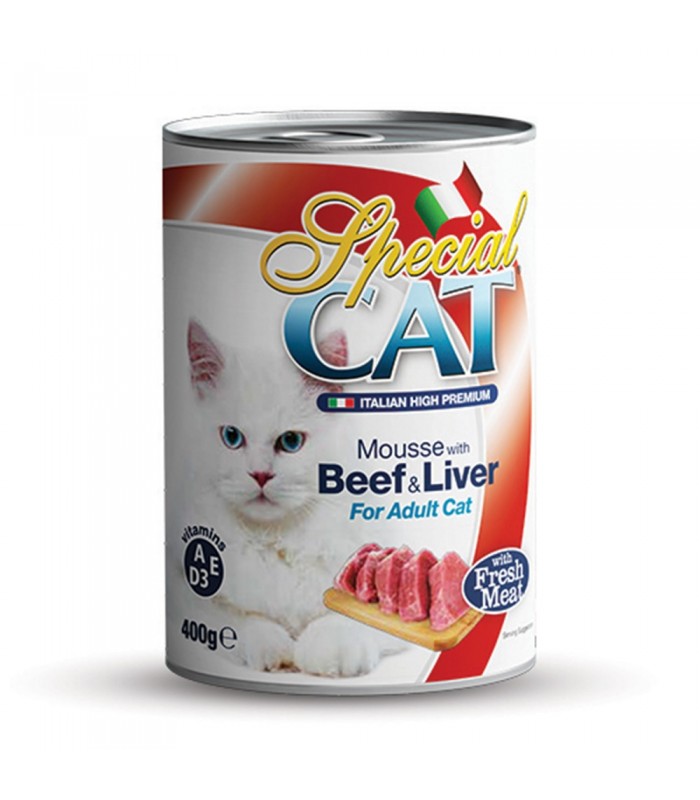
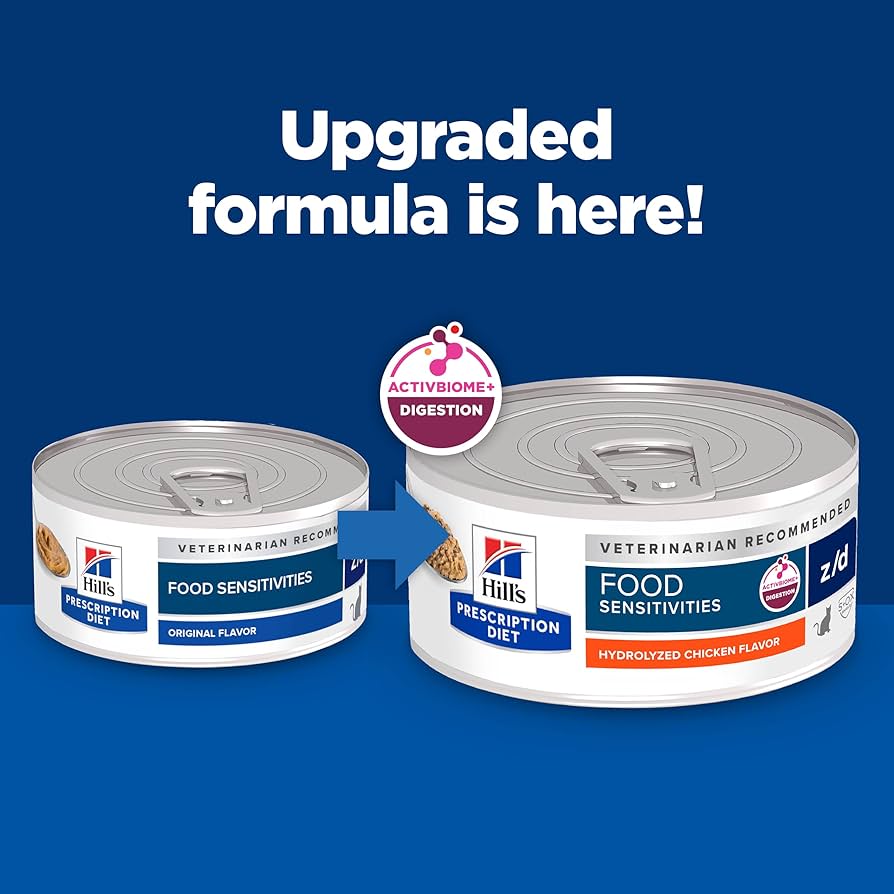
Short answer: wet food itself isnt harmful to a cats teeththe real issue is how often you clean those pearly whites. If you pair a balanced diet with a simple dentalcare routine, your feline can enjoy the soft, tasty goodness of canned food without worrying about plaque buildup.
Why does this matter? Many cat parents hear the myth that soft food ruins teeth and panic, switching to a dry kibble they think will magically scrub away tartar. The truth is a bit messier (and a lot more personal). Your cats oral health depends on diet, genetics, and, most importantly, regular brushing or professional cleanups. Lets dive in together and clear up the confusion.
What Vets Say
Professional consensus on wet food
Veterinarians across the board agree that canned or wet cat food does not inherently damage teeth. The American Veterinary Dental College (AVDC) notes that the texture of wet food is too soft to scrape plaque off the enamel, but it also isnt acidic enough to erode enamel on its own. In other words, wet food is neutralit wont clean teeth, but it wont destroy them either.
Expert insight you can trust
Dr. Maya Patel, a boardcertified feline nutritionist, tells us, Cats with dental disease often benefit from wet food because its easy to chew. The key is pairing it with a good brushing habit or regular veterinary cleanings. Her advice reflects the growing consensus: the diet matters, but hygiene matters more.
Key research highlights
A 2023 peerreviewed study published in the Journal of Feline Medicine compared tartar scores for cats fed exclusively dry, exclusively wet, and mixed diets. Cats on a mixed diet with weekly brushing had the lowest plaque index, while those on dryonly diets without brushing showed no significant difference from the wetonly group.
What this means for you
- Wet food is safe for teeth when combined with routine cleaning.
- Dry kibble alone isnt a miracle plaque remover.
- Regular veterinary checkups remain the gold standard.
How Food Texture Affects
Wet vs. dry myth busting
The popular myth claims that crunchy kibble scrubs teeth like a toothbrush. In reality, most dry kibble is too soft to have a meaningful mechanical effect. Only specially formulated dental kibble, which is larger and denser, can provide a mild abrasive action.
Why dry food isnt a substitute for brushing
Even the toughest kibble cant reach the inner surfaces of each tooth. Without brushing, plaque can still accumulate along the gum line, leading to gingivitis and eventually periodontitis. So, if you rely solely on dry food to keep teeth clean, youre likely missing the bigger picture.
Ministudy snapshot
| Diet Type | Average Plaque Score (05) | Notes |
|---|---|---|
| Wet only, no brushing | 2.3 | Soft texture, low mechanical action. |
| Dry only (standard kibble), no brushing | 2.5 | Slightly higher due to texture, but not a cleaning agent. |
| Dental kibble, weekly brushing | 1.1 | Combined effect of texture + hygiene. |
Real Risks & Benefits
When wet food could increase plaque
If your cat eats only wet food and you never brush, the lack of any abrasive action means plaque can form just as quickly as with dry food. A lively Reddit thread showed numerous owners noticing a sticky feeling on their cats molars after months of wetonly meals without any dental care.
The soft side: benefits for cats with dental pain
For cats suffering from gingivitis, broken teeth, or simply old age, the softness of wet food is a true lifesaver. It reduces the effort required to chew, lessening pain and encouraging proper nutrition. Think of it as the comfort food for a cat in dental distress.
Case study idea (feel free to expand)
Meet Luna, a 12yearold tabby who started refusing dry kibble after a cracked molar. Her vet switched her to a prescription wet diet and added a weekly brushing routine. Within six weeks, Lunas appetite improved, and a followup cleaning showed dramatically reduced gum inflammation.
Choosing the Best Food
When dental health is a concern, not all wet or dry foods are created equal. Below is a quick reference to help you pick the right product for your whiskered companion.
| Category | Top Recommendation | Why It Helps | Key Ingredients |
|---|---|---|---|
| Best wet food for cats with dental problems | Hills Prescription Diet Dental Care Canned | High protein, low carbohydrate, added antioxidants for gum health | Taurine, calcium, vitaminE |
| Best soft dry food for cats with bad teeth | Royal Canin Dental Soft Kibble | Larger, softer croquettes that are gentle yet provide mild abrasion | Polyphosphate blend, zinc |
| Best cat food for dental problems (dry) | Purina Dental Science | Engineered texture designed to scrub surfaces while being easy to chew | Sodium hexametaphosphate, extralarge kibble |
| Liquid food for cats with bad teeth | Prescription NutrientRich Liquid Diet (vetapproved) | Complete nutrition in a spoonable form for severe oral disease | Highly digestible proteins, omega3 fatty acids |
Reading labels like a pro
Look for terms such as dental care, low carbohydrate, or added antioxidants. These clues often indicate a formula designed to support gum health. Avoid foods with high sugar or excessive fillers, which can promote bacterial growth.
Why a balanced diet matters
Mixing a highquality wet food with a dental kibble can give you the best of both worlds: soft nutrition for comfort and a mild abrasive action for plaque control. Just remember: the combination works only when you add a regular brushing routine.
Practical Dental Routine
How to clean a cats teeth at home
It sounds intimidating, but with a few simple steps youll be a pro in no time:
- Pick the right tools: A catfriendly toothbrush (soft bristles) or a finger brush works best. You can also use dental wipes for quick cleanups.
- Introduce the taste: Let your cat lick a dab of felinesafe toothpaste (never use human toothpaste).
- Start slow: Gently lift a lip and brush a single tooth for a few seconds. Reward with a treat.
- Build up: Over a week, increase to twothree teeth per session, aiming for a quick 30second brush 23 times a week.
- Finish with a dental gel: A catflavored dental gel applied after meals can help reduce bacterial growth between brushes.
When to see the vet
Most cats benefit from a professional cleaning once a year, especially if they have a history of gingivitis or tartar buildup. Your vet can also spot early signs of periodontal disease that arent visible to us.
Tool checklist
- Catspecific toothbrush or finger brush
- Enzymebased cat toothpaste (flavored)
- Dental wipes (optional)
- Dental treats with a grinding action (e.g., Greenies)
- Catflavored dental gel for aftermeal use
Balancing Pros & Cons
Quick prosandcons table
| Aspect | Pros | Cons |
|---|---|---|
| Wet food | Easy to chew, high moisture, good for cats with dental pain | Doesnt provide mechanical cleaning |
| Dry dental kibble | Mild abrasive action, convenient storage | Can be too hard for cats with severe dental disease |
| Regular brushing | Most effective at removing plaque | Requires patience & consistency |
| Professional cleanings | Thorough removal of tartar, early disease detection | Cost and need for anesthesia |
Bottom line summary
Wet food isnt bad for a cats teethwhat matters is the overall dental care plan. Pair a highquality wet or soft dry diet with brushing, dental treats, and regular vet visits, and your cats smile will stay bright for years to come.
Conclusion
Weve unpacked the myth, examined the science, and laid out a practical roadmap. The key takeaway? Wet food itself isnt the villain; neglecting oral hygiene is. By choosing the right food, keeping up with a simple brushing routine, and staying on top of veterinary cleanings, you give your cat the best chance for a healthy mouth and a happy life.
Got a story about your cats dental journey? Or a question about the best product for a particular need? Drop a comment below, share your experiences, and lets keep the conversation going. Your furry friendand their future vet appointmentwill thank you.
FAQs
Does feeding only wet food cause more plaque than dry kibble?
While wet food doesn’t scrape plaque, it also isn’t more harmful; without brushing, both diets can accumulate plaque equally.
How often should I brush my cat’s teeth if they eat wet food?
Aim for short brushing sessions 2–3 times a week, or daily if possible, combined with dental treats.
Are dental kibble formulas effective for cats with sensitive teeth?
Dental kibble can help, but if a cat has pain or broken teeth, a soft wet diet paired with regular cleaning is safer.
Can I use human toothpaste on my cat?
No—human toothpaste contains fluoride and ingredients that can be toxic; always use a cat‑specific toothpaste.
When is a professional veterinary cleaning necessary?
Most cats benefit from a professional cleaning once a year, or sooner if you notice tartar, bleeding gums, or bad breath.