Hey there, fellow cat lover! If youve ever stood in the pet aisle staring at rows of cans and kibble, wondering which bowl will keep your whiskered friend happiest and healthiest, youre not alone. The short answer is that both wet and dry cat food have their own superpowers. The real trick is figuring out how to blend them in a way that matches your cats personality, health needs, and your lifestyle.
Below youll find a friendly, nofluff guide that walks you through nutrition basics, health impacts, everyday practicality, and a simple stepbystep plan for mixing wet and dry food like a pro. Grab a cup of coffee (or a catnip tea, if thats more your style) and lets dive in.
Nutrition Basics Overview
Moisture & Calorie Density
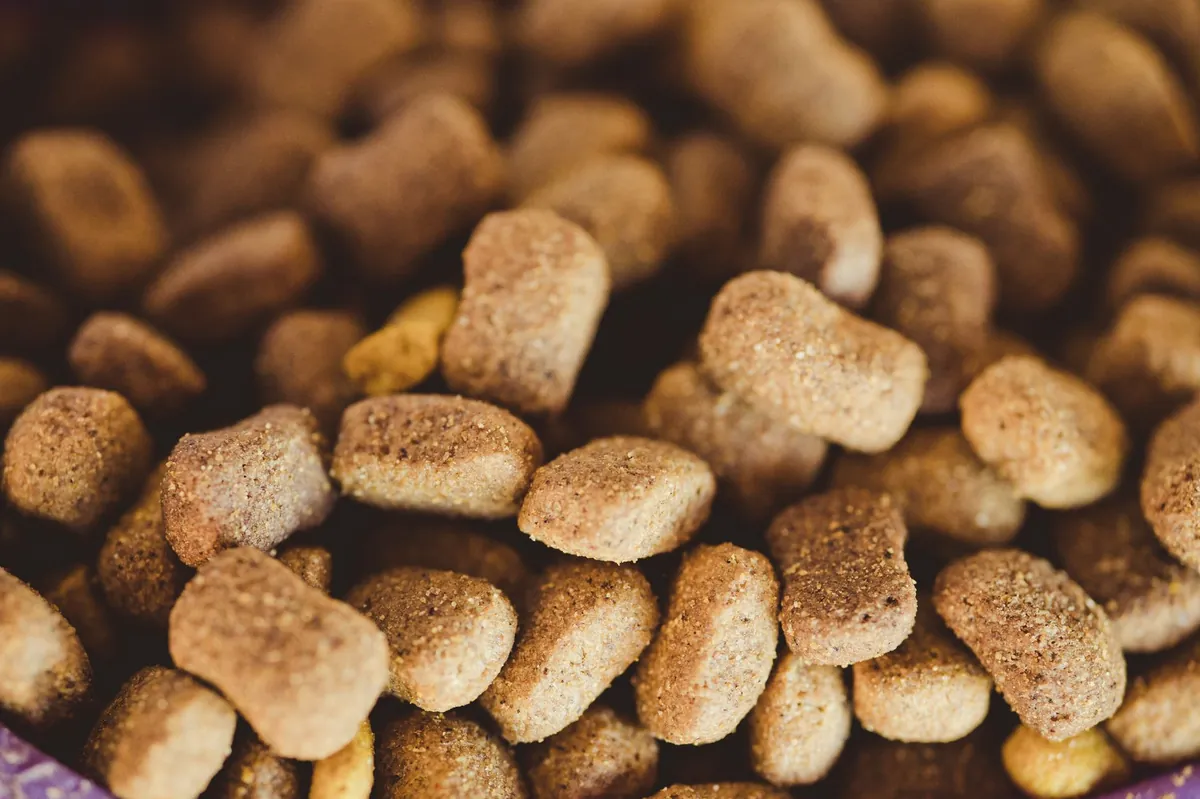
First things first: wet food is basically a waterrich meal. Most cans contain 7080% moisture, which means theyre lower in calories per gram. Dry kibble, on the other hand, sits at roughly 10% water, packing more calories into a smaller bite. If your cat is a picky eater who never drinks from a bowl, the extra hydration in wet food can be a lifesaver for urinary health.
Protein, Fat & Carbohydrates
When you look at the ingredient list, youll notice wet foods often list a named animal protein firstthink chicken broth or salmon puree. On a drymatter basis (thats the food minus the water), wet meals usually deliver more protein and fat. Dry foods can contain more carbs, especially if theyre made with grains or fillers. For a cat thats prone to weight gain, the lower calorie density of wet food can be a blessing.
Vitamins, Minerals & Additives
Both wet and dry formulas are required to meet AAFCO (Association of American Feed Control Officials) standards, but the way they deliver nutrients can differ. Wet foods often retain more natural vitamins like taurine and Bcomplex because the cooking process is gentler. Dry kibble may have added antioxidants to protect against oxidation during the highheat extrusion process.
Quick Nutrient Snapshot
| Nutrient (per 100g drymatter) | Wet (canned) | Dry (kibble) |
|---|---|---|
| Moisture | 75% | 10% |
| Protein | 12g | 30g |
| Fat | 8g | 12g |
| Carbohydrate | 5g | 30g |
| Calories (kcal) | 80 | 380 |
Health Impacts Overview
Dental Health: Is Wet Food Bad for Cats Teeth?
Probably not, but theres a nuance. Wet food is soft, so it doesnt scrub plaque away the way crunchy kibble can. That doesnt mean you have to ditch wet meals; just pair them with a few dry bites a day or brush your cats teeth regularly. A quick toothbrushing session can keep that smile sparkling.
Kidney & Urinary Health: Is Dry Food Bad for Cats Kidneys?
The myth that dry food harms kidneys pops up a lot, but the science says otherwise. The real issue is low moisture intake, which can stress the kidneys and urinary tract. If your cat has chronic kidney disease (CKD) or is prone to urinary crystals, topping up with wet food or a water fountain is a smart move.
Weight Management: Advantages of Wet Food Everyday?
Many owners ask, Is it ok to give cats wet food everyday? Absolutelyprovided you balance the calories. Wet meals are lower in energy density, so they can help overweight cats shed a few pounds. For a cat whos a champion chonk, aim for 6070% wet and the rest dry to keep the diet satisfying without overfueling.
Allergies & Digestive Sensitivity
If your felines got a tummy thats up in arms, look for limitedingredient formulas, whether wet or dry. Grainfree options exist on both shelves, and many brands use novel proteins like duck or rabbit to dodge common allergens. I once helped a friend transition a sensitive kitty from a cheap dry diet to a highquality wet blend; within two weeks, the cats hairball count dropped dramatically.
MixandMatch Calculator (Idea for an Interactive Tool)
Imagine a simple box where you input your cats weight, activity level, and any health concerns. The calculator could spit out a daily ratiosay, 65% wet and 35% dryfor optimal nutrition. While we dont have a live tool here, you can sketch one on paper or use a spreadsheet to play with the numbers.
Practical Lifestyle Considerations
Budget & Shelf Life
Wet food often costs more per calorie, but its also fresher and has a shorter shelf lifeusually a week once opened. Dry kibble can sit in the pantry for months, making it a budgetfriendly choice for multicat households. If youre watching the wallet, buying a bulk bag of highquality kibble and supplementing with a few cans a week can strike a good balance.
Feeding Frequency & Portion Control
Wet meals typically need to be served 23 times a day because cats love fresh, moist food. Dry kibble can be freefed if your cat selfregulates (most indoor cats do, but some will overeat). A quick tip: use a measuring cup for both wet and dry portions and adjust based on weight changes.
Travel & Emergency Situations
Going on a weekend road trip? Pack dry kibbleno refrigeration needed. For a quick clinic visit, a singleserve wet pouch can keep your cat happy without the mess of a full can.
Why Do Vets Recommend Dry Food for Cats?
Veterinarians often suggest dry food for its convenience and the mechanical cleaning effect on teeth. They also know that a highquality dry formula can provide consistent nutrition when fresh wet food isnt available. Still, vets stress that quality beats format: a premium wet line can outperform a cheap dry one, and the reverse is true as well.
Balanced Feeding Plan
StepbyStep Guide
- Assess your cats health. Age, weight, kidney function, and activity level set the foundation.
- Pick a highquality base. Look for AAFCO statements, named animal proteins first, and minimal fillers.
- Set the wetdry ratio. A common rule is 70% wet for hydration plus 30% dry for dental benefit, but tweak based on your cats preferences.
- Monitor and adjust. Track your cats weight, water intake, and litterbox health. Small changes (a few grams here or there) can make a big difference.
Sample Weekly Meal Schedule
| Day | Breakfast | Dinner | Snack |
|---|---|---|---|
| MonFri | can wet + cup dry | can wet + cup dry | Small kibble treat |
| SatSun | can wet | cup dry | Freezedried meat bites |
When to Call the Vet
If you notice any of the following, its time for a professional opinion: sudden weight loss or gain (>10% of body weight), persistent urinary accidents, chronic vomiting, or obvious dental pain. Your vet can help finetune the wetdry balance and may suggest a therapeutic diet.
Bottom Line The Balanced Approach Wins
So, whats the verdict? Neither wet nor dry food is a onesizefitsall miracle. Wet food shines in hydration, protein richness, and palatability, while dry kibble offers convenience, dental scrubbing, and calorie density. The sweet spot lies in a personalized mix that respects your cats health profile and your everyday routine.
Want to get started? Try the simple 70/30 rule70% wet, 30% dryfor a week, then observe how your feline reacts. Adjust the ratio, keep an eye on weight and litterbox health, and dont hesitate to ask your vet for guidance.
Got a story about how youve mixed wet and dry food for your own furball? Share it in the comments! Your experience could help another cat parent make an informed choice. And if you have questions, feel free to askwere all in this whiskered adventure together.
FAQs
What are the main benefits of feeding wet cat food?
Wet cat food provides higher moisture content, helping with hydration and urinary health, offers higher protein and fat on a dry‑matter basis, and is usually more palatable.
Is dry cat food good for a cat’s teeth?
Dry kibble can help reduce plaque through its crunchy texture, but it shouldn’t replace regular dental care like brushing or dental treats.
How can I determine the right wet‑to‑dry ratio for my cat?
Start with a 70% wet and 30% dry mix, monitor weight, litter‑box health, and energy levels, then adjust the percentages to suit your cat’s needs.
Can a cat survive on only dry food?
Yes, but ensure plenty of fresh water is always available; cats on dry‑only diets may be at higher risk for urinary issues and dehydration.
What should I look for on cat food labels?
Choose products that list a named animal protein first, meet AAFCO standards, have minimal fillers, and contain appropriate levels of taurine and other essential nutrients.