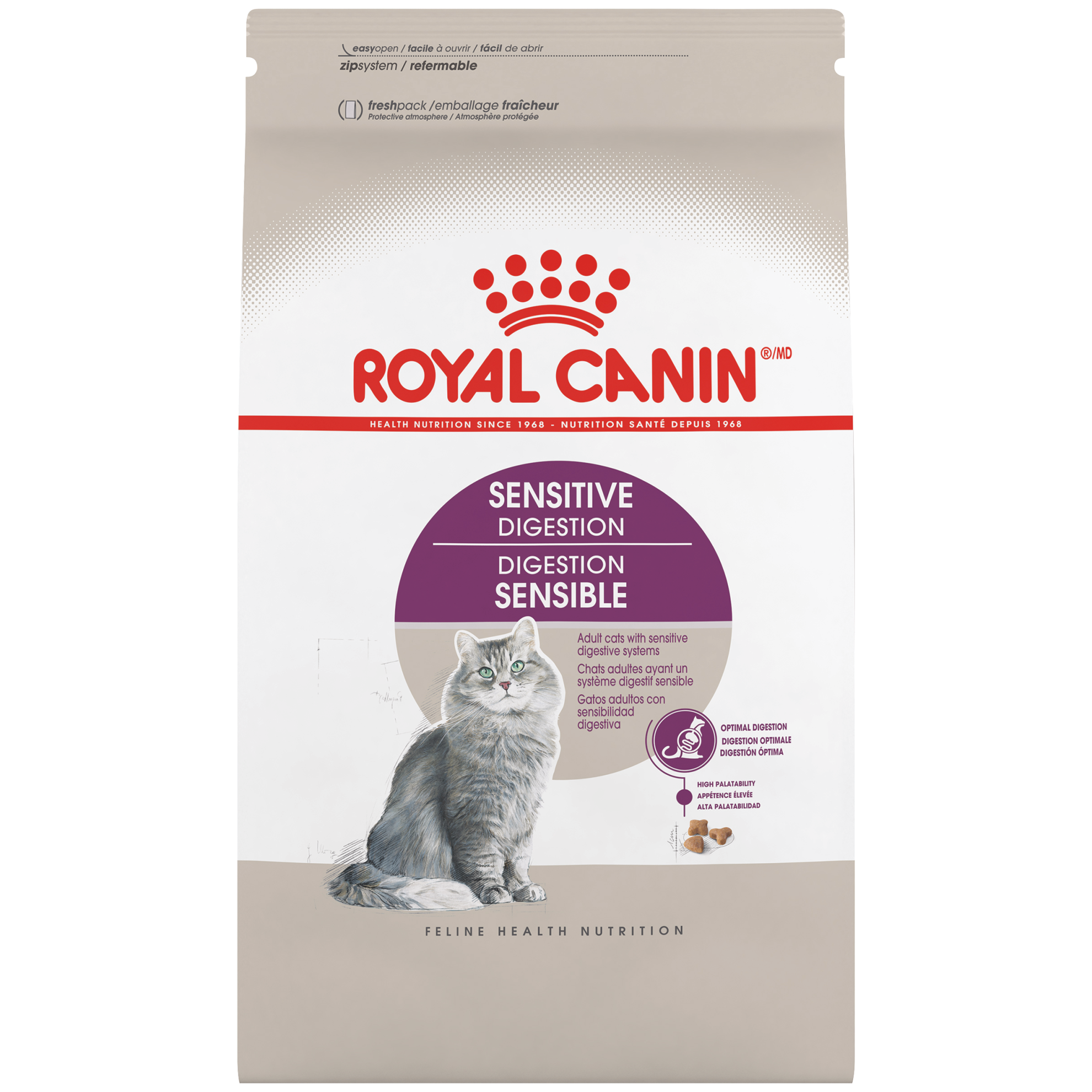
If your cats dinner is turning into a mess of upchuck and youre wondering if kibble could be the cure, youve landed in the right spot. Below youll find the vetbacked dry foods that calm a queasy tummy, the science behind why they work, and simple feeding tricks that can turn vomitfest into peacetime purrs.
Why cats vomit
First off, lets demystify the mystery. Cats can vomit for a dozen reasons, but when the culprit is a sensitive stomach, the pattern is usually repeatable: they eat, their gut protests, and the next thing you hear is a notsogentle whoosh. Common triggers include sudden diet changes, highfat meals, lowquality protein sources, and a lack of fiber that helps move food smoothly through the digestive tract.
Its also worth differentiating sensitive stomach from true food allergies. A sensitive stomach is often a functional issuethink the engines a little rough rather than the fuels contaminated. Allergies, on the other hand, involve the immune system and usually come with itching, ear infections, or skin problems. Knowing the difference helps you target the right solution.
Typical signs that the problem is truly digestive include: frequent dry heaves, small vomits after each meal, occasional hairballlike specks, and a relatively normal energy level otherwise. If you notice blood, weight loss, or lethargy, thats a red flag to call your vet right away.
Dry foods role
Dry kibble often gets a bad rap for dehydrating cats, but when formulated for a sensitive stomach, it can actually be a secret weapon. Highquality dry foods usually contain prebiotic fibers (like beet pulp or pea fiber) that feed beneficial gut bacteria, stabilizing the intestinal environment and reducing the urge to vomit.
Benefits of a wellchosen dry formula include:
- Consistent nutrient profile: Every bite delivers the same balance of protein, fat, and fiber.
- Convenient portion control: You can easily measure out multiple small meals a day, which is key for cats that need 45 minifeeds.
- Longer shelf life: Less waste, less chance of spoilage that could irritate the gut.
Risks appear when the kibble is too high in fat, contains cheap fillers, or lacks adequate moisture. In those cases, a cat may become constipated, which can exacerbate vomiting. Thats why youll see many vets recommending a bit of water or lowsodium broth added to the dry foodjust enough to boost hydration without turning it into a soggy mess.
Top vetrecommended picks
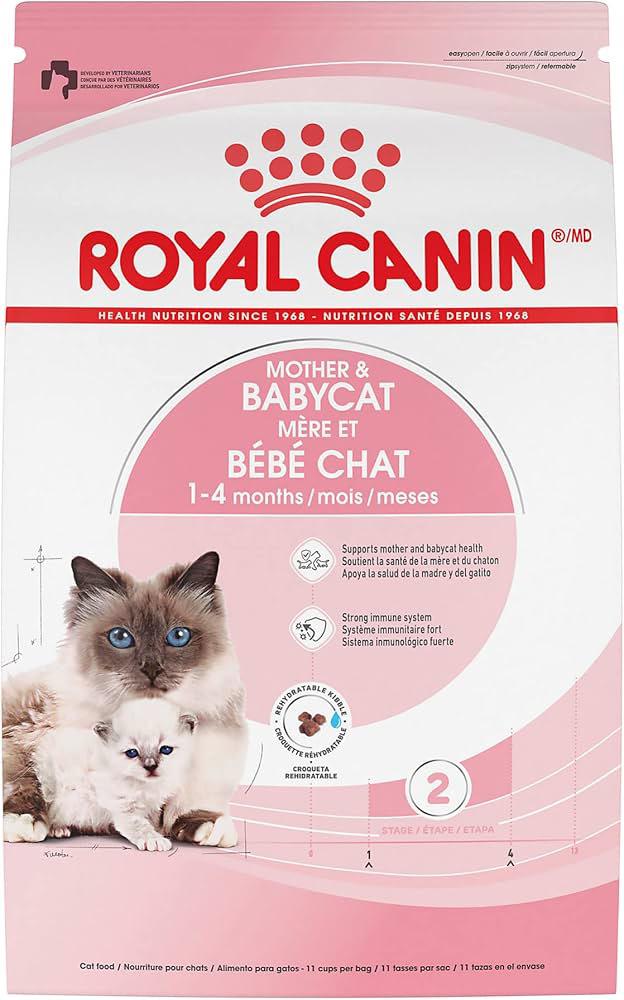
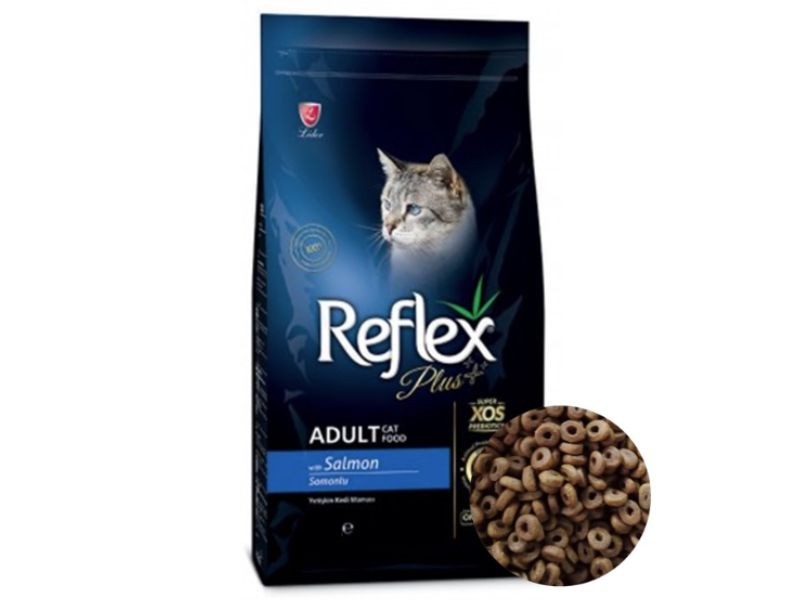
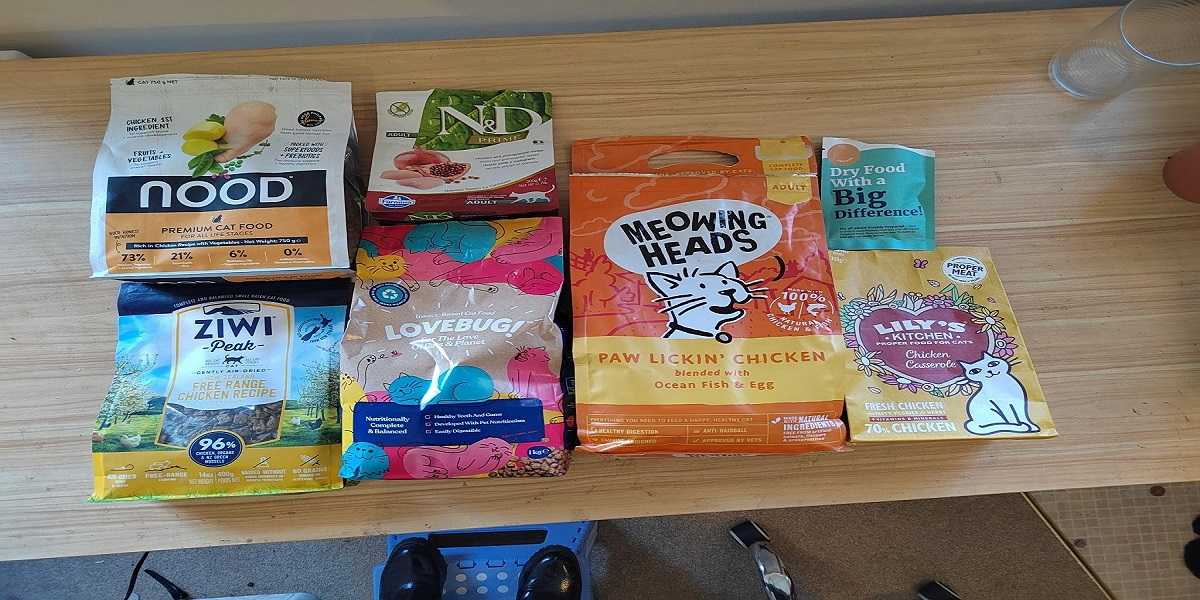
After combing through vet forums, scientific studies, and a handful of Reddit threads (yes, those realpeopletalkingabouttheircats threads can be surprisingly insightful), here are the dry foods that consistently get the thumbsup for soothing a tummy thats prone to vomiting.
| Rank | Brand & Product | Key DigestiveFriendly Features | Ideal For | Approx. Price (USD) |
|---|---|---|---|---|
| 1 | Hills Science Diet Sensitive Stomach & Skin Adult Salmon & Yellow Peas | Prebiotic fiber, highly digestible salmon protein, omega3s for gut lining | Adult cats with occasional vomiting, senior cats with delicate systems | $30$35 (15lb) |
| 2 | Purina ONE Sensitive Stomach & Skin | Limited ingredients, added probiotics, lowfat matrix | Cats sensitive to grain & dairy, firsttime diet switchers | $25$28 (16lb) |
| 3 | Orijen Six Fish (dry) | 85% fish protein, low carbs, grainfree, natural prebiotic fibers | Fishloving cats, senior cats with sensitive stomachs | $45$50 (11lb) |
| 4 | Ziwi Peak AirDried Turkey & Liver | Airdried, high protein, natural prebiotic fibers, no artificial additives | Very picky eaters, indoor cats with gut irritation | $55$60 (4lb) |
| 5 | Blue Buffalo Basics Limited Ingredient GrainFree Turkey | Simple recipe, DHA for gut health, no corn, soy, or wheat | Firsttime switchers, cats prone to mild diarrhea | $28$32 (13lb) |
These choices also double as great options for the related concerns of best dry food for cats with sensitive stomachs. Notice how each product leans on limited ingredients, a measurable fiber content (usually 58% of the formula), and a highquality protein sourceexactly what a cat with a queasy belly needs.
How do they tackle vomiting? The prebiotic fibers act like fertilizer for the good bacteria, creating a balanced microbiome that reduces excess gas and improves nutrient absorption. Meanwhile, the digestible proteins mean theres less undigested junk that could trigger the vomit reflex.
Choosing the right kibble
Now that you have a shortlist, lets talk about how to pick the perfect match for your furball. Heres a quick cheatsheet you can print out or screenshot:
- Limitedingredient or novel protein: Look for single animal protein or limited ingredient on the label. This reduces the chance of hidden irritants.
- Fiber content: Aim for 58% fiber. Too little and the gut can become sluggish; too much and you risk loose stools.
- Avoid artificial additives: No byproduct meal, no artificial colors, and steer clear of highfat fillers like chicken fat globules.
- Check the guaranteed analysis: Protein should be in the 3035% range, fat no higher than 1214% for a sensitive stomach.
- Read the fine print: Marketing terms like grainfree arent always a health guarantee. A grainfree formula can still contain cheap starches that irritate the gut.
If youre also worried about diarrhea as a side effect, you might want to browse the Best cat food for sensitive stomach diarrhea guide for complementary wet or semimoist options. Pairing a dry kibble with a small portion of a gentle wet food can add moisture and further calm the digestive tract.
Feeding strategies that help
Even the best kibble can fall flat if you serve it the wrong way. Here are the feeding habits that most cat parents overlook:
Portion size & frequency
Instead of two big meals, try four to five minimeals spread over the day. Smaller portions mean the stomach isnt overloaded, which dramatically cuts down on the fullstomachvomit reflex.
Gradual transition plan
When swapping to a new formula, use a 7day rotation: Day12 mix 25% new kibble with 75% old, Day34 go 50/50, Day56 75% new, Day7 fully new. This slow shift lets the gut microbes adapt without a sudden shock.
Moistening the kibble
Add a splash of warm (not hot) water or lowsodium chicken brothjust enough to coat the pieces. It boosts hydration, softens the texture, and can make the aroma more enticing, which encourages slower, calmer eating.
Monitor the aftermath
Keep a simple log: note the time of each meal, any vomit episodes, and stool consistency. Over a week, patterns emerge, and youll know whether youve hit the sweet spot or need to tweak the formula or feeding schedule.
When to see a vet
Even with perfect food and flawless feeding habits, some cats need medical attention. Seek professional help if you notice any of the following:
- Blood in vomit or stool.
- Weight loss despite regular feeding.
- Lethargy, fever, or a noticeably dull coat.
- Vomiting after every single meal (more than three times a day).
A vet will likely run a basic blood panel, maybe an ultrasound, and could prescribe a therapeutic diet (like Hills Prescription i/d) if the condition is more severe. Remember, overthecounter kibble is a great first line, but its not a substitute for a proper diagnosis when the symptoms persist.
Quick comparison
| Feature | Dry (kibble) | Wet (canned) | Homemade (vetapproved) |
|---|---|---|---|
| Moisture % | 1012% | 7080% | Variable |
| Convenience | |||
| Fiber control | |||
| Cost per serving | |||
| Vet endorsement |
For most cat owners dealing with vomiting, dry kibble strikes the best balance of consistency, fiber, and ease of use. Pair it with a bit of wet food at lunch, and youve got a hybrid plan that covers both moisture and digestive support.
Wrapup and next steps
To recap, the secret to stopping those postmeal upchucks is threefold: choose a highquality dry formula rich in prebiotic fiber, feed in smaller, more frequent meals, and transition slowly while keeping an eye on your cats response. The top picksHills Science Diet Sensitive Stomach, Purina ONE Sensitive Stomach, Orijen Six Fish, Ziwi Peak AirDried, and BlueBuffalo Basicscover a range of budgets and taste preferences, so you can find a match that both you and your feline will love.
If vomiting persists despite trying these strategies, its time to schedule a vet visit. A professional can rule out underlying conditions and may suggest a therapeutic diet or medication.
Whats been your experience with sensitivestomach cat food? Have you tried any of the brands above, or maybe discovered a hidden gem on a pet forum? Drop a comment, share your story, and lets help each other keep our whiskered friends happy and healthy.
FAQs
How often should I feed my cat to prevent vomiting?
Offer 4–5 small meals spread evenly throughout the day instead of 1–2 large meals. Smaller portions reduce stomach stretch and lessen the chance of a vomit reflex.
Can I add water to dry kibble for a cat with a sensitive stomach?
Yes—mix a splash of warm water or low‑sodium chicken broth just enough to coat the kibble. This adds moisture without turning it soggy and can ease digestion.
What’s the difference between a sensitive stomach and a food allergy in cats?
A sensitive stomach is a functional irritation that causes vomiting or mild diarrhea, whereas a food allergy triggers the immune system and is often accompanied by itching, ear infections, or skin lesions.
Are grain‑free dry foods better for cats that vomit?
Grain‑free formulas aren’t automatically superior; the key is limited ingredients, quality protein, and adequate prebiotic fiber. Some grain‑free kibbles still contain cheap starches that can irritate the gut.
When should I consult a vet about my cat’s vomiting?
Seek veterinary care if you notice blood in vomit or stool, weight loss, lethargy, fever, or if vomiting occurs after every meal (more than three times a day). These signs may indicate a deeper health issue.