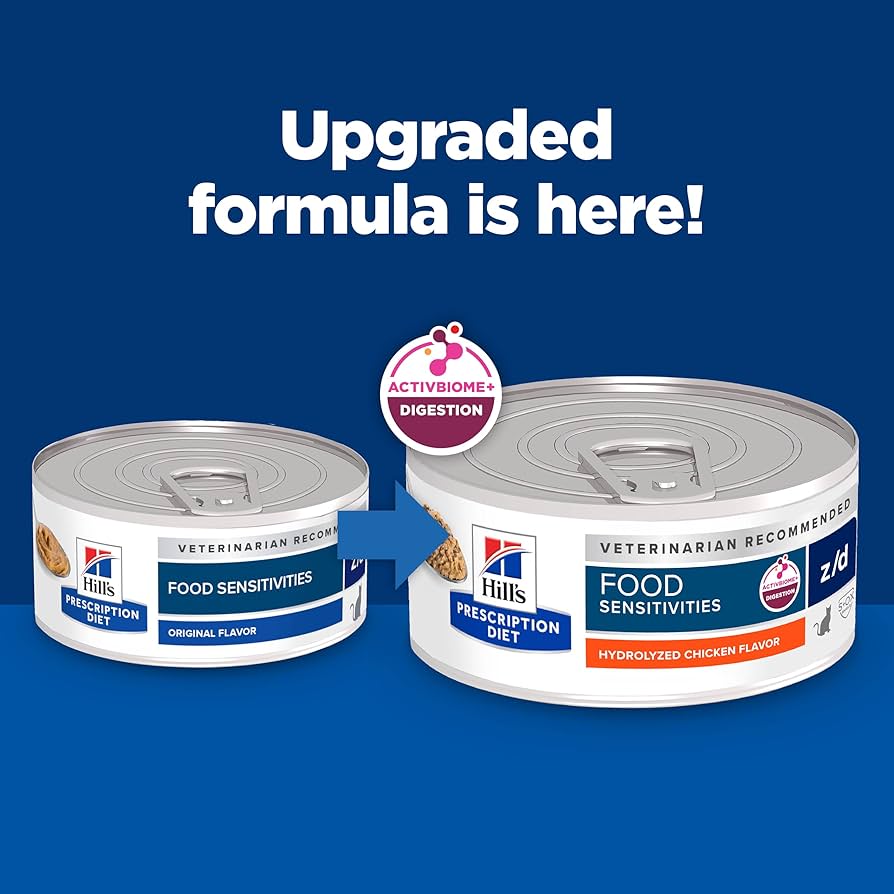
Got a kitty thats constantly scratching, shedding, or having tummy troubles? Youre probably wondering if a special diet could calm the chaos. Hillsz/d cat food is a prescription diet that uses hydrolyzed proteins to make allergens invisible to your cats immune system. In short, it can ease itching, reduce digestive upsets, and give you a breather from endless vet visits.
But before you rush to the store (or click add to cart), lets walk through what makes this food tick, the pros and cons of dry vs. wet, realworld experiences from other cat parents, possible side effects, alternatives, and where to snag it near you. Grab a cup of tea, snuggle your whiskered companion, and lets dive in together.
Why Its Different
What Are Hydrolyzed Proteins?
Think of proteins as a string of pearls. In a regular cat food, those pearls are big enough for the immune system to recognize and sometimes overreact to. Hydrolyzed proteins are like those pearls broken into tiny beadsso tiny the immune system cant spot them as a threat. The result? A diet thats less likely to trigger foodrelated allergies.
How It Works
The process shreds chicken, beef, or other animal proteins into short chains of amino acids. Because the chain is so short, the cat's immune cells dont see it as an allergen. Multiple vetapproved studies (including those cited on Hills official site) show reduced scratching and fewer gastrointestinal flareups in cats switched to a hydrolyzed diet.
Key Ingredients That Make z/d Work
| Ingredient | Purpose |
|---|---|
| Highly hydrolyzed chicken liver | Primary protein source, broken down to reduce allergenicity |
| Rice | Digestible carbohydrate, easy on the stomach |
| Corn starch | Energy source, helps bind kibble |
| Vitamins & minerals | Complete nutrition for adult cats |
Comparison: Hillsz/d vs. Typical Dry Food
Typical dry foods often contain multiple animal proteins that can trigger allergies. Hillsz/d strips that down to a single, hydrolyzed protein, eliminating most known allergens.
Targeting Skin vs. Gastrointestinal Symptoms
Veterinary nutritionists explain that skin reactions (itchy paws, bald spots) and GI issues (soft stools, vomiting) often share the same root causefoodborne allergens. By removing the trigger, the diet can calm both fronts at once.
Dry vs Wet
Dry Food Overview
Dry kibble is convenient, easy to store, and can be left out for freefeeding. Some cat owners even notice a slight dental benefit because the kibbles texture can help scrape plaque away.
Potential Drawbacks
The downside? Lower moisture content, which isnt ideal for cats that dont drink much water. Also, a few picky eaters find the texture less aromatic than wet food.
Wet Food Overview
Wet formulas pack about 80% moisturegreat for urinary health and for cats that need extra hydration. The scent is stronger, often making it more enticing for finicky felines.
Potential Drawbacks
Wet food is pricier per serving and has a shorter shelf life once opened. If you have multiple cats, you might need more cans than bags, which can add up.
When to Choose Dry, Wet, or Both
Heres a quick decisionmaking flowchart you can keep on your fridge:
- If your cat drinks very little water wet is a good bet.
- If your cat is a picky eater and turns his nose up at dry kibble try wet first.
- If you need to feed while youre at work or travel often dry offers convenience.
- Mixandmatch: many owners feed dry for daytime and wet as a treat at dinner.
RealWorld Anecdote
My friend Maya swapped her senior tabby from dryz/d to the wet version and noticed her coat shine up within a week. It was like she finally got the water she needed, she told me, laughing.
RealWorld Feedback
What Pet Owners Are Saying
On major retailer sites (Amazon, Chewy, PetSmart), Hillsz/d often earns fourstar ratings. Common praises include dramatic reduction in scratching and easy transition. Typical complaints revolve around the price and occasional soft stools during the first few days.
Reddit & Forum Insights
Scrolling through r/catfood, I saw threads where owners shared beforeandafter photos: bald patches filling back in, fur regaining its glossy luster. One user noted, My cat still had a bit of tummy upset for a week, but the itchiness vanished completely.
How to Interpret Mixed Reviews
Remember, every cats allergy severity differs. Some may need a longer transition period, while others react instantly. Also, many reviewers were already on other prescription diets, making direct comparisons tricky.
Potential Side Effects
Common Mild Issues
During the first 35 days, you might see softer stools or a slight dip in appetite. This is normal as the gut adjusts to a new protein source.
Red Flags When to Stop
- Persistent vomiting or diarrhea beyond a week.
- Continuing heavy scratching or new skin lesions.
- Noticeable weight loss or lethargy.
If any of these appear, contact your vet promptly. A quick check can rule out other underlying problems.
How to Safely Transition Your Cat
Heres a simple 7day schedule to make the switch smooth:
- Day 12: 25% new food + 75% old food.
- Day 34: 50% new + 50% old.
- Day 56: 75% new + 25% old.
- Day 7: 100% new food.
Progress Checklist
- Skin: Less redness, fewer bite marks.
- Stool: Consistency moving toward normal firm.
- Appetite: Eating the new food without hesitation.
Alternative Options
Other Prescription Hypoallergenic Brands
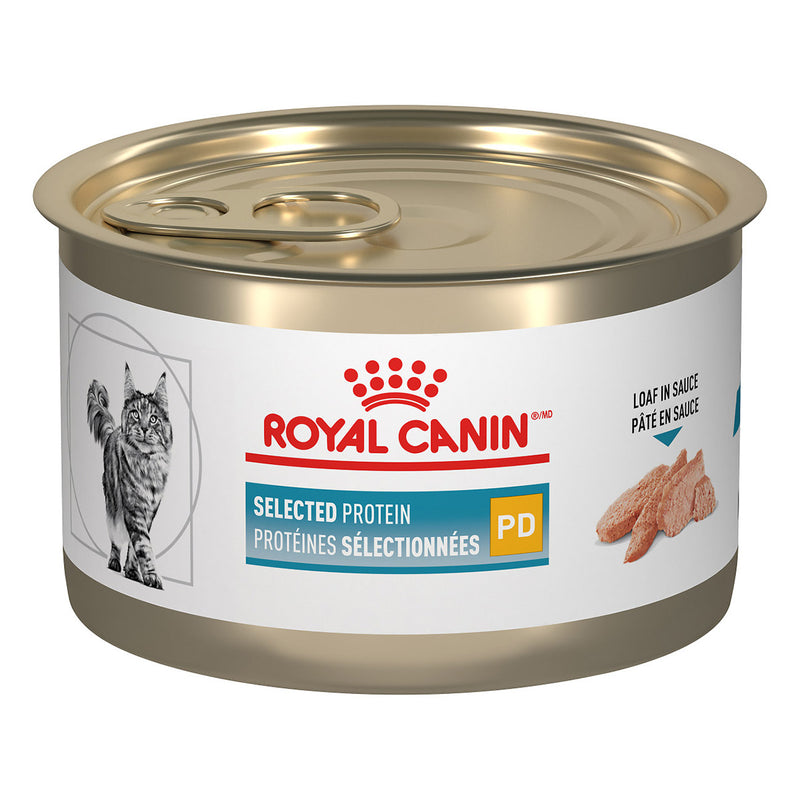
If Hillsz/d isnt a perfect fit (maybe cost or availability), consider RoyalCaninHypoallergenic or blue buffalo hypoallergenic cat food. Both use hydrolyzed proteins and have solid veterinary backing.
NonPrescription LimitedIngredient Choices
Brands like Blue buffalo cat food offer limitedingredient formulas that avoid common allergens (e.g., grainfree, singleprotein). While theyre not hydrolyzed, they can be a budgetfriendly trial before moving to a prescription diet.
When to Consider a Switch
Switching might make sense if:
- Your vet suggests a different protein source.
- The price of Hillsz/d stretches your budget.
- You discover your cat prefers a specific flavor or texture.
Always discuss any change with your veterinarian to ensure nutritional completeness.
Where to Buy
Finding a Local Retailer
Search Hills zd cat food near me plus your zip code, and include prescription diet to filter results. Many independent pet stores carry it, but theyll ask for a vets prescription before you can purchase.
Trusted Online Sources
Reliable ecommerce sites like Chewy, 1800PetMeds, and Amazon list Hillsz/d. Make sure the listing clearly states that a prescription is requiredotherwise you might end up with a nonprescription lookalike.
Pricing & Subscription Savings
Typical price ranges:
- Dry kibble (3lb bag): $35$45.
- Wet cans (12oz, pack of 12): $40$55.
Most online retailers offer autoship discounts (up to 15%). If youre planning a longterm regimen, the savings add up quickly.
Personal Experience
One cat mom shared that signing up for a subscription on Chewy saved her $20 a month and ensured she never ran out during a critical transition period.
Conclusion
Hillsz/d cat food is a scientifically designed solution for cats battling foodrelated skin or digestive issues. Its not a magic bullet for every feline, but for many it offers a clear path to calmer paws and a happier belly. The key is to work closely with your veterinarian, transition gradually, and monitor your cats response. Whether you opt for dry, wet, or a mix, youll be giving your furry friend a chance to thrive without constant itching or upset stomachs.
If youve tried Hillsz/d or another hypoallergenic brand, share your story in the comments below. Your experience might be the next cat parents lifeline!
FAQs
How does Hills zd cat food help with cat allergies?
It uses hydrolyzed proteins that are broken into tiny fragments, making them invisible to the immune system and reducing allergic skin and gastrointestinal reactions.
Can I feed my cat both dry and wet Hills zd formulas?
Yes. Many owners mix dry kibble for daytime convenience with wet cans for extra moisture, as long as the total daily portion meets your cat’s nutritional needs.
What is the recommended transition schedule for switching to Hills zd?
Gradually replace the old food: 25% new/75% old for 2–3 days, then 50/50, then 75/25, and finally 100% Hills zd over about a week, monitoring stool and skin condition.
Are there any common side effects when starting Hills zd cat food?
Mild soft stools or a slight dip in appetite may occur during the first 3–5 days as the gut adjusts. Persistent vomiting, diarrhea, or weight loss should prompt a vet call.
Where can I purchase Hills zd cat food with a prescription?
It’s available at most veterinary clinics, pet specialty stores, and reputable online retailers such as Chewy, 1800PetMeds, and Amazon (prescription required).