Quick answer: the easiest way to help a constipated kitty feel better is to pick a highfiber, moisturerich cat food that doesnt require a vet prescription. Think premium wet cans or a fiberboosted dry formula, and youll see softer stools in just a few days.
Why it matters: constipation can turn a playful cat into a grumpy, uncomfortable one. It can lead to urinary problems, painful blockages, and even lifethreatening emergencies. The right food can be a simple, everyday preventative toolno pills, no hassle, just a bowl of the right blend.
Understanding Cat Constipation
What Causes Constipation?
Most cats suffer from constipation because they dont drink enough water, eat lowfiber meals, or swallow too many hairballs. Other culprits include a sedentary lifestyle, aging, and medical issues like kidney disease or thyroid problems. All of these factors can slow down the guts natural rhythm.
Key Signs to Spot
If your feline friend is straining on the litter box, producing tiny hard pellets, or seems less interested in food, it could be a red flag. Other telltale signs include a swollen abdomen, loss of appetite, and occasional vomiting. You dont need a PhD to notice thesejust a caring eye.
Quick Visual Checklist
- Frequent straining in the litter box
- Small, pebblelike stools
- Reduced water intake
- Less playful, more lethargic
- Hairball buildup
Food Matters Most
Moisture vs. Dryness
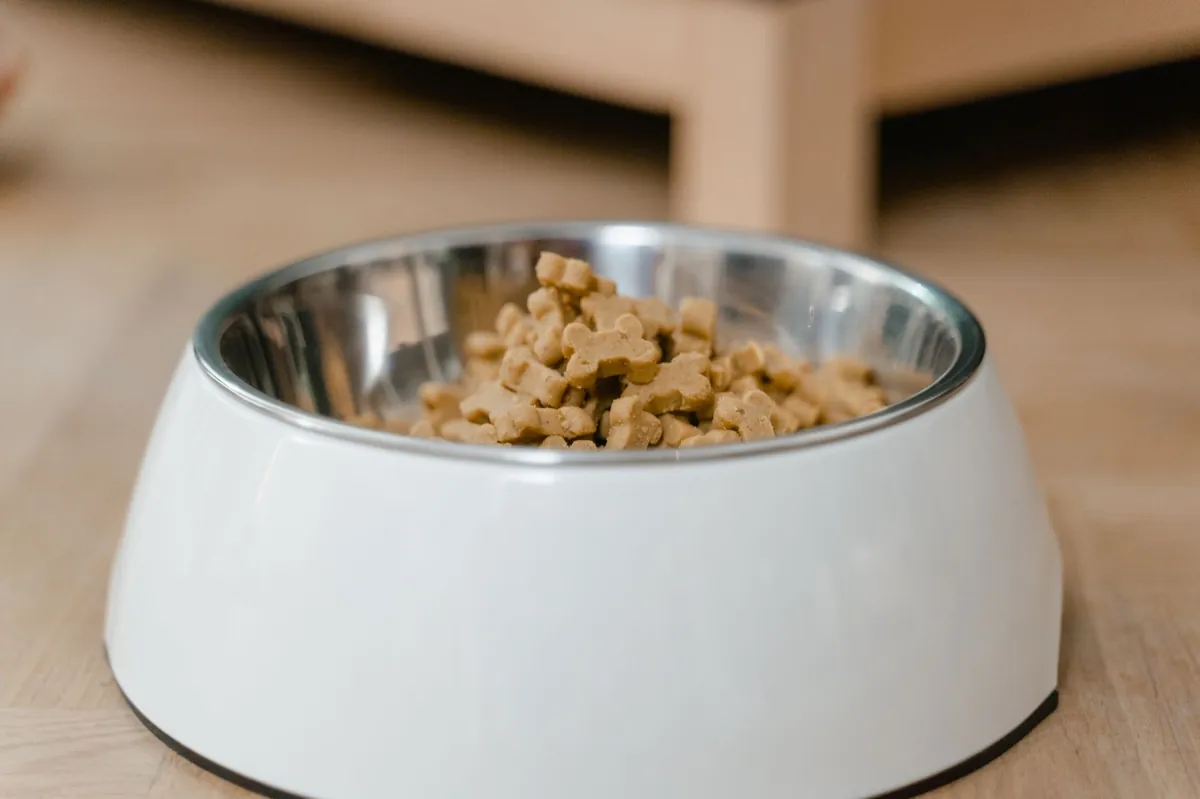
Wet foods usually contain 7080% water, which helps soften stool right from the bowl. Dry kibble, on the other hand, can be dryingunless you soak it or pair it with extra water. Adding a little broth or canned water can turn a dry meal into a hydration boost.
Fiber Types & Their Effects
There are two main kinds of fiber. Soluble fiber (like pumpkin or psyllium) forms a gel that adds bulk and retains water, making stools easier to pass. Insoluble fiber (like beet pulp or cellulose) adds roughage that sweeps the intestines clean. A balanced mix of both is ideal for a gentle, regular gut.
Fiber Source Comparison
| Source | Type | Typical % in Food | Benefits |
|---|---|---|---|
| Pumpkin Puree | Soluble | 35% | Moistens stool, easy on digestion |
| Psyllium Husk | Soluble | 12% | Creates gel, promotes regularity |
| Beet Pulp | Insoluble | 46% | Adds bulk, stimulates peristalsis |
| Cellulose | Insoluble | 24% | Roughage, helps waste move |
Top Non Prescription Picks
Best Wet Food for Constipated Cat
Wet meals are the easiest way to boost moisture. A few standout options:
- Royal Canin Digestive Care Thin Slices in Gravy packed with insoluble fiber and 78% water.
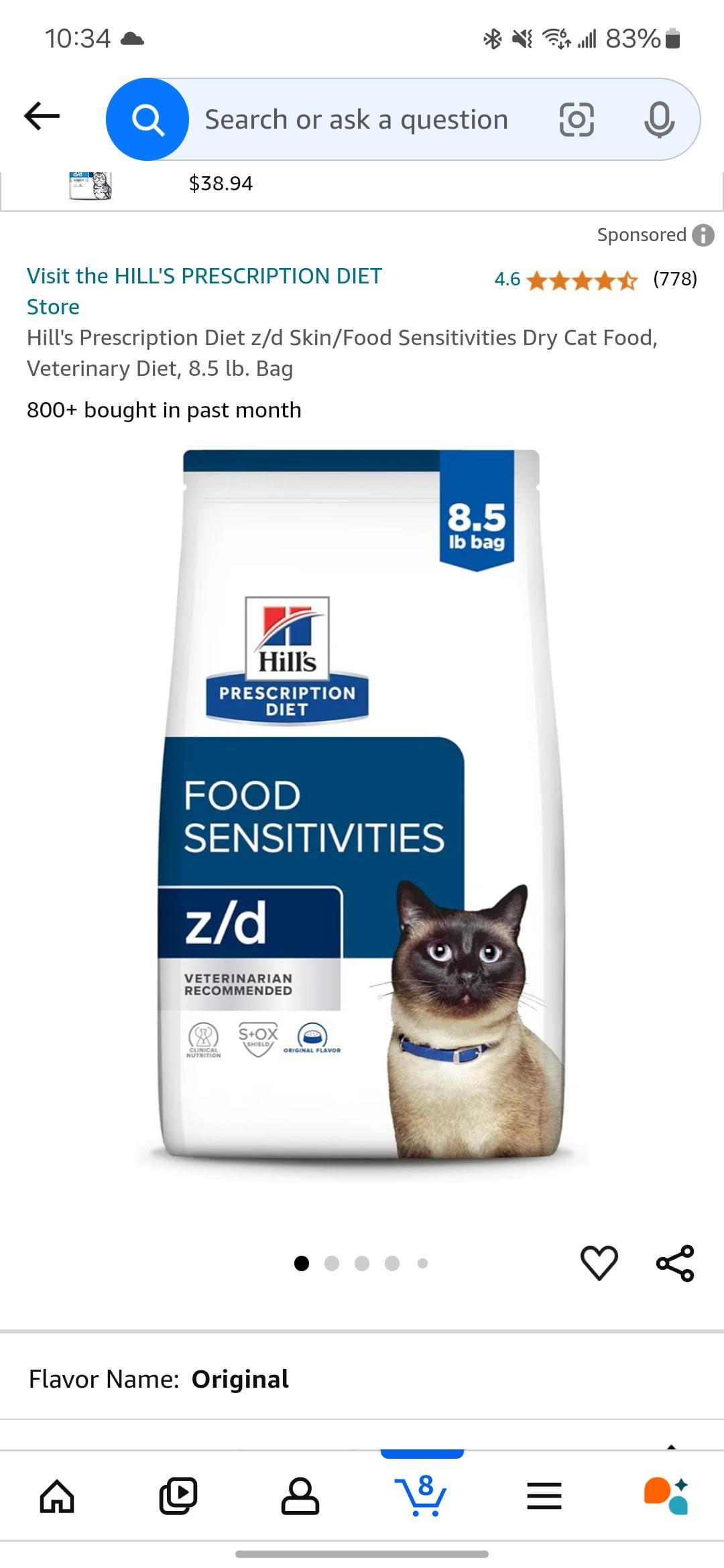
- Hills Science Diet Sensitive Stomach & Skin (Salmon & Yellow Peas) includes prebiotic fibers that keep the gut happy.
- Smalls Fresh Ground Bird meatcentric, >80% moisture, no fillers.
For a deeper dive, check out our guide on the Best wet food for constipated cat.
Wet Food Comparison
| Brand | Moisture % | Fiber (g/100kcal) | Price (per can) | Pros | Cons |
|---|---|---|---|---|---|
| Royal Canin Digestive Care | 78 | 1.2 | $1.10 | Targeted fiber blend, easy on stomach | Limited flavors |
| Hills Science Diet Sensitive | 79 | 1.0 | $1.25 | Prebiotic fibers, high protein | Higher price |
| Smalls Fresh Ground Bird | 81 | 0.8 | $1.40 | Super fresh, minimal processing | Availability varies |
Best Dry Food to Prevent Constipation
If your cat prefers kibble, choose a formula that adds fiber without sacrificing nutrition.
- Best dry food for cats with constipation often includes whole oats, barley, and beet pulp.
- Hills Science Diet Perfect Digestion (Senior Adult 7+) offers a balanced mix of soluble and insoluble fibers.
- Nutro Wholesome Essentials Indoor Adult adds natural fiber from peas and chicory root.
Homemade Cat Food for Constipation
Cooking at home gives you total control over ingredients. A simple, vetapproved recipe looks like this:
- 100g cooked, shredded chicken (no skin, no bones)
- 1Tbsp plain pumpkin puree
- tsp psyllium husk (gradually introduced)
- Optional: a dash of calcium powder for bone health
Mix everything thoroughly, serve slightly warm, and refrigerate leftovers for up to two days. For more ideas, see our article on Homemade cat food for constipation.
Choosing the Right Food
Assess Your Cats Lifestyle
Ask yourself: Is your cat an indoor couchpotato or an adventurous explorer? Senior cats often need softer textures, while active kittens can handle a bit more crunch.
Read the Ingredient List
Look for real animal protein at the top, followed by fiber sources like pumpkin, beet pulp, or chicory root. Avoid excessive fillers such as corn gluten meal or artificial preservatives.
Cost vs. Benefit
Higherpriced foods can save you money in the long run by preventing vet visits, litter box accidents, and costly medications. Think of it as an investment in your cats comfort.
DecisionMaking Flowchart (suggested visual for the full article)
- Is your cat mostly indoor? Choose wet or highmoisture dry.
- Does your cat have hairball issues? Add pumpkin or psyllium.
- Budget tight? Mix regular dry kibble with a spoonful of canned pumpkin daily.
- Still struggling? Consult a vet for possible underlying disease.
Boost Digestion Naturally
Food is just one piece of the puzzle. Here are some extra tricks that work like magic:
- Hydration stations: A cat water fountain encourages sipping. You can also add a splash of lowsodium chicken broth to the water bowl.
- Regular grooming: Brushing reduces hairball formation, which in turn eases bowel movements.
- Playtime: A 10minute feather wand session each day gets the intestines moving.
- Routine vet checks: Early detection of thyroid or kidney issues can prevent chronic constipation.
Safe Food Transition
Never switch your cats diet overnightits like moving houses without packing! A gradual transition over 710days minimizes stomach upset and lets you monitor stool changes.
Sample Transition Schedule
| Day | Mix Ratio (Old : New) |
|---|---|
| 13 | 80% old, 20% new |
| 46 | 50% old, 50% new |
| 710 | 20% old, 80% new |
| 11+ | 100% new |
During this period, keep an eye on the litter box. Softer, more formed stools mean youre on the right track. If you notice any regressionhard pellets, continued straining, or loss of appetitepause the switch and consult a vet.
Conclusion
Choosing the best non prescription cat food for constipation is all about balancing moisture, fiber, and quality protein while keeping an eye on your cats personality and health needs. Wet foods like Royal Canin Digestive Care or homemade pumpkin meals can instantly add the moisture your kitty craves. If you prefer kibble, opt for highfiber formulascheck out the best dry food for cats with constipation for vetted choices. Pair the right diet with extra water, regular play, and gentle grooming, and youll likely see softer stools within a week.
Give one of these recommendations a try, track your cats bathroom habits, and let us know how it goes. Have questions or a success story? Drop a comment below or share your experience with fellow cat loverstogether we can keep every whiskered friend comfortable and happy.
FAQs
What makes a cat food “non prescription” for constipation?
Non‑prescription cat foods are formulated with added fiber and higher moisture levels to aid bowel movements, but they don’t require a veterinary prescription.
Can wet food alone solve my cat’s constipation?
Wet food greatly increases moisture intake, which helps soften stools, but pairing it with a fiber source (pumpkin, beet pulp, etc.) gives the best results.
How much fiber should a constipated cat’s diet contain?
Aim for at least 1–2 % fiber on a dry‑matter basis (about 3–5 g of fiber per 100 kcal). Look for ingredients like pumpkin, psyllium, beet pulp, or chicory root.
Is it safe to add pumpkin puree to my cat’s regular meals?
Yes—plain, unsweetened pumpkin puree is a gentle soluble fiber that can be mixed into any wet or dry food. Start with 1 tsp per 5 lb of body weight.
How long should I wait to see improvement after switching foods?
Most cats show softer stools within 2–4 days. If there’s no change after a week, or if symptoms worsen, consult your veterinarian.