


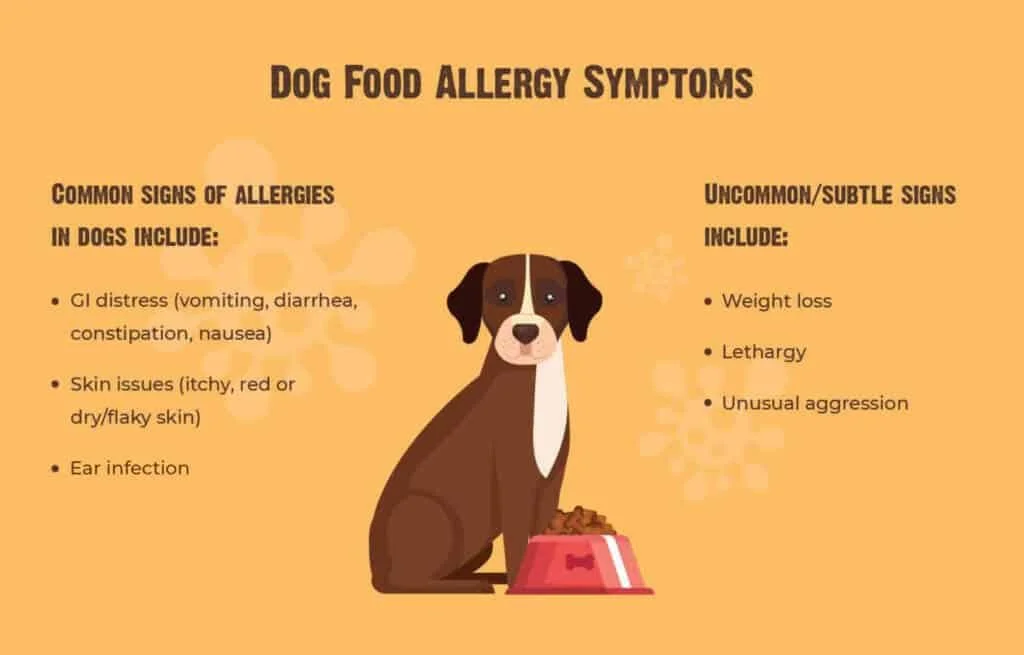
Got a pup who's constantly scratching, licking, or showing red patches? The answer might be hiding in the bowl. Dog food allergies symptoms skin problems can look just like a rash, a bug bite, or a dryskin flareup, but the cause is often whats on the menu.
Below youll find a friendly, stepbystep guide that helps you spot the signs, figure out why they happen, and take action so your furry friend can feel comfortable againfast.
Common Skin Signs
Itchy paws and ear canals
If your dog is constantly chewing on their paws or shaking their head, think of it as a tiny SOS. Allergic reactions often start where the skin is thin, like the pads and ear flaps. The itching can be so intense that theyll scratch until the skin looks raw.
Red rashes and hot spots
Localized red patches, sometimes with a moist, weepy center, are classic hot spots. These can appear anywhereunder the neck, on the belly, or along the back. Because the skin is inflamed, it can become infected if left untreated.
Flaky, dull coats
A healthy coat should look glossy and feel soft. Allergic skin issues often cause a dull, dry coat that sheds more than usual. You might notice bald spots, especially around the tail or the chest.
Why Food Can Trigger Skin
Protein allergies are the usual suspects
Most dogs react to proteins such as beef, chicken, dairy, or eggs. When the immune system misidentifies a protein as a threat, it launches an inflammatory response that shows up on the skin.
Typical culprits
| Protein | Common Reaction |
|---|---|
| Beef | Itchy ears, red spots |
| Chicken | Hot spots, paw licking |
| Lamb | Flaky coat, ear infections |
| Dairy | Scaly skin, scratching |
| Eggs | General itchiness, hair loss |
For a deeper dive on the most common triggers, check out our article on Most common food allergies in dogs.
Nonprotein allergens
Grains, soy, and certain additives can also cause skin problems, especially in sensitive dogs. While proteins get most of the attention, its worth keeping an eye on the whole ingredient list.
Spotting the Difference: Allergy vs. Intolerance
Allergy symptoms
An allergy triggers the immune system. Youll see itchiness, redness, swelling, or even hives. The reaction can be immediate or take a few days to develop.
Intolerance symptoms
Intolerance is a digestive issue, not an immune response. Signs include gas, bloating, diarrhea, and sometimes skin redness, but the itching is usually milder.
Read more about Dog food intolerance symptoms to differentiate the two.
How to test
- Start a strict elimination diet for 812 weeks (remove all suspect proteins).
- Reintroduce one protein at a time, watching for flareups.
- Keep a daily journal of skin condition, appetite, and stool.
How Long to Heal?
Once you remove the offending ingredient, the skin usually begins to improve within a week, but full recovery can take anywhere from a few weeks to several monthsespecially if secondary infections have set in.
Our detailed timeline on Dog food allergies how long to clear up will give you a weekbyweek expectation.
Treatment Options
Elimination diet
This is the gold standard. A limitedingredient or novelprotein diet (like duck or venison) lets you pinpoint the trigger. Many owners see a dramatic reduction in itching within days.
Medications
Antihistamines, corticosteroids, or newer oclacitinib (Apoquel) can control flareups while you work on the diet. Always consult a veterinarian before starting meds.
Topical care
Soothing shampoos, oatmeal sprays, and moisturising balms help relieve discomfort and protect the skin barrier.
For a full rundown on therapeutic options, visit Dog food allergy treatment.
Homemade meals for skinsensitive dogs
If commercial hypoallergenic foods feel too pricey, consider a homemade recipe: boiled sweet potato, quinoa, and a single novel protein (such as rabbit). Ensure you add a caninespecific multivitamin to avoid deficiencies.
Best Dog Food for Allergies
Look for foods labeled limited ingredient, single protein source, or hydrolyzed protein. Brands that undergo independent testing and provide a guaranteed analysis are usually more trustworthy.
Our guide on food allergies in dogs symptoms and solutions lists vetted options, from budgetfriendly to premium, so you can choose what fits your pup and your pocket.
Key features to check
- Single, novel protein (e.g., kangaroo, venison)
- No grain fillers like corn or wheat
- Free from artificial colors, flavors, and preservatives
- Contains omega3 fatty acids (fish oil or flaxseed) for skin health
Foods to Avoid
Highrisk ingredients
Even if your dog has never reacted before, certain foods are notorious allergy triggers:
- Beef, chicken, pork, and lamb
- Dairy products (cheese, yogurt, whey)
- Eggs
- Wheat, soy, and corn
- Artificial additives (BHA, BHT, propylene glycol)
Reading labels like a pro
Ingredients are listed in descending order of quantity. If you see hydrolyzed soy protein near the top, thats a red flag for a sensitive pup. Look for limitedingredient or single source claims.
Real Stories & Practical Tips
When I first adopted Bella, a twoyearold lab, she would chew her paws obsessively and develop raw, crusty spots on her belly. After a vetguided elimination diet, we discovered she was reacting to the chicken in her kibble. Switching to a novelprotein diet with duck and adding a daily omega3 supplement cleared up the skin in three weeks. Bellas story reinforces that patience and systematic testing pay off.
Quick tips for busy owners
- Buy a small bag of a novel protein diet firstnothing wastes if its the wrong choice.
- Keep a simple spreadsheet: date, diet change, skin rating (110).
- Schedule a followup vet visit after 4 weeks to review progress.
- Reward your dog with extra playtime when they avoid scratchingpositive reinforcement works for behavior and healing.
Conclusion
Dog food allergies symptoms skin issues can feel overwhelming, but with the right observations, a methodical elimination diet, and supportive care, your pup can return to a happy, itchfree life. Remember to watch for the telltale signsitchy paws, red rashes, and a dull coatthen act quickly by consulting your vet, trying a limitedingredient diet, and using soothing topicals as needed. If youve navigated this journey before, share your tips in the comments; if youre just starting, know youre not alonetheres a whole community and plenty of resources ready to help you and your furry friend thrive.
FAQs
How can I tell if my dog's skin issues are caused by a food allergy?
Look for persistent itching, red rashes, hot spots, or a dull coat that don't improve with regular flea or skin treatments and that flare after meals.
What is the best way to perform an elimination diet for my dog?
Feed a novel or hydrolyzed protein diet with a single carbohydrate source for 8–12 weeks, then re‑introduce one old protein at a time while monitoring skin reactions.
Which ingredients are most commonly responsible for dog food allergies?
Beef, chicken, dairy, eggs, and lamb are the usual protein culprits; grains like wheat, soy, and corn, as well as some additives, can also trigger reactions.
How long does it usually take for skin to improve after removing the allergen?
Most dogs show reduced itching within a week, but full healing of rashes or hot spots can take several weeks to a few months, especially if secondary infections are present.
Are there any over‑the‑counter treatments that can help while I’m figuring out the food cause?
Gentle antihistamines, oatmeal shampoos, and omega‑3 supplements can soothe irritation, but always consult your vet before starting any medication.


