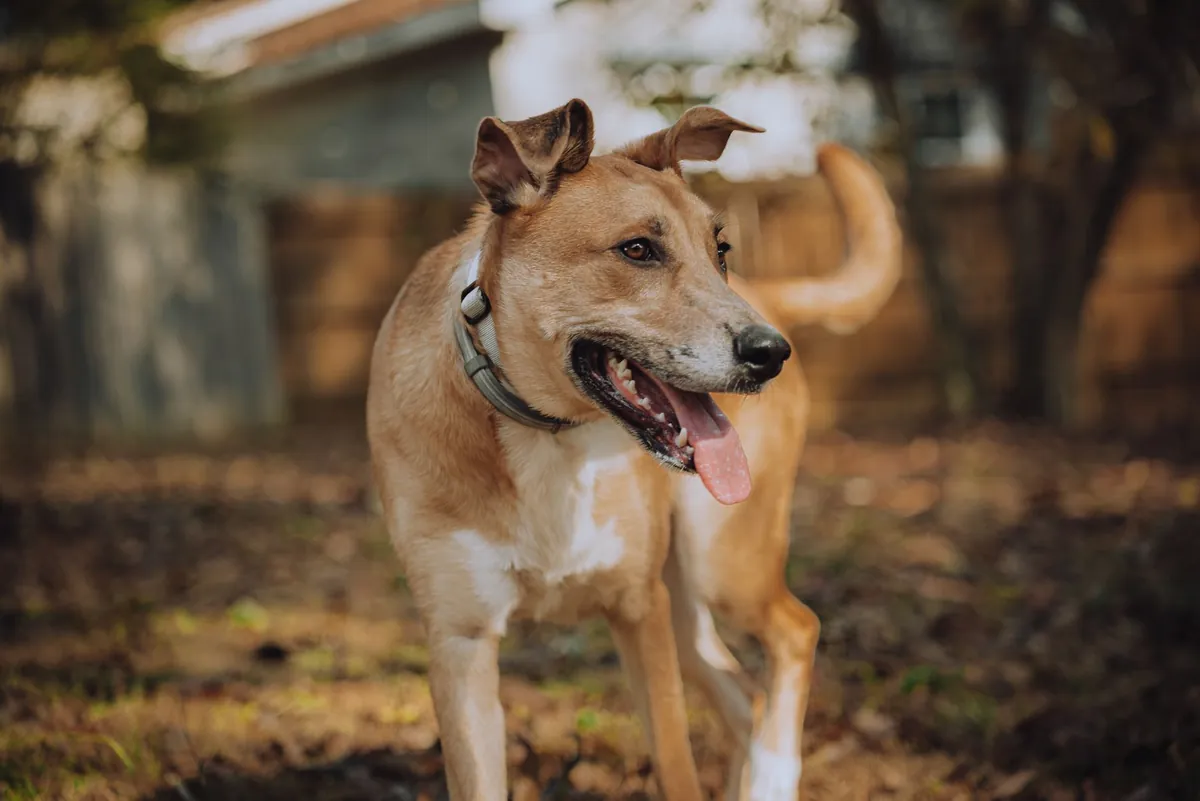
At first I thought it was nothing My buddy Max started having loose stools after we switched his kibble, and I brushed it off as a oneoff doggy tummy.
Bottom line: If you notice any of the signs below, it could be a food intolerance, not just a random upset. Knowing the dog food intolerance symptoms can save your pup from ongoing discomfort and help you act fast.
Understanding Intolerance vs Allergy
What is a food intolerance?
A food intolerance is usually a digestive mishap. Your dogs gut cant break down a certain ingredient, leading to bloating, gas, or runintheyard diarrhea. It isnt an immunesystem attack, so the reaction is generally limited to the gastrointestinal (GI) tract.
How does a true food allergy differ?
Allergies involve the immune system. When a dog is allergic, the body releases histamines that can cause itchy skin, ear infections, and even respiratory signs. Below is a quick comparison:
| Feature | Food Intolerance | Food Allergy |
|---|---|---|
| Body System | Digestive only | Immune (skin, GI, respiratory) |
| Onset | Within hours | Often delayed, 1248 hrs |
| Typical Tests | Elimination diet | Allergy blood test / skin test |
| Severity | Mildmoderate | Can be severe, anaphylaxis rare |
Why the distinction matters
Understanding whether youre dealing with an intolerance or an allergy determines the next stepswhether youll try a simple diet swap or head to the vet for a Dog food allergies how long to clear up plan.
Core Symptoms to Watch
Gastrointestinal (GI) Signs
- Soft, watery dog food intolerance poop (often with a noticeable odor)
- Frequent diarrhea or sudden changes in stool consistency
- Vomiting or regurgitation after meals
- Excessive gas, bloating, or visible discomfort when the belly is touched
Dermatological (Skin) Signs
- Itchy paws, especially after a mealthink scratchandrun behavior
- Red, inflamed patches or hives on the belly, ears, or around the neck (dog food allergies symptoms skin)
- Recurring ear infections that dont respond to usual treatment
- Hair loss or a coarse, dull coat
Behavioral & General Health Changes
- Lethargy or a noticeable dip in energy levels
- Weight loss despite eating the same amount
- Change in appetiteeither refusing food or ravenously devouring it
- Sudden increase in shedding or a rougher coat texture
Spot the Pattern
Grab a notebook (or your phone) and log the following for at least two weeks:
- Date & time of each symptom
- What was fed (brand, protein source, treats)
- Any other environmental changes (new toys, cleaning products)
- Severity (mild, moderate, severe)
Seeing a pattern can be the key to pinpointing the culprit.
Common Triggers & Risks
Top 5 culprits
- Beef often the first protein dogs are exposed to
- Dairy lactose can be tough on many adult dogs
- Wheat & gluten especially in lowquality kibble
- Chicken surprisingly common, especially in premium lines
- Soy a frequent filler that can cause issues for sensitive stomachs
Protein allergy in dogs symptoms
When a specific protein sets off an immune response, you might see a mix of skin and GI symptomsthink itchy ears plus loose stools. This dual presentation makes it easy to misinterpret the issue as just a stomach bug.
Quick reference table
| Protein Source | Typical Symptoms |
|---|---|
| Beef | Itchy paws, ear infections, loose stools |
| Chicken | Red rash, chronic diarrhea |
| Lamb | Gas, bloating, skin redness |
| Fish | Vomiting, itchy coat |
Understanding the Most common food allergies in dogs
While intolerances are more about digestion, the most common food allergies often involve the same proteins listed above. Knowing the overlap helps you choose a diet that tackles both issues.
Confirming the Intolerance
Elimination diet (goldstandard test)
Heres a nononsense, stepbystep plan you can start at home:
- Pick a novel protein your dog has never eatenthink duck, venison, or even a singleingredient hydrolyzed diet.
- Remove all other foods (treats, table scraps, flavored meds) for at least 812 weeks.
- Track symptoms daily using the log method above.
- Reintroduce foods one at a time (every 57 days) to see if any trigger a flareup.
If symptoms vanish during the elimination phase and reappear with a specific ingredient, youve got a clear answer.
Commercial dog food intolerance test
Several kits on the market claim to detect sensitivities through saliva or stool analysis. While convenient, they often lack the scientific backing of a vetguided elimination diet. Use them as a supplementnot a replacement. For more info, search dog food intolerance test and read reviews carefully.
Veterinary allergy testing vs. intolerance testing
If your dogs skin reactions are severe or you suspect a true allergy, a vet can perform blood tests (IgE) or intradermal skin tests. These pinpoint specific allergens but wont detect pure digestive intolerances. In practice, most vets recommend starting with an elimination diet before ordering expensive labs.
Case study example
When I helped a member of my dogwalking crew with a 4yearold Labrador named Bella, the first clue was a sudden rash on her belly after a premium chickenandrice formula. We logged Bellas meals, started an 8week duckbased elimination diet, andboomher skin cleared up in three weeks. The reintroduction of chicken immediately sparked a flareup, confirming a true protein allergy. Bella now thrives on a limitedingredient diet, and her owner sleeps better at night.
Managing & Treating
Dietary adjustments
Once you know the offending ingredient, the next step is a diet swap. Look for:
- Limitedingredient formulas (only 23 protein sources)
- Hydrolyzed proteins (broken down so the immune system cant recognize them)
- Grainfree options only if your dog is truly grainsensitivedont assume grainfree = hypoallergenic.
Reading the label is crucial; hidden fillers like animal digest can sneak in protein from multiple sources.
Supplements & probiotics
Gutsupporting supplements can ease intolerance symptoms:
- Probiotics: Live cultures that rebalance intestinal flora.
- Digestive enzymes: Help break down proteins and carbs.
- Omega3 fatty acids: Reduce skin inflammation if you have any lingering itchiness.
Always discuss dosage with your vet, especially if your dog is on medication.
When symptoms persist advanced treatment options
If the diet change doesnt fully resolve the issue, you might need more targeted therapy. Options include:
- Prescription hypoallergenic diets (often available from vets).
- Allergenspecific immunotherapy (allergy shots) for confirmed food allergies.
- Short courses of corticosteroids to calm severe skin flareupsuse with caution and vet supervision.
Curious about how long it takes to see improvement? Most dogs start feeling better within 24 weeks of a strict diet, but Dog food allergies how long to clear up can vary based on severity and individual metabolism.
Monitoring progress
Keep using that symptom log. Add a column for Treatment to note any meds or supplements you add. Over time youll see a clear trendwhether its steady improvement or a plateau that needs a vet revisit.
Helpful Resources & Links
For a deeper dive into related topics, check out these trusted guides:
- food allergies in dogs symptoms and solutions a comprehensive look at skin and GI signs.
- Dog food allergies how long to clear up timelines and what to expect during treatment.
- Most common food allergies in dogs a quick reference for the usual suspects.
Conclusion
Spotting dog food intolerance symptoms early can prevent months of discomfort and costly vet visits. By logging your pups reactions, trying a structured elimination diet, and leaning on trusted resources, youll empower yourself to make the right dietary choices. Remember, every dogs gut is uniquewhat works for Bella might need tweaking for your own furry friend.
Got a story about a stubborn poop pattern or an itchy paw that finally made sense? Share it in the comments below or reach out with your questions. Together we can keep our dogs happy, healthy, and thriving.
FAQs
How soon after changing food can I see dog food intolerance symptoms?
Symptoms can appear within a few hours to a couple of days after the new ingredient is eaten.
What’s the difference between a food intolerance and a food allergy in dogs?
Intolerance affects only the digestive system, while an allergy triggers the immune system and can cause skin and respiratory signs.
How long should an elimination diet be tried before judging its success?
A typical elimination phase lasts 8–12 weeks, giving the gut time to clear previous reactions.
Can probiotics help a dog with food intolerance symptoms?
Yes, probiotics can rebalance gut flora and may reduce diarrhea, gas, and overall discomfort.
When should I take my dog to the vet for suspected food intolerance?
If symptoms are severe, persistent, include weight loss, blood in stool, or significant itching, a vet visit is recommended.