Thinking about becoming a veterinarian? The personality traits needed to be a veterinarian go beyond just loving animals. Yeah, passion is super important, but theres also a blend of compassion, sharp problem-solving skills, and staying calm when things get stressful. These qualities really set great vets apart from the good ones.
If youre curious what it takes to thrive in this career, keep reading. Well cover the key traits, essential soft and technical skills, plus a peek at education, salary, and how to start building these qualities right now.
Core Personality Traits
Compassion & Empathy for Animals and Owners
Compassion tops the list when it comes to personality traits needed to be a veterinarian. Vets deal not only with animals but also with their anxious owners. Exhibiting empathy helps build trust and eases tension, which encourages owners to follow treatment plans closely. According to veterinarians at St. Matthews Veterinary Hospital, empathy scores strongly correlate with client satisfaction and better animal outcomes.
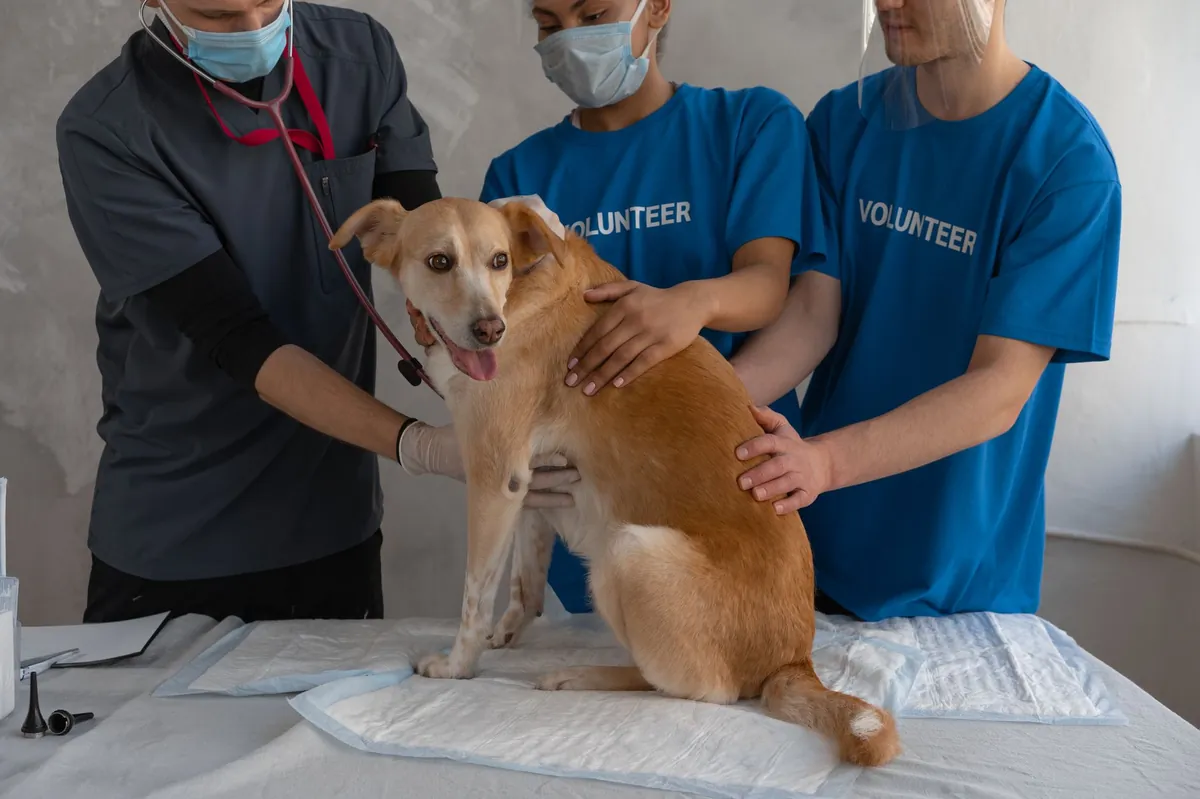
Showing genuine care improves an animals experience at the clinic. Animals pick up on calm, kind energy, which reduces their stress, making medical procedures smoother.

Calmness Under Pressure (Emotional Resilience)
Vets often face high-pressure situations, like emergencies and surgery. Remaining calm and composed during these moments is crucial. Emotional resilience lets them think clearly despite the chaos. Picture a vet managing a bustling emergency clinic, juggling critical cases while reassuring worried pet ownersthis steadiness keeps everything running effectively.
Strong Problem-Solving & Analytical Thinking
Diagnosing an illness isnt always straightforward. Vets need sharp problem-solving skills to analyze symptoms and test results and devise effective treatment plans. The U.S. Bureau of Labor Statistics highlights "critical thinking" as a top quality for veterinarians, matching up with discussions from practicing vets who say their ability to think on their feet really makes the difference in tricky cases.
How Traits Interact
| Trait | Impact on Vet Work | Daily Example |
|---|---|---|
| Compassion | Improves client communication & animal comfort | Soothing an anxious dog before vaccination |
| Calmness | Maintains focus during emergencies | Performing surgery amid distractions |
| Problem-Solving | Enables accurate diagnosis & treatment | Interpreting test results for rare diseases |
Complementary Soft Skills
Communication Skills Listening & Explaining
Good vets listen carefully and explain complex info clearly. Its not just talking pet science; its breaking down medical terms into language owners understand. This helps owners make informed decisions about their pets care.
Teamwork & Leadership in Multidisciplinary Settings
Veterinary clinics are team environments. Vets collaborate with techs, specialists, and staff. Strong teamwork abilities and sometimes leadership skills make clinics run smoothly, benefiting pets and their families.
Ethical Judgment & Professional Integrity
Vets face tough choices involving animal welfare and client expectations. Sound ethics guide their decisions, balancing compassion with science. This integrity builds trust and maintains professional standards.
Quick Checklist: 5 Qualities of a Great Vet
- Empathetic and patient
- Excellent communicator
- Adaptable in crises
- Committed to lifelong learning
- Ethically grounded
Hard & Technical Skills
Clinical Knowledge & Diagnostic Proficiency
Vets must master anatomy, diseases, pharmacology, and diagnostics. This knowledge base supports their decision-making when treating complex cases.
Manual Dexterity & Surgical Technique
Precise hand skills are required for surgeries and treatments. A vet with steady hands can perform delicate procedures that save lives.
Continuous Learning Veterinary Advances
The veterinary field evolves fast. Staying current with latest treatments and technologies is essential. Many vets take extra certifications or attend workshops to stay sharp.
Skill-Building Resources
- Veterinary Technician certification programs
- Online courses from accredited universities
- Mentorship with experienced vets

Educational Pathway & Credentials
Required Degrees & Licensing
Becoming a veterinarian requires earning a Doctor of Veterinary Medicine (DVM) degree. Post-graduation, passing state licensure exams is mandatory to practice legally.
Typical Curriculum Highlights
Students study anatomy, physiology, pharmacology, pathology, and veterinary ethics. Clinical rotations provide hands-on experience from early on.
Internships, Externships, and Volunteer Work
These opportunities offer real-world exposure and help build essential interpersonal skills. Volunteering at animal shelters is one way to gain experience.
Timeline Graphic: From High School to First Vet Job
| Stage | Duration | Key Activities |
|---|---|---|
| High School | 4 years | Science focus, volunteering with animals |
| Undergraduate Degree | 4 years | Pre-vet classes, internships |
| Veterinary School | 4 years | Classroom + clinical rotations |
| Licensing & Job Start | Varies | Pass exams, first job as vet |
Compensation Overview
Median Salary
According to the U.S. Bureau of Labor Statistics, the median annual salary for veterinarians is about $105,000 nationwide as of 2025. Of course, this varies by region and type of practice.
Factors Influencing Pay
Location, specialty, years of experience, and whether a vet works in private practice, research, or government play a big role in income.
Salary vs. Job Satisfaction
While salary is nice, many vets emphasize the fulfillment from helping animals and their people. However, high emotional demands and physical strain can challenge job satisfaction.
Salary Comparison Table: Practice vs. Research vs. Government
| Work Setting | Average Salary | Typical Workload |
|---|---|---|
| Private Practice | $95,000$120,000 | Patient care, emergencies, client interaction |
| Research | $80,000$110,000 | Lab work, clinical trials |
| Government | $90,000$115,000 | Animal health regulation, inspections |

Balancing Benefits & Risks
Benefits
Vets enjoy high fulfillment knowing they improve animal lives. Diverse cases keep the work interesting, plus a strong sense of community with fellow animal lovers.
Risks
Emotional burnout is a real concern. Managing suffering and loss takes a toll. Physical strain from long hours and sometimes awkward handling adds to challenges.
Strategies to Mitigate Burnout
Mindfulness exercises, solid support networks, and good workload management can help vets stay healthy and effective. Many adopt hobbies or sports to unwind.
Real-World Anecdote: A Vets Day-in-the-Life
Dr. Emily starts her day reviewing emergency cases, then performs a complicated dental surgery. Later, she comforts a tearful owner whose cat is recovering. Despite the emotional and physical demands, helping animals and their families keeps her motivated through long shifts.
How to Develop These Traits Now
Volunteering at Animal Shelters
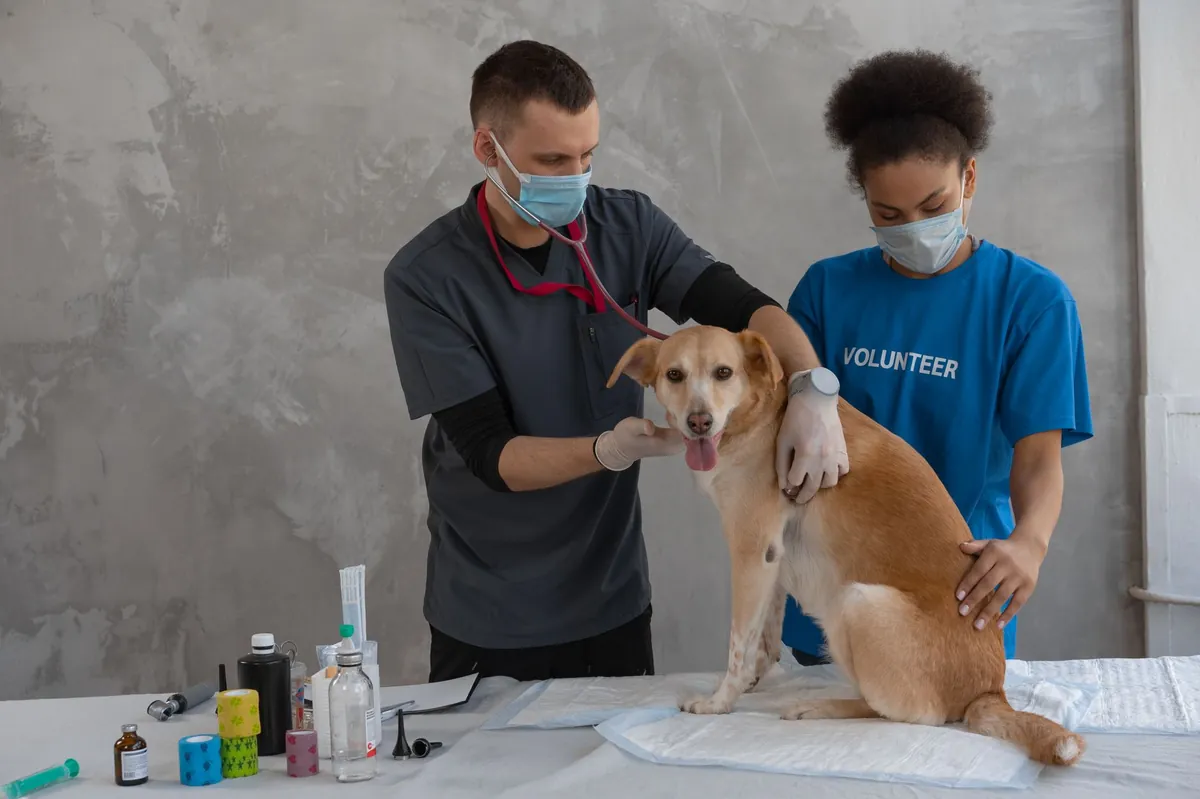
Volunteering gives hands-on experience and develops empathy and communication skills. Youll learn to read animal body language and connect with diverse owners. Local shelters often welcome extra help.
Simulation Labs & Workshops
Workshops focused on medical simulations sharpen your problem-solving and manual skills. Some universities and vet hospitals offer these to pre-vet students, helping you build confidence.
Mentorship & Peer Groups
Finding a mentor or joining pre-veterinary peer groups builds emotional resilience and ethical grounding. Sharing challenges with like-minded peers prevents isolation.
Action Plan Template
| Goal | Action Steps | Timeline |
|---|---|---|
| Boost Empathy | Volunteer 4 hours/week at shelter | Next 3 months |
| Improve Manual Skills | Attend monthly simulation labs | 6 months |
| Build Network | Join local vet student group | Within 2 months |

To be a good veterinarian, you need a mix of heart and smarts. Thats why qualities like empathy, focus, and curiosity are just as vital as scientific knowledge. Curious about how to spot a good veterinarian? Check our detailed guide on what separates the best from the rest.
And if youre also interested in well-being topics, our insights on when to euthanize a cat with ibd can help you prepare for difficult decisions in pet care.
How long does it take to see results with developing these traits?
Developing the core veterinarian personality traits is a gradual process. You can notice improvements in empathy and communication within weeks of volunteering, while skills like resilience and technical knowledge mature over years. Consistency and reflection speed up growth.
Can anyone become a veterinarian with the right traits?
While many people can develop key traits, some innate qualities like emotional resilience may be harder to acquire. It helps to self-assess early and pursue targeted experiences to build weaker areas effectively.
What role does communication play in veterinary success?
Communication is critical. Clear, compassionate interactions build client trust and ensure pets receive proper care. Vets who communicate well reduce misunderstandings and improve treatment adherence.
Are there personality traits that make someone a bad fit for vetting?
Traits like impatience, poor emotional control, or avoidance of responsibility can hinder someones success as a vet. Being self-aware and open to growth is essential to overcome these.
How important is continuous learning for veterinarians?
Vital. Veterinary medicine evolves quickly. Staying up-to-date protects animal health and ensures you provide cutting-edge care. Lifelong learning is a must-have personality trait.
Does working with different animal species require different traits?
Yes. While empathy and problem-solving are universal, working with small pets versus large animals may demand specific knowledge or physical skills. Adaptability is key.
What can help prevent burnout in this demanding profession?
Strong support networks, taking time for self-care, and setting realistic boundaries all help. Mindfulness and mentorship also build emotional resilience to face the jobs challenges.
More You Might Like
- Good veterinarian How to choose a vet that fits your pets unique needs and personality.
- Bernese mountain dog weight Guidelines to maintain optimal health in large breeds.
Becoming a vet requires a balanced mix of compassion, calm under pressure, and sharp thinkingsupported by solid education and hands-on training. Try volunteering with local animal groups or join a pre-veterinary mentor program to start sharpening these traits today. Wondering which qualities you already have? Feel free to share your thoughts or questions below!
FAQs
How long does it take to see results with Personality traits needed to be a veterinarian?
Developing core veterinarian traits takes time. Empathy and communication skills can improve within weeks of practice, while resilience and technical knowledge grow over years. Consistent effort and self-reflection speed this progress.
Can anyone become a veterinarian with the right personality traits?
Many can develop important traits, but some qualities like emotional resilience may be harder to acquire. Early self-assessment and targeted experiences help strengthen weaker areas effectively.
What role does communication play in veterinary success?
Communication is vital for building client trust and ensuring proper pet care. Clear, compassionate explanations reduce misunderstandings and encourage treatment adherence.
Are there personality traits that make someone a bad fit for vetting?
Traits such as impatience, poor emotional control, and avoiding responsibility can hinder success. Self-awareness and openness to growth are essential to overcome these challenges.
How important is continuous learning for veterinarians?
Lifelong learning is crucial as veterinary medicine evolves rapidly. Staying updated ensures vets provide the best care using the latest treatments and technologies.