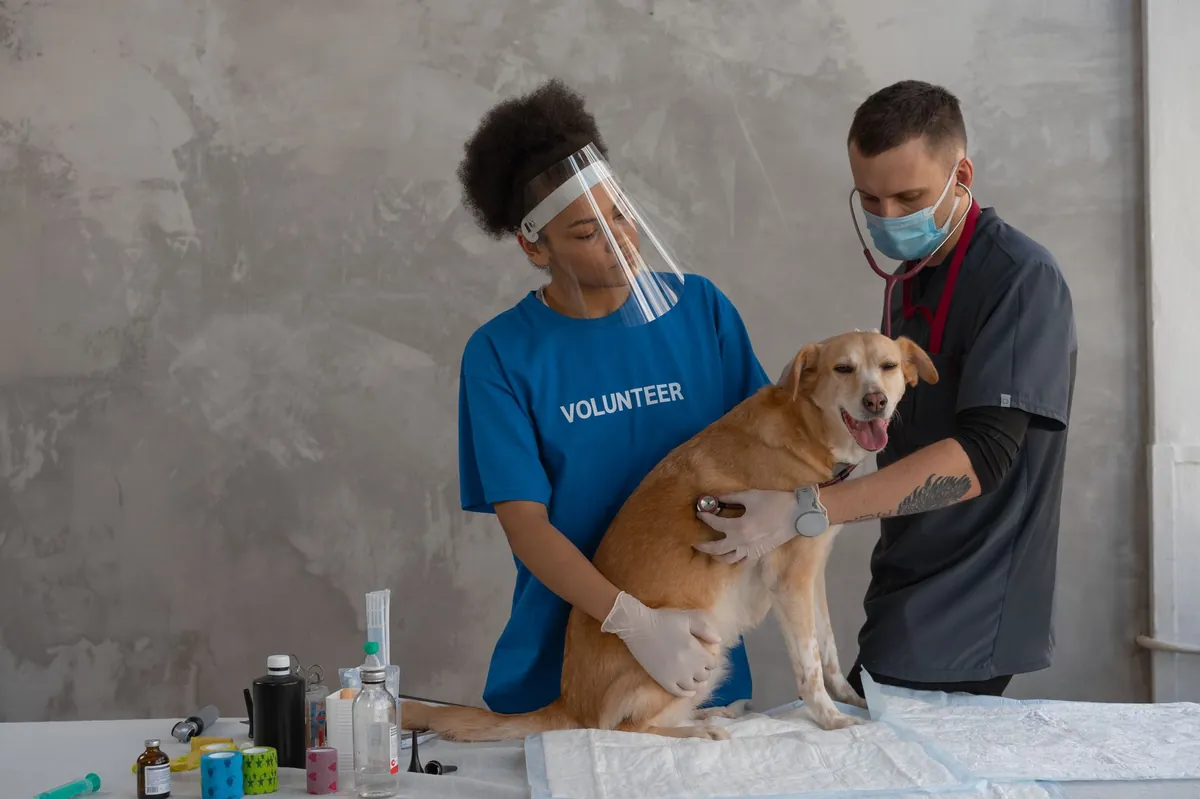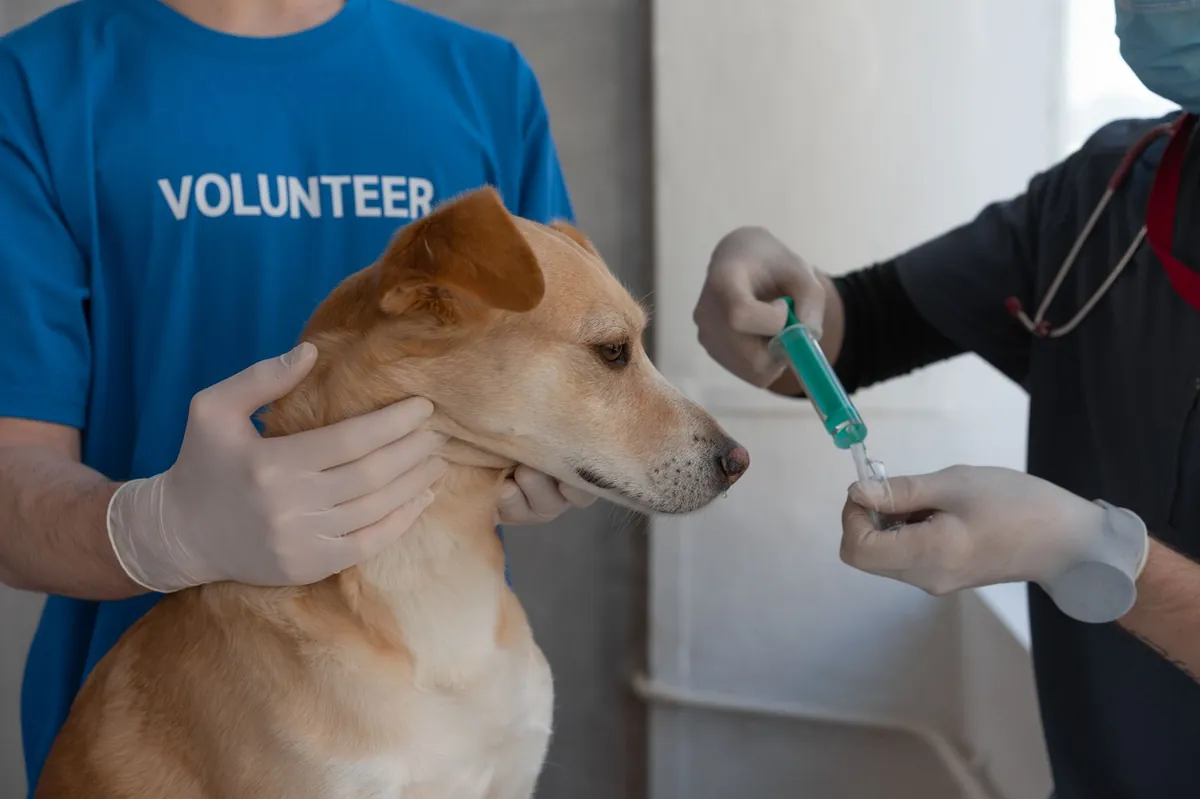
If your beloved pet suddenly faces an emergency, the vet bill can quickly become overwhelming. But emergency vet bill assistance offers real hopeprograms, grants, and clinics can help cover the cost of urgent care when finances are tight. Whether its through nonprofit funds or nearby free veterinary care, options exist to protect your pets health without breaking your budget.
Here, youll find clear advice on locating affordable emergency vet services near you, applying for assistance, and understanding what to expect. Knowing where to turn can make all the difference if a crisis strikes.
Where to Find Help
Types of Assistance Available
Understanding the options can empower you to act quickly when your furry friend needs urgent care. Three main types of assistance often help pet owners through emergencies:
- Grant-based programs: Charitable organizations like The Pet Fund and RedRover Urgent Care Grants provide grants to cover treatment costs for life-threatening conditions. These often require an application and vet documentation but can pay up to several thousand dollars.
- Sliding-scale or free clinics: Some city-run or nonprofit clinics offer emergency vet care for free or at reduced cost based on your income level. These 24-hour centers vary by location but can be lifesavers for urgent and critical cases.
- Veterinary credit lines: Low-interest pay later financing programs allow pet owners to spread the cost of emergency care. Clinics like Summit Veterinary Referral Center partner with these credit options, easing immediate financial stress.
| Program | Funding Amount | Eligibility | Application Time | Free Claim |
|---|---|---|---|---|
| The Pet Fund | Up to $2,500 | Low-income, diagnosed condition | 24 weeks | |
| RedRover Urgent Care | Up to $2,000 | Life-threatening, US resident | 12 weeks | |
| Waggle Vet-Help | Varies | Income 200% FPL | 48 hrs (if urgent) | |
| City-run 24-hr clinics | Full cost | Residents of city, proof of income | Immediate |
How to Locate Free Veterinary Care Near Me
Finding local emergency vet care for free might feel daunting, but a few straightforward steps can speed your search.
- Start by Googling emergency vet care for free near me along with your city or zip code.
- Contact local humane societies, which often maintain updated lists of low-cost or free emergency clinics. Humane World for Animals is a great resource to start with.
- Reach out to municipal animal services or shelters, like San Antonio Emergency Pet Center, known for offering 24-hour urgent pet care.
Always double-check clinic hours and confirm they provide emergency services before heading out. Many require proof of income or pet ownership, so prepare those documents in advance.
How to Apply for Assistance
Required Documents and Proof
Youll typically need the following paperwork when applying for emergency vet bill assistance:
- Recent vet diagnosis and treatment plan outlining your pets condition and prognosis.
- Proof of household income, such as pay stubs, tax returns, or participation in assistance programs like SNAP.
- Identification for yourself and vaccination records for your pet to confirm ownership.
Keeping these ready can speed up your application, especially during a stressful time.
Application Process for Top Programs
| Program | Application Portal | Key Tips |
|---|---|---|
| The Pet Fund | Online form on ThePetFund.com | Apply within 48 hours of emergency; include detailed vet invoices. |
| Waggle | Referral via partner clinics | Have your vet or clinic submit a Vet-Help request; follow up within 24 hours. |
| RedRover Urgent Care Grants | RedRover.org/relief/urgent-care-grants | Emphasize life-threatening condition; include pet photos if possible. |
Veterinary social workers recommend submitting as soon as treatment is underway since many funds require active care status rather than post-treatment applications.
Common Pitfalls to Avoid
- Waiting too long to apply: Many funds require applications during treatment. Submitting after the pet has recovered may lead to denial.
- Incomplete documentation: Missing income proof or vet records can delay or reject assistance.
- Assuming all free means all services: Some free clinics offer limited treatments; verify what they cover beforehand.
Real-World Stories
When Bella Needed Surgery
Bella, a spirited terrier mix, required urgent surgery costing $3,200. Her owner, a single parent facing financial strain, applied to The Pet Fund. Thanks to a two-day review process, 80% of the costs were covered, relieving overwhelming pressure and allowing Bella to recover comfortably.
Lessons Learned
- Apply early and provide thorough vet documentation.
- Keep clear communication with both the vet and assistance programs.
- Explore multiple options simultaneously for faster help.

Free 24-Hour Clinic Saves Max
Max, a senior tabby cat, suffered a sudden injury where swift treatment was critical. His family found a city-run 24-hour emergency pet center offering free care to residents who met income criteria. The clinic stabilized Max immediately. This quick care was a turning point in his recovery.
Expert Insight
Dr. Emily Sanders, a veterinary social worker, explains, Early financial assistance markedly improves treatment success rates because owners can access care without delay. It also reduces the emotional stress, which benefits pets and families alike.
Balancing Benefits and Risks
Benefits of Assistance Programs
- Immediate access to life-saving care prevents worse outcomes.
- Reduces financial stress, which helps owners focus on their pets recovery.
- Programs often connect owners with additional resources like counseling or follow-up care guidance.
Data Spotlight:
According to the Best Friends Animal Society, nearly 1 in 4 pet owners delay or skip emergency care due to cost fears. Assistance programs have helped many reverse this trend.
Risks and Limitations
- Funds may be limited and subject to waiting periods.
- Some clinics labeled free only provide basic services and may not handle surgeries or specialist care.
- Eligibility criteria can exclude recent pet owners or those outside income thresholds.
Verifying Legitimacy
Before committing, check each organizations nonprofit (501(c)(3)) status and read reviews when available. Trusted programs clearly outline their application process and provide transparent contact information.

How Long Does It Take to See Results with Emergency Vet Bill Assistance?
Response times vary by program. Many nonprofits aim for 48-hour decisions, though some grants take 14 weeks. City-run emergency clinics offering free care provide immediate treatment but may require eligibility verification beforehand.
Is Emergency Vet Care for Free Available in My State?
Yes, several states support at least one free or low-cost emergency vet clinic. Availability depends on your location. Larger cities often have multiple options, while rural areas may have fewer resources.
| State | Clinic Type | Free or Sliding Scale? | Notes |
|---|---|---|---|
| California | City-run emergency centers | Sliding scale | Income proof required |
| Texas | Humane Society partnerships | Free 24-hr clinics | Must be resident |
| New York | Nonprofit grants + clinics | Some free care | Application needed for grants |
How Fast Can I Get Emergency Vet Bill Assistance Near Me?
Most nonprofits strive for decisions within 48 hours, especially if a referral comes directly from your vet or clinic. City clinics can often provide immediate care upon eligibility confirmation. Planning ahead by knowing contacts can speed up your access to help.
What Documents Are Needed for Emergency Vet Bill Assistance?
You typically need your pets recent veterinary diagnosis, treatment plan, household income proof, pet vaccination records, and personal identification. Preparing these in advance saves precious minutes during emergencies.
Can I Use Veterinary Credit Lines Alongside Nonprofit Grants?
Yes, credit lines can complement grants by covering upfront costs while your assistance application is processed. Be sure to understand the repayment terms before committing.
Are Emergency Vet Bill Assistance Programs Available for All Pets?
Most programs assist dogs and cats of all ages. Some extend support to small pets like rabbits or guinea pigs, but it varies widely. Always check specific program eligibility.
Can Volunteer Vets Help With Emergency Care Costs?
Volunteer vets sometimes offer discounted or pro bono care through nonprofit clinics or during special events. These are excellent but sporadic resources. Confirm availability locally.
What Should I Avoid When Seeking Emergency Vet Bill Assistance?
Be cautious of unverified online fundraising pages or organizations lacking clear transparency. Always confirm legitimacy and ask local veterinarians for recommendations.

Pro Tips for Securing Assistance
- Act swiftly: Submit applications as soon after the emergency as possible to meet active treatment requirements.
- Maintain thorough records: Keep all vet invoices and communications organized; clear documentation helps speed review.
- Coordinate with your vet: Ask your veterinary team to provide detailed treatment plans and support letters if needed.
- Explore multiple avenues: Apply to grants, check clinics, and consider credit options simultaneously to maximize your chances.
Remember, communicating openly with your vet about financial concerns can unlock more options. Many clinics are happy to guide you toward reliable resources, like trusted veterinary assistance programs designed for situations exactly like yours.
More You Might Like
If you want to protect your pets health at routine visits, reviewing Aaha vaccine guidelines feline helps cat owners stay ahead of common diseases.
For year-round parasite protection, learn about Bravecto for dogs, a vet-approved option that guards against fleas and ticks effectively.

Emergency vet bill assistance is a valuable lifeline for pet owners facing unexpected crises. Knowing where and how to find it helps you act in your pets best interest without delay. Keep these tips close, prepare your documents, and use them confidently should the need arise. Your furry friend deserves it.
FAQs
How long does it take to see results with Emergency vet bill assistance?
Response times vary by program; many nonprofits aim to decide within 48 hours, especially with a vet referral. Some grants take up to 12–14 weeks, while city-run emergency clinics often provide immediate care after eligibility is confirmed.
Is Emergency vet bill assistance safe for my dog or cat?
Yes, emergency vet bill assistance programs are safe and designed to support timely veterinary care. They help owners access urgent treatment without financial delays, improving health outcomes and reducing stress for pets and families.
What documents do I need to apply for emergency vet bill assistance?
You typically need your pet’s recent veterinary diagnosis and treatment plan, proof of household income, pet vaccination records, and personal identification to verify ownership and financial eligibility.
Can I use veterinary credit lines alongside nonprofit assistance programs?
Yes, many pet owners use veterinary credit lines to cover upfront costs while they await grant approvals. Combining both can ease financial burden, but be sure to understand repayment terms before using credit options.
Where can I find free or low-cost emergency vet care near me?
Start by searching online for “emergency vet care free near me” plus your city or zip code, contact local humane societies, or municipal animal shelters—they often maintain lists of free or sliding-scale emergency clinics.