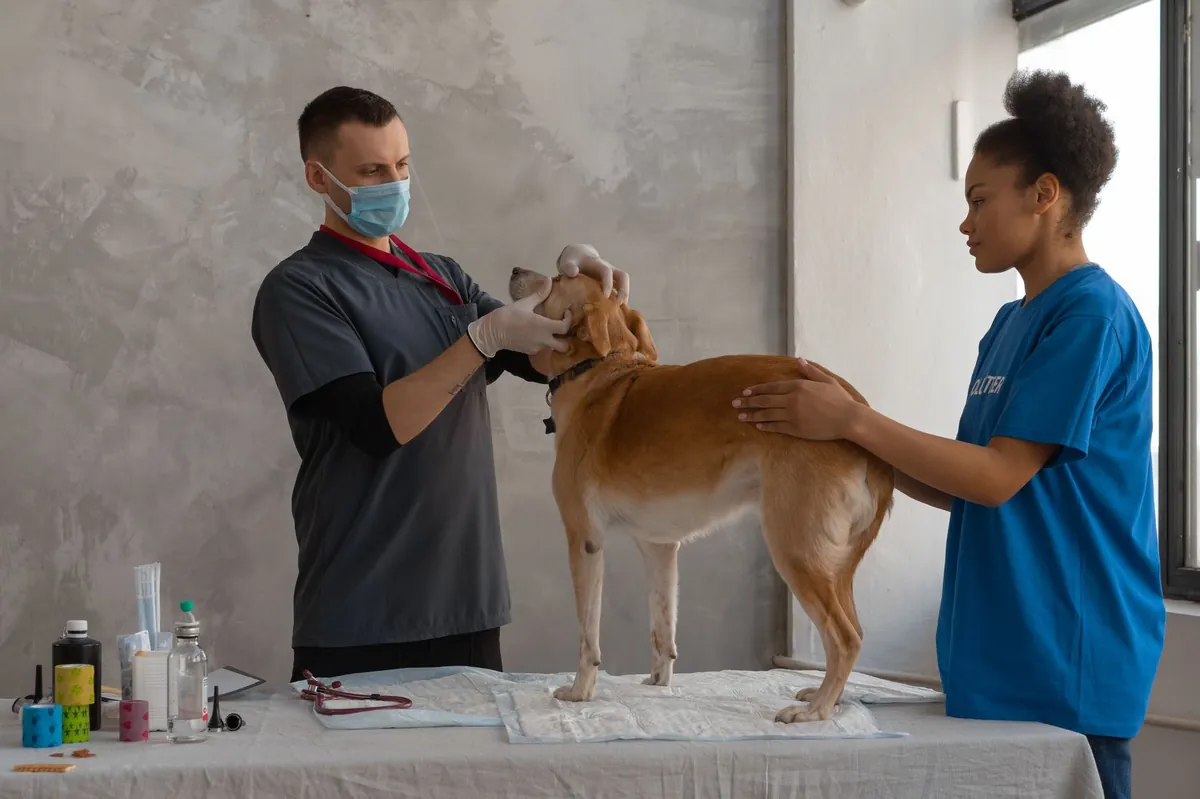
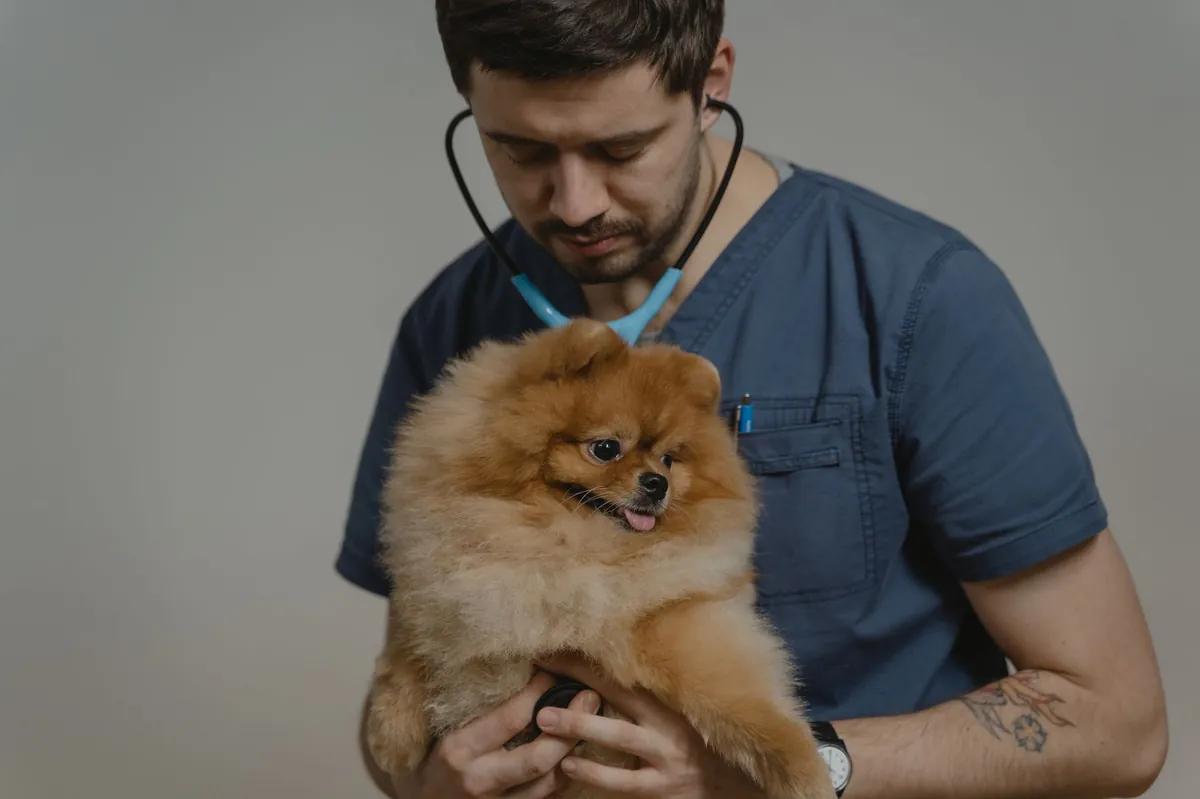
Ever notice your pup sneezing a little more than usual or acting a bit sluggish, and wondered if its just a ruff day or something more serious? Youre not alone. In just a few minutes youll get a clear picture of the most common dog diseases, the telltale signs to watch for, and the first steps you can take before the vet even steps in.
Why does this matter? Because spotting symptoms early can be the difference between a quick recovery and a heartbreaking emergency. Lets dive in together, and treat this like a chat over coffee rather than a textbook lecture.
The Top 10 Most Common Dog Diseases
Below is a snapshot of the illnesses that show up most often in veterinary offices. Knowing them helps you stay one step ahead.
| Disease | Key Symptoms | Typical Treatment | Fatality Risk |
|---|---|---|---|
| Parvovirus | Severe vomiting, bloody diarrhea, fever | Hospitalization, IV fluids, antibiotics | High if untreated |
| Canine Distemper | Cough, nasal discharge, seizures | Supportive care, antivirals (limited) | Moderatehigh |
| Heartworm Disease | Persistent cough, fatigue, swollen abdomen | Adulticide therapy, monthly preventives | High if advanced |
| Kennel Cough (Bordetella) | Dry hacking cough, mild fever | Antibiotics, cough suppressants | Low |
| Lyme Disease | Lameness, fever, loss of appetite | Doxycycline, tick control | Lowmoderate |
| Leptospirosis | Jaundice, vomiting, kidney failure | Antibiotics, supportive care | Moderatehigh |
| Canine Influenza | Fever, nasal discharge, coughing | Supportive care, antivirals (rare) | Low |
| Dental Disease (Periodontitis) | Bad breath, swollen gums, difficulty eating | Dental cleaning, extractions | Lowmoderate (systemic impact) |
| Gastrointestinal Parasites (Roundworms, Hookworms) | Diarrhea, weight loss, potbellied appearance | Broadspectrum dewormer | Lowmoderate |
| Canine Cancer (e.g., lymphoma) | Lumps, weight loss, lethargy | Chemo, surgery, radiation | Variable, often high |
Want a deeper dive into each disease, treatment options, and prevention tips? Check out our Top 10 most common dog diseases and treatment guide.
Spotting Symptoms Quickly
When your furry friend starts acting off, a quick symptomcheck can give you the confidence to act fast. Below is a cheatsheet you can keep on the fridge.
| RedFlag Symptom | Possible Causes | Urgency Level |
|---|---|---|
| Bloody diarrhea | Parvovirus, leptospirosis, parasites | Immediate vet visit |
| Persistent cough | Kennel cough, heartworm, pneumonia | Call vet within 24 hrs |
| Sudden blindness or seizures | Distemper, severe infection, toxicity | Emergency care |
| Lethargy + loss of appetite >12 hrs | Many illnesses (from GI upset to cancer) | Vet appointment ASAP |
If you love visual aids, you can browse reliable dog diseases and symptoms pictures on reputable veterinary sites. Theyre great for confirming whether the spot youre seeing matches whats described.
Prevention & Everyday Care
Prevention is the easiest (and often cheapest) way to dodge the heavyhanded treatments we just read about. Below are the habits that keep most dogs healthy for years.
Vaccinations: Your First Line of Defense
Core vaccinesdistemper, parvovirus, adenovirus (hepatitis), and rabiesshould be on your dogs schedule by the time theyre eight weeks old, with boosters at one year and then every three years. Talk to your vet about optional vaccines for Lyme, influenza, and Bordetella if your pup frequents dog parks.
Parasite Control: Tiny Threats, Big Problems
Monthly heartworm preventatives are a must, especially in warm climates. Pair that with a regular flea and tick regimen (topical, oral, or collar) to keep those bloodsucking pests away. A tidy yard, frequent bedding washes, and prompt poop removal also lower the risk of dog diseases transmitted to humans like hookworms and roundworms.
Nutrition: Food as Medicine
A balanced diet rich in highquality protein, omega3 fatty acids, and antioxidants supports the immune system. If youre curious about specific nutrients that help fight infection, check out peerreviewed studies on canine nutrition (many are freely available through university veterinary schools).
Safe Social Settings
Before signing up for a boarding stay or a dogdaycare, ask about their diseasecontrol protocols: vaccination records, routine cleaning, and quarantine procedures for new arrivals. Youll also want to know if they have a clear plan for handling an outbreak of kennel cough or other contagious illnesses.
For a complete walkthrough of daytoday prevention tips, see our common dog diseases and prevention article.
RealWorld Stories & Expert Insights
Facts are great, but stories make them stick. Below are a few reallife moments that illustrate why paying attention to symptoms matters.
A Missed Parvo Alert
Emma, a firsttime dog owner, noticed her threemonthold Labrador puppy, Milo, had a slight fever and occasional vomiting. Assuming it was a tummy upset, she waited a couple of days before calling the vet. By the time they arrived, Milos stool turned bloody and his condition deteriorated. The vet diagnosed parvovirusa disease with a high fatality rate if not treated promptly. Emmas story underscores the importance of acting on early redflags like vomiting and fever, especially in puppies.
Veterinarians Take on Symptom Overlap
Dr. Laura Martinez, a boardcertified internist, often sees owners confuse kennel cough with early heartworm disease because both present with coughing. A cough that worsens after exercise, especially with a swollen abdomen, should immediately raise a heartworm suspicion. A simple blood test can confirm it, she says. Her advice: never rely solely on visual signsget a professional evaluation.
Home Checks That Actually Help
Many owners wonder if they can do a quick health check at home. Simple actions like looking at gum color (pink = healthy, pale = anemia), checking eye clarity, and feeling for abdominal tenderness can give you useful clues before the vet visit. Just remember these checks never replace a thorough examination.
Resources & References
Building trust means backing up information with solid sources. When you write or research further, consider citing:
- American Society for the Prevention of Cruelty to Animals (ASPCA) disease pages.
- American Veterinary Medical Association (AVMA) risk guides.
- Peerreviewed journals such as Journal of Veterinary Internal Medicine.
- Local university veterinary school publications.
You can also download a handy dog diseases and treatment PDF that summarizes the top conditions, typical therapies, and prevention steps. Its great for quick reference during a busy day.
Conclusion
Understanding dog diseases and symptoms isnt just a vets jobits a partnership you share with your fourlegged companion. By memorizing the top10 illnesses, watching for redflag signs, staying on top of vaccinations and parasite control, and knowing when to call the vet, you dramatically lower the risk of serious disease. Keep this guide nearby, trust your instincts, and dont hesitate to reach out for professional help when something feels off. Your dog depends on you, and together you can keep those tails wagging for years to come.
FAQs
What are the most common early signs of dog diseases?
Early signs often include loss of appetite, lethargy, vomiting, diarrhea, coughing, or sudden changes in behavior such as hiding or excessive licking.
How can I tell if my dog's cough is kennel cough or heartworm?
Kennel cough is usually dry, hacking, and worsens at night, while heartworm cough may be moist, accompanied by fatigue, a swollen abdomen, and may worsen after exercise. A simple blood test confirms heartworm.
When should I take my dog to the vet for vomiting or diarrhea?
If vomiting or diarrhea lasts more than 12 hours, contains blood, or is paired with fever, lethargy, or a pot‑bellied appearance, seek veterinary care immediately.
Which vaccinations are essential to protect my dog from serious diseases?
Core vaccines—distemper, parvovirus, adenovirus (hepatitis), and rabies—are required for all dogs. Optional vaccines for Lyme, influenza, and Bordetella are recommended for dogs that frequent parks or boarding facilities.
How often should I give my dog parasite preventatives?
Monthly heartworm preventatives are standard year‑round, especially in warm climates. Flea and tick products should also be applied monthly or as directed by your veterinarian.